Achieving serious fun darts practice balance is about maximizing improvement while keeping the joy in the game, preventing burnout and fostering long-term passion. This article will guide you through structuring effective practice sessions, incorporating fun elements, and maintaining a healthy mental approach to your darts game.
⚠️ Still Using Pen & Paper (or a Chalkboard)?! ⚠️
Step into the future! The Dart Counter App handles all the scoring, suggests checkouts, and tracks your stats automatically. It's easier than you think!
Try the Smart Dart Counter App FREE!Ready for an upgrade? Click above!
The Importance of Balanced Darts Practice
Many dart players make the mistake of either purely playing games without focused practice or grinding away at drills until they lose motivation. The key to sustained improvement and enjoyment lies in finding a serious fun darts practice balance. This means structuring your practice time to include both targeted drills and enjoyable games that reinforce those skills. A good balance will not only improve your skills faster but also make the entire process more rewarding.
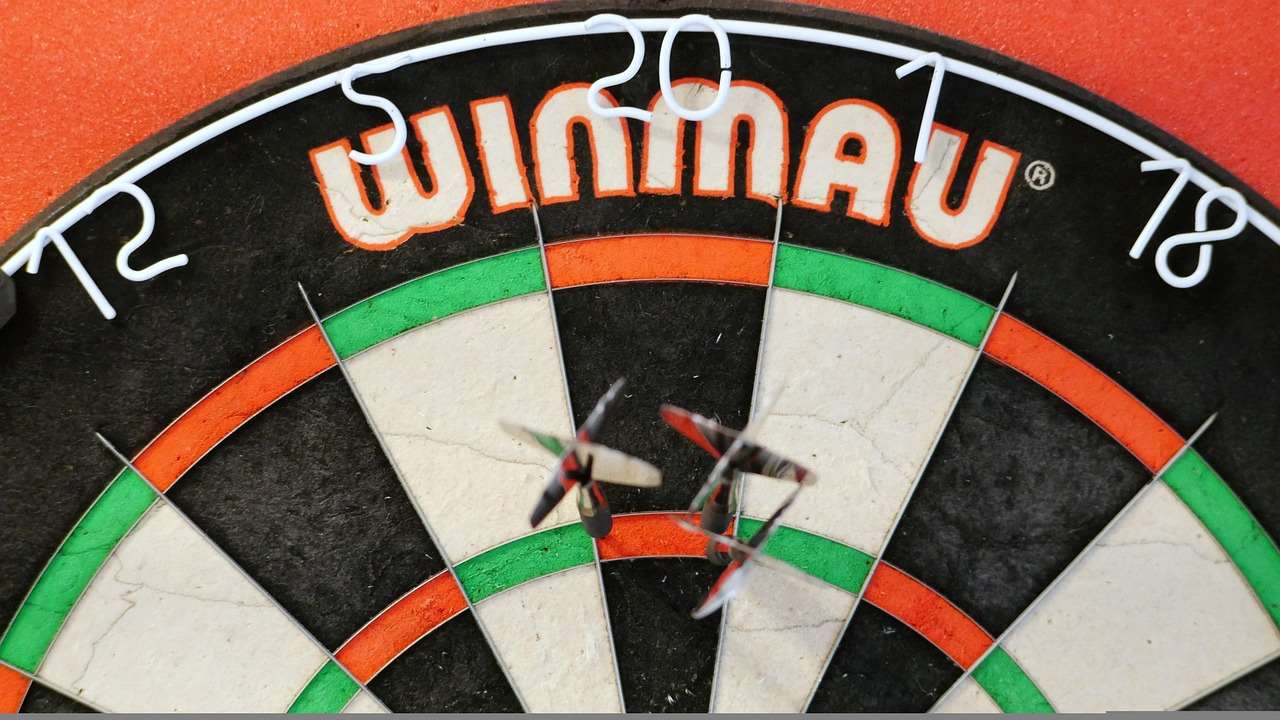
What Happens Without Balance?
- Burnout: Repetitive drills without fun can lead to burnout and a loss of interest in darts.
- Plateauing: Playing only games without targeted practice can lead to stagnation and difficulty in breaking through to the next level.
- Inconsistency: Lack of focused practice can result in inconsistent throws and difficulty performing under pressure.
Structuring Effective Darts Practice Sessions
A well-structured practice session is crucial for achieving serious fun darts practice balance. It should incorporate elements of both focused practice and enjoyable gameplay. Here’s a suggested structure:
- Warm-up (5-10 minutes): Start with some casual throws to get your arm and eye coordinated. Focus on your stance, grip, and throw.
- Targeted Drills (20-30 minutes): Choose specific areas to work on, such as hitting doubles, trebles, or bullseyes. Use structured drills (more on these below).
- Game-Based Practice (20-30 minutes): Play games that reinforce the skills you’ve been practicing. This could be variations of 501, around the world, or custom games.
- Cool-down (5 minutes): End with some relaxed throws and mental review of your progress.
Example Darts Drills
- Double Practice: Aim for a specific double (e.g., double 20) ten times in a row. If you miss, start over.
- Treble 20 Challenge: Try to hit as many treble 20s as possible in a set number of throws (e.g., 20 throws).
- Around the Clock: Start at 1 and work your way around the board, hitting each number in sequence.
Incorporating Fun into Your Darts Practice
It’s important to remember the “fun” part of serious fun darts practice balance. Darts should be enjoyable! Here are some ways to make your practice sessions more engaging:
- Play with Friends: Darts is more fun with friends. Compete in friendly matches or practice together.
- Try New Games: Explore different Darts Variants Fun Games beyond the standard 501. Some less well-known options can be found at obscure dartboard games list.
- Set Challenges: Create personal challenges to keep things interesting. For example, try to beat your highest score in a game or hit a specific checkout.
- Reward Yourself: Treat yourself after a good practice session or achieving a specific goal.
Mental Approach and Mindfulness in Darts
A crucial, often overlooked aspect of serious fun darts practice balance is the mental game. Darts is a mentally demanding sport, and your mindset can significantly impact your performance. Practicing mindfulness can help you stay focused, manage pressure, and maintain a positive attitude.
Techniques for Mental Toughness
- Visualization: Before throwing, visualize the dart hitting the target.
- Positive Self-Talk: Replace negative thoughts with positive affirmations.
- Breathing Exercises: Use deep breathing to calm your nerves and focus your attention.
- Mindfulness Meditation: Practice mindfulness meditation to improve your overall mental clarity and focus.
Equipment and Environment for Optimal Practice
Having the right equipment and environment can contribute significantly to a serious fun darts practice balance. Ensure you have a good quality dartboard, well-maintained darts, and a comfortable practice area.
- Dartboard: Choose a high-quality sisal dartboard that is regulation size and in good condition. Make sure your dartboard is properly mounted for optimal gameplay.
- Darts: Select darts that suit your throwing style and grip. Experiment with different weights, shapes, and materials to find what works best for you. Regularly maintain your darts by sharpening the points and cleaning the barrels.
- Lighting: Ensure adequate lighting to illuminate the dartboard evenly and reduce shadows.
- Space: Have enough clear space around the dartboard to throw comfortably without obstructions.
- Oche (Throw Line): The oche should be accurately measured from the face of the dartboard, and the throw line should be clearly visible.
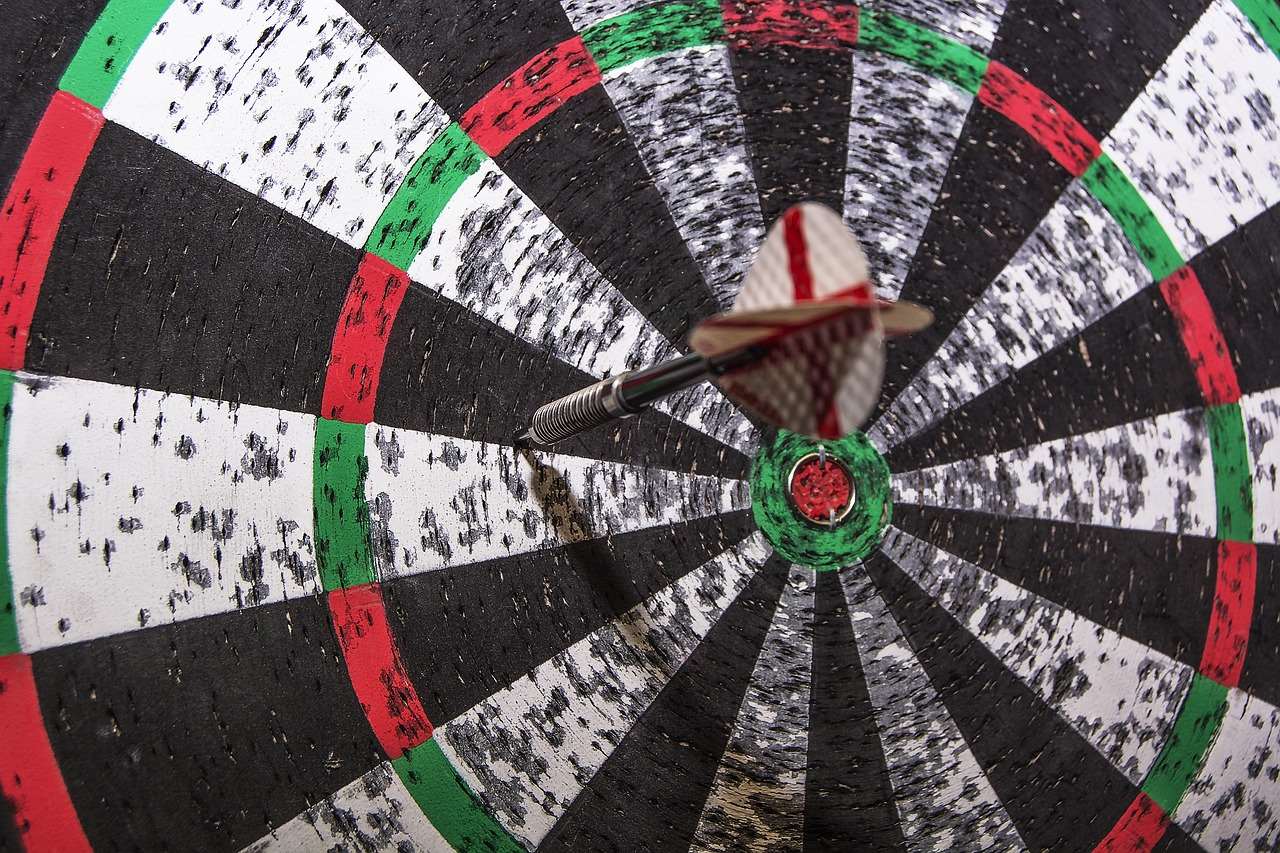
Tracking Your Progress and Setting Goals
To truly achieve a serious fun darts practice balance, it’s vital to track your progress and set achievable goals. This will help you stay motivated and focused on your development. Keep a darts practice log, and record your scores, insights, and areas for improvement.
Effective Goal-Setting Strategies
- SMART Goals: Set Specific, Measurable, Achievable, Relevant, and Time-bound goals.
- Break Down Goals: Divide large goals into smaller, more manageable steps.
- Celebrate Successes: Acknowledge and celebrate your achievements, no matter how small.
- Adjust as Needed: Be willing to adjust your goals and strategies as you progress.
Analyzing Your Performance and Identifying Weaknesses
Another essential aspect of serious fun darts practice balance is the ability to analyze your performance objectively and identify your weaknesses. Use practice sessions to experiment with different dart weights or throwing techniques. If you have an interest in the past, you may even want to delve into dart games before 501 invented to see if it gives you an advantage.
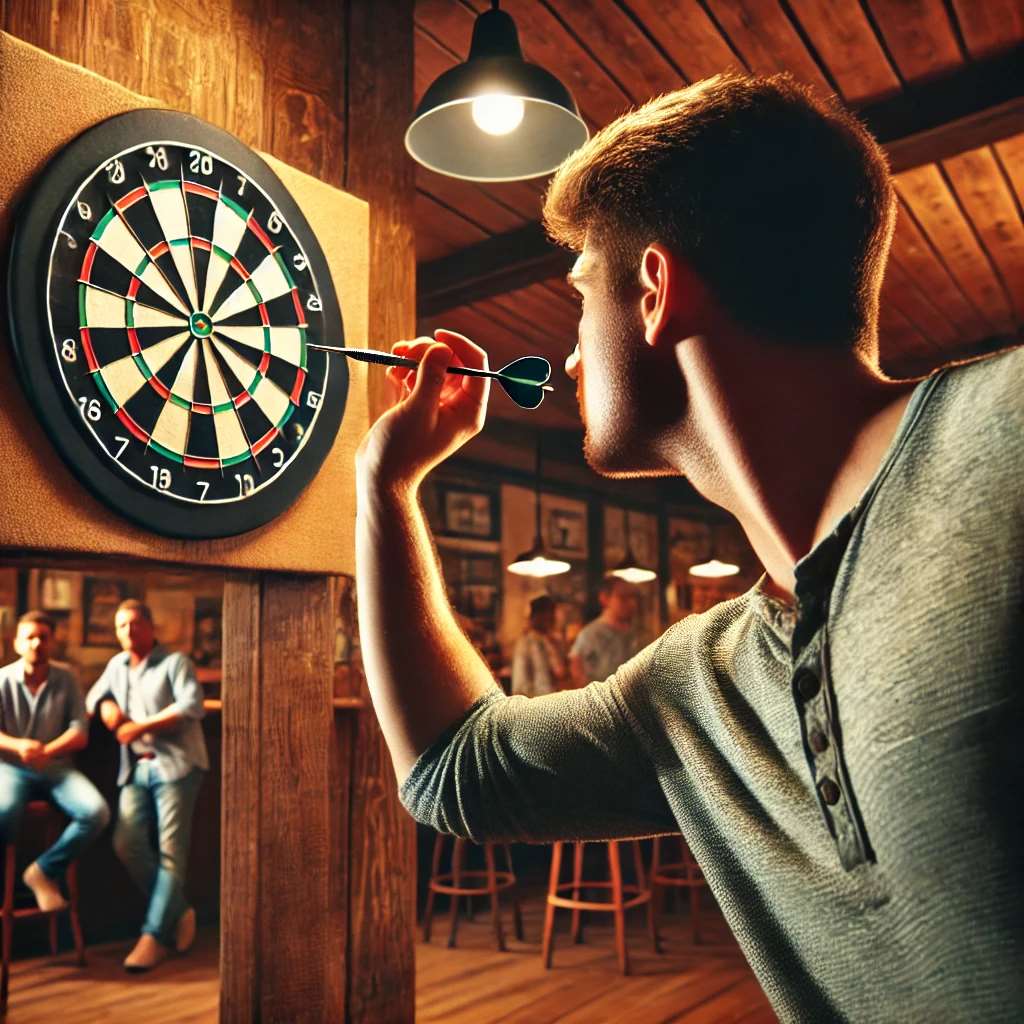
Methods for Performance Analysis
- Record Your Games: Video record your matches to analyze your throwing technique and identify areas for improvement.
- Track Your Stats: Use a darts scoring app or spreadsheet to track your scores, averages, and checkout percentages.
- Seek Feedback: Ask a more experienced player or coach to observe your game and provide feedback.
Avoiding Common Darts Practice Pitfalls
Even with the best intentions, it’s easy to fall into common pitfalls that can hinder your progress and disrupt your serious fun darts practice balance. Being aware of these pitfalls can help you avoid them.
- Over-Practicing: Avoid excessive practice, as it can lead to burnout and injury.
- Ignoring Fundamentals: Don’t neglect the fundamentals of stance, grip, and throw.
- Practicing When Tired: Avoid practicing when you’re tired or distracted, as it can reinforce bad habits.
- Ignoring Mental Game: Don’t underestimate the importance of mental toughness and focus.
Advanced Darts Practice Techniques
For those seeking to refine their skills and further enhance their serious fun darts practice balance, incorporating advanced techniques can prove invaluable. Exploring old dart games rules and old dart games rules, could add some fun into your practice.
Focusing on Specific Checkout Combinations
Mastering checkout combinations is a hallmark of a skilled darts player. Focus practice sessions on specific checkout ranges, learning the optimal routes for finishing legs efficiently. Repeat these checkouts until they become second nature.
Simulating Match Pressure
The practice environment often differs significantly from the pressure cooker of a real match. To bridge this gap, simulate match-like scenarios during practice. Introduce distractions, play against virtual opponents, or set performance targets with consequences for failure. This helps build mental resilience and the ability to perform under pressure.
To really step it up, consider history of darts games uk as an interesting way to approach your game and broaden your darts horizons.
Conclusion
Finding the right serious fun darts practice balance is essential for long-term improvement and enjoyment in darts. By structuring your practice sessions, incorporating fun elements, developing a strong mental approach, and avoiding common pitfalls, you can unlock your full potential. Remember to track your progress, set achievable goals, and continuously analyze your performance. The key is to find what works best for you and consistently refine your approach. Now, go out there, have fun, and hit those bullseyes!
Ready to elevate your darts game? Start implementing these strategies today and watch your skills soar!

Hi, I’m Dieter, and I created Dartcounter (Dartcounterapp.com). My motivation wasn’t being a darts expert – quite the opposite! When I first started playing, I loved the game but found keeping accurate scores and tracking stats difficult and distracting.
I figured I couldn’t be the only one struggling with this. So, I decided to build a solution: an easy-to-use application that everyone, no matter their experience level, could use to manage scoring effortlessly.
My goal for Dartcounter was simple: let the app handle the numbers – the scoring, the averages, the stats, even checkout suggestions – so players could focus purely on their throw and enjoying the game. It began as a way to solve my own beginner’s problem, and I’m thrilled it has grown into a helpful tool for the wider darts community.