To master the art of **scoring practice hitting doubles** in darts, focus on consistent aim and controlled release; consistently hitting doubles is crucial for closing out games and improving your overall scoring average. This article will explore effective practice drills, mental strategies, and equipment considerations to help you significantly enhance your doubles accuracy and scoring prowess.
⚠️ Still Using Pen & Paper (or a Chalkboard)?! ⚠️
Step into the future! The Dart Counter App handles all the scoring, suggests checkouts, and tracks your stats automatically. It's easier than you think!
Try the Smart Dart Counter App FREE!Ready for an upgrade? Click above!
The Importance of Scoring Practice Hitting Doubles
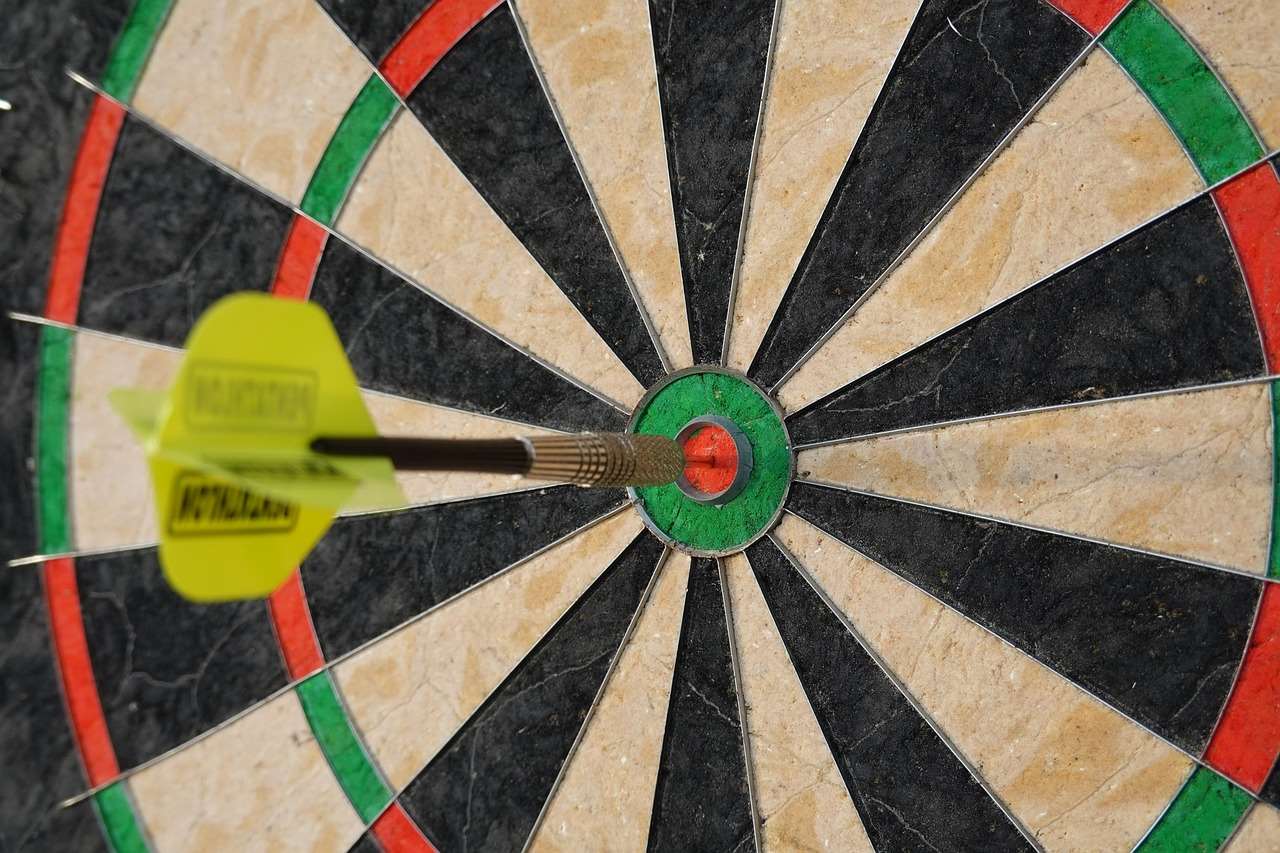
Scoring practice hitting doubles is arguably the most crucial aspect of darts practice for several reasons. While scoring high with trebles is exciting, finishing a leg of darts always requires hitting a double. Therefore, consistent and reliable doubles play is what separates good dart players from great ones. Neglecting this area can lead to frustration and missed opportunities, even if you’re proficient at scoring big.
When you’re in a match, the pressure intensifies as you approach the finish. Having confidence in your ability to hit the required double can significantly impact your mental game and ultimately, your success. Regular practice specifically designed to improve your doubles accuracy is an investment that pays off every time you step up to the oche. It’s not just about hitting the double; it’s about hitting it consistently under pressure.
Related Keywords
- Dartboard accuracy
- Darts finishing techniques
- Double out strategy
- Darts practice drills
- Darts mental game
Effective Doubles Practice Drills
To truly improve your **scoring practice hitting doubles**, you need structured and focused drills. Randomly throwing darts at doubles won’t cut it. These drills are designed to build consistency, refine your aim, and develop a mental approach that allows you to perform under pressure.
The Round the Clock Doubles Drill
This is a classic and highly effective drill. Start with double 1 and progress sequentially around the board, aiming for each double in order (double 1, double 2, double 3, and so on). The goal is to hit each double with as few darts as possible. Keep track of how many darts you take to complete the round. As you improve, your dart count should decrease.
For an added challenge, try hitting each double with the *first* dart thrown. This forces you to focus intently on your aim and delivery. This drill not only improves your accuracy but also familiarizes you with the entire double ring, ensuring you’re comfortable with all the possible finishing options. This is important to help with adapting darts rules for small spaces: tips and tricks.
The High-Pressure Checkout Drill
This drill simulates the pressure of a real game situation. Set yourself up with a common checkout number, such as 40 (double 20), 32 (double 16), or 50 (double 25 – the bullseye, often used as a double). Throw three darts at the target. If you hit the double, great! If you miss, deduct the remaining score from your total. The goal is to reach zero. This forces you to make calculated decisions under pressure, mimicking the mental stress of a match.
For example, if you start with 40 and your first dart hits a single 20, you now need to hit double 10 (20 remaining). This drill helps you become more adaptable and strategic in your finishing approach. It also highlights the importance of having a backup plan if your first dart doesn’t land where you intended.
The 170 Checkout Challenge
While not exclusively focused on doubles, practicing the 170 checkout (T20, T20, D25) trains your precision and helps you visualize the entire board. The final double requires pinpoint accuracy, making this a valuable exercise for improving your overall finishing game. It also builds confidence, knowing you’re capable of hitting even the most challenging combinations.
The Segmented Double Practice
Focus on specific sections of the dartboard where you struggle most with hitting doubles. If you consistently miss to the left on doubles in the lower segment of the board, dedicate time specifically to practicing those doubles (double 3, double 2, double 1). Identify your weaknesses and target them directly. This focused approach ensures you’re addressing your individual needs and maximizing your practice efficiency.

Mental Strategies for Hitting Doubles
The mental aspect of darts is just as important as the physical. When it comes to **scoring practice hitting doubles**, mastering your mindset can make a significant difference. Doubt and hesitation can sabotage even the most skilled players.
Visualization Techniques
Before you even step up to the oche, visualize yourself hitting the double. Imagine the dart leaving your hand, flying through the air, and landing precisely in the target. This mental rehearsal can boost your confidence and improve your focus. Positive visualization programs your mind for success.
Breathing and Relaxation
Deep, controlled breathing can help you stay calm and focused under pressure. Before each throw, take a slow, deep breath, hold it for a moment, and then exhale slowly. This helps to reduce anxiety and improve your concentration. Many professional dart players use breathing techniques to maintain composure during crucial moments.
Positive Self-Talk
Replace negative thoughts with positive affirmations. Instead of thinking “I’m going to miss,” tell yourself “I can hit this.” Your inner dialogue has a powerful impact on your performance. Cultivating a positive mindset can significantly improve your consistency and accuracy. It also ties in well with following some Basic Darts Fundamentals for Beginners.
Accepting Mistakes
Everyone misses doubles occasionally. Don’t dwell on your mistakes. Acknowledge them, learn from them, and move on. Getting frustrated or discouraged will only hinder your performance. Maintain a positive attitude and focus on the next dart. Resilience is a key attribute of successful dart players.
Equipment Considerations for Improved Doubles
While skill and practice are paramount, your equipment can also play a role in your ability to hit doubles consistently. Choosing the right darts, flights, and shafts can optimize your throwing style and improve your accuracy. Choosing the correct weight is key here.
Dart Weight and Grip
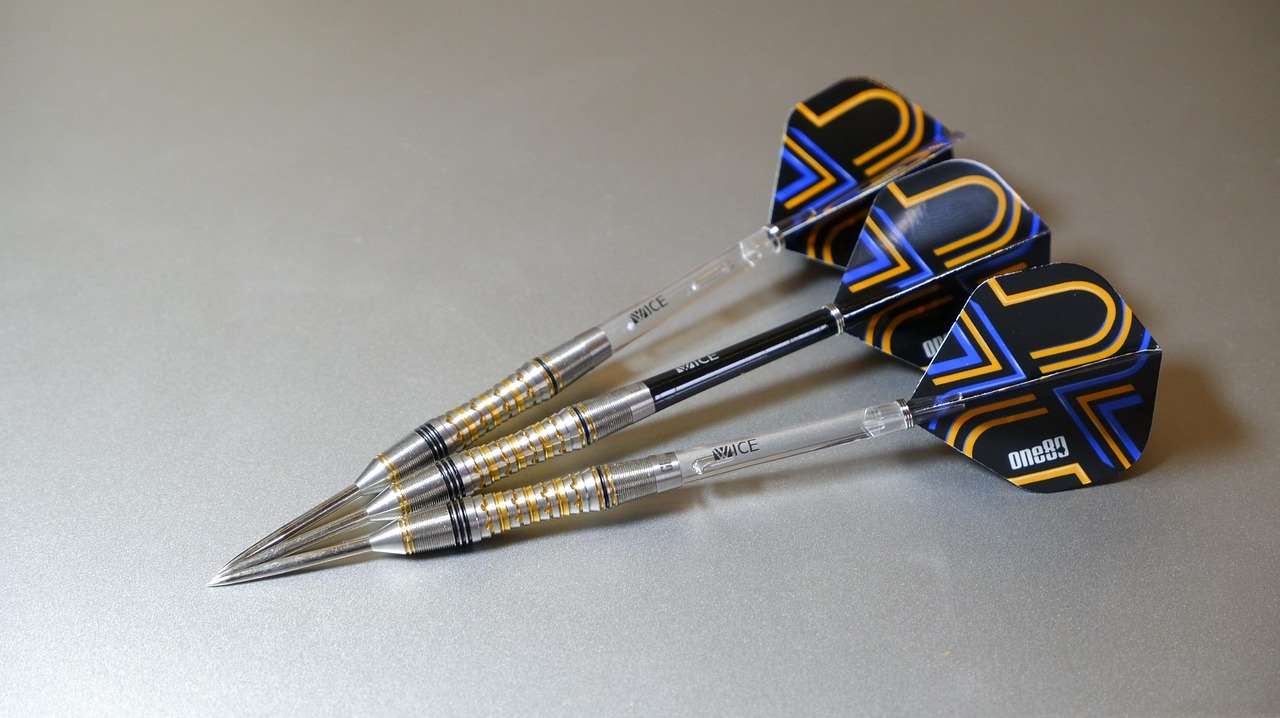
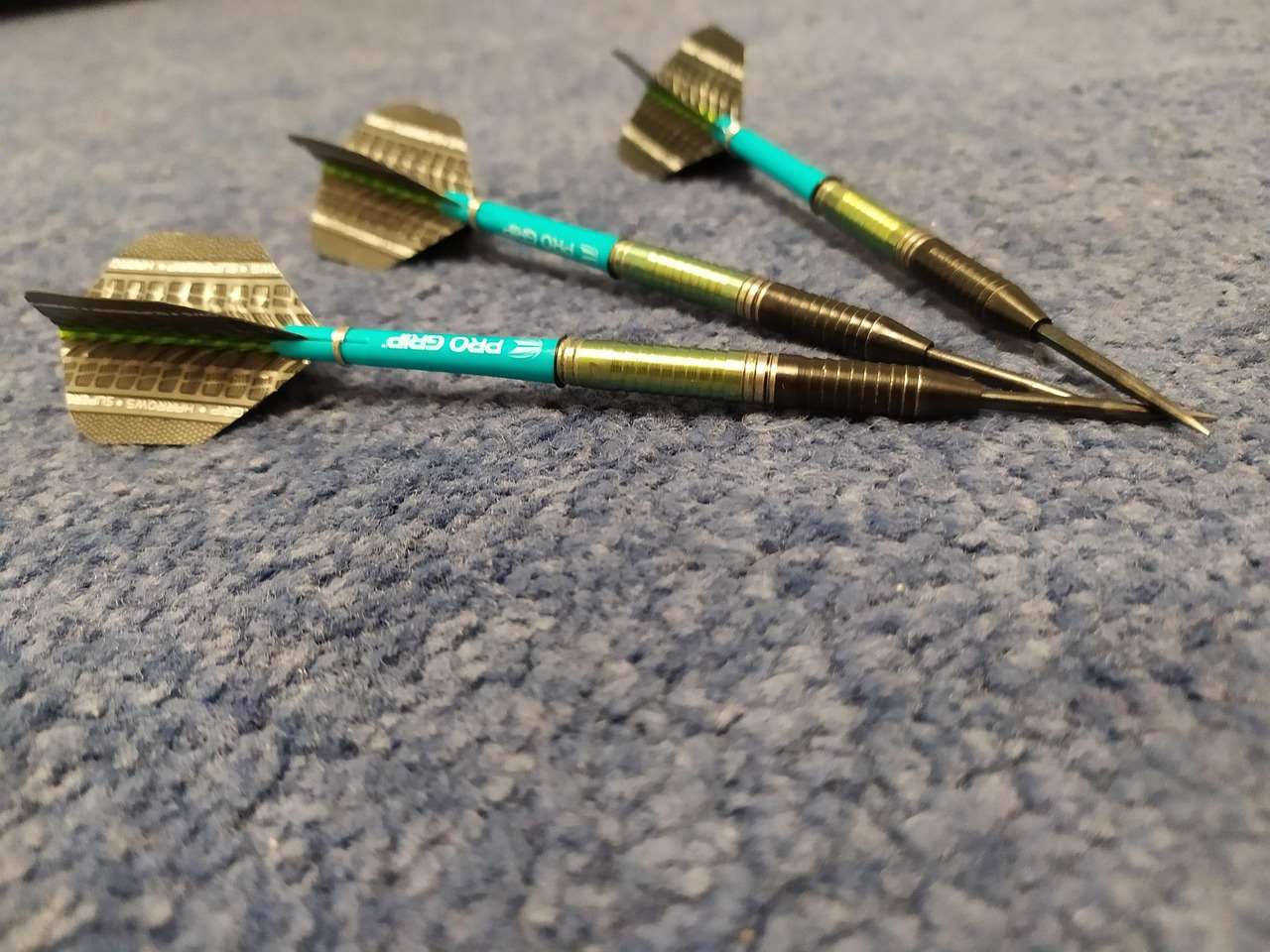
Experiment with different dart weights to find what feels most comfortable and allows you to maintain control. The ideal weight is subjective and depends on your individual throwing style. Also, consider the grip of the dart. Some darts have aggressive knurling for a more secure grip, while others have a smoother surface. Find a grip that allows you to release the dart consistently and accurately.
Flights and Shafts
Flights and shafts affect the dart’s trajectory and stability in the air. Smaller flights provide more speed and less stability, while larger flights offer more stability but may slow the dart down. Experiment with different shapes and sizes to find what works best for your throw. Similarly, shaft length can influence the dart’s angle of entry into the board. Shorter shafts tend to fly straighter, while longer shafts can create a steeper angle. This also provides context for Adapting darts rules for beginners.
Consistent Setup
Once you find a dart setup that you’re comfortable with, stick with it. Changing your equipment frequently can disrupt your consistency. Maintaining a consistent setup allows you to develop muscle memory and refine your throwing technique. Avoid making drastic changes unless you’re experiencing persistent problems with your accuracy.
Common Mistakes to Avoid When Practicing Doubles
Even with the best drills and equipment, certain mistakes can hinder your progress in **scoring practice hitting doubles**. Recognizing and correcting these common errors can accelerate your improvement.
Rushing Your Throw
Taking your time and focusing on your aim is crucial. Rushing your throw often leads to poor accuracy. Before each throw, take a deep breath, visualize your target, and execute your throwing motion smoothly and deliberately. A slow, controlled approach is more likely to produce accurate results.
Inconsistent Stance
Maintaining a consistent stance is essential for accuracy. Avoid shifting your weight or changing your foot position during your throw. Find a comfortable and stable stance that allows you to maintain balance and control throughout your throwing motion. Consistency in your stance translates to consistency in your throws.
Not Focusing on the Target
Keep your eyes fixed on the target throughout your throwing motion. Avoid looking away or losing focus. Visualizing the dart landing in the double will improve your accuracy. Maintain unwavering focus on your target until the dart leaves your hand.
Practicing Without a Goal
Randomly throwing darts at the double ring without a specific goal in mind is not an effective use of your practice time. Set clear goals for each practice session, such as hitting a certain number of doubles in a row or completing a specific drill within a certain time frame. Having a clear objective will keep you motivated and focused. This also relates to Modifying rules for mixed-level dart players.
Advanced Techniques for Double Out Strategy
Once you’ve mastered the basics of **scoring practice hitting doubles**, you can start exploring more advanced strategies to improve your double out percentage. This involves thinking ahead and planning your route to the finish.
Understanding Checkout Charts
Checkout charts provide a quick reference for common checkout combinations. Familiarizing yourself with these charts will help you make informed decisions about which numbers to leave yourself with. Knowing the most efficient routes to the finish can give you a significant advantage over your opponents. Knowing how to Fun dart game variations with modified rules can also help to improve your strategy.
Leaving Yourself on a Double
The primary goal of advanced double out strategy is to always leave yourself with a shot at a double. This may involve sacrificing a few points to ensure that you have a favorable checkout number. For example, if you have 41 remaining, it may be wiser to throw for a single 1 to leave yourself with 40 (double 20) rather than trying for a single 11 to leave yourself with 30 (double 15).
Targeting Specific Doubles
Some doubles are statistically more likely to be hit than others. Double 20 is often considered the easiest double to hit, followed by double 16 and double 18. If possible, try to arrange your scores to leave yourself with these preferred doubles. However, be prepared to adapt if your initial plan doesn’t work out. Flexibility and adaptability are key to successful double out strategy.
Playing the Percentages
Sometimes, the best strategy is to play the percentages, even if it means leaving yourself with a slightly less favorable double. For example, if you have 36 remaining, it may be wiser to throw for a single 4 to leave yourself with 32 (double 16) rather than trying for a single 16 to leave yourself with 20 (double 10), especially if you struggle with double 10. Choosing the option that gives you the highest chance of success is often the most effective approach.
Tracking Your Progress and Staying Motivated
Consistently **scoring practice hitting doubles** and tracking your progress is vital to stay motivated and see tangible results from your efforts. Monitoring your performance allows you to identify areas where you’re improving and areas where you still need work.
Keeping a Practice Journal
Record your practice sessions in a journal. Note the drills you performed, the number of darts you threw, and your success rate. This will help you track your progress over time and identify patterns in your performance. You can also use the journal to jot down any insights or observations you have about your throwing technique or mental game.
Setting Realistic Goals
Set realistic and achievable goals for your practice. Don’t expect to become a doubles expert overnight. Start with small, incremental goals and gradually increase the difficulty as you improve. Celebrating your successes along the way will help you stay motivated and maintain a positive attitude.
Rewarding Yourself
Reward yourself for achieving your practice goals. This could be anything from treating yourself to a new set of flights to taking a break from practice to do something you enjoy. Rewarding yourself will reinforce positive behavior and make your practice sessions more enjoyable.
Finding a Practice Partner
Practicing with a partner can provide motivation and friendly competition. You can challenge each other to drills, track your scores against each other, and provide feedback on each other’s throwing technique. Practicing with a partner can also make your practice sessions more engaging and enjoyable.
Conclusion
Mastering the art of **scoring practice hitting doubles** is essential for taking your darts game to the next level. By incorporating the drills, mental strategies, and equipment considerations outlined in this article, you can significantly improve your accuracy and confidence on the double ring. Remember to stay consistent with your practice, track your progress, and maintain a positive attitude. The journey to becoming a doubles expert requires dedication and perseverance, but the rewards are well worth the effort. Now, grab your darts and start practicing! Visit our site for more tips and to share your progress!

Hi, I’m Dieter, and I created Dartcounter (Dartcounterapp.com). My motivation wasn’t being a darts expert – quite the opposite! When I first started playing, I loved the game but found keeping accurate scores and tracking stats difficult and distracting.
I figured I couldn’t be the only one struggling with this. So, I decided to build a solution: an easy-to-use application that everyone, no matter their experience level, could use to manage scoring effortlessly.
My goal for Dartcounter was simple: let the app handle the numbers – the scoring, the averages, the stats, even checkout suggestions – so players could focus purely on their throw and enjoying the game. It began as a way to solve my own beginner’s problem, and I’m thrilled it has grown into a helpful tool for the wider darts community.