Understanding the **scoring comparison different boards** is crucial for leveling the playing field and making dart games enjoyable for everyone, regardless of skill. This article dives into the nuances of dartboard scoring, exploring variations across different board types and offering strategies to adapt the rules for fairer and more engaging gameplay. You’ll learn how to modify scoring systems to accommodate skill levels, physical limitations, and even the specific environment you’re playing in.
⚠️ Still Using Pen & Paper (or a Chalkboard)?! ⚠️
Step into the future! The Dart Counter App handles all the scoring, suggests checkouts, and tracks your stats automatically. It's easier than you think!
Try the Smart Dart Counter App FREE!Ready for an upgrade? Click above!
Decoding Standard Dartboard Scoring
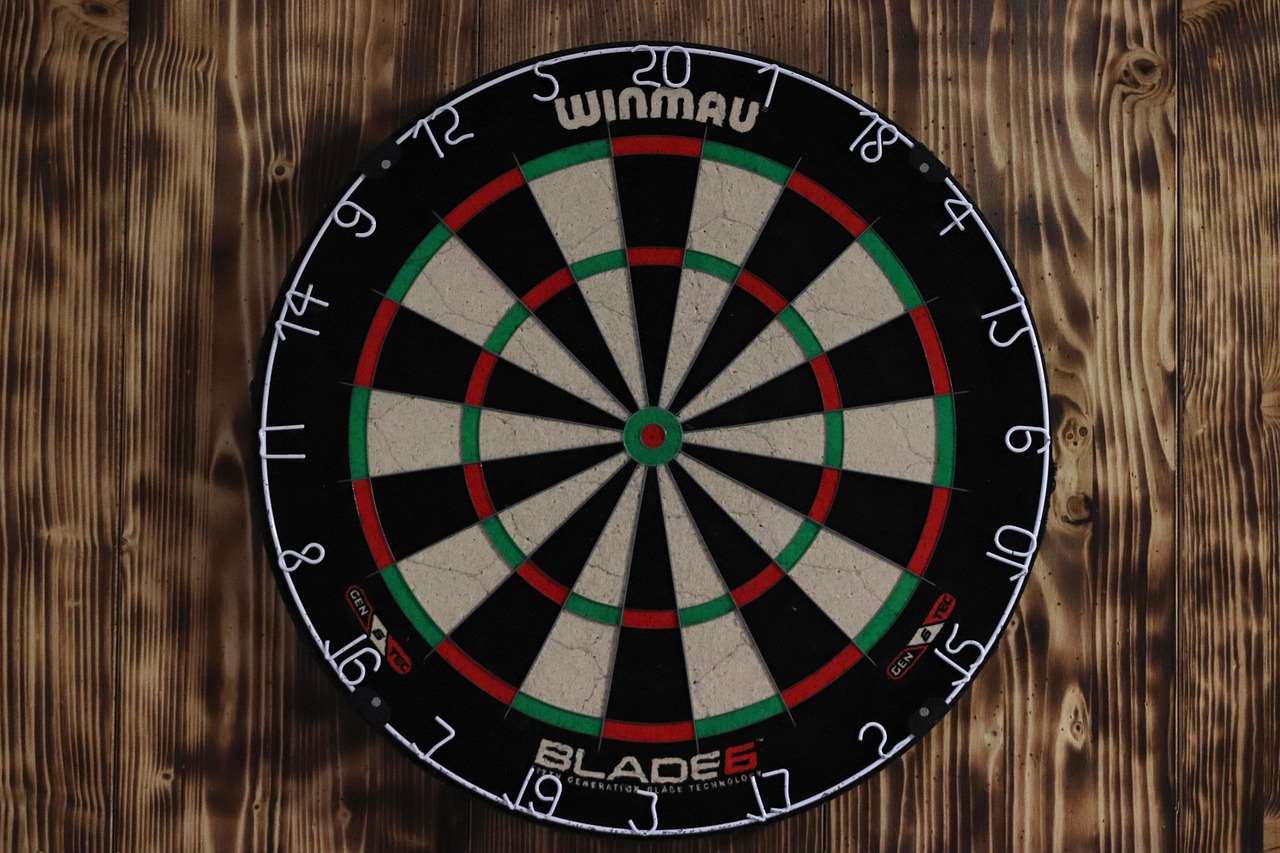
The standard dartboard, beloved by players worldwide, employs a specific scoring system that can seem complex at first glance. Mastering this system is fundamental to enjoying a proper game of darts. Let’s break down the key elements:
- Numbers: The board is divided into 20 numbered sections, ranging from 1 to 20.
- Doubles Ring: The outer ring doubles the value of the number it surrounds. Hitting a double is often crucial for finishing a game.
- Trebles Ring: The inner ring triples the value of the number it surrounds. Landing a treble is a high-scoring shot.
- Bullseye: The center of the board, often referred to as the “bull,” is divided into two sections:
- Outer Bull (Single Bull): Worth 25 points.
- Inner Bull (Double Bull): Worth 50 points, and often counts as a double for checkout purposes.
Understanding the value of each section and aiming strategically is key to maximizing your score. For example, hitting a treble 20 (T20) scores 60 points, the highest possible score with a single dart. However, consistent accuracy is more important than chasing high scores. To get started, new players should check out Basic Darts Fundamentals for Beginners.

Strategic Considerations in Standard Scoring
Beyond simply knowing the point values, strategic thinking is essential. This includes:
- Aiming for High-Value Targets: Generally, targeting the 20 and 19 sections is preferred due to their proximity to the treble ring.
- Setting Up Finishes: Planning your shots to leave yourself with a manageable double to finish the game.
- Playing Defensive Darts: Sometimes, blocking your opponent’s score or leaving a difficult outshot for them can be beneficial.
Many players find that focusing on specific doubles and triples during practice improves their consistency and overall scoring potential.
Exploring Different Dartboard Types and Scoring Systems
While the standard dartboard dominates the world of professional darts, other types of dartboards and scoring systems exist, often used for casual play or to cater to specific needs. A comprehensive **scoring comparison different boards** is vital for understanding how the game adapts.
- Electronic Dartboards: These boards automatically calculate and display scores, often incorporating various game modes and handicap options.
- Magnetic Dartboards: Designed for safety, magnetic dartboards use magnetic darts and often have a simplified scoring system.
- Paper Dartboards: Typically less expensive, paper dartboards can be used with steel-tip darts and generally follow standard scoring.
The type of board significantly impacts the playing experience and the need for scorekeeping.

Electronic Dartboard Scoring Variations
Electronic dartboards offer a range of scoring options beyond the standard game of 501. Some common variations include:
- Cricket: A strategic game where players must close out specific numbers by hitting them three times.
- 301: A shorter version of 501, often used for quicker games.
- Around the World: Players must hit each number in sequence, from 1 to 20.
These variations can make the game more accessible and engaging for players of all skill levels.
Adapting Scoring Rules for Beginners and Mixed-Skill Groups
The standard dartboard scoring system can be daunting for beginners. To encourage participation and create a more enjoyable experience, consider adapting the rules. This adaptation is key to a positive **scoring comparison different boards** experience for learners.
- Simplified Scoring: Focus on hitting the target, regardless of the specific number. Award points based on proximity to the center.
- Larger Target Areas: Use dartboards with larger scoring zones or create custom target areas.
- Handicap Systems: Implement handicaps to level the playing field between players of different skill levels.
Remember that the goal is to make the game fun and accessible for everyone.
Handicap Rules Explained
Handicap rules are a great way to make darts fairer for mixed-skill groups. Some common handicap systems include:
- Spotting Points: Giving the weaker player a head start in the game.
- Limiting Targets: Restricting the stronger player to certain sections of the board.
- Increasing Doubles/Trebles Required: Requiring the stronger player to hit more doubles or trebles to win.
These adjustments can dramatically improve the balance of the game. Here’s a good resource on how to make darts fairer with handicap rules.
Creative Scoring Systems for Fun and Engagement
Beyond traditional scoring and adapted rules, consider incorporating creative scoring systems to add a unique twist to your dart games. These innovative approaches can revitalize gameplay and keep things exciting.
- Team-Based Scoring: Divide players into teams and assign different roles or challenges.
- Bonus Points: Award bonus points for specific achievements, such as hitting multiple trebles or finishing the game with a low dart count.
- Target-Based Challenges: Set specific target areas for each round and award points based on accuracy.
Don’t be afraid to experiment and develop your own unique scoring systems!
Example: The “Around the Clock” Challenge
This game involves hitting each number on the dartboard in sequence, from 1 to 20. Players can only move on to the next number after successfully hitting the current one. This helps to develop accuracy and consistency. The first player to complete all numbers wins.

Impact of Dart Material on Scoring and Durability
The material used to construct a dartboard significantly impacts its scoring characteristics, durability, and overall playing experience. Consider these factors when making your selection:
- Bristle Boards: Made from tightly packed sisal fibers, bristle boards are self-healing and offer excellent durability.
- Electronic Boards: Typically made from plastic, electronic boards are less durable than bristle boards but offer the convenience of automatic scoring.
- Paper Boards: The least durable option, paper boards are best suited for casual play.
The choice of dartboard material should align with your budget, playing frequency, and desired level of performance.
Understanding Bristle Board Maintenance
To extend the life of your bristle dartboard, follow these maintenance tips:
- Rotate the Board Regularly: This helps to distribute wear and tear evenly.
- Remove Darts Carefully: Avoid twisting or pulling darts forcefully.
- Keep the Board Dry: Moisture can damage the sisal fibers.
Proper care will ensure that your dartboard remains in good condition for years to come.

Analyzing Professional Dart Scoring Strategies
Observing how professional dart players approach scoring can provide valuable insights into optimizing your own game. Professional players demonstrate sophisticated strategies and techniques honed through years of practice.
- High-Value Target Preference: Pros consistently aim for the treble 20 and treble 19 to maximize their scoring potential.
- Checkout Planning: They meticulously plan their shots to leave themselves with a manageable double to finish the game.
- Strategic Blocking: Professionals often employ defensive tactics to hinder their opponents’ scoring opportunities.
Studying professional matches can reveal the nuances of advanced dart scoring.
Conclusion: Choosing the Right Scoring System for Your Needs
In conclusion, understanding the **scoring comparison different boards** empowers you to tailor the game to your specific needs and preferences. Whether you’re a seasoned player or a complete beginner, adapting the rules and exploring different scoring systems can enhance the enjoyment and accessibility of darts. From simplified scoring for novices to handicap rules for mixed-skill groups, there’s a scoring system for everyone. Experiment with these strategies, and most importantly, have fun! Ready to take your dart game to the next level? Explore Fun dart game variations with modified rules to add excitement and challenge to your gameplay today.

Hi, I’m Dieter, and I created Dartcounter (Dartcounterapp.com). My motivation wasn’t being a darts expert – quite the opposite! When I first started playing, I loved the game but found keeping accurate scores and tracking stats difficult and distracting.
I figured I couldn’t be the only one struggling with this. So, I decided to build a solution: an easy-to-use application that everyone, no matter their experience level, could use to manage scoring effortlessly.
My goal for Dartcounter was simple: let the app handle the numbers – the scoring, the averages, the stats, even checkout suggestions – so players could focus purely on their throw and enjoying the game. It began as a way to solve my own beginner’s problem, and I’m thrilled it has grown into a helpful tool for the wider darts community.