Understanding scorekeeping etiquette darts match is crucial for ensuring fair play and a respectful atmosphere. This article will guide you through the dos and don’ts of scorekeeping in darts, covering everything from accurate recording to resolving disputes. We’ll explore best practices for maintaining a smooth game and fostering good sportsmanship.
⚠️ Still Using Pen & Paper (or a Chalkboard)?! ⚠️
Step into the future! The Dart Counter App handles all the scoring, suggests checkouts, and tracks your stats automatically. It's easier than you think!
Try the Smart Dart Counter App FREE!Ready for an upgrade? Click above!
The Importance of Scorekeeping Etiquette Darts Match
In any darts match, the scorekeeper plays a pivotal role. More than just someone who writes down numbers, the scorekeeper is responsible for maintaining the integrity of the game. Proper scorekeeping etiquette ensures that all players are treated fairly, the rules are followed correctly, and any disputes are resolved amicably. A well-kept scorecard is the backbone of a legitimate and enjoyable darts competition.
Without proper scorekeeping, disagreements can arise easily, leading to tension and potentially ruining the experience for everyone involved. A neutral and attentive scorekeeper is therefore invaluable. It’s a role that demands attention to detail, a strong understanding of the rules, and the ability to communicate clearly and effectively.
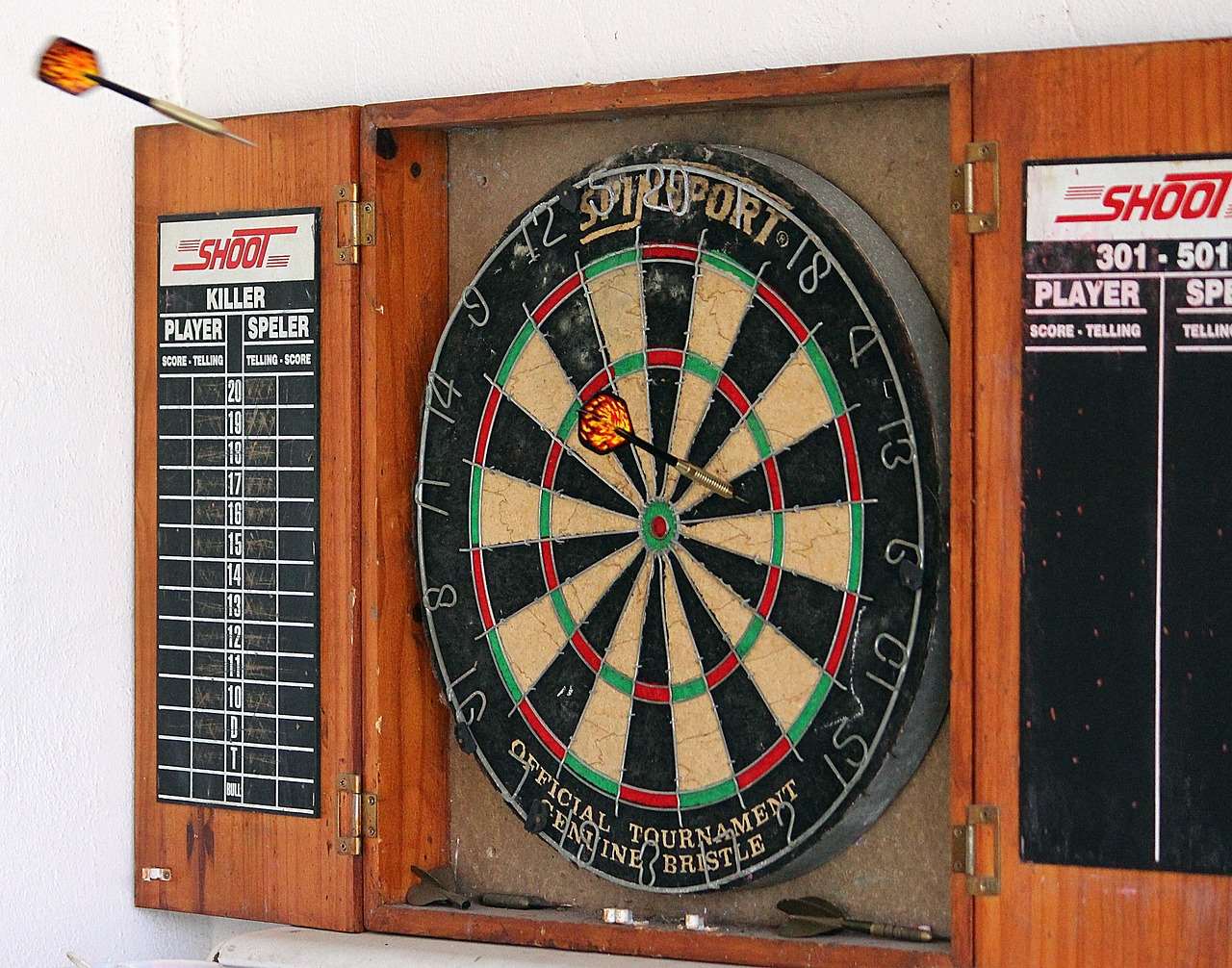
Essential Duties of a Darts Scorekeeper
The scorekeeper’s responsibilities are multifaceted. They involve not only recording the scores but also ensuring the game flows smoothly. Here’s a breakdown of the key duties:
- Accurate Score Recording: This is the most obvious duty. The scorekeeper must clearly and legibly record each player’s score for each round.
- Announcing the Score: After each player’s turn, the scorekeeper should announce the score achieved and the new running total. This helps players keep track and minimizes confusion.
- Calling “Game Shot”: The scorekeeper is responsible for declaring “Game Shot!” when a player reaches the target score (usually zero in games like 501).
- Monitoring Busts: A “bust” occurs when a player scores more than the points required to reach zero or scores in such a way that they cannot finish on a double. The scorekeeper must identify and announce busts. Understanding Basic Darts Fundamentals for Beginners is very important here.
- Ensuring Rule Adherence: The scorekeeper should be familiar with the specific rules being played (e.g., double-out rule, starting distance) and ensure they are followed correctly.
- Resolving Disputes: Inevitably, disagreements may arise. The scorekeeper should act as an impartial mediator, using their knowledge of the rules and the scorecard to resolve conflicts fairly.
Ultimately, a good scorekeeper is a facilitator, helping to maintain a fun and fair playing environment. This requires a combination of technical skill and interpersonal finesse.
Best Practices for Accurate Scorekeeping
Accuracy is paramount in scorekeeping. Here are some practical tips to ensure your scorekeeping is on point:
- Use a Clear Scorecard: Choose a scorecard that is easy to read and understand. Many templates are available online, or you can create your own. Clearly label each player’s name, the game being played (e.g., 501), and the target score.
- Record Scores Immediately: Don’t rely on your memory. Record each score as soon as it’s thrown. This minimizes the risk of errors.
- Use a Pen or Pencil with Good Contrast: Ensure the ink or lead is dark enough to be easily visible.
- Announce Scores Clearly and Loudly: Speak clearly and loudly enough for all players to hear. This helps prevent misunderstandings.
- Double-Check Your Calculations: Before announcing a score, take a moment to double-check your math. Simple errors can have a big impact on the game.
- Pay Attention: Distractions can lead to mistakes. Focus on the game and avoid unnecessary conversations.
- Ask for Clarification: If you’re unsure about a score, don’t hesitate to ask the player to confirm it.
By following these tips, you can significantly reduce the likelihood of errors and ensure a more accurate and fair game.
Addressing Common Scorekeeping Mistakes
Even with the best intentions, mistakes can happen. Here’s how to handle some common scorekeeping errors:
- Incorrectly Recorded Score: If you realize you’ve written down the wrong score, immediately correct it. Draw a single line through the incorrect score and write the correct score next to it. Initial the correction.
- Miscalculated Total: If you’ve miscalculated a player’s running total, correct it in the same way. Clearly mark the correction and initial it.
- Discrepancy Between Players’ Scores: If there’s a disagreement about a score, consult with the players involved. If they can’t agree, review the scorecard carefully. If necessary, replay the turn.
- Forgetting to Call a Bust: If you miss a bust, correct it as soon as you realize the mistake. The player’s turn is over, even if they threw more darts.
The key to addressing mistakes is to be honest, transparent, and fair. Admit your error, correct it promptly, and ensure all players understand the correction.
The Importance of Neutrality and Impartiality
A good scorekeeper must be completely neutral and impartial. This means avoiding any appearance of bias towards one player or another. Here are some ways to maintain neutrality:
- Avoid Cheering or Showing Favoritism: Refrain from cheering for specific players or showing any signs of preference.
- Treat All Players Equally: Give all players the same level of attention and respect.
- Apply the Rules Consistently: Enforce the rules fairly and consistently for all players.
- Avoid Making Jokes at Players’ Expense: Refrain from making jokes or comments that could be interpreted as biased or disrespectful.
- Focus on the Game: Your primary responsibility is to accurately record the score and ensure the game is played fairly. Avoid getting drawn into personal conversations or disputes.
Maintaining neutrality builds trust and ensures that all players feel they are being treated fairly. This is essential for fostering a positive and enjoyable playing environment. The scorekeeper needs to demonstrate how to make darts fairer with handicap rules.
Communicating Effectively as a Scorekeeper
Clear communication is vital for a smooth and enjoyable darts match. The scorekeeper needs to communicate effectively with the players, the audience, and any other officials involved. Here are some key communication skills for scorekeepers:
- Speak Clearly and Loudly: Ensure your voice is loud enough to be heard by everyone.
- Use Precise Language: Avoid ambiguous or confusing language. Be specific and clear in your announcements.
- Be Polite and Respectful: Always treat players and spectators with respect, even when addressing difficult situations.
- Listen Attentively: Pay close attention to what players and spectators are saying. This will help you understand their concerns and address them effectively.
- Explain Your Rulings Clearly: If you need to make a ruling, explain your reasoning in a clear and concise manner.
Effective communication can prevent misunderstandings and resolve disputes quickly and efficiently. It also contributes to a more positive and enjoyable playing environment for everyone involved.
Resolving Disputes and Conflicts Fairly
Disputes are inevitable in any competitive game. As a scorekeeper, you need to be prepared to resolve conflicts fairly and impartially. Here’s a step-by-step approach:
- Listen to Both Sides: Allow each player to explain their perspective without interruption.
- Review the Scorecard: Carefully examine the scorecard for any clues or discrepancies.
- Consult the Rules: Refer to the specific rules being played to determine the correct course of action.
- Make a Ruling: Based on the evidence and the rules, make a clear and decisive ruling.
- Explain Your Reasoning: Explain your reasoning to the players so they understand why you made the ruling.
- Remain Calm and Impartial: Even if the players become upset, remain calm and impartial. Avoid getting drawn into an argument.
Fair and impartial conflict resolution is essential for maintaining the integrity of the game and ensuring that all players feel they are being treated fairly. It’s also important to know about adapting darts rules for beginners.
Advanced Scorekeeping Techniques
Beyond the basics, some advanced scorekeeping techniques can enhance the experience for everyone involved. These include:
- Using Electronic Scoreboards: Electronic scoreboards automate the scoring process and eliminate the risk of human error. They also provide a clear and professional display for spectators.
- Implementing Game Management Software: Game management software can track scores, manage player statistics, and generate reports. This is particularly useful for larger tournaments.
- Utilizing Video Replay: In some cases, video replay can be used to resolve disputes about dart placement or scoring.
While these techniques may not be necessary for casual games, they can significantly improve the efficiency and accuracy of competitive matches.
The Psychological Impact of Scorekeeping
The scorekeeper’s role isn’t purely mechanical; it also has a psychological impact on the players. A confident and competent scorekeeper can instill a sense of trust and fairness, which can positively influence players’ performance. Conversely, an incompetent or biased scorekeeper can create anxiety and distrust, which can negatively impact performance.
Players need to feel that the scorekeeper is paying attention, accurately recording their scores, and enforcing the rules fairly. This allows them to focus on their game without worrying about being cheated or disadvantaged. A good scorekeeper creates a sense of psychological safety, which can ultimately lead to better performance from all players.
Scorekeeping Etiquette Darts Match: A Summary
Mastering scorekeeping etiquette darts match involves accuracy, neutrality, effective communication, and fair conflict resolution. By adhering to these principles, you can ensure a fair, enjoyable, and competitive experience for all players. A dedicated scorekeeper is an indispensable role, and understanding the finer points of scorekeeping will make any darts game better for everyone involved.

Practicing Good Sportsmanship as a Scorekeeper
Being a scorekeeper isn’t just about numbers; it’s also about embodying good sportsmanship. This means maintaining a positive attitude, showing respect for all players, and accepting the outcome of the game gracefully. Here are some ways to demonstrate good sportsmanship as a scorekeeper:
- Be Respectful: Treat all players and spectators with respect, regardless of their skill level or background.
- Maintain a Positive Attitude: Even when dealing with difficult situations, try to maintain a positive and upbeat attitude.
- Avoid Trash Talking: Refrain from making disparaging remarks about players or their performance.
- Be a Good Listener: Pay attention to what players and spectators are saying, and try to understand their perspectives.
- Accept the Outcome Gracefully: Whether your favorite player wins or loses, accept the outcome with grace and dignity.
Good sportsmanship creates a more positive and enjoyable environment for everyone involved. It also sets a good example for other players and spectators. If you have fun dart game variations with modified rules, ensure you understand how to keep score.
The Future of Darts Scorekeeping
The future of darts scorekeeping is likely to involve increased automation and technology. Electronic scoreboards and game management software are becoming increasingly common, and video replay technology is also gaining traction. These technologies can improve accuracy, efficiency, and fairness, and can also enhance the spectator experience.
However, even with these technological advancements, the human element of scorekeeping will remain important. A skilled and impartial scorekeeper is still needed to interpret the rules, resolve disputes, and ensure that the game is played fairly. The ideal scenario is a combination of technology and human expertise, working together to create the best possible experience for everyone involved.
Final Thoughts on Scorekeeping Etiquette Darts Match
Scorekeeping etiquette darts match is about more than just keeping track of numbers; it’s about upholding the integrity of the game and fostering a positive and respectful atmosphere. By understanding and implementing the principles discussed in this article, you can contribute to a more enjoyable and fair experience for all players. From accurately recording scores to resolving disputes impartially, your role as a scorekeeper is vital to the success of any darts match. Now, take your newfound knowledge and step up to the oche—as a scorekeeper, that is!
Ready to test your scorekeeping skills? Join a local darts league or organize a friendly match with your friends and family. Remember to practice good etiquette and enjoy the game! And if you are in a small space, be sure to check adapting darts rules for small spaces: tips and tricks.

Hi, I’m Dieter, and I created Dartcounter (Dartcounterapp.com). My motivation wasn’t being a darts expert – quite the opposite! When I first started playing, I loved the game but found keeping accurate scores and tracking stats difficult and distracting.
I figured I couldn’t be the only one struggling with this. So, I decided to build a solution: an easy-to-use application that everyone, no matter their experience level, could use to manage scoring effortlessly.
My goal for Dartcounter was simple: let the app handle the numbers – the scoring, the averages, the stats, even checkout suggestions – so players could focus purely on their throw and enjoying the game. It began as a way to solve my own beginner’s problem, and I’m thrilled it has grown into a helpful tool for the wider darts community.