Knowing the proper scorekeeping etiquette calling score is crucial for fair play and maintaining the integrity of any game. This article will guide you through the accepted practices of scorekeeping, focusing on clear communication, accuracy, and respectful conduct. You’ll learn how to call scores effectively, handle discrepancies, and ensure everyone has an enjoyable experience.
⚠️ Still Using Pen & Paper (or a Chalkboard)?! ⚠️
Step into the future! The Dart Counter App handles all the scoring, suggests checkouts, and tracks your stats automatically. It's easier than you think!
Try the Smart Dart Counter App FREE!Ready for an upgrade? Click above!
Understanding the Importance of Scorekeeping Etiquette Calling Score
Scorekeeping etiquette calling score goes beyond simply recording numbers; it’s about upholding fairness, transparency, and respect amongst players. A clear and consistent system ensures everyone is on the same page, minimizes disputes, and allows players to focus on the game itself. Good scorekeeping builds trust and enhances the overall gaming experience. This is especially important in competitive settings, but the principles apply equally to casual games amongst friends and family.
Neglecting proper scorekeeping etiquette can lead to confusion, frustration, and even accusations of cheating. Inaccurate scores can drastically alter the outcome of a game, creating animosity and damaging relationships. By adhering to established guidelines and prioritizing clarity, we can maintain a positive and enjoyable atmosphere for all participants.

The Key Principles of Good Scorekeeping
Several core principles underpin effective and ethical scorekeeping. These include:
- Accuracy: The most important principle. Strive for absolute accuracy in recording and calculating scores.
- Clarity: Announce scores clearly and concisely, leaving no room for ambiguity.
- Transparency: Make the score visible to all players and encourage verification.
- Objectivity: Remain impartial and avoid any actions that could be perceived as favoring one player over another.
- Respect: Treat all players with respect and courtesy, even when disagreements arise.
By consistently applying these principles, you can become a trusted and reliable scorekeeper, contributing to a positive and fair gaming environment. Remember that even small inaccuracies can have significant consequences, so diligence and attention to detail are essential.
Calling the Score Effectively: Best Practices
The way you call the score significantly impacts clarity and understanding. Here are some best practices to follow:
- Announce the score loudly and clearly: Use a clear, strong voice that can be heard by all players, especially in noisy environments. Avoid mumbling or speaking too quickly.
- State the player’s name first: Begin by stating the name of the player whose score you are announcing. This immediately clarifies who the score belongs to.
- Clearly state the score achieved: Follow the player’s name with a clear and concise statement of the score earned in that round or turn. For example, “John, 60 points.”
- Announce the running total (if applicable): In many games, it’s helpful to announce the running total after each turn. For example, “John, 60 points, total 240.” This helps players track their progress and prevents confusion.
- Use consistent terminology: Stick to consistent language when announcing scores. Avoid using slang or ambiguous terms that could be misinterpreted.
- Pause for confirmation: After announcing the score, pause briefly to allow players to confirm that they heard correctly and agree with the total.
Following these guidelines will help ensure that everyone is aware of the current score and minimizes the potential for misunderstandings or disputes. In darts, announcing the score loudly is crucial, ensuring everyone hears the dart score and that the running total is correct.
Handling Discrepancies and Disputes
Even with the best efforts, discrepancies and disputes can sometimes arise. Here’s how to handle them effectively:
- Remain calm and objective: The first rule is to stay calm and avoid getting emotionally involved. Approach the situation with a rational and objective mindset.
- Review the evidence: Carefully review the evidence, such as previous scores, video recordings (if available), and witness accounts.
- Consult with other players: If possible, consult with other players who may have witnessed the disputed event. Their perspectives can provide valuable insights.
- Seek a neutral third party: If the players cannot resolve the dispute themselves, involve a neutral third party, such as a tournament official or an experienced player.
- Compromise and find a fair resolution: Be willing to compromise and find a solution that is fair to all parties involved. Sometimes, splitting the difference or replaying the round is the best option.
- Learn from the experience: After resolving the dispute, take time to analyze what happened and identify ways to prevent similar issues from occurring in the future.
Remember that the goal is to find a fair and amicable resolution that preserves the integrity of the game and maintains positive relationships among players. Approaching disputes with empathy and a willingness to compromise is essential for successful conflict resolution.
The Role of Technology in Modern Scorekeeping
Technology has revolutionized scorekeeping in many games, offering increased accuracy, efficiency, and convenience. Electronic scoreboards, mobile apps, and online platforms are now widely used in both casual and competitive settings. These tools can automate score calculation, track player statistics, and provide real-time updates to all participants.
While technology offers numerous benefits, it’s important to remember that it’s still a tool, and its effectiveness depends on proper usage and oversight. Here are some key considerations for using technology in scorekeeping:
- Ensure the technology is reliable and accurate: Before using any electronic scorekeeping system, verify that it’s functioning correctly and providing accurate results.
- Train users on how to operate the technology: Provide adequate training to all users on how to operate the system effectively.
- Have a backup plan in case of technical difficulties: Be prepared to revert to manual scorekeeping methods in case of power outages or other technical issues.
- Maintain transparency and allow for verification: Ensure that the technology is transparent and allows players to verify the accuracy of the scores.
- Don’t rely solely on technology: While technology can streamline the scorekeeping process, it’s still important to maintain a human presence to monitor the system and address any issues that may arise.
Technology can enhance scorekeeping, but it should be used responsibly and with careful attention to detail. It’s also important to teach Basic Darts Fundamentals for Beginners, which would include the scoring process.

Specific Game Examples and Etiquette
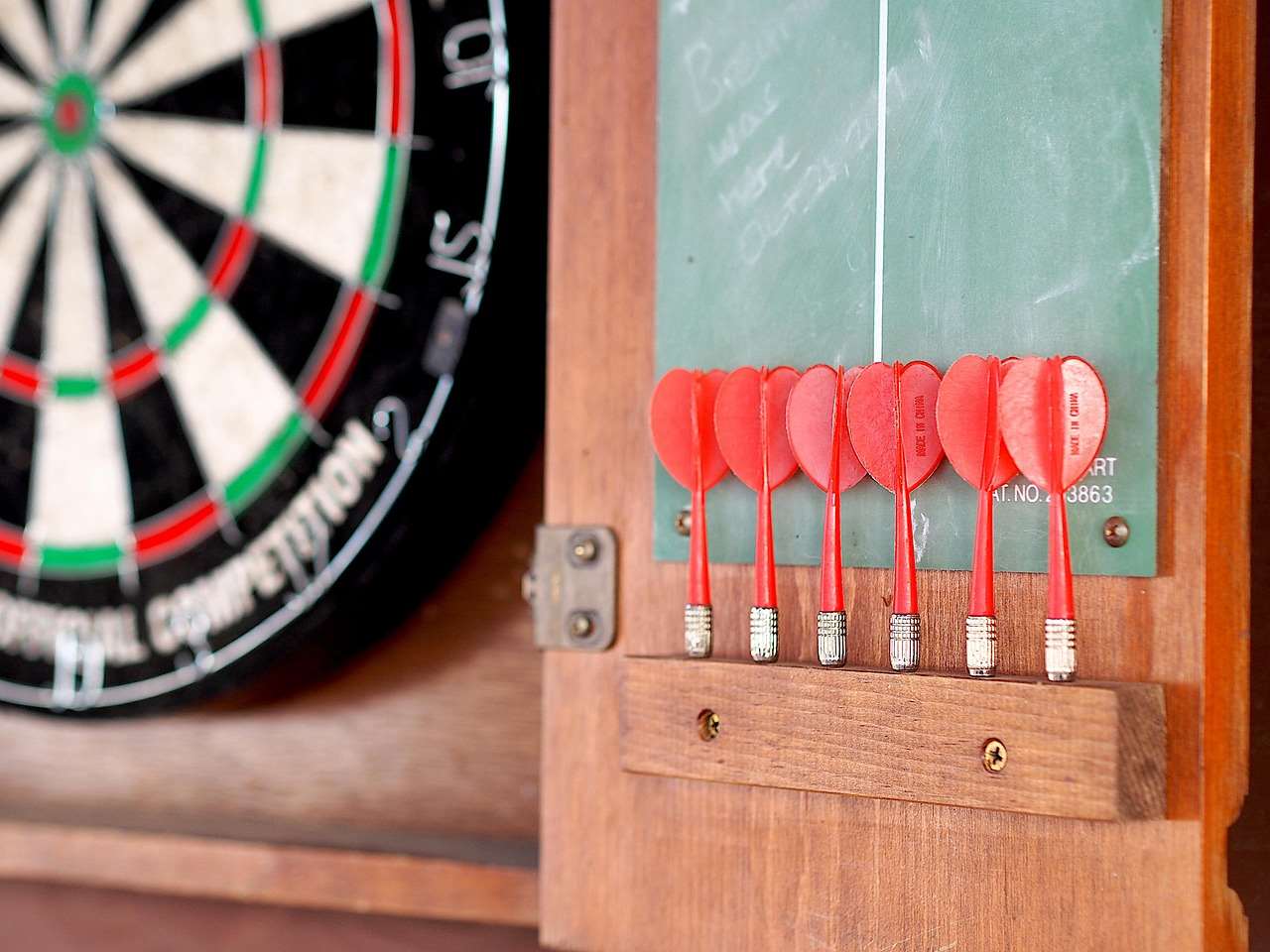
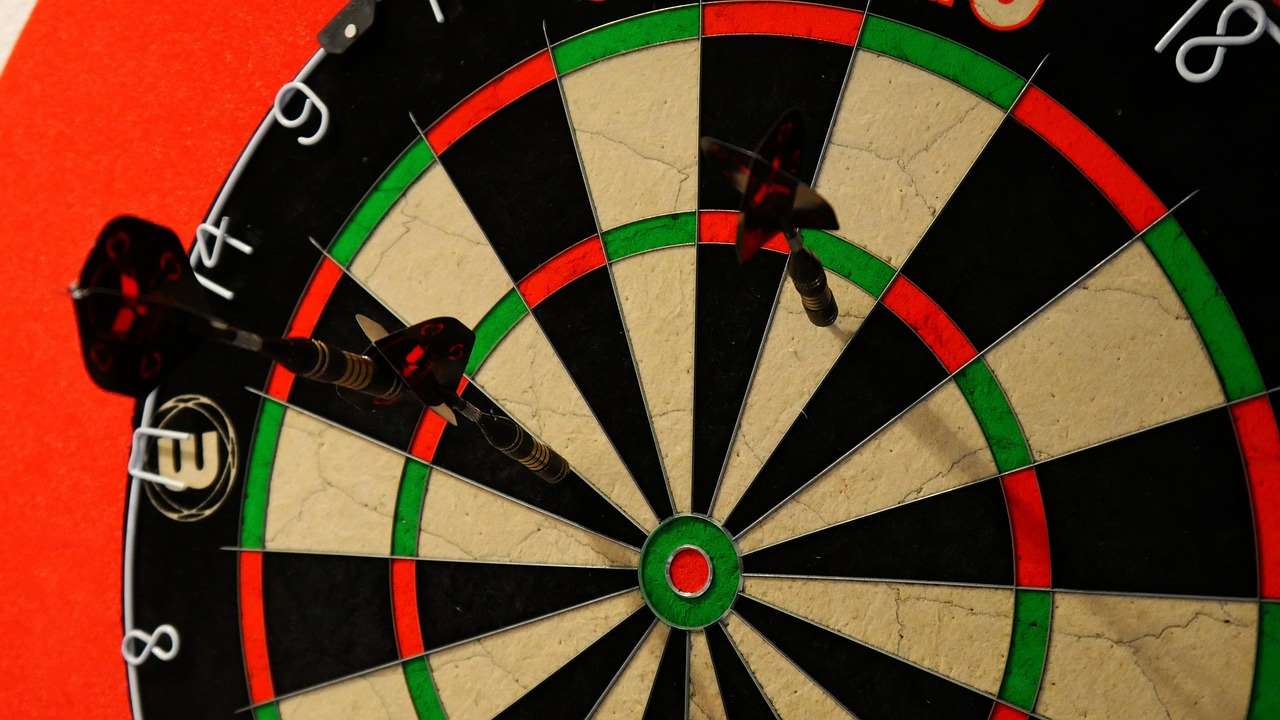
Darts: In darts, scorekeeping etiquette dictates that the scorer announces the score achieved on each throw, the remaining score, and any relevant checkouts. They should also clearly mark the score on the scoreboard. Any disputes should be resolved by reviewing the darts in the board. Proper dart scoring and tournament etiquette are essential.
Bowling: In bowling, electronic scoring systems are common, but it’s still important to verify the accuracy of the displayed scores. Players should also be mindful of lane etiquette, such as waiting for the adjacent bowler to finish before beginning their approach.
Card Games: In card games, the scorekeeper should announce the scores clearly at the end of each round and maintain a running tally. Players should also be honest and transparent about their scores.
Addressing Common Scorekeeping Challenges
Certain challenges frequently arise during scorekeeping. Here are some tips on addressing them:
- Distractions: Minimize distractions by choosing a quiet location and avoiding interruptions.
- Fatigue: Take breaks to avoid mental fatigue, which can lead to errors.
- Complex Scoring Systems: Familiarize yourself with the scoring system beforehand and create cheat sheets if necessary.
- Unclear Rules: Clarify any unclear rules with all players before the game begins.
- Difficult Players: Remain calm and professional when dealing with difficult or argumentative players.
Anticipating and preparing for these challenges can help you maintain accurate and efficient scorekeeping.

The Psychological Impact of Scorekeeping
Scorekeeping isn’t just about numbers; it can also have a significant psychological impact on players. Accurate and fair scorekeeping builds trust and fosters a positive competitive environment. Conversely, inaccurate or biased scorekeeping can lead to frustration, resentment, and decreased motivation.
As a scorekeeper, be mindful of your role in shaping the players’ experience. By demonstrating fairness, impartiality, and respect, you can help create a more enjoyable and rewarding gaming environment for everyone involved. Consider the impact of your actions and strive to maintain a positive and supportive atmosphere. Ensuring you know the score calculation for the game is crucial.
Training and Resources for Scorekeepers
If you’re serious about becoming a skilled scorekeeper, consider seeking out training and resources. Many sports organizations and gaming communities offer workshops, online courses, and manuals on scorekeeping best practices. These resources can provide valuable insights into advanced techniques, rule interpretations, and conflict resolution strategies.
In addition to formal training, practice is essential. Volunteer to scorekeep at local events or tournaments to gain experience and refine your skills. The more you practice, the more confident and competent you’ll become. Networking with other scorekeepers can also provide valuable learning opportunities and support.
Maintaining Integrity in Competitive Environments
In competitive environments, the stakes are higher, and the pressure to win can be intense. This can sometimes lead to unethical behavior, such as cheating or manipulating scores. As a scorekeeper, it’s your responsibility to maintain integrity and ensure fair play. This may involve:
- Being vigilant in detecting and preventing cheating: Pay close attention to the game and be alert for any signs of cheating.
- Enforcing the rules consistently: Apply the rules fairly and consistently to all players.
- Reporting any suspected violations: Report any suspected violations to the appropriate authorities.
- Protecting the integrity of the game: Take all necessary steps to protect the integrity of the game and ensure a fair outcome.
Maintaining integrity in competitive environments requires courage, conviction, and a commitment to upholding the principles of fair play. Even when faced with pressure or intimidation, it’s important to stand your ground and do what’s right. Familiarize yourself with adapting darts rules for beginners to allow fair matches for all skill levels.
The Future of Scorekeeping: Innovations and Trends
The field of scorekeeping is constantly evolving, driven by technological advancements and changing player expectations. Some emerging trends include:
- Artificial intelligence (AI) and machine learning (ML): AI and ML are being used to automate scorekeeping, analyze player performance, and predict game outcomes.
- Virtual reality (VR) and augmented reality (AR): VR and AR are creating immersive and interactive scorekeeping experiences.
- Blockchain technology: Blockchain is being used to create secure and transparent scorekeeping systems.
- Gamification: Gamification techniques are being used to make scorekeeping more engaging and enjoyable.
These innovations have the potential to transform the way we scorekeep and enhance the overall gaming experience. By staying informed about these trends, you can prepare yourself for the future of scorekeeping.
Building a Reputation for Excellence in Scorekeeping
Becoming a highly respected scorekeeper takes time, dedication, and a commitment to continuous improvement. Here are some tips for building a reputation for excellence:
- Be reliable and punctual: Arrive on time and fulfill your commitments.
- Be accurate and attentive: Pay close attention to detail and strive for absolute accuracy.
- Be fair and impartial: Treat all players with respect and avoid any appearance of bias.
- Be knowledgeable and resourceful: Stay up-to-date on the rules and be prepared to handle any situation.
- Be professional and courteous: Maintain a professional demeanor and treat everyone with courtesy.
By consistently demonstrating these qualities, you can earn the trust and respect of players and establish yourself as a top-notch scorekeeper.
Conclusion: Embracing Scorekeeping Etiquette Calling Score
Mastering scorekeeping etiquette calling score is more than just knowing the rules; it’s about fostering a fair, respectful, and enjoyable gaming environment. By prioritizing accuracy, clarity, and transparency, you can build trust, minimize disputes, and enhance the overall experience for all participants. Embrace these principles and strive to become a skilled and respected scorekeeper. Now that you understand the importance of the role, go out and practice these skills to improve your abilities and understanding. Are you ready to put your new skills to the test? Find a local game and volunteer to keep score!

Hi, I’m Dieter, and I created Dartcounter (Dartcounterapp.com). My motivation wasn’t being a darts expert – quite the opposite! When I first started playing, I loved the game but found keeping accurate scores and tracking stats difficult and distracting.
I figured I couldn’t be the only one struggling with this. So, I decided to build a solution: an easy-to-use application that everyone, no matter their experience level, could use to manage scoring effortlessly.
My goal for Dartcounter was simple: let the app handle the numbers – the scoring, the averages, the stats, even checkout suggestions – so players could focus purely on their throw and enjoying the game. It began as a way to solve my own beginner’s problem, and I’m thrilled it has grown into a helpful tool for the wider darts community.