Understanding how to keep track is crucial for enjoying and accurately playing different dart games. This article will cover the most popular dart games and their respective scorekeeping methods, ensuring you can confidently manage the score and participate in various darting experiences. We’ll explore everything from classic 501 to Cricket and beyond.
⚠️ Still Using Pen & Paper (or a Chalkboard)?! ⚠️
Step into the future! The Dart Counter App handles all the scoring, suggests checkouts, and tracks your stats automatically. It's easier than you think!
Try the Smart Dart Counter App FREE!Ready for an upgrade? Click above!
Why Mastering Scorekeeping Different Dart Games Matters
Efficient and accurate scorekeeping in dart games is more than just following the rules; it’s about enhancing the entire experience. Whether you’re playing a friendly game at home or participating in a competitive league, knowing how to track points correctly ensures fair play, prevents disputes, and allows you to focus on your technique and strategy. Let’s delve into why it’s essential to get it right.
- Ensures Fair Play: Accurate scorekeeping guarantees that all players are competing under the same rules and conditions. This prevents anyone from gaining an unfair advantage due to miscalculated scores.
- Reduces Disputes: Clear and consistent scorekeeping minimizes confusion and disagreements among players, contributing to a more enjoyable and relaxed atmosphere.
- Improves Focus and Strategy: By not worrying about the math, players can concentrate on their throws, adjust their strategy, and ultimately improve their performance.
- Enhances Learning and Skill Development: Properly scorekeeping helps players understand the dynamics of each game and how different scoring zones impact their progress. This understanding accelerates learning and skill development.
Learning the ropes of scorekeeping goes hand-in-hand with **basic darts fundamentals for beginners**, which is critical for any budding enthusiast.

Scorekeeping in 501 and Other ’01 Games
The ‘01 series, particularly 501, is arguably the most popular dart game worldwide. Understanding scorekeeping different dart games in this family is essential for any dart player. The objective is simple: reduce your score from 501 (or another starting number, like 301 or 701) to exactly zero. However, there are crucial rules to adhere to.
Basic 501 Scorekeeping
Each player or team starts with 501 points. Players take turns throwing three darts, and the total score of each turn is subtracted from their remaining score. The goal is to be the first to reach zero, with a few important stipulations:
- Bust Rule: If a player scores more points than needed to reach zero, resulting in a negative score or a score of one, that turn is a “bust.” The player’s score reverts to what it was at the beginning of that turn.
- Double Out: The final dart thrown must be a double. This means the player must hit a double segment on the dartboard to reach exactly zero and win the game. A single, treble, or bullseye cannot be used to finish.
Example of 501 Scorekeeping
Let’s say a player has 40 points remaining. To win, they need to hit double 20. If they hit a single 20, they would have 20 points remaining. They would then need to hit a double 10 on their next dart. If they hit a single 5, the have 15 remaining. At this point, they could choose to hit the single 3 and then hit the double 6.
If, instead of the Double 20 for the win, the player hit a single 5, single 5 and then single 5, they would have a score of 25 left for the next round. They would not have “busted”.
Scorekeeping Methods for ’01 Games
There are several ways to keep score in 501:
- Manual Scoreboard: The traditional method involves using a chalkboard or whiteboard to manually track each player’s score.
- Dart Scoreboard Apps: Numerous apps are available for smartphones and tablets that automate the scorekeeping process. These apps often include features like automatic bust detection and finish suggestions.
- Online Dart Scoreboards: Websites offer virtual scoreboards that can be used during online games or practice sessions.
Mastering Cricket Scorekeeping
Cricket is another popular dart game with a completely different scoring system. In Cricket, players must “close out” specific numbers on the dartboard before their opponents do. These numbers are typically 20, 19, 18, 17, 16, 15, and the bullseye. Understanding scorekeeping different dart games like Cricket requires attention to both closing numbers and accumulating points.
Basic Cricket Rules and Scorekeeping
Each player aims to hit the required numbers at least three times to “open” them. Once a number is open, any additional hits on that number will score points for the player, provided their opponent hasn’t closed that number yet. If the opponent closes the number, no more points can be scored on it. The game ends when a player has closed all the required numbers and has a higher or equal score than their opponent.
- Opening and Closing Numbers: A number is “open” when a player hits it three times (either with single, double, or treble hits). A number is “closed” when a player hits it three times, and their opponent has not yet opened it.
- Scoring: Once a number is open, any subsequent hits on that number score points equal to the value of that number (e.g., hitting the 20 scores 20 points). Points are only awarded if the opponent has not closed that number.
- Winning: The first player to close all the required numbers and have a higher or equal score than their opponent wins the game. If a player closes all numbers first but has a lower score, they must continue playing until they either surpass their opponent’s score or their opponent closes all numbers.
Cricket Scoring Strategies
Effective Cricket strategy involves balancing opening numbers, scoring points, and closing numbers to prevent opponents from scoring. Consider these points:
- Prioritize Opening High Numbers: Start by opening the higher numbers (20, 19) to maximize potential scoring opportunities.
- Defensive Closing: If your opponent is scoring heavily on a particular number, prioritize closing it to cut off their points.
- Strategic Scoring: Once you have opened several numbers, focus on scoring points on numbers your opponent has not yet closed.
Adapting dart game rules for children can even involve simplified Cricket versions to make learning easier and more engaging.

American Darts Scorekeeping
American Darts, played with a smaller dartboard and typically plastic-tipped darts, also has unique scorekeeping aspects. This game, often found in bars and arcades, focuses on simplicity and quick rounds.
Understanding American Darts Scoring
The American Darts board features narrower segments and a different numbering system compared to a standard dartboard. The most common game is a variation of 301 or Cricket, with slightly modified rules.
- Point Values: The point values for each segment are similar to standard darts, but the narrower segments can make scoring more challenging.
- Game Variations: Common variations include 301 with a double-out requirement and Cricket with simplified number sets.
Key Differences in Scorekeeping
While the basic principles of scorekeeping different dart games apply, American Darts requires adapting to the specific board layout and rules variations.
- Accuracy is Crucial: The smaller segments demand greater precision, making accurate scorekeeping essential to track even minor differences in scores.
- Adapting to Rules: Always clarify the specific rules being used before starting a game, as variations can significantly impact scoring.
Other Dart Games and Their Scorekeeping
Beyond 501, Cricket, and American Darts, a multitude of other dart games offer unique challenges and scorekeeping methods. Exploring these games can add variety and excitement to your darting experience.
Around the World
In Around the World, players must hit each number on the dartboard in sequential order, from 1 to 20. The first player to successfully hit all numbers wins.
- Sequential Order: Players must hit each number in order, starting with 1 and progressing to 20.
- Double and Treble Hits: Double and treble hits count as one hit on the required number.
- Skipping Numbers: Players cannot skip numbers. If they accidentally hit a number out of sequence, they must wait until their next turn to attempt the correct number.
Killer
Killer is a strategic game where players must first establish a “number” and then try to eliminate their opponents by reducing their scores to zero.
- Establishing a Number: Each player throws a dart with their non-dominant hand. The number hit becomes their designated number.
- Becoming a “Killer”: To become a “killer,” a player must hit their designated number three times. Once they are a killer, they can target other players’ scores.
- Eliminating Opponents: Killers can reduce other players’ scores by hitting their designated number. If a player’s score reaches zero, they are eliminated from the game.
Consider exploring fun dart game variations with modified rules to tailor the experience to your group’s skill level and preferences.
Tips for Accurate Scorekeeping
Accurate scorekeeping is paramount for fair play and enjoyment. Here are some valuable tips to ensure you’re tracking scores correctly:
- Designate a Scorer: Assign one person to be the official scorer to minimize errors and maintain consistency.
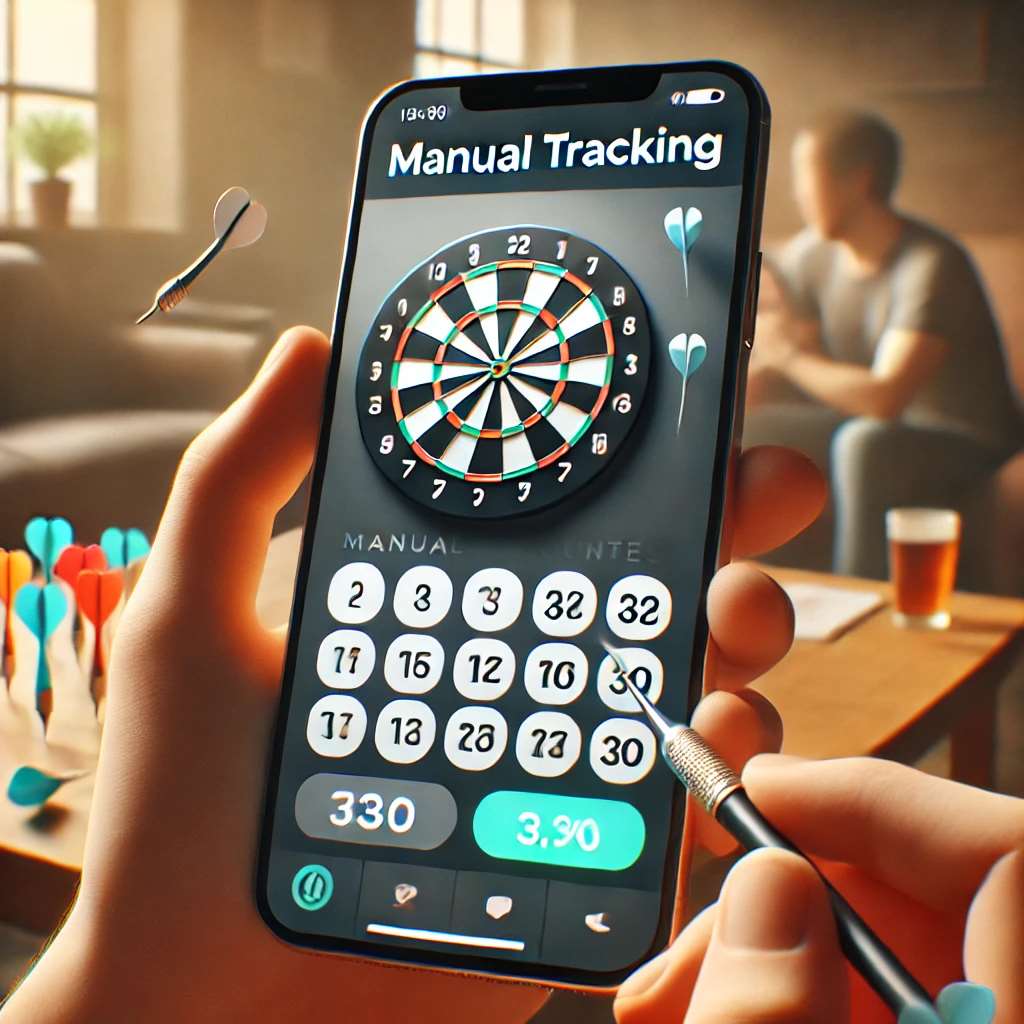
- Use a Reliable Method: Choose a scorekeeping method that works best for you and the group, whether it’s a manual scoreboard, a dart app, or an online tool.
- Double-Check Scores: After each turn, double-check the scores to ensure they are accurate. Correct any errors immediately to avoid further confusion.
- Communicate Clearly: Clearly announce each score and update the scoreboard promptly.
- Be Mindful of Rules: Always be aware of the specific rules of the game being played and how they impact scorekeeping.
Digital Tools for Streamlining Scorekeeping
In today’s digital age, several tools and apps can significantly streamline the scorekeeping process. These tools offer features like automatic score calculation, bust detection, and player statistics.
- DartConnect: A comprehensive dart scorekeeping app used in professional tournaments and leagues. It offers advanced features like online play, player profiles, and detailed statistics.
- My Dart Training: A user-friendly app for tracking scores and analyzing performance. It includes training drills and practice routines.
- Web-Based Scoreboards: Numerous websites provide virtual scoreboards for online games and practice sessions. These scoreboards often include customizable settings and real-time updates.
Handling Disputes and Ensuring Fair Play
Despite best efforts, disputes can sometimes arise during dart games. Knowing how to handle these situations fairly and effectively is crucial for maintaining a positive atmosphere.
- Review the Rules: Refer to the official rules of the game to clarify any ambiguities or disagreements.
- Consult with Other Players: If the rules are unclear, consult with other players to reach a consensus.
- Err on the Side of Caution: If there is any doubt about a score, it’s best to err on the side of caution and give the benefit of the doubt to the other player.
- Maintain a Positive Attitude: Approach disputes calmly and respectfully. Avoid getting into arguments or making accusations.

Practice Drills to Improve Scoring Accuracy
Improving your scoring accuracy is essential for excelling in any dart game. Incorporating regular practice drills into your routine can help you refine your technique and boost your confidence.
- Target Practice: Focus on hitting specific numbers and segments on the dartboard. Start with larger targets and gradually move to smaller ones.
- Checkout Drills: Practice common checkout combinations to improve your ability to finish games efficiently.
- Consistency Drills: Work on maintaining a consistent throwing motion and release point. This will help you reduce variability and improve accuracy.
Don’t forget, how to make darts fairer with handicap rules might be a good way to level the playing field if skill levels vary significantly.
Final Thoughts on Scorekeeping Different Dart Games
Mastering the art of scorekeeping different dart games is not just about following the rules; it’s about enhancing the overall darting experience. By understanding the nuances of each game and utilizing effective scorekeeping methods, you can ensure fair play, minimize disputes, and focus on improving your skills.

Whether you’re a casual player or a competitive enthusiast, taking the time to learn the intricacies of scorekeeping will undoubtedly elevate your game. Embrace the challenge, explore new games, and enjoy the camaraderie that darts brings. Now, grab your darts, gather your friends, and put your newfound knowledge into practice. Sharpen your skills by exploring **Basic Darts Fundamentals for Beginners**, and have fun hitting that bullseye!

Hi, I’m Dieter, and I created Dartcounter (Dartcounterapp.com). My motivation wasn’t being a darts expert – quite the opposite! When I first started playing, I loved the game but found keeping accurate scores and tracking stats difficult and distracting.
I figured I couldn’t be the only one struggling with this. So, I decided to build a solution: an easy-to-use application that everyone, no matter their experience level, could use to manage scoring effortlessly.
My goal for Dartcounter was simple: let the app handle the numbers – the scoring, the averages, the stats, even checkout suggestions – so players could focus purely on their throw and enjoying the game. It began as a way to solve my own beginner’s problem, and I’m thrilled it has grown into a helpful tool for the wider darts community.