Deciding between steel tip and soft tip darts hinges on the rules and regulations of your playing environment, as rule enforcement steel vs soft tip formats differ significantly. This article dives into the nuances of these differences, covering everything from dartboard materials and scoring systems to tournament standards and the factors influencing your choice.
⚠️ Still Using Pen & Paper (or a Chalkboard)?! ⚠️
Step into the future! The Dart Counter App handles all the scoring, suggests checkouts, and tracks your stats automatically. It's easier than you think!
Try the Smart Dart Counter App FREE!Ready for an upgrade? Click above!
Understanding the Core Differences: Rule Enforcement Steel vs Soft Tip
The most obvious difference between steel tip and soft tip darts lies, of course, in the tip itself. Steel tip darts feature a sharp, pointed metal tip designed to pierce a bristle dartboard. Soft tip darts, on the other hand, have a plastic tip engineered to register on an electronic dartboard filled with small holes. However, the distinctions extend far beyond just the tip.
Rule enforcement steel vs soft tip encompasses variations in scoring, board construction, and even the types of games commonly played. This all impacts the overall experience, and how seriously the game is taken.
Dartboard Materials and Construction
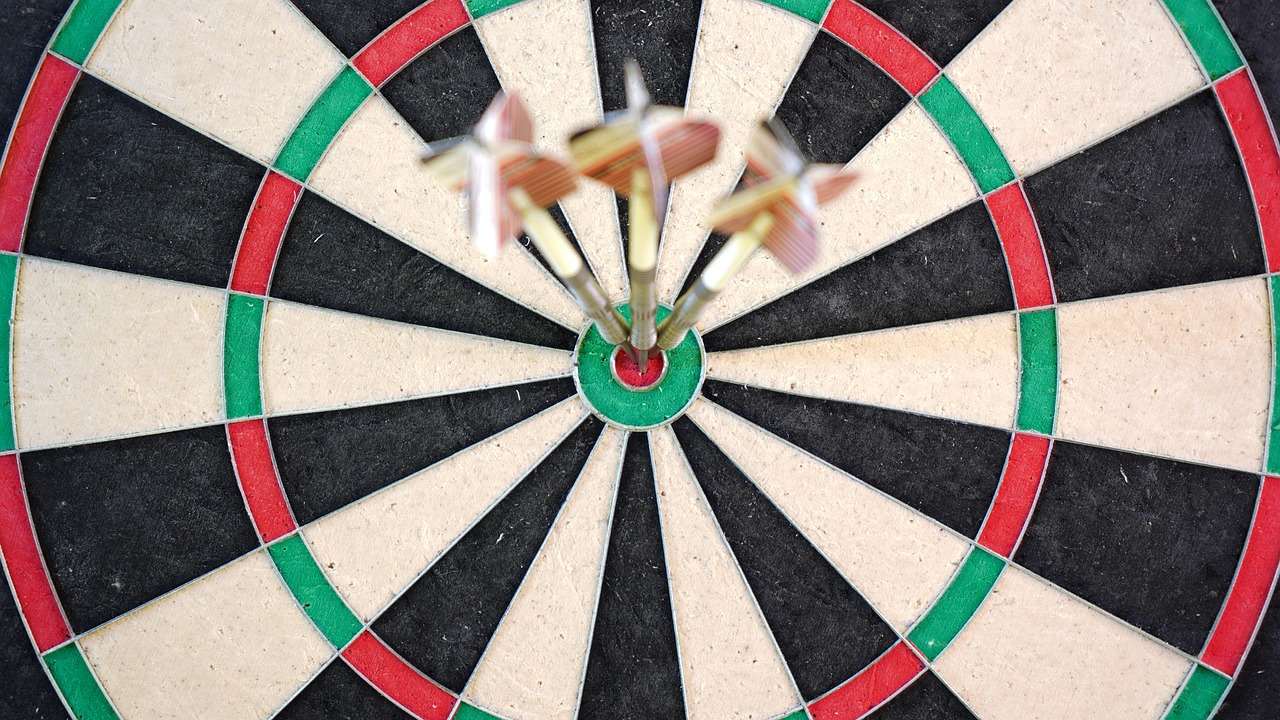
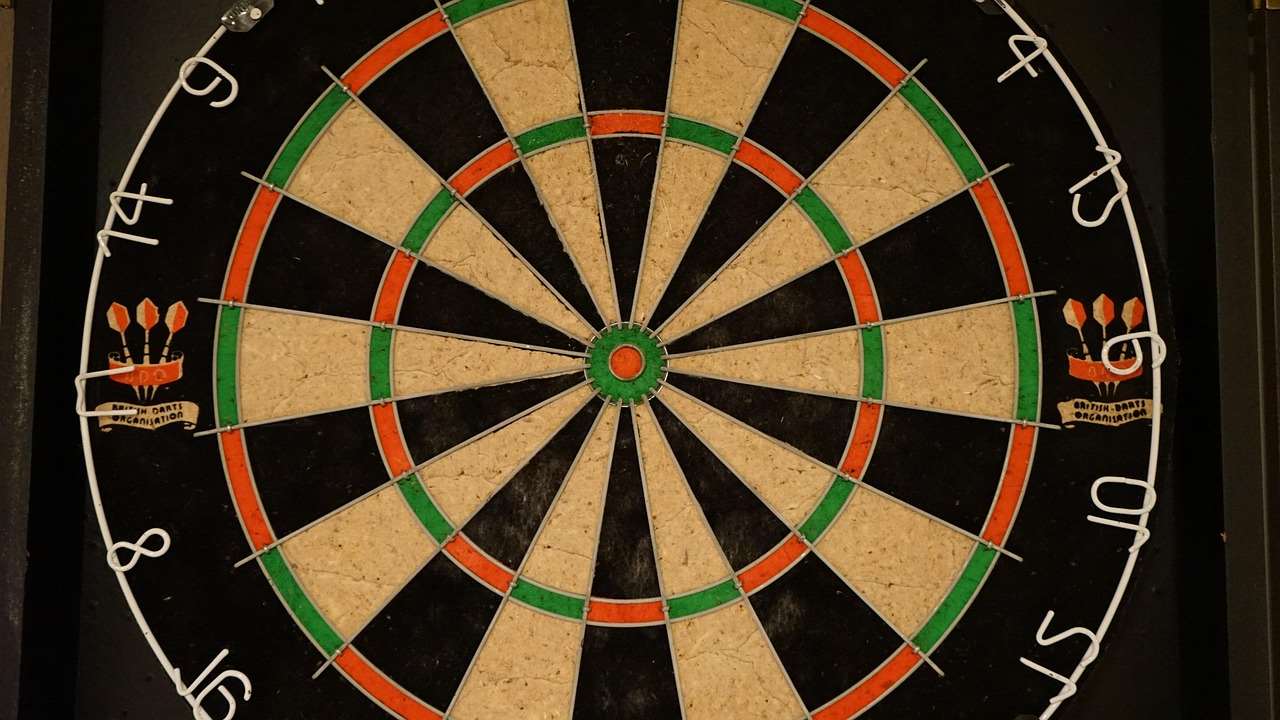
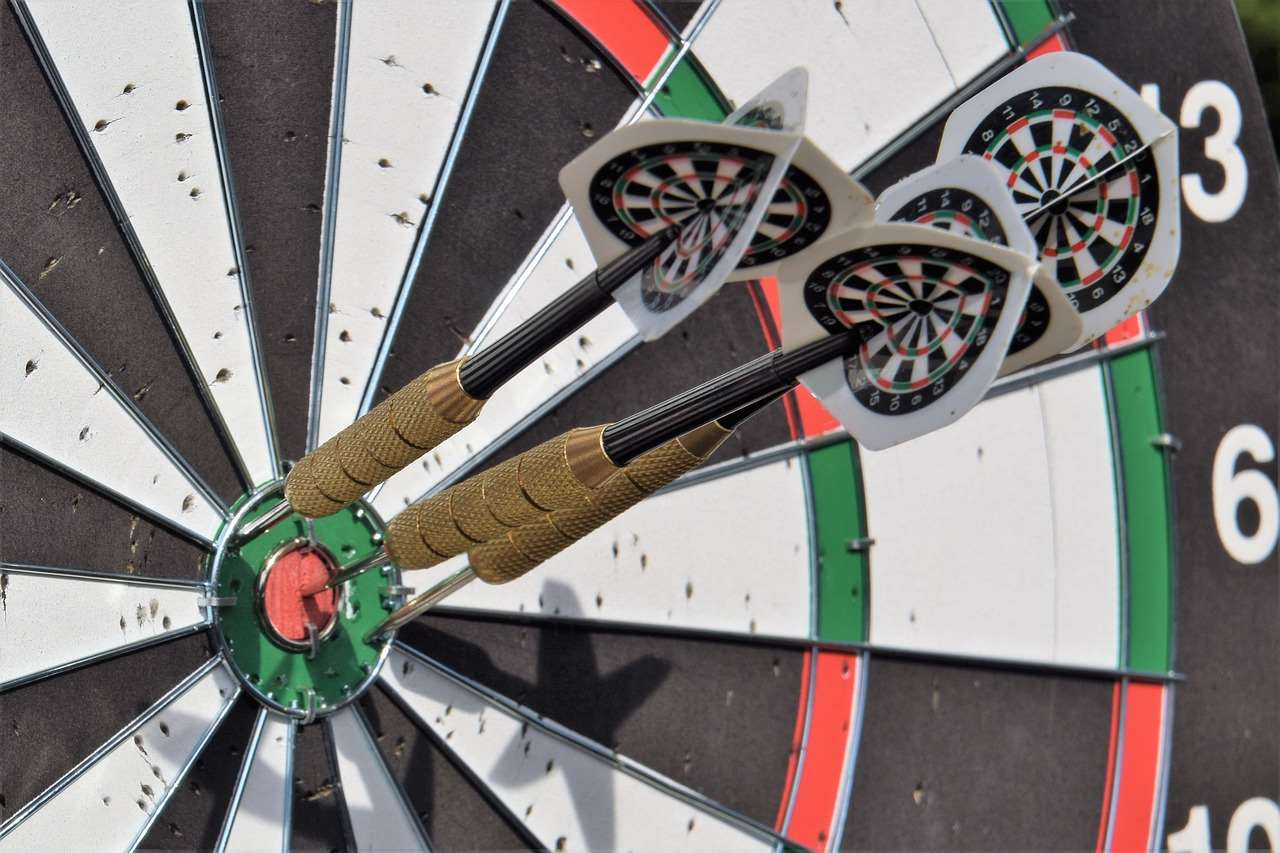
Steel tip dartboards are traditionally made from tightly packed sisal fibers. These fibers compress together to form a surface that’s durable and self-healing. When a steel tip dart is removed, the fibers naturally close, minimizing damage and extending the board’s lifespan. The board is divided by a wired framework into scoring sections. You’ll often hear the best boards referred to as “blade” boards due to the thinness of the wire reducing bounce outs.
Soft tip dartboards are electronic and constructed from plastic with numerous tiny holes. When a soft tip dart hits the board, the electronic sensors register the score automatically. This eliminates the need for manual scorekeeping, making the game more convenient and streamlined. Electronic boards often include features like automatic scoring, various game options, and even online connectivity for remote play.
Dart Weight and Dimensions
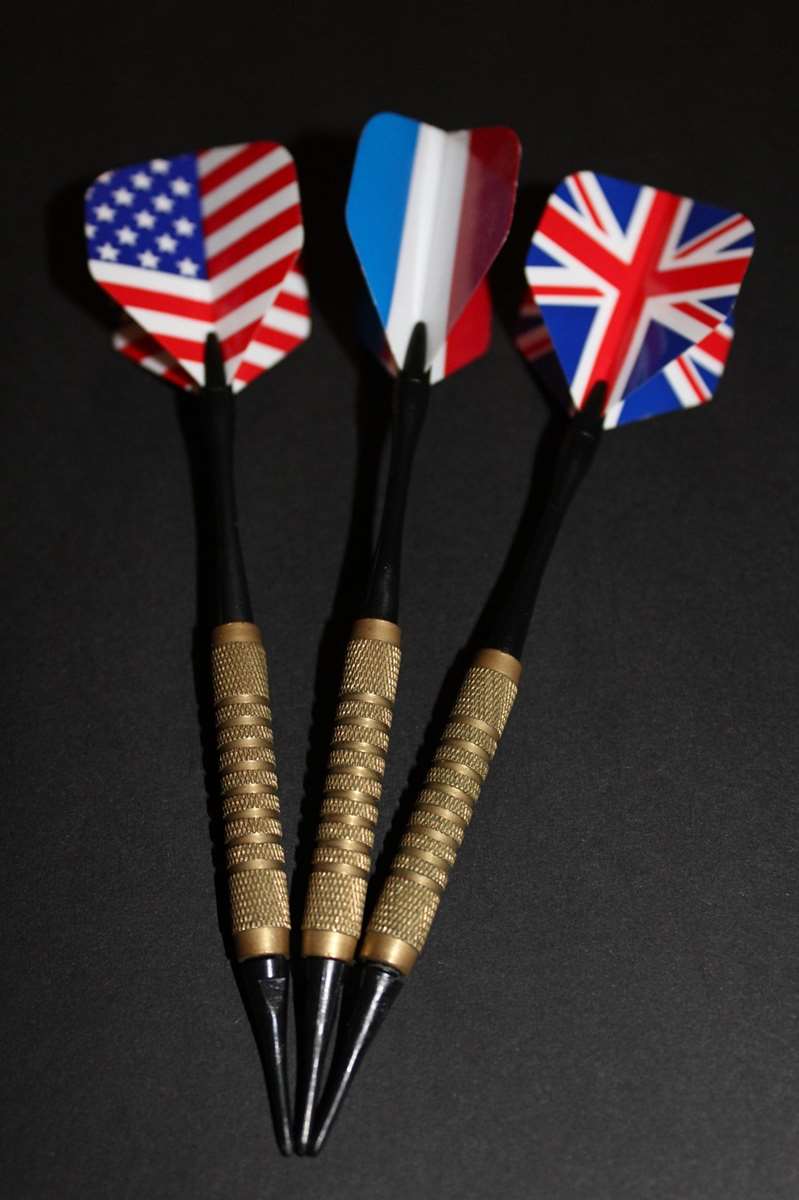
The weight and dimensions of darts also differ between the two types. Steel tip darts generally range in weight from 20 to 30 grams, although lighter and heavier options are available. There aren’t strict rules regarding dart length and barrel shape, allowing for considerable player preference. Some leagues have rules that need to be followed, however.
Soft tip darts, due to the fragility of the plastic tip and the nature of electronic boards, are typically lighter, usually weighing between 16 and 20 grams. Most leagues and electronic boards adhere to this range, or the board may not register the dart correctly. The lighter weight is designed to reduce wear and tear on the electronic board and ensure accurate scoring.
Scoring Systems and Rule Variations
While the basic principles of scoring are the same for both steel tip and soft tip darts (hitting specific sections to earn points), there are subtle but important differences in rule enforcement steel vs soft tip formats.
Steel Tip Scoring
In steel tip darts, scoring is typically done manually, with a designated scorer tracking each player’s progress. The standard game, 501, involves each player starting with a score of 501 and attempting to reduce it to zero. The final dart must land in a double or the bullseye to win. Hitting a single scores the number, a double scores double the number, a triple scores triple the number, and the bullseye scores 50. The outer ring of the bullseye is worth 25. Check out Simplified 501 game rules for novice players for more information.
- 501: Standard game, reduce score to zero.
- Cricket: Strategically claiming numbers by hitting them multiple times.
- Round the Clock: Hitting numbers in sequential order.
Soft Tip Scoring
Soft tip darts often utilizes electronic scoring, which automates the process of calculating scores and keeping track of each player’s progress. Many electronic dartboards offer a variety of game options, including 301 (a shorter version of 501), cricket, and various novelty games.
- Electronic Scoring: Automatic score calculation and tracking.
- Multiple Game Options: 301, cricket, and novelty games readily available.
- Handicap Systems: Leveling the playing field for players of different skill levels which is related to how to make darts fairer with handicap rules.
Tournament Standards and Regulations
When it comes to competitive play, tournament standards and regulations differ significantly between steel tip and soft tip darts. Understanding these differences is crucial for players who aspire to compete at higher levels.
Steel Tip Tournament Rules
Steel tip dart tournaments are governed by organizations like the Professional Darts Corporation (PDC) and the British Darts Organisation (BDO). These organizations set strict rules regarding dart weight, dartboard setup, and game format. Official dartboards must be mounted at a specific height (5 feet 8 inches to the bullseye) and distance (7 feet 9.25 inches from the oche, or throwing line).
Many different formats can be used during competition, but the general rules are the same regardless of which format is used.
Soft Tip Tournament Rules
Soft tip dart tournaments are governed by organizations like the Dartslive and the Professional Dart Association (PDA). While the core principles of the game remain the same, there are key differences in the regulations. Soft tip dartboards are typically mounted at a slightly lower height than steel tip dartboards, and the throwing distance is often shorter. There are many avenues to playing Soft Tip competitively as well. This is discussed further in Basic Darts Fundamentals for Beginners.
Each electronic board type has its own set of settings to control everything from the number of rounds, to starting point totals. Players are allowed to use any dart, so long as it weighs below the weight limit.
Choosing the Right Type: Factors to Consider
Deciding whether to play steel tip or soft tip darts depends on a variety of factors, including your personal preferences, playing environment, and competitive aspirations.
Personal Preferences
Some players prefer the traditional feel and sound of steel tip darts hitting a sisal dartboard. They enjoy the manual scoring and the challenge of calculating scores in their head. Other players prefer the convenience and technology of soft tip darts, with its automatic scoring and variety of game options. Some players appreciate the ability to play remotely via online connectivity. Think about which resonates more with you.
Playing Environment
The availability of dartboards is another important factor to consider. If you primarily play at home or in a pub that only has steel tip dartboards, then steel tip darts may be the obvious choice. Conversely, if you frequent establishments with electronic dartboards, soft tip darts may be more suitable. Space constrains may also be a factor, as explored in Adapting darts rules for small spaces: tips and tricks.
Noise can also be a factor. The sound of steel tip darts hitting a sisal board can be quite loud, which may be a concern in certain environments. Soft tip dartboards are generally quieter, making them a better option for noise-sensitive areas.
Competitive Aspirations
If you aspire to compete in professional dart tournaments, you’ll need to consider which type of darts is more prevalent in your region. In some countries, steel tip darts dominate the competitive scene, while in others, soft tip darts are more popular. Research the competitive landscape in your area to determine which type of darts offers the best opportunities for advancement. Also, if you’re wanting to encourage younger people, maybe by Adapting dart game rules for children is the way to go.
Maintenance and Longevity
Proper maintenance and care are essential for extending the lifespan of both steel tip and soft tip darts and dartboards.
Steel Tip Dart and Dartboard Care
Steel tip darts require regular sharpening to maintain their piercing ability. A dull tip can lead to bounce-outs and damage to the dartboard. Use a dart sharpener to keep the tips sharp and pointed. You should also clean the dartboard periodically to remove dust and debris. A soft brush or vacuum cleaner can be used for this purpose. Rotate the dartboard regularly to distribute wear evenly.
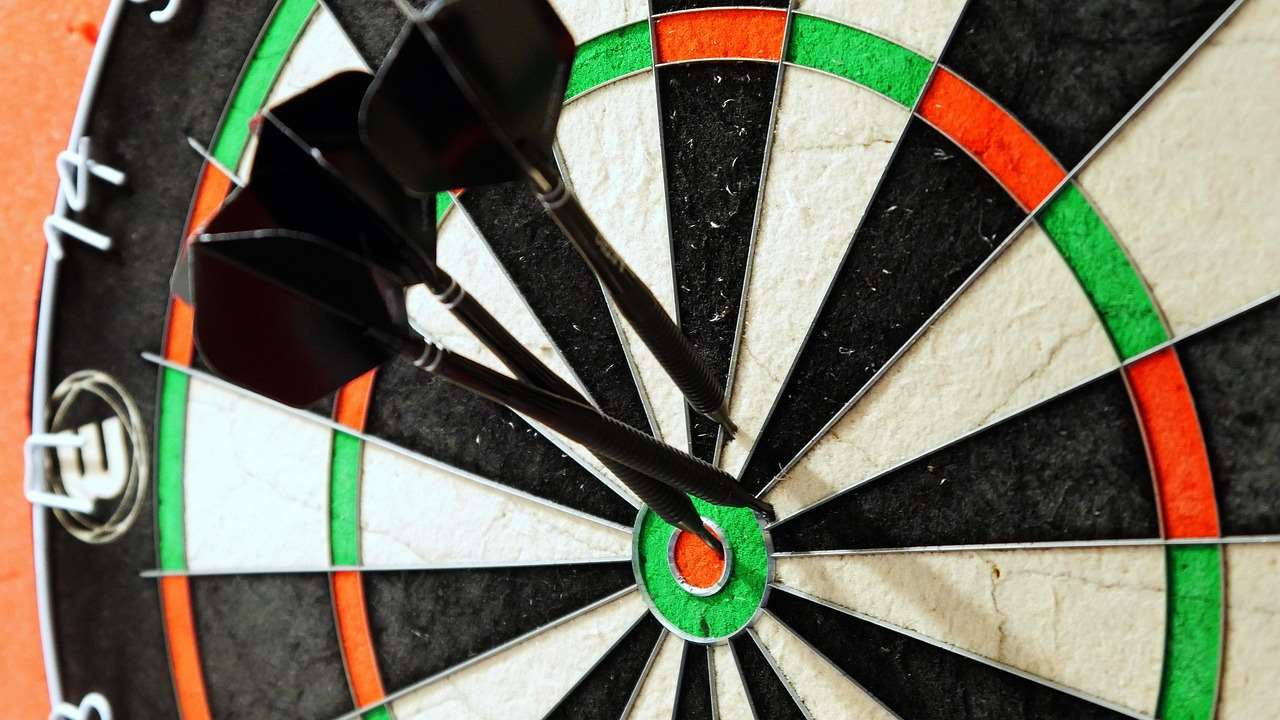
It’s important to remove embedded dart points from the board quickly and gently to minimize any damage to the sisal fibers.
Soft Tip Dart and Dartboard Care
Soft tip darts require occasional tip replacement. Plastic tips can break or become dull over time, affecting their ability to register on the electronic dartboard. Keep a supply of replacement tips on hand and replace them as needed. Clean the electronic dartboard regularly with a soft cloth to remove dust and debris. Avoid using harsh chemicals or abrasive cleaners, as these can damage the electronic components. Store the dartboard in a dry, temperature-controlled environment to prevent warping or damage to the electronic components.
Adapting the Game
Sometimes strict rule enforcement steel vs soft tip doesn’t meet your needs. Here are some common scenarios.
Adapting Darts for Parties
For parties and social gatherings, you might consider Creative dart rules for parties and social gatherings. Consider safety first; make sure the area around the dartboard is clear, and maybe set up a “safe zone.” Then, have fun with team games, or silly scoring.
Modifying Rules for Mixed Levels
If you’re playing with people of differing skill, think about Modifying rules for mixed-level dart players. You can adjust the starting score or give the lower-skilled player more darts per round. You could also let them play closer to the board.
Conclusion
Ultimately, the choice between rule enforcement steel vs soft tip darts depends on your individual needs and preferences. Steel tip darts offer a traditional and challenging experience, while soft tip darts provide convenience and technology. Consider your playing environment, competitive aspirations, and personal preferences when making your decision. Whether you choose steel tip or soft tip, remember to practice regularly, maintain your equipment, and most importantly, have fun! Why not try both and see which you prefer? And be sure to share this article with your friends to get their thoughts!

Hi, I’m Dieter, and I created Dartcounter (Dartcounterapp.com). My motivation wasn’t being a darts expert – quite the opposite! When I first started playing, I loved the game but found keeping accurate scores and tracking stats difficult and distracting.
I figured I couldn’t be the only one struggling with this. So, I decided to build a solution: an easy-to-use application that everyone, no matter their experience level, could use to manage scoring effortlessly.
My goal for Dartcounter was simple: let the app handle the numbers – the scoring, the averages, the stats, even checkout suggestions – so players could focus purely on their throw and enjoying the game. It began as a way to solve my own beginner’s problem, and I’m thrilled it has grown into a helpful tool for the wider darts community.