The most significant rule differences amateur pro darts players experience often revolve around tournament regulations, equipment standards, and the sheer intensity of competition; essentially, professional darts demands a higher level of precision and adherence to stringent guidelines. In this article, we’ll explore the key distinctions between amateur and professional darts, covering everything from official regulations and equipment to the mental game and the pressure of performing on a global stage.
⚠️ Still Using Pen & Paper (or a Chalkboard)?! ⚠️
Step into the future! The Dart Counter App handles all the scoring, suggests checkouts, and tracks your stats automatically. It's easier than you think!
Try the Smart Dart Counter App FREE!Ready for an upgrade? Click above!
Key Rule Differences Amateur Pro Darts Players Encounter
While the fundamental objective of darts remains the same regardless of skill level – reducing your score to zero from a starting point (usually 501 or 301) – the environment and regulations surrounding the game undergo a significant transformation when you step into the professional arena. Understanding these rule differences amateur pro darts players face is crucial for anyone aspiring to compete at the highest level. Let’s break down some of the most notable distinctions:
Tournament Regulations and Governing Bodies
Amateur darts often involves local leagues or casual games with flexible rules. However, professional darts is governed by organizations like the Professional Darts Corporation (PDC) and the World Darts Federation (WDF). These bodies enforce strict regulations regarding:
- Tournament formats: Professional tournaments typically follow established formats, such as knockout rounds or round-robin stages.
- Code of conduct: Players are expected to maintain a professional demeanor and adhere to ethical standards.
- Dress code: Most professional tournaments have specific dress code requirements, often involving collared shirts, trousers, and appropriate footwear.
- Anti-doping policies: Professional players are subject to drug testing to ensure fair play.
Failing to comply with these regulations can result in penalties, including fines, suspensions, or even disqualification.
Equipment Specifications and Standards
While amateur players might use any darts that feel comfortable, professional players must adhere to strict equipment specifications. The official weight and dimensions of darts and dartboards are tightly controlled. These regulations often include:
- Dart weight: Professional darts usually have a maximum weight limit of 50 grams.
- Dart length: There are typically restrictions on the maximum length of the dart.
- Dartboard material: The material and construction of the dartboard must conform to specific standards.
- Dartboard setup: The height and distance of the dartboard are precisely defined to ensure fairness and consistency. You can also find more information about the Basic Darts Fundamentals for Beginners in our other article.
Professional players often customize their darts within these limits to suit their individual throwing styles.
The Impact of Pressure and Mental Game
Beyond the formal regulations, the psychological aspects of the game represent a significant differentiator between amateur and pro darts. The pressure to perform under the spotlight, the weight of expectations, and the mental fortitude required to overcome setbacks are all amplified in the professional arena.
Performing Under Pressure
Amateur darts is often played in a relaxed and informal setting. In contrast, professional darts involves competing in front of large crowds, television cameras, and intense scrutiny. The pressure to perform at a high level can be immense, and players must develop strategies for managing nerves and maintaining focus.
Mental Toughness and Resilience
The ability to bounce back from missed opportunities, handle heckling, and maintain composure under pressure is crucial for success in professional darts. Players need to cultivate mental toughness and resilience to navigate the ups and downs of competition. This mental game is often honed over years of experience and dedicated practice. You can also improve your skills by Adapting darts rules for beginners, and learning more about them in our article on Adapting darts rules for beginners.
Financial Stakes and Career Considerations
The financial implications of playing darts also differ significantly between amateur and professional levels.
Prize Money and Sponsorships
Amateur players typically play for trophies, bragging rights, or small cash prizes. Professional players, on the other hand, compete for substantial prize money in tournaments. Successful players can also secure lucrative sponsorship deals with dart manufacturers, clothing brands, and other companies. Prize money and sponsorships provide a significant source of income for professional players.
Career Development and Professionalism
For amateur players, darts is typically a hobby or recreational activity. Professional players treat darts as a full-time career, dedicating countless hours to practice, travel, and competition. Building a successful career in darts requires dedication, discipline, and a commitment to continuous improvement.
Navigating the Rule Differences Amateur Pro Darts
Transitioning from amateur to professional darts requires a significant adjustment in mindset, preparation, and approach to the game. Here are some practical tips for aspiring professional players:
Familiarize Yourself with the Rules and Regulations
Thoroughly research and understand the specific rules and regulations of the professional organizations you aspire to join, such as the PDC or WDF. Pay close attention to equipment specifications, tournament formats, and code of conduct guidelines. Understanding the rules is paramount for compliance and avoiding penalties. Consider how you can practice your skills with Simplified 501 game rules for novice players, for example, as discussed in Simplified 501 game rules for novice players.
Invest in Quality Equipment
Invest in high-quality darts that meet professional standards and suit your throwing style. Experiment with different weights, shapes, and materials to find the optimal setup. Ensure that your dartboard meets the official specifications and is properly mounted. Consistent practice with quality equipment is essential for developing accuracy and consistency.
Develop Mental Toughness and Resilience
Work on developing your mental game through techniques such as visualization, positive self-talk, and mindfulness. Practice staying calm and focused under pressure. Learn to manage nerves and bounce back from setbacks. Consider seeking guidance from a sports psychologist to enhance your mental skills. Building up the right mental toughness is key to becoming a successful professional darts player.
Seek Coaching and Mentorship
Consider working with an experienced darts coach who can provide personalized guidance and feedback. A coach can help you identify areas for improvement, refine your technique, and develop a winning strategy. Seek out mentorship from established professional players who can share their insights and experiences. Having a coach is a great way to help you improve your game.

Practice Consistently and Strategically
Dedicate ample time to practice, focusing on both quantity and quality. Practice different scoring scenarios, such as finishing combinations and checkouts. Practice throwing under pressure by simulating tournament conditions. Develop a strategic approach to the game, considering factors such as opponent tendencies and game formats. Using creative dart rules for parties and social gatherings may not prepare you for the pro scene, but it can enhance your game, as described in creative dart rules for parties and social gatherings article.
Detailed Breakdown of Key Rule Differences Amateur Pro Darts
To further clarify the distinctions, let’s examine some specific areas where the rules differ significantly:
Dress Code
Amateur: Casual attire is generally acceptable.
Professional: Specific dress codes are typically enforced, including collared shirts, trousers, and appropriate footwear (no jeans, shorts, or trainers). Some tournaments may have sponsor-related branding requirements.
Dartboard Setup
Amateur: May vary depending on the venue.
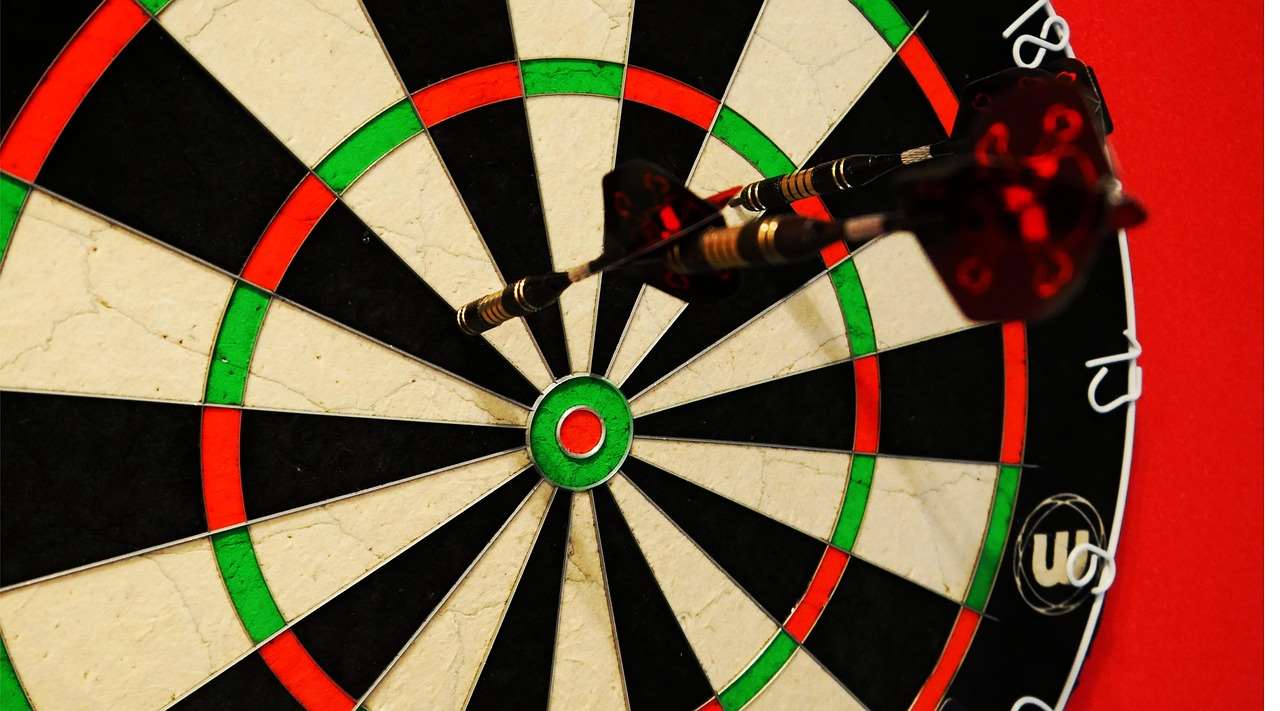
Professional: Dartboard height is precisely 5 feet 8 inches (1.73 meters) to the center of the bullseye. The oche (throwing line) is 7 feet 9.25 inches (2.37 meters) from the face of the dartboard.
Scoring System
Amateur: Generally follows standard 501 or 301 rules.
Professional: Standard 501 rules apply, but tournaments often have specific formats, such as legs or sets, to determine the winner. Players must finish on a double or the bullseye.
Match Format
Amateur: Varies widely depending on the league or competition.
Professional: Matches typically consist of a set number of legs or sets, with the winner being the first to reach a predetermined threshold. For example, a match might be best-of-five sets, with each set being best-of-five legs.
Conduct
Amateur: Generally relaxed and informal.
Professional: Strict code of conduct is enforced, prohibiting unsportsmanlike behavior, abusive language, and other forms of misconduct.
Adapting to the Demands of Pro Darts
Becoming a professional darts player requires more than just throwing skill. It demands commitment, professionalism, and a willingness to adapt to the unique challenges and expectations of the pro circuit. Mastering the rule differences amateur pro darts players have to adhere to is a huge step in the right direction.
Practice Under Pressure
One of the biggest adjustments for amateur players entering the professional ranks is the ability to perform under pressure. Practice simulating tournament conditions to get used to the added stress and scrutiny. This could involve having friends or family watch you play and provide commentary, or even recording yourself playing to identify areas where you tend to falter under pressure. Experiment with how to make darts fairer with handicap rules so you can improve your game. You can learn more by viewing our guide on how to make darts fairer with handicap rules.
Travel and Logistics
Professional darts often involves extensive travel to tournaments around the world. Players need to be prepared to spend long periods away from home and manage the logistical challenges of travel, accommodation, and equipment transportation. Developing a solid travel routine and packing efficiently can help minimize stress and ensure you’re always prepared for your next match. Adapting darts rules for small spaces: tips and tricks may help with your routine, as described in Adapting darts rules for small spaces: tips and tricks.
Media and Public Relations
Professional darts players are often subject to media attention and public scrutiny. Learning how to handle interviews, interact with fans, and maintain a positive public image is an important part of being a pro. Consider taking a public speaking course or working with a media coach to develop these skills.
Conclusion
Understanding the rule differences amateur pro darts is crucial for anyone aspiring to compete at the highest level. From stringent tournament regulations and equipment standards to the immense pressure of performing on a global stage, the transition from amateur to professional darts demands a significant adjustment in mindset, preparation, and approach to the game. By familiarizing yourself with the rules, investing in quality equipment, developing mental toughness, seeking coaching, and practicing strategically, you can increase your chances of success in the professional arena. Now that you know what it takes, are you ready to take your darts game to the next level? Start practicing today and see how far you can go!

Hi, I’m Dieter, and I created Dartcounter (Dartcounterapp.com). My motivation wasn’t being a darts expert – quite the opposite! When I first started playing, I loved the game but found keeping accurate scores and tracking stats difficult and distracting.
I figured I couldn’t be the only one struggling with this. So, I decided to build a solution: an easy-to-use application that everyone, no matter their experience level, could use to manage scoring effortlessly.
My goal for Dartcounter was simple: let the app handle the numbers – the scoring, the averages, the stats, even checkout suggestions – so players could focus purely on their throw and enjoying the game. It began as a way to solve my own beginner’s problem, and I’m thrilled it has grown into a helpful tool for the wider darts community.