Round wire dartboards are a popular choice, offering a traditional playing experience at a more accessible price point, using rounded metal wires to separate the scoring segments. This article dives deep into round wire dartboards explained, exploring their construction, advantages, disadvantages, and how they compare to other dartboard types, ultimately helping you decide if one is right for your game.
⚠️ Still Using Pen & Paper (or a Chalkboard)?! ⚠️
Step into the future! The Dart Counter App handles all the scoring, suggests checkouts, and tracks your stats automatically. It's easier than you think!
Try the Smart Dart Counter App FREE!Ready for an upgrade? Click above!
Understanding Round Wire Dartboards Explained
When considering a dartboard, the wiring system is a crucial factor. Round wire dartboards have been a mainstay in the sport for years, and understanding their design is the first step to appreciating their strengths and weaknesses. The key characteristic, as the name suggests, is the use of rounded wires to delineate the scoring areas. These wires are typically embedded in the sisal fibers of the dartboard.
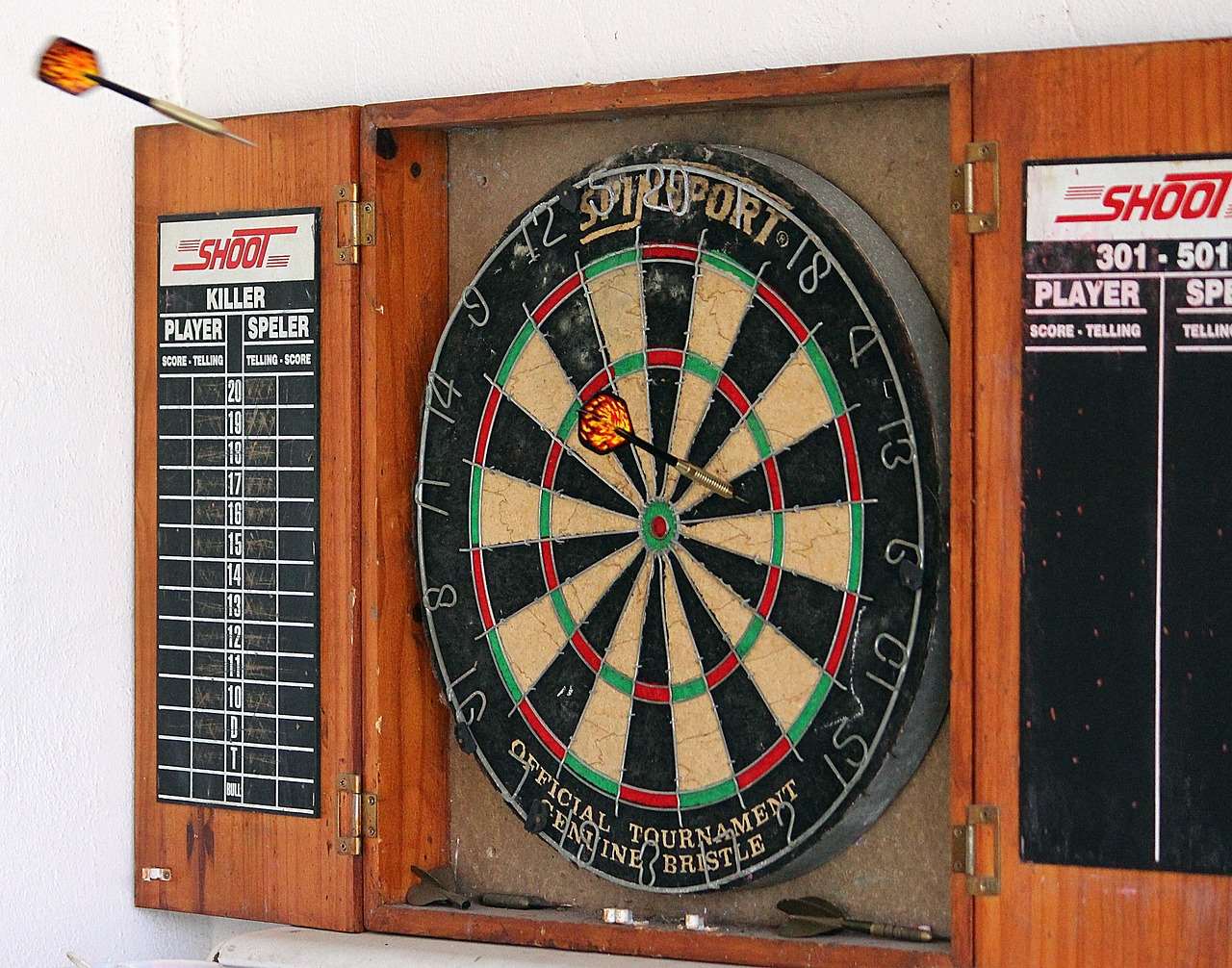
Unlike blade wire dartboards, where the wires are thin and sharp, reducing bounce-outs, the round wire design is thicker and more rounded. This means that darts are more likely to hit the wire and deflect away from the target area, resulting in a missed score.
The Construction of a Round Wire Dartboard
A typical round wire dartboard consists of the following components:
- Sisal Fibers: The main body of the board, made from tightly packed sisal fibers, provides the surface for the darts to stick into.
- Round Wires: These wires, typically made of steel, are embedded in the sisal and form the boundaries between the different scoring zones (20, 1, 18, etc.).
- Number Ring: A rotating ring around the edge of the board displays the numbers corresponding to each scoring section. Rotating the number ring helps to evenly distribute wear and tear on the board.
- Bullseye: The central point of the board, often divided into a single bull (25 points) and a double bull (50 points).
- Backing: A solid backing, usually made of wood or fiberboard, provides structural support for the dartboard.
Advantages and Disadvantages of Round Wire Dartboards
Like any dartboard, round wire dartboards have their pros and cons. Evaluating these factors can help you determine if they’re the right choice for you.
Advantages:
- Affordability: Round wire dartboards are generally more affordable than blade wire dartboards. This makes them a great option for beginners or casual players on a budget.
- Durability: While not as bounce-out resistant as blade wire boards, round wire dartboards are still quite durable and can withstand a good amount of use, especially if properly maintained. Regular rotation of the number ring, as discussed in Choose Best Dart Equipment, is a crucial aspect of maintaining the board.
- Traditional Feel: Many players prefer the traditional look and feel of round wire dartboards. The rounded wires provide a classic aesthetic that some find more appealing.
Disadvantages:
- Higher Bounce-Out Rate: The primary disadvantage is the higher frequency of bounce-outs. The rounded wires deflect darts more easily than thinner, bladed wires, leading to missed scores and frustration.
- Less Scoring Area: The thicker wires reduce the surface area of the scoring zones, making it slightly harder to hit your target accurately.
Round Wire vs. Blade Wire Dartboards: A Head-to-Head Comparison
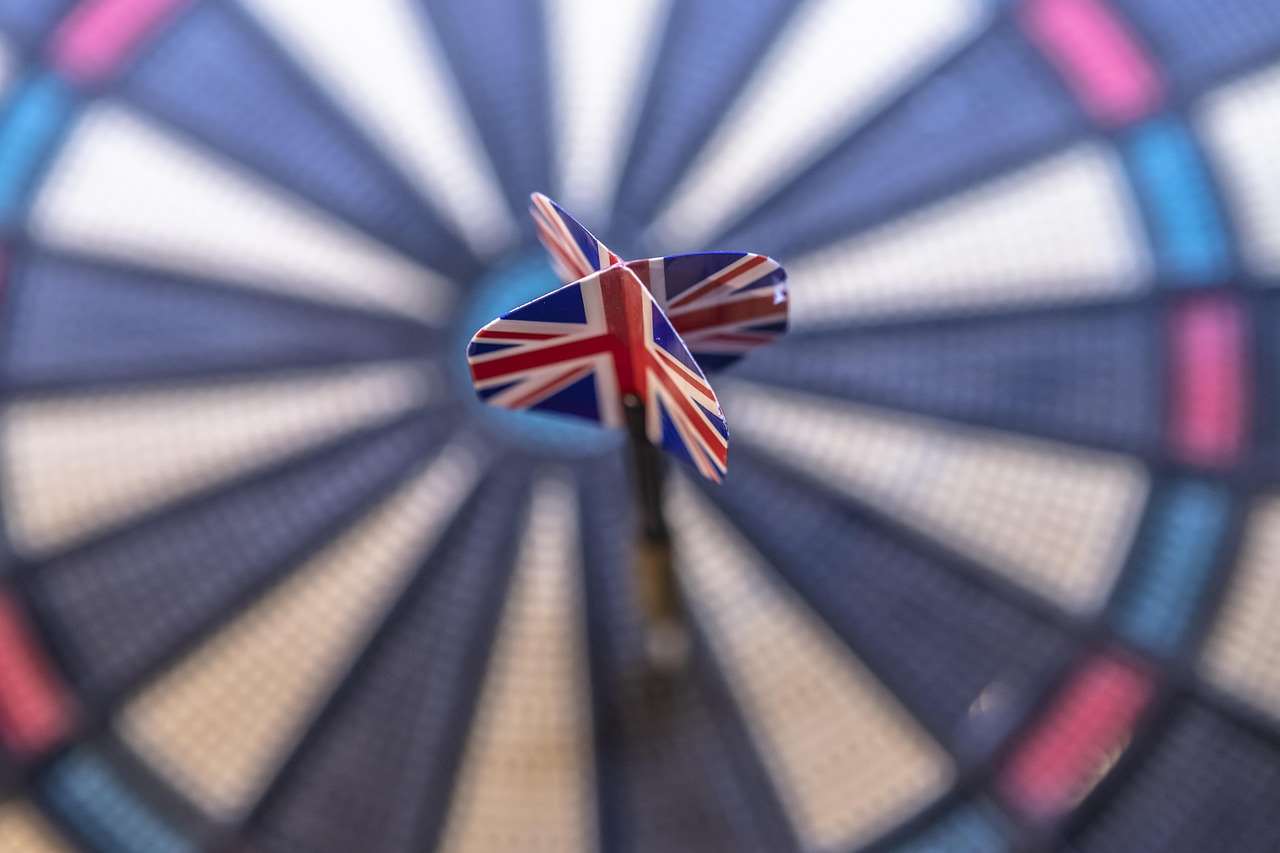
The biggest alternative to round wire dartboards are blade wire dartboards. Understanding the key differences is crucial for making an informed purchase.
Blade Wire Dartboards
Blade wire dartboards feature thin, sharp wires that are embedded in the sisal at a much shallower angle than round wire systems. This design dramatically reduces the chances of bounce-outs, as the darts are more likely to slide along the wire and into the scoring segment.
Key Differences:
- Wire Thickness: Blade wires are significantly thinner than round wires.
- Bounce-Out Rate: Blade wire boards have a much lower bounce-out rate.
- Scoring Area: Blade wires maximize the scoring area by minimizing the wire thickness.
- Price: Blade wire dartboards are generally more expensive.
- Durability: Good quality blade wire dartboards can be just as, if not more, durable than round wire boards, depending on the quality of sisal used.
Maintaining Your Round Wire Dartboard
Proper maintenance is essential for extending the life of your round wire dartboard and ensuring optimal performance. Here are some tips:
- Rotate the Number Ring: Regularly rotate the number ring to evenly distribute wear and tear on the sisal fibers. This prevents specific sections from becoming overly worn and compressed.
- Moisten the Sisal: Periodically moisten the sisal fibers with a spray bottle of water to keep them from drying out and becoming brittle. Do not over-saturate the board. A light misting is all that is needed.
- Remove Darts Carefully: Always remove darts by twisting them slightly as you pull them out. This helps prevent damage to the sisal fibers.
- Avoid Direct Sunlight: Keep your dartboard out of direct sunlight, as this can cause the sisal to dry out and fade.
- Use a Dartboard Surround: A dartboard surround will protect your walls from stray darts and can also help to dampen the sound of the darts hitting the board.
Choosing the Right Darts for Your Round Wire Dartboard
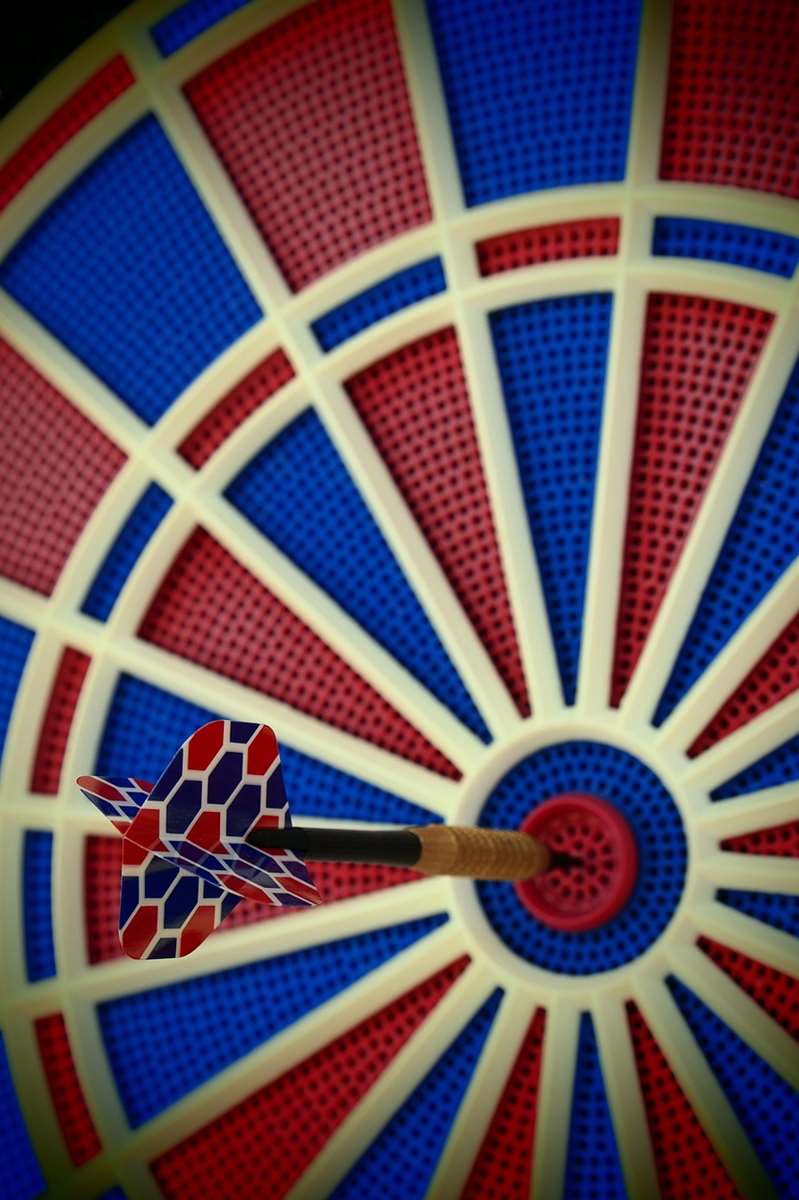
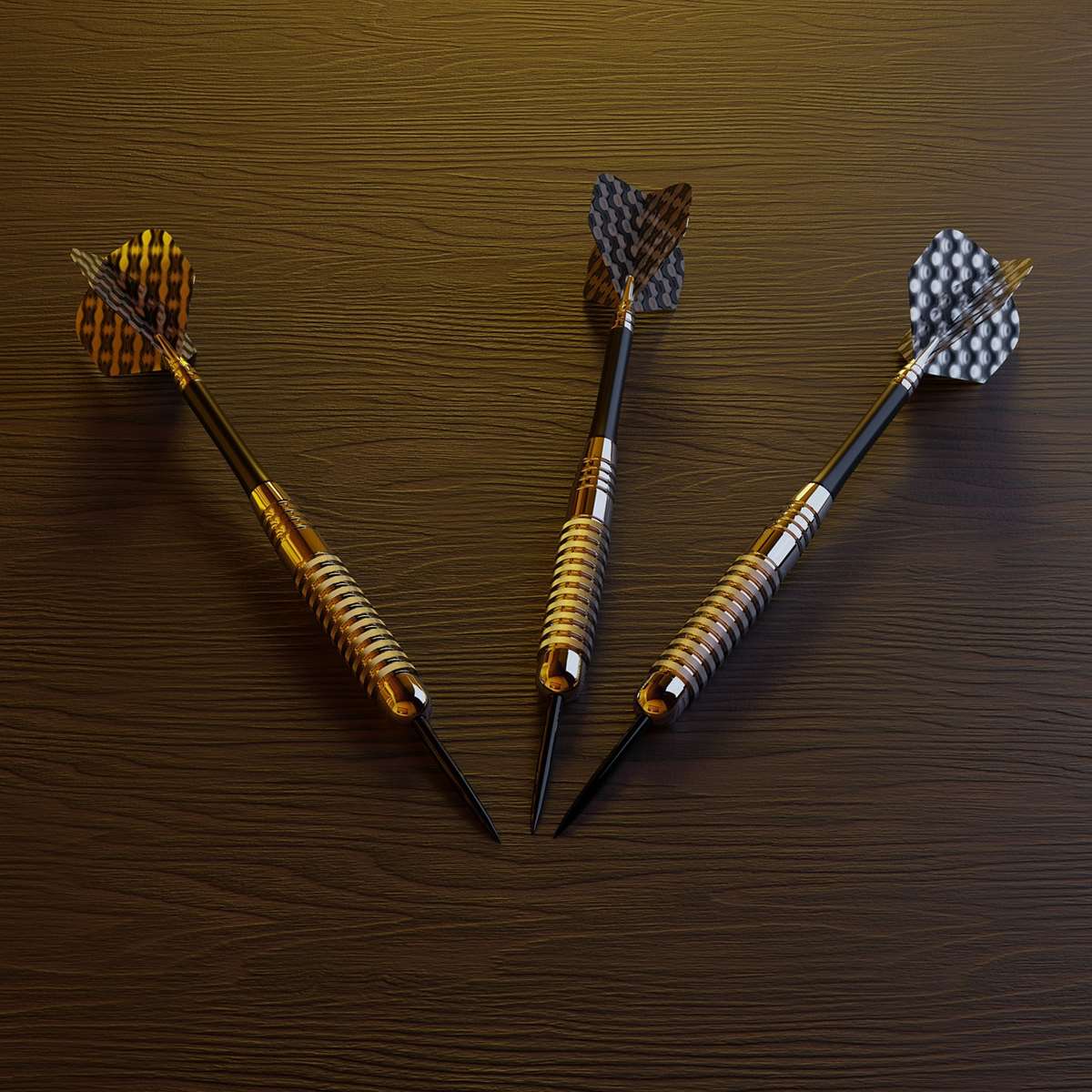
The type of darts you use can also impact your experience with a round wire dartboard. Here are some considerations:
- Weight: Experiment with different dart weights to find what feels most comfortable and accurate for you. Heavier darts may be less prone to bounce-outs, but lighter darts may be easier to control.
- Grip: Choose darts with a grip that suits your throwing style. Some grips are more aggressive than others.
- Flights and Shafts: The flights and shafts of your darts can also affect their trajectory and stability. Experiment with different shapes and lengths to find what works best for you.
- Points: While less directly related to round wire systems, the point type is important for general performance.
Are Round Wire Dartboards Still Relevant Today?
Despite the popularity of blade wire dartboards, round wire dartboards still hold a place in the market. They remain a viable option for:
- Beginners: The lower cost makes them an attractive entry point into the sport.
- Casual Players: For recreational players who aren’t overly concerned with maximizing their scores, the lower price and traditional feel can be appealing.
- Practice Boards: Some players use round wire dartboards as practice boards, accepting the higher bounce-out rate as a way to improve their accuracy.

Improving Your Game on a Round Wire Dartboard
While you can’t eliminate bounce-outs entirely on a round wire dartboard, you can take steps to minimize them and improve your overall game:
- Focus on Accuracy: The key is to aim precisely for the center of each segment. The more accurately you throw, the less likely you are to hit the wire.
- Consistent Throwing Technique: Develop a consistent throwing technique that minimizes wobble and ensures your darts fly straight.
- Proper Lighting: Ensure your dartboard is properly lit, as discussed in How To Light Your Dartboard, to improve your visibility and accuracy. Adequate lighting, such as using Best Dartboard Lighting Systems, can drastically improve performance.
- Practice Regularly: The more you practice, the better you’ll become at hitting your target, regardless of the type of dartboard you’re using.
Where to Buy Round Wire Dartboards
Round wire dartboards are widely available at sporting goods stores, online retailers, and dartboard specialty shops. When choosing a dartboard, consider the quality of the sisal fibers, the construction of the wires, and the overall durability of the board. Reading reviews from other customers can also be helpful.
Remember to also consider accessories like dartboard surrounds and lighting systems to enhance your playing experience. Don’t forget to explore options for Optimal Dartboard Lighting Solutions Guide to maximize your accuracy.
Round Wire Dartboards Explained: Conclusion
In conclusion, round wire dartboards explained offer an affordable and traditional entry point into the world of darts. While they may have a higher bounce-out rate compared to blade wire dartboards, they remain a viable option for beginners, casual players, and those on a budget. By understanding their construction, advantages, and disadvantages, and by following proper maintenance and playing techniques, you can enjoy a rewarding dart-playing experience. If you’re looking to improve your setup, consider exploring LED Dartboard Lights Benefits to enhance your visibility. Now that you have a comprehensive understanding of round wire dartboards, go out there and start throwing!

Hi, I’m Dieter, and I created Dartcounter (Dartcounterapp.com). My motivation wasn’t being a darts expert – quite the opposite! When I first started playing, I loved the game but found keeping accurate scores and tracking stats difficult and distracting.
I figured I couldn’t be the only one struggling with this. So, I decided to build a solution: an easy-to-use application that everyone, no matter their experience level, could use to manage scoring effortlessly.
My goal for Dartcounter was simple: let the app handle the numbers – the scoring, the averages, the stats, even checkout suggestions – so players could focus purely on their throw and enjoying the game. It began as a way to solve my own beginner’s problem, and I’m thrilled it has grown into a helpful tool for the wider darts community.