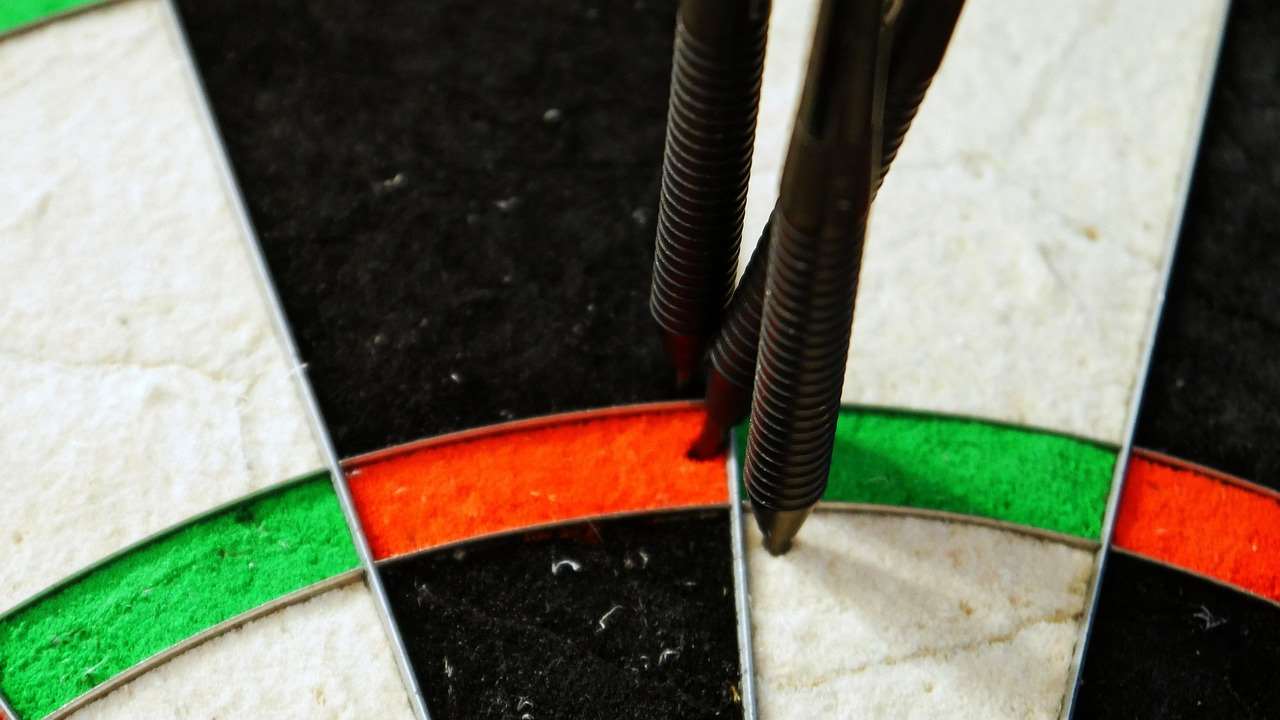
A bent dart point is a common issue, but thankfully, **repairing bent dart points** is usually a straightforward process involving tools like pliers, dart point re-pointing tools, or even a simple sharpening stone to restore them to their original shape and sharpness. This article explores several methods for fixing bent dart points, ensuring you can get back to your game quickly and efficiently and even Choose Best Dart Equipment for you and your needs.
⚠️ Still Using Pen & Paper (or a Chalkboard)?! ⚠️
Step into the future! The Dart Counter App handles all the scoring, suggests checkouts, and tracks your stats automatically. It's easier than you think!
Try the Smart Dart Counter App FREE!Ready for an upgrade? Click above!
Why Dart Points Bend and Why It Matters
Before diving into **repairing bent dart points**, it’s crucial to understand why they bend in the first place. The most common reason is repeated impact with the dartboard, especially if the board is particularly hard. Dropping darts on hard surfaces is another frequent culprit. The metal used in dart points, while durable to a degree, isn’t impervious to deformation. If you want to learn about Quality Comparison Budget Premium Darts, read more here.
Ignoring bent dart points can lead to several problems:
- Poor Dartboard Adhesion: Bent points don’t enter the dartboard straight, leading to bounce-outs and lower scores.
- Damage to the Dartboard: Angled entry tears the fibers of the dartboard, shortening its lifespan.
- Inconsistent Throwing: Even slight bends can alter the dart’s trajectory and affect your accuracy.
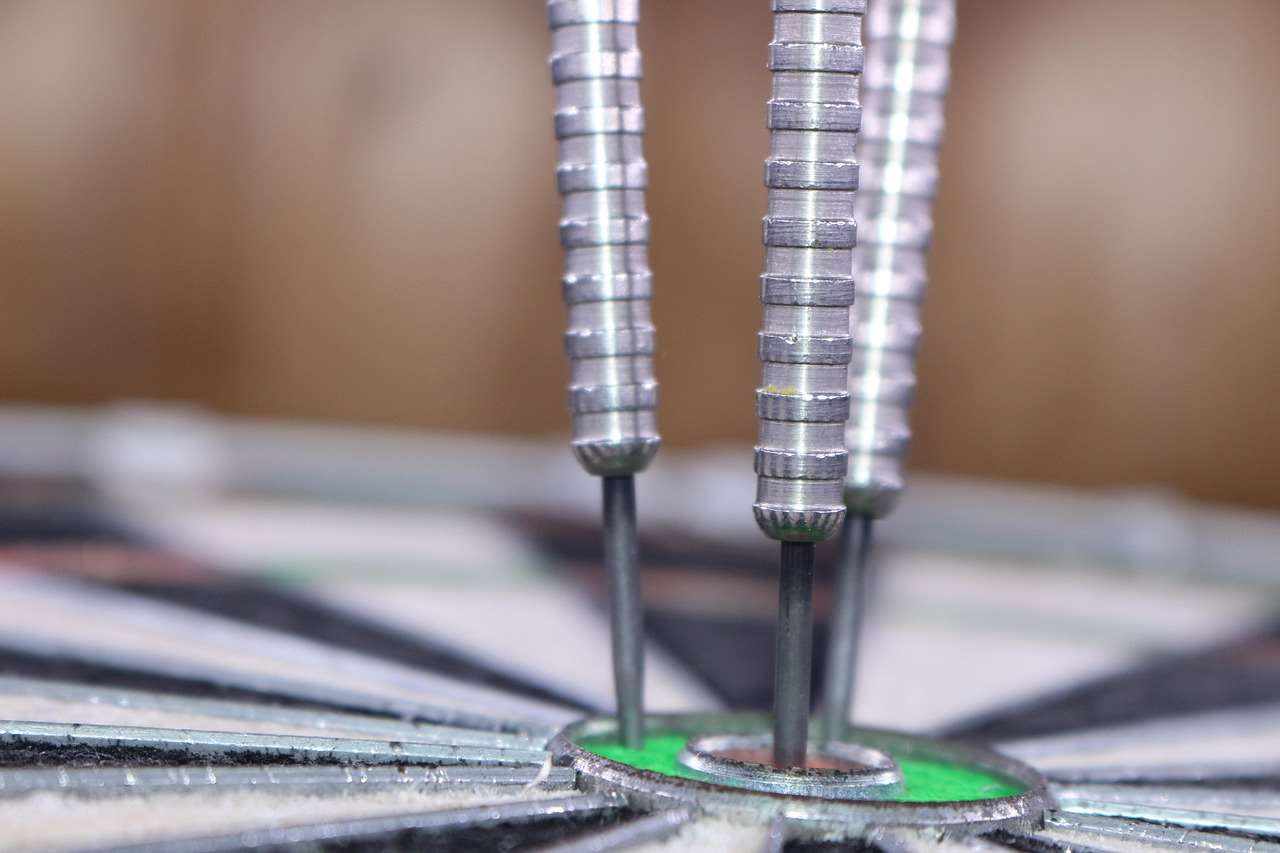
Methods for Repairing Bent Dart Points
Several methods exist for **repairing bent dart points**, each with its pros and cons. The best approach depends on the severity of the bend and the tools you have available.
Using Pliers for Minor Bends
For slight bends, a pair of pliers can be surprisingly effective. Here’s how:
- Secure the Dart: Hold the dart firmly in your non-dominant hand. Consider using a soft cloth to protect the dart barrel from scratches.
- Grip the Point: Using the pliers, gently grip the bent portion of the dart point as close to the bend as possible.
- Apply Gentle Pressure: Carefully bend the point back into alignment. Avoid excessive force, as this can weaken or even break the point.
- Check for Straightness: Visually inspect the point to ensure it’s straight. Repeat the process if necessary.
Important Tip: Use needle-nose pliers for greater precision and control. Avoid using pliers with serrated jaws, as they can damage the dart point’s surface.
Utilizing a Dart Point Re-Pointing Tool
A dart point re-pointing tool is a specialized device designed specifically for **repairing bent dart points** and replacing them if needed. It offers a more controlled and precise method than using pliers.
Here’s how to use one:
- Insert the Dart Point: Insert the bent dart point into the appropriate slot in the re-pointing tool. Most tools have different sized slots for various point diameters.
- Apply Pressure: Follow the tool’s instructions (usually involving turning a handle or lever) to straighten the point.
- Inspect and Repeat: Remove the dart and inspect the point. Repeat the process as needed until the point is straight.
Re-pointing tools are a great investment if you frequently encounter bent dart points or want to Investing In Premium Dart Equipment. They offer greater accuracy and reduce the risk of damaging your darts.
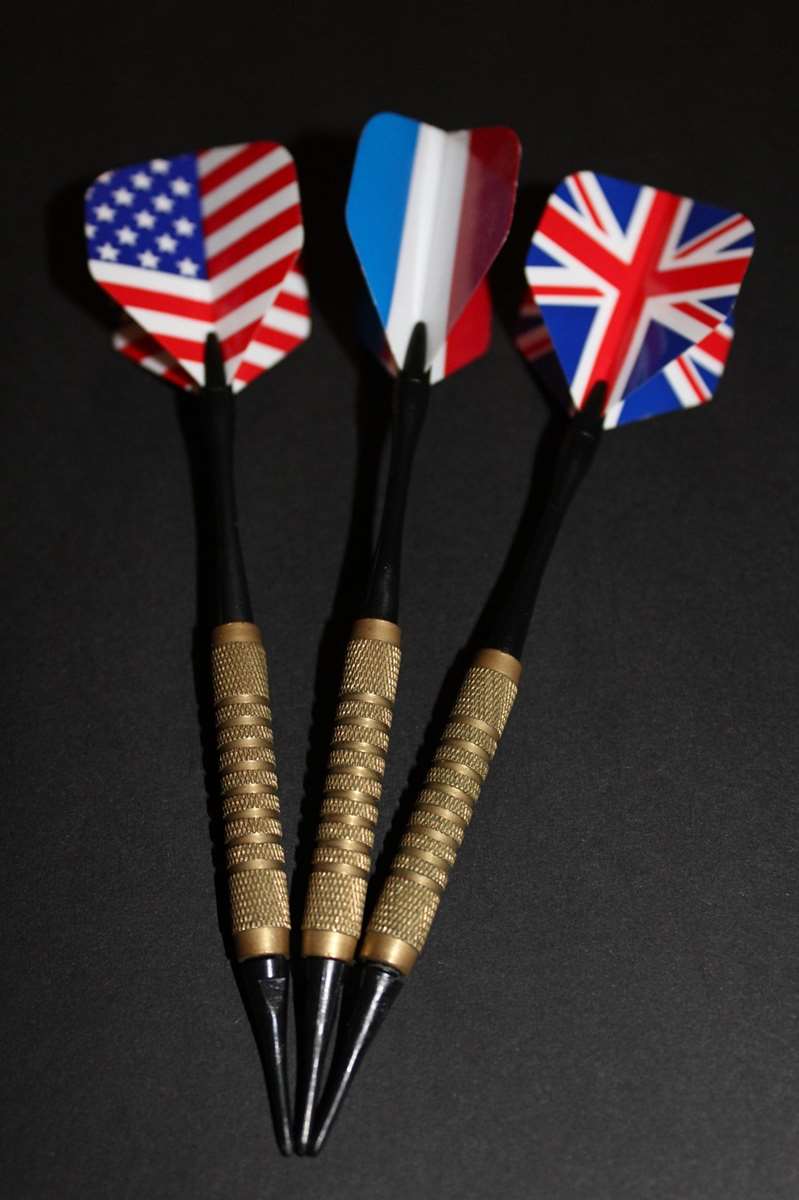
The Sharpening Stone Technique
Another simple method for **repairing bent dart points**, particularly those with a burr or slight bend at the very tip, involves using a sharpening stone. This technique is especially useful for maintaining point sharpness and removing minor imperfections.
- Secure the Stone: Place the sharpening stone on a stable, non-slip surface.
- Angle the Dart: Hold the dart at a slight angle to the stone.
- Gently Rotate: Apply light pressure and rotate the dart point against the stone, working around the circumference of the tip.
- Inspect and Test: Check the point for sharpness and straightness. Test its grip on a dartboard to ensure it catches properly.
Important Note: Use a fine-grit sharpening stone to avoid removing too much material. Be gentle and patient to achieve the desired result.
Preventing Bent Dart Points
While **repairing bent dart points** is a necessary skill for any dart player, prevention is always better than cure. Here are some tips to minimize the occurrence of bent points:
- Use a High-Quality Dartboard: A good quality dartboard will be made of sisal fibers that are dense enough to grip the dart point without being too hard, so look for What Makes Darts Premium Quality.
- Avoid Dropping Darts: Be mindful of where you’re throwing and retrieve your darts carefully.
- Use Dart Mats: Placing a dart mat on the floor can cushion the impact of dropped darts and protect the points.
- Regularly Inspect Your Points: Catching minor bends early makes them easier to repair.
- Consider Movable Points: Movable point darts absorb impact better and help prevent bouncing.
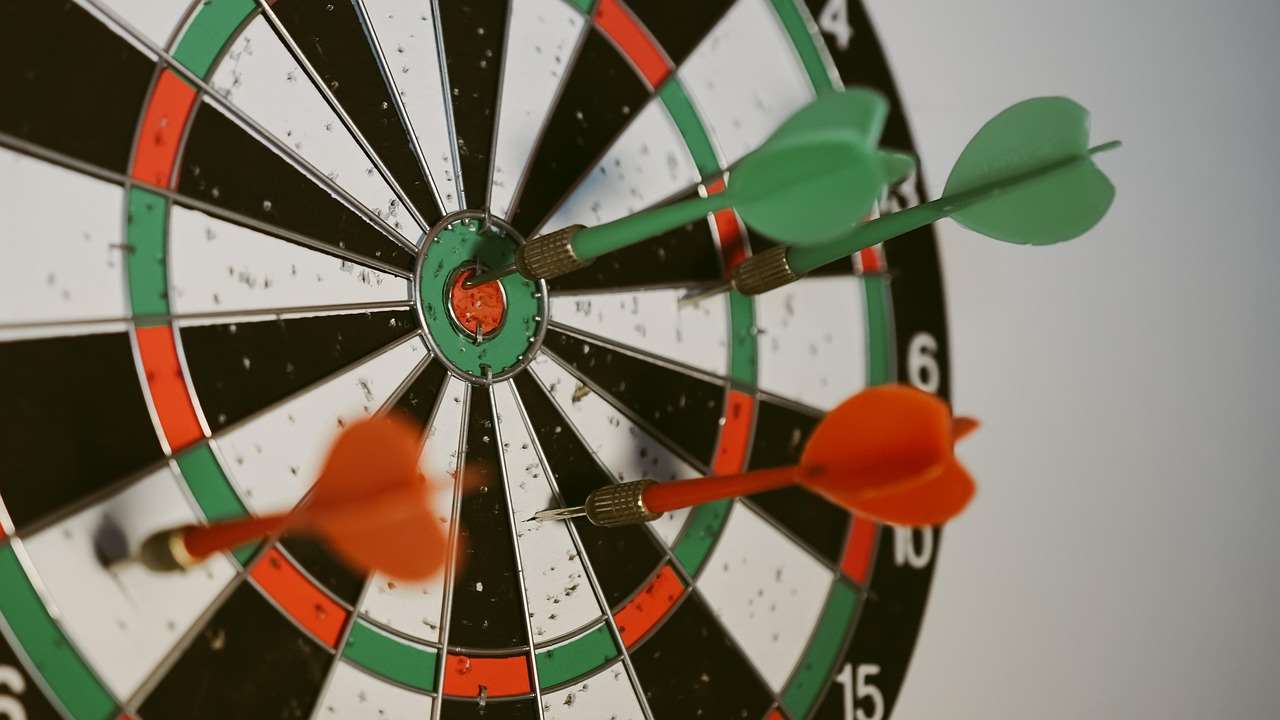
When to Replace Dart Points
While many bent dart points can be repaired, there comes a point when replacement is the only viable option. Here are some signs that indicate it’s time for new points:
- Severe Bends: If the point is significantly bent or kinked, repairing it may be impossible or weaken the metal too much.
- Cracks or Breaks: Any visible cracks or breaks in the point compromise its structural integrity.
- Rounded or Worn Tips: Over time, dart points can become rounded or worn, reducing their grip on the dartboard.
- Difficulty Repairing: If you’ve repeatedly tried to repair a point and it continues to bend easily, it’s likely time for a replacement.
Replacing dart points is a relatively simple process with the right tools and can significantly improve your darting experience. Consider whether Difference Budget Premium Darts might be a good option for you.
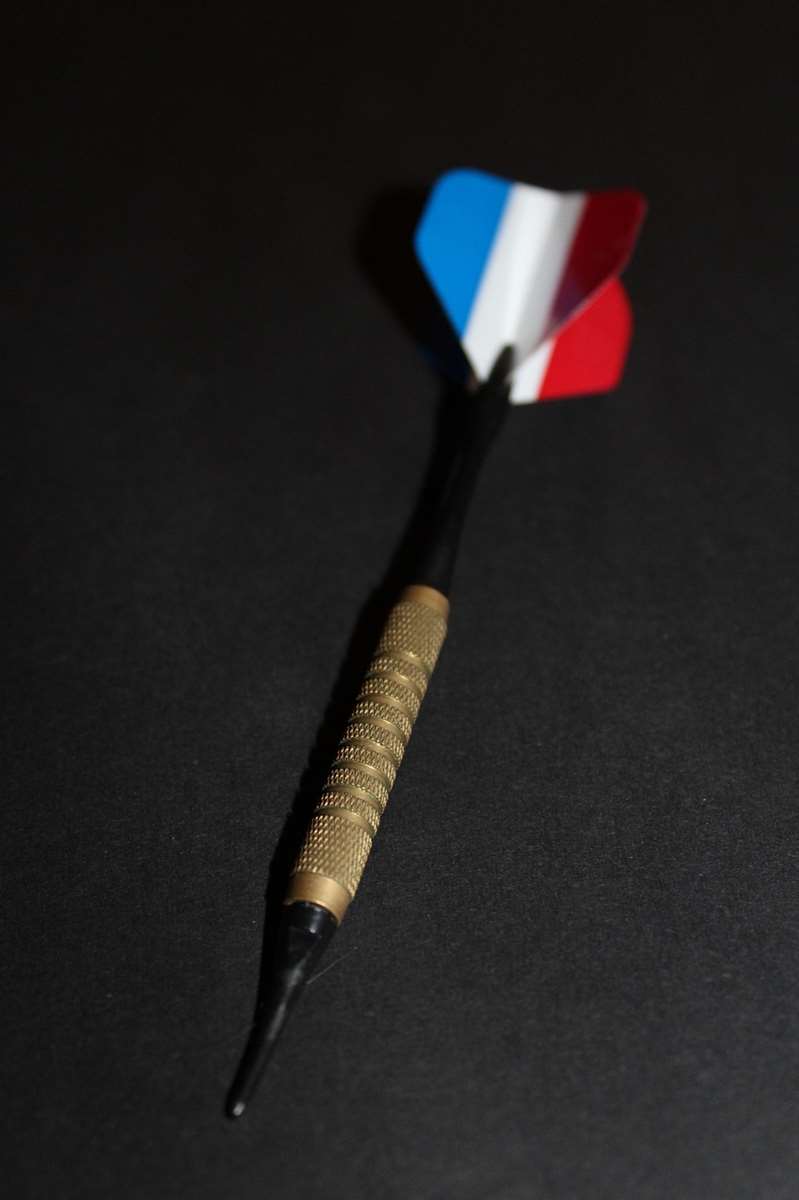
Essential Tools for Dart Maintenance
Maintaining your darts properly, including **repairing bent dart points**, requires a few essential tools:
- Pliers: Needle-nose pliers are ideal for precise bending and straightening.
- Dart Point Re-Pointing Tool: A specialized tool for more accurate repairs and point replacement.
- Sharpening Stone: For maintaining point sharpness and removing minor imperfections.
- Dart Wrench: For tightening and loosening dart shafts and flights.
- Cleaning Cloth: For removing dirt and grime from dart barrels.
Having these tools on hand will help you keep your darts in top condition and ensure consistent performance.
Conclusion
**Repairing bent dart points** is a crucial skill for any serious dart player. By understanding the causes of bent points, employing the right repair techniques, and practicing preventative measures, you can keep your darts in optimal condition and improve your game. Whether you’re using pliers, a re-pointing tool, or a sharpening stone, remember to be gentle and patient to avoid damaging your darts. Don’t forget to regularly inspect your points and replace them when necessary to maintain peak performance. Ready to take your dart game to the next level? Explore our selection of high-quality dart equipment and accessories today!

Hi, I’m Dieter, and I created Dartcounter (Dartcounterapp.com). My motivation wasn’t being a darts expert – quite the opposite! When I first started playing, I loved the game but found keeping accurate scores and tracking stats difficult and distracting.
I figured I couldn’t be the only one struggling with this. So, I decided to build a solution: an easy-to-use application that everyone, no matter their experience level, could use to manage scoring effortlessly.
My goal for Dartcounter was simple: let the app handle the numbers – the scoring, the averages, the stats, even checkout suggestions – so players could focus purely on their throw and enjoying the game. It began as a way to solve my own beginner’s problem, and I’m thrilled it has grown into a helpful tool for the wider darts community.