If your darts feel too heavy, and you’re looking to improve your throw and accuracy, **removing weight from your darts** might be the solution. This article will guide you through methods for adjusting dart weight, exploring legal limits, and optimizing your dart setup for peak performance. You’ll also learn about the benefits of lighter darts and how they can impact your game.
⚠️ Still Using Pen & Paper (or a Chalkboard)?! ⚠️
Step into the future! The Dart Counter App handles all the scoring, suggests checkouts, and tracks your stats automatically. It's easier than you think!
Try the Smart Dart Counter App FREE!Ready for an upgrade? Click above!
Understanding Dart Weight and Its Impact
The weight of your darts plays a crucial role in your overall darting experience. Heavier darts are often favored for their stability and ability to cut through the air more consistently. However, they can also lead to fatigue and strain, especially during longer practice sessions. Lighter darts, on the other hand, require a smoother throwing motion and can be more forgiving, allowing for better finesse and control. Experimenting with different weights is key to finding what suits your individual style and physical capabilities. This is where considering **removing weight from your darts** comes into play.
The legal weight limit for darts, as defined by most governing bodies like the Professional Darts Corporation (PDC) and the World Darts Federation (WDF), is 50 grams per dart. This means that **removing weight from your darts** will likely not make them illegal, as most darts are significantly lighter than this maximum. It’s always a good idea to double-check the specific rules of any competition you plan to enter, just to be certain.
Methods for Removing Weight From Your Darts
There are several methods you can explore when **removing weight from your darts**, each with its own level of complexity and impact on the dart’s balance and performance.
Changing Dart Components
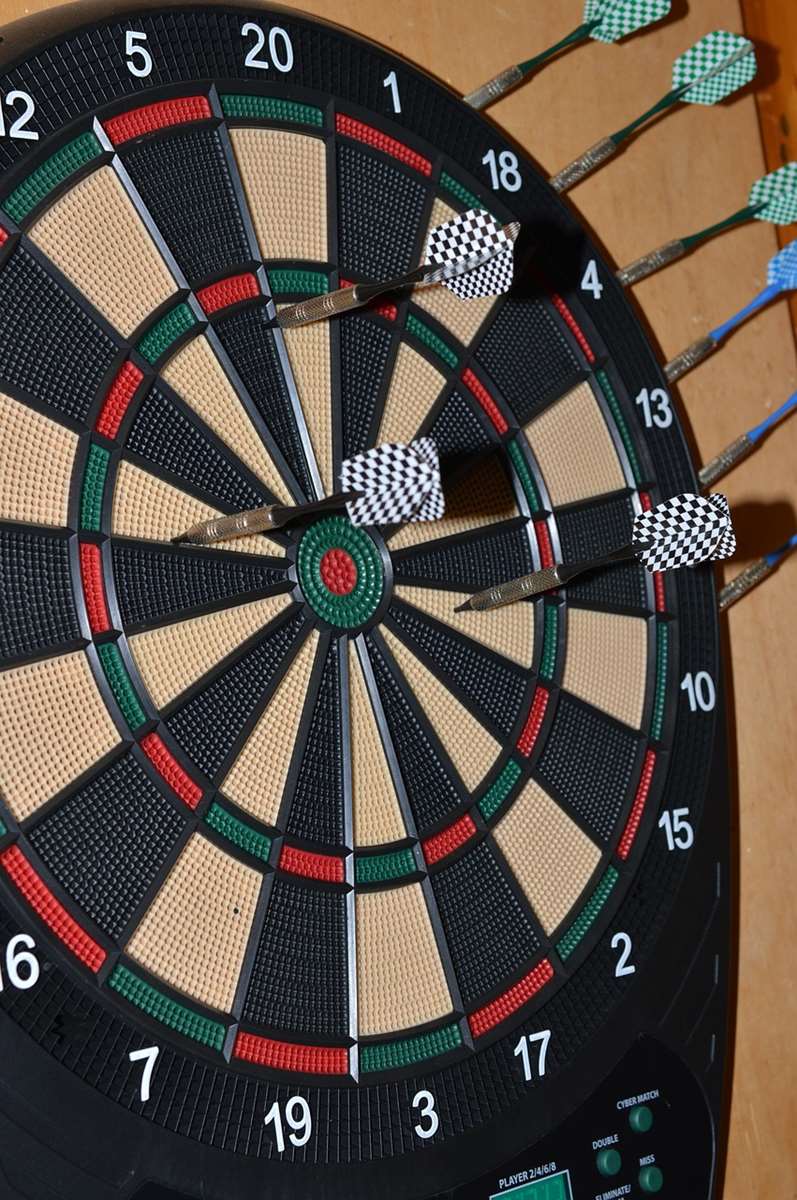
This is the most common and straightforward approach. The main components of a dart that contribute to its overall weight are the barrel, shaft (or stem), and flight. Replacing these components with lighter alternatives can significantly reduce the total weight. Let’s examine each:
- Barrels: Dart barrels come in a wide range of materials, shapes, and weights. Tungsten is a popular choice due to its density, but it also means tungsten barrels are typically heavier. Switching to a lighter tungsten barrel, or even a barrel made from brass or nickel silver, can make a noticeable difference. When choosing a new barrel, consider the grip and balance as well, as these factors will also influence your throwing style. You can Choose Best Dart Equipment here.
- Shafts (Stems): Shafts are typically made of nylon, aluminum, or carbon fiber. Nylon shafts are generally the lightest, followed by carbon fiber, and then aluminum. Opting for shorter or thinner shafts can also reduce weight. The length of the shaft affects the dart’s flight path, so experimenting with different lengths is essential.
- Flights: Dart flights are made from various materials, including plastic, paper, and nylon. Smaller flights are lighter than larger flights. Shape also impacts weight, with slim or kite-shaped flights typically being lighter than standard flights. Selecting lighter flights can contribute to a lighter overall dart.
Experiment with different combinations of barrel, shaft, and flight to find the optimal weight and balance for your throwing style. Don’t be afraid to mix and match components from different brands to achieve your desired result.
Using Weight Reduction Tools (Advanced)
For those who are more adventurous and have some experience with tools, there are more advanced methods of **removing weight from your darts**, although these should be approached with caution.
- Drilling (Very Carefully): It is possible to carefully drill small holes into the back of the dart barrel to remove a small amount of material and reduce weight. This is a risky process that can damage the dart if not done correctly. Only attempt this if you have experience with precision drilling and are willing to potentially ruin the dart. Use a drill press for greater control and start with very small drill bits. Always wear safety glasses.
- Sanding (For Soft Tip Darts): For soft tip darts, which often have plastic barrels, you might be able to *carefully* sand down the barrel to remove a small amount of material. Use fine-grit sandpaper and proceed slowly, checking the weight frequently. Be aware this can alter the grip and shape of the barrel.
Important Safety Note: These advanced methods should only be attempted by experienced individuals with the proper tools and safety equipment. Always prioritize safety and be aware of the risks involved. It’s generally safer and more effective to simply purchase lighter dart components.
Factors to Consider Before Removing Weight
Before you start drastically **removing weight from your darts**, it’s important to consider several factors that can affect your game:
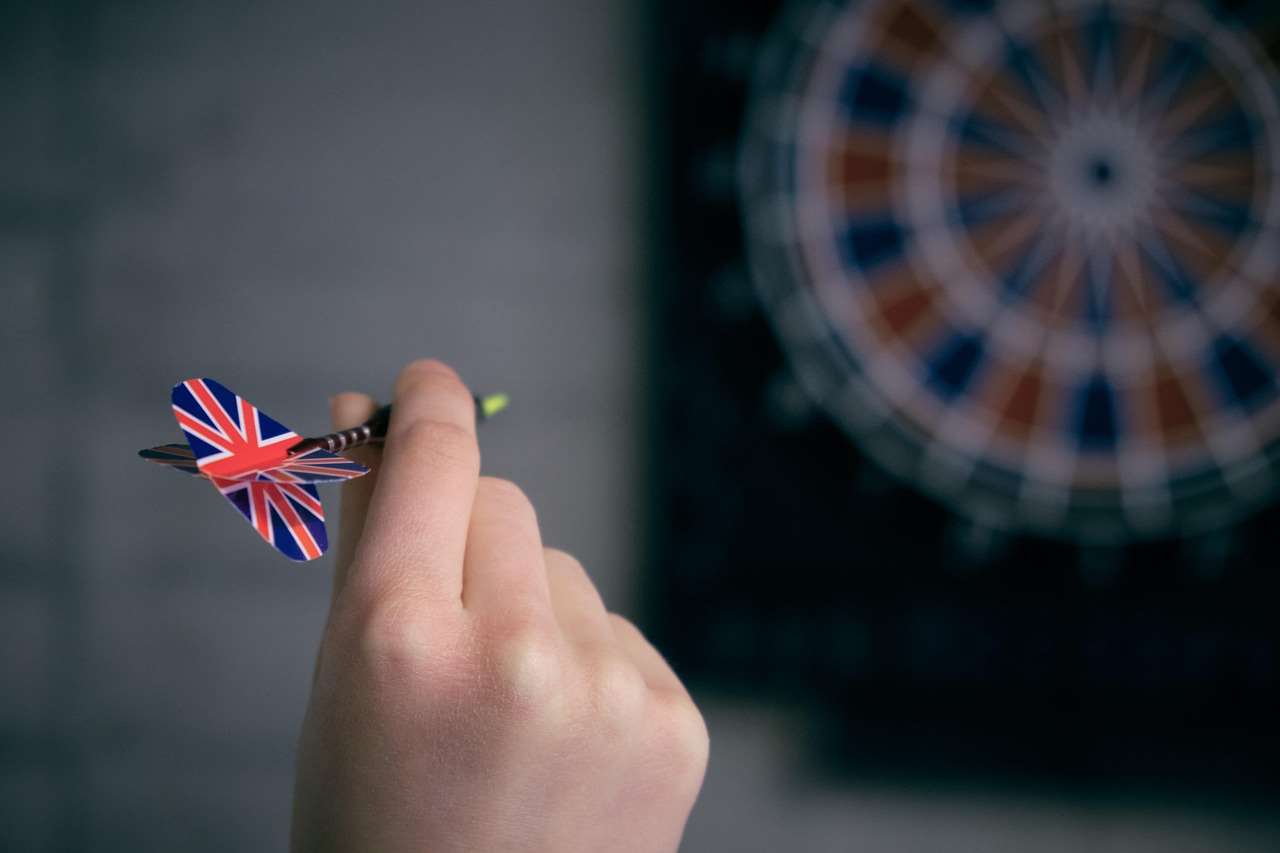
- Throwing Style: Your throwing style is the most important factor to consider. Do you have a smooth, controlled throw or a more powerful, aggressive throw? Lighter darts generally suit smoother throws, while heavier darts might be better for those who throw with more force.
- Grip: The way you grip your darts also influences the optimal weight. If you have a firm grip, you might prefer heavier darts for stability. If you have a lighter grip, lighter darts might be more responsive.
- Dartboard Setup: The distance between you and the dartboard, as well as the condition of the dartboard itself, can also affect the ideal dart weight. A worn dartboard might require heavier darts to penetrate properly, while a new, dense dartboard might be more forgiving with lighter darts. Consider checking out Optimal Dartboard Lighting Solutions Guide to ensure your setup is optimized for visibility.
- Personal Preference: Ultimately, the best dart weight is the one that feels most comfortable and allows you to throw consistently. Experimentation is key to finding what works best for you.
The Benefits of Lighter Darts
While heavier darts have their advantages, using lighter darts and **removing weight from your darts** can offer several benefits, especially for certain players:
- Reduced Fatigue: Lighter darts require less effort to throw, which can reduce fatigue during longer practice sessions or tournaments.
- Improved Accuracy: For players with a smooth throwing motion, lighter darts can be more accurate, allowing for greater finesse and control.
- Easier to Correct Mistakes: Lighter darts are often more forgiving of minor imperfections in your throw, making it easier to correct mistakes mid-flight.
- Suitable for Beginners: Lighter darts can be a good choice for beginners as they require less strength and are easier to control.
However, it’s important to remember that lighter darts are not a magic bullet. They require a consistent throwing motion and can be less stable in windy conditions or when thrown with excessive force.
Fine-Tuning Your Dart Setup
Simply **removing weight from your darts** is not enough. Fine-tuning your entire dart setup is crucial for maximizing your performance. This includes adjusting the shaft length, flight shape, and grip to complement the new weight.
Shaft Length
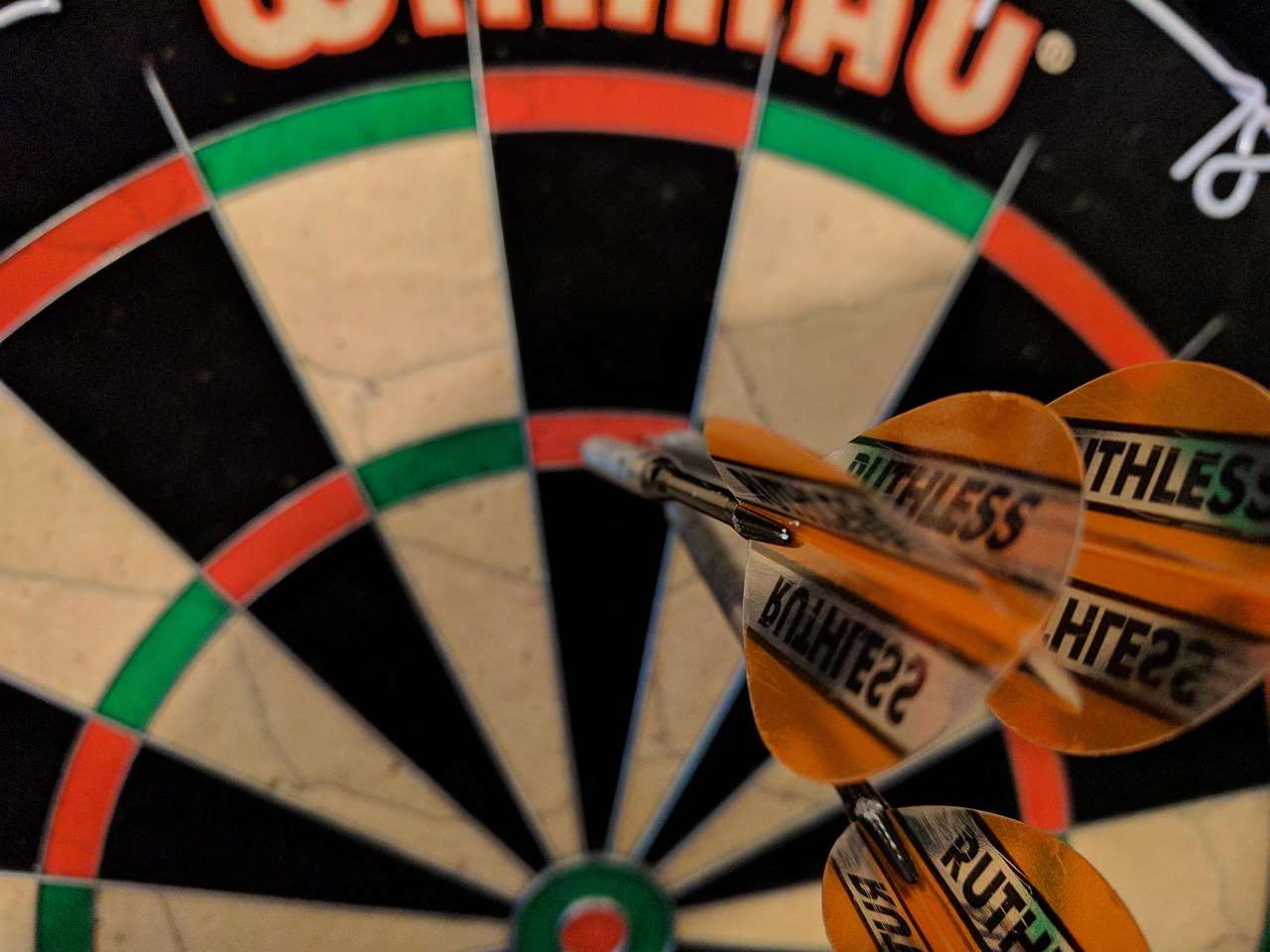
Shorter shafts generally make the dart fly straighter, while longer shafts can provide more stability. Experiment with different shaft lengths to find what works best with your throwing style and the new dart weight. Remember to also consider Best Dartboard Lighting Systems for optimal visibility to further fine-tune your performance.
Flight Shape
Smaller flights provide less drag and can make the dart fly faster, while larger flights provide more stability. Slim or kite-shaped flights are often preferred for lighter darts, as they reduce drag and allow for a more consistent flight path.
Grip
Adjust your grip to suit the new dart weight and balance. You might need to adjust your finger placement or the pressure you apply to the dart. Practice consistently with the new setup to develop muscle memory and improve your accuracy.
Troubleshooting Common Issues
After **removing weight from your darts**, you might encounter some common issues that require troubleshooting:
- Dart Wobbling in Flight: This can be caused by mismatched components or an inconsistent throwing motion. Check that your shafts and flights are securely attached and that your throwing motion is smooth and controlled.
- Dart Dropping Too Low: This can be caused by darts that are too light, causing a lack of momentum. It can also be caused by an inconsistent release point. Focus on maintaining a consistent release point and consider slightly increasing the dart weight.
- Dart Flying to the Side: This can be caused by an inconsistent grip or release. Ensure you are gripping the dart consistently and releasing it smoothly. Experiment with different grip positions to find what works best for you.
If you continue to experience problems, seek advice from experienced dart players or a professional dart coach. They can help you identify the root cause of the issue and provide personalized solutions.
Maintaining Your Darts
Proper maintenance is essential for ensuring your darts perform consistently and last longer. Regularly clean your darts with a soft cloth to remove dirt and grime. Check your shafts and flights for damage and replace them as needed. Store your darts in a protective case to prevent them from being damaged. By taking care of your darts, you can ensure they remain in top condition for years to come.
Conclusion
**Removing weight from your darts** can be a beneficial adjustment for many dart players, leading to improved accuracy, reduced fatigue, and a more enjoyable darting experience. By carefully considering your throwing style, experimenting with different components, and fine-tuning your setup, you can find the optimal dart weight for your individual needs. Remember to prioritize safety when attempting any advanced weight reduction methods, and always practice consistently to develop muscle memory and improve your overall performance. Now that you understand the principles of **removing weight from your darts**, experiment to see how it can enhance your game. Consider replacing some old equipment and visit Choose Best Dart Equipment today.

Hi, I’m Dieter, and I created Dartcounter (Dartcounterapp.com). My motivation wasn’t being a darts expert – quite the opposite! When I first started playing, I loved the game but found keeping accurate scores and tracking stats difficult and distracting.
I figured I couldn’t be the only one struggling with this. So, I decided to build a solution: an easy-to-use application that everyone, no matter their experience level, could use to manage scoring effortlessly.
My goal for Dartcounter was simple: let the app handle the numbers – the scoring, the averages, the stats, even checkout suggestions – so players could focus purely on their throw and enjoying the game. It began as a way to solve my own beginner’s problem, and I’m thrilled it has grown into a helpful tool for the wider darts community.