Tired of the constant thud of darts hitting your board? **Reducing noise from your dartboard** involves a multi-pronged approach, primarily focusing on dampening vibrations and absorbing impact. This article will explore various methods to achieve a quieter game, covering everything from proper mounting techniques to soundproofing materials.
⚠️ Still Using Pen & Paper (or a Chalkboard)?! ⚠️
Step into the future! The Dart Counter App handles all the scoring, suggests checkouts, and tracks your stats automatically. It's easier than you think!
Try the Smart Dart Counter App FREE!Ready for an upgrade? Click above!
Effective Strategies for Reducing Noise From Dartboard
The most common complaint from dart players and their neighbors is the noise generated when darts strike the dartboard. Fortunately, there are several ways to tackle this issue head-on. Let’s delve into some practical solutions for reducing dartboard noise.
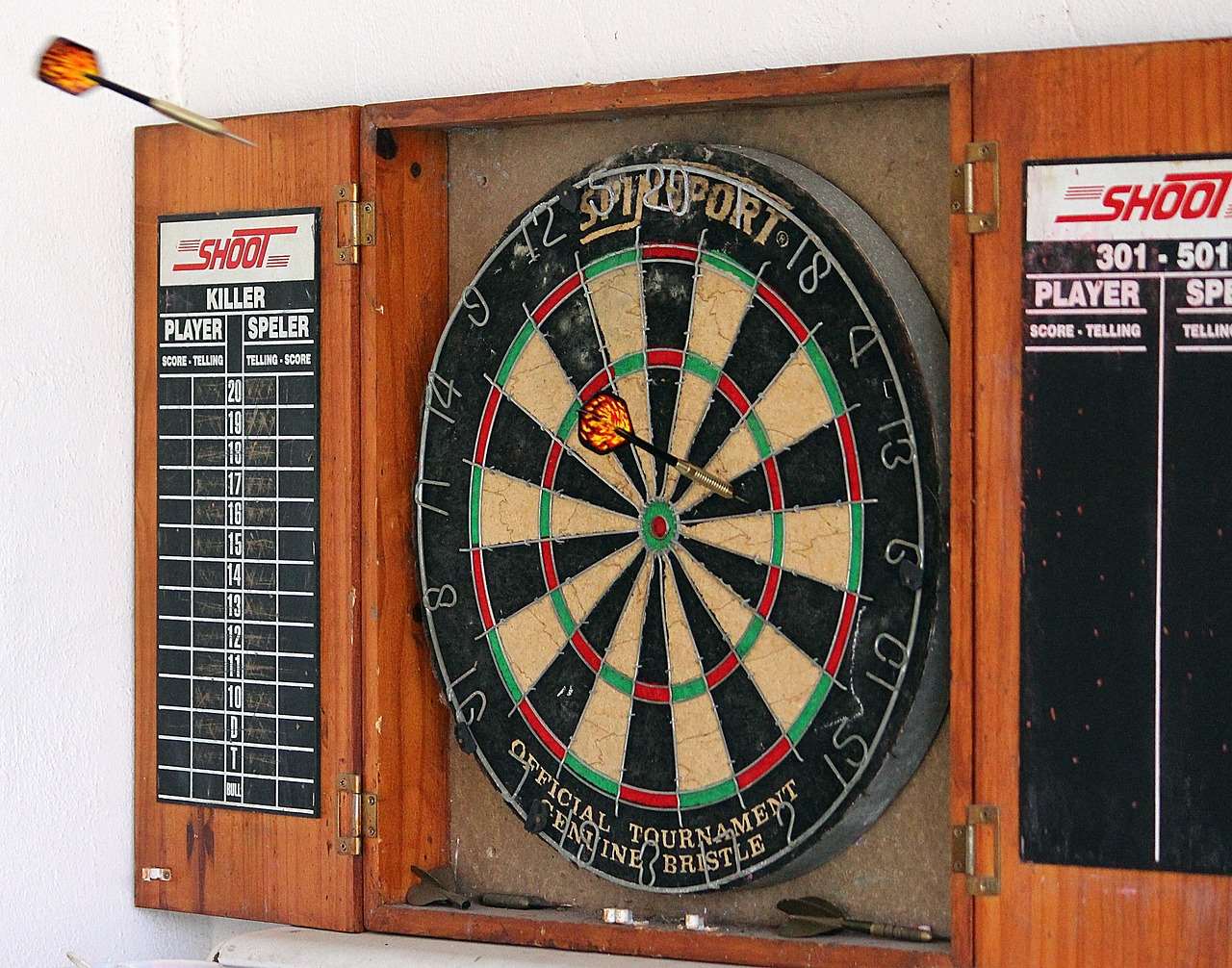
Dartboard Mounting: The Foundation of Noise Reduction
How you mount your dartboard plays a crucial role in minimizing noise. Here’s how to do it right:
- Wall Material Matters: Attaching your dartboard directly to a hollow drywall can amplify the sound. Consider mounting it on a more solid surface like brick or concrete if possible.
- Use a Backboard: A backboard behind the dartboard not only protects your wall but also acts as a sound dampener. We’ll discuss backboard options in more detail later.
- Proper Fixings: Ensure you’re using appropriate screws and anchors for your wall type. Loose fixings will cause the board to vibrate more.
- Vibration Dampeners: Install rubber or foam washers between the dartboard and the wall to absorb vibrations. These small additions can significantly reduce noise transmission.
Choosing the right mounting location and using vibration dampeners is paramount when setting up your dartboard to enjoy the game and minimize any issues of distracting noise levels.
Choosing the Right Dartboard Backboard
A backboard is an essential addition to any dart setup, offering both wall protection and significant noise reduction. Here are some options to consider:
- Cork Backboards: Cork is a naturally sound-absorbent material, making it an excellent choice for a backboard. Look for thick corkboards for maximum effectiveness.
- Foam Backboards: Foam is another effective sound dampener. High-density foam provides better protection and noise reduction than thinner options.
- Wood Backboards: While wood is less effective than cork or foam, a thick wooden backboard can still help to dampen the sound. Consider adding a layer of foam or cork behind the wood for improved performance.
- DIY Backboards: You can create your own backboard using materials like plywood, insulation foam, and fabric. This allows you to customize the size, shape, and appearance of your backboard.
Remember to secure the backboard firmly to the wall using appropriate fixings. Ensure it extends sufficiently around the dartboard to catch stray darts and further reduce noise from dart impacts.
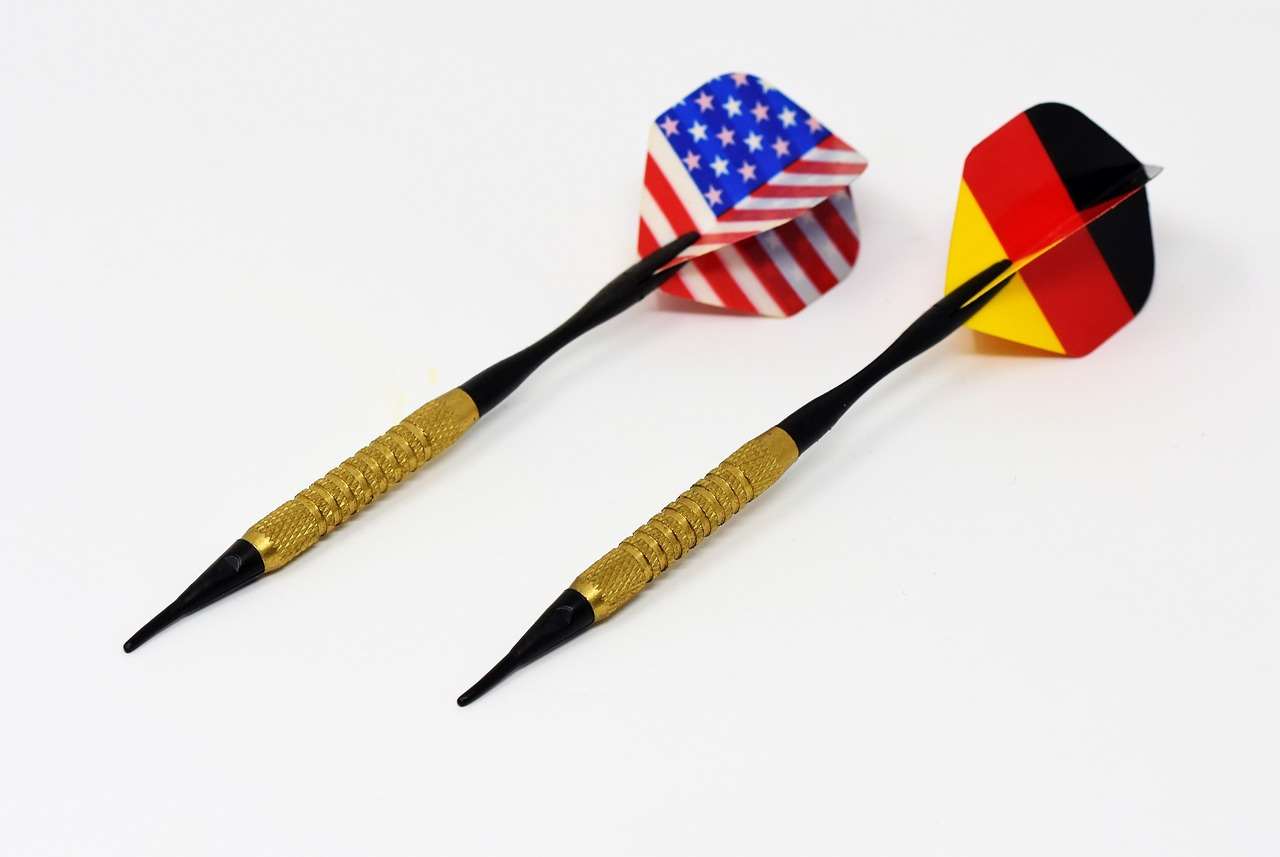
Material Science: Soundproofing and Dampening Materials
Understanding the properties of different materials can help you choose the best options for reducing noise from your dartboard. Here’s a closer look:
- Mass-Loaded Vinyl (MLV): MLV is a dense, heavy material that’s highly effective at blocking sound. It can be applied behind the dartboard or backboard to significantly reduce sound transmission.
- Acoustic Foam Panels: While often used in recording studios, acoustic foam panels can also be used to absorb sound in a dart room. Placing them on nearby walls can help to minimize echoes and reverberations.
- Soundproof Curtains: Heavy, soundproof curtains can help to absorb sound and prevent it from traveling to other rooms.
- Insulation: Adding insulation to the wall behind the dartboard can also help to dampen the sound.
When selecting soundproofing materials, consider the specific needs of your space and the level of noise reduction you’re aiming for. Combining multiple materials can often provide the best results. Remember to also consider Choose Best Dart Equipment.
Dartboard Surround Options: Aesthetics and Noise Control
A dartboard surround not only protects your wall from stray darts but can also contribute to noise reduction. Here are some popular options:
- Rubber Surrounds: Rubber surrounds are durable, easy to clean, and offer some degree of noise dampening.
- Foam Surrounds: Foam surrounds provide better noise reduction than rubber surrounds but may be less durable.
- Cloth Surrounds: Cloth surrounds can add a touch of elegance to your dart setup and offer some sound absorption.
- Combination Surrounds: Some surrounds combine different materials, such as a rubber outer layer with a foam inner layer, to provide both durability and noise reduction.
When choosing a dartboard surround, consider its size, thickness, and material. A thicker surround will generally provide better protection and noise reduction. Always measure the space you plan to install it in for the best fit.

Dart Type and Throwing Technique: Minimizing Impact
Believe it or not, the type of darts you use and your throwing technique can also affect the amount of noise generated. Here’s how:
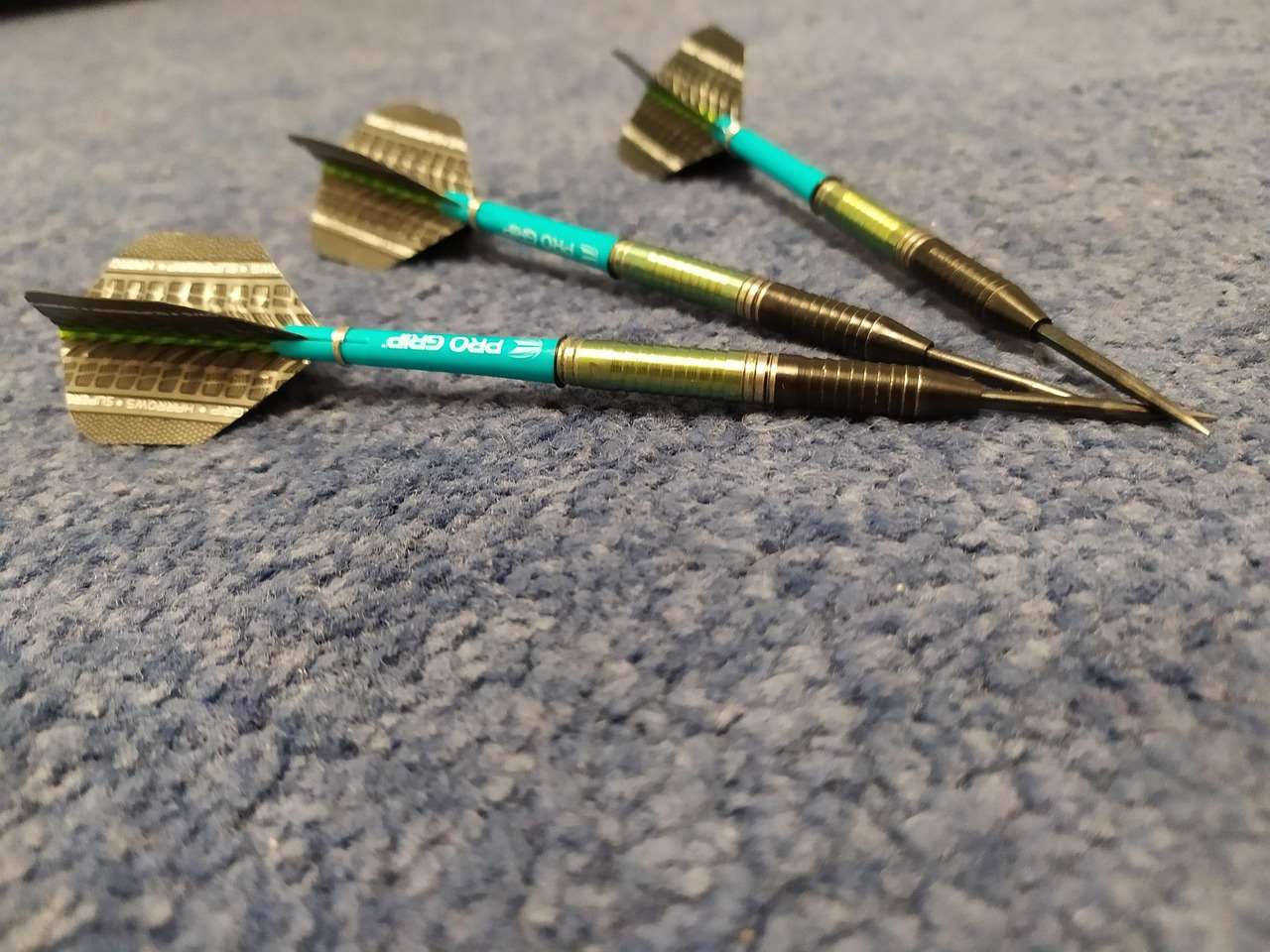
- Dart Weight: Heavier darts tend to create more noise upon impact than lighter darts. Experiment with different dart weights to find a balance between performance and noise reduction.
- Dart Material: Darts made of tungsten are denser than those made of brass, which can result in a louder impact.
- Throwing Technique: A smoother, more controlled throwing technique can help to minimize the force of impact. Avoid throwing darts with excessive force or using a jerky motion.
- Dart Maintenance: Ensure your darts are in good condition, with sharp points. Dull points can cause the dart to bounce out more often, resulting in increased noise.
Refining your technique and ensuring your darts are well-maintained can not only improve your game but also contribute to a quieter playing experience. Consider this when Optimal Dartboard Lighting Solutions Guide, while setting up your equipment.
Creating a Dedicated Dart Room or Space
If you’re serious about reducing noise from your dartboard, consider creating a dedicated dart room or space. Here are some tips:
- Choose a Room Wisely: Select a room that’s located away from bedrooms or other areas where noise is a concern.
- Soundproof the Walls: Add soundproofing materials to the walls, such as MLV, acoustic foam panels, or insulation.
- Install a Soundproof Door: A solid-core door with weather stripping can help to block sound from escaping the room.
- Use Rugs and Carpets: Soft flooring can help to absorb sound and reduce echoes.
Creating a dedicated dart room is the most effective way to minimize noise pollution and enjoy your game without disturbing others.
Troubleshooting Common Noise Issues
Even after implementing the above strategies, you may still encounter some noise issues. Here’s how to troubleshoot them:
- Rattling: Check for loose fixings or objects that are vibrating against the dartboard or backboard. Tighten any loose screws and secure any rattling objects.
- Bouncing Darts: Bouncing darts can be a sign of a worn-out dartboard or dull dart points. Replace the dartboard if it’s showing signs of wear, and sharpen your dart points regularly.
- Vibrations: If you’re still experiencing excessive vibrations, try adding more vibration dampeners or soundproofing materials.
- Neighbor Complaints: If your neighbors are still complaining about the noise, consider having a professional assess your dart setup and recommend additional noise reduction measures.
Persistence and attention to detail are key to resolving noise issues and creating a quieter dart-playing environment. Consider also looking into Best Dartboard Lighting Systems.
Advanced Soundproofing Techniques for Dart Rooms
For those seeking the ultimate in noise reduction, here are some advanced soundproofing techniques:
- Double Walls: Constructing a second wall inside the existing wall, with an air gap between them, can significantly reduce sound transmission.
- Floating Floors: Installing a floating floor, which is decoupled from the subfloor, can help to minimize impact noise.
- Soundproof Windows: Replacing standard windows with soundproof windows can block out external noise and prevent sound from escaping.
- Acoustic Caulk: Sealing any gaps or cracks in the walls, ceiling, and floor with acoustic caulk can help to prevent sound leakage.
These advanced techniques require more investment and effort but can provide exceptional noise reduction for dedicated dart rooms. They are especially useful for professional dart players and anyone living in apartments or close proximity to neighbors.
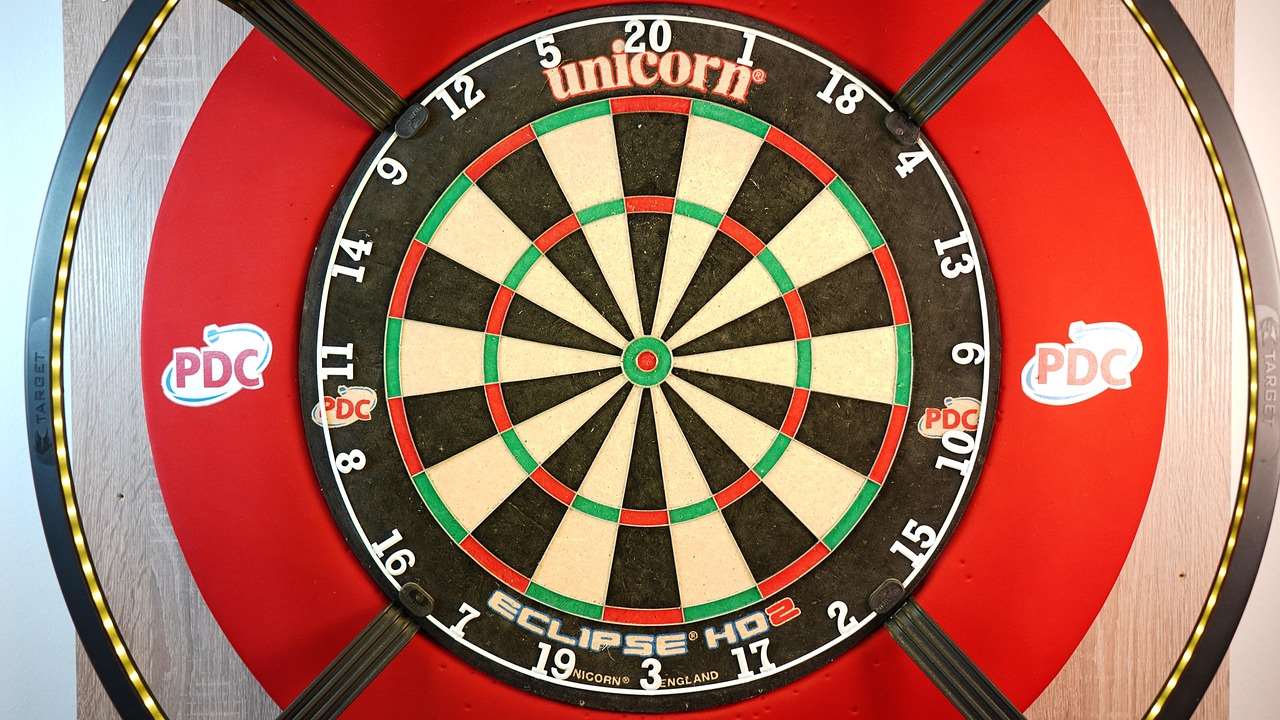
Maintaining a Quiet Dart Setup
Reducing noise from dartboard is an ongoing process. Here are some tips for maintaining a quiet dart setup:
- Regular Inspections: Periodically inspect your dartboard, backboard, and fixings for any signs of wear or damage.
- Tighten Loose Screws: Tighten any loose screws or bolts to prevent rattling and vibrations.
- Replace Worn-Out Materials: Replace any worn-out materials, such as dartboards or surrounds, as needed.
- Clean Regularly: Keep your dartboard and surrounding area clean to prevent dust and debris from accumulating.
By following these maintenance tips, you can ensure that your dart setup remains quiet and enjoyable for years to come.
Conclusion: Enjoy a Quieter Game of Darts
Reducing noise from your dartboard is achievable through a combination of proper mounting techniques, soundproofing materials, and mindful playing habits. By implementing the strategies outlined in this article, you can create a quieter and more enjoyable dart-playing experience for yourself and those around you. Remember to prioritize wall protection and noise reduction materials for your backboard. Take action today to upgrade your setup and minimize noise distractions! Find the best equipment for your needs now by reviewing which helps you Types Optimal Dartboard Lighting to choose.

Hi, I’m Dieter, and I created Dartcounter (Dartcounterapp.com). My motivation wasn’t being a darts expert – quite the opposite! When I first started playing, I loved the game but found keeping accurate scores and tracking stats difficult and distracting.
I figured I couldn’t be the only one struggling with this. So, I decided to build a solution: an easy-to-use application that everyone, no matter their experience level, could use to manage scoring effortlessly.
My goal for Dartcounter was simple: let the app handle the numbers – the scoring, the averages, the stats, even checkout suggestions – so players could focus purely on their throw and enjoying the game. It began as a way to solve my own beginner’s problem, and I’m thrilled it has grown into a helpful tool for the wider darts community.