Understanding and practicing proper darts etiquette is crucial for fostering a positive and respectful environment for all players. This Proper Darts Etiquette Guide outlines the essential dos and don’ts to ensure fair play and a fun experience. You’ll learn about throwing area conduct, scoring etiquette, respecting your opponents, and maintaining the dartboard.
⚠️ Still Using Pen & Paper (or a Chalkboard)?! ⚠️
Step into the future! The Dart Counter App handles all the scoring, suggests checkouts, and tracks your stats automatically. It's easier than you think!
Try the Smart Dart Counter App FREE!Ready for an upgrade? Click above!
The Throwing Area: A Guide to Darting Decorum
The throwing area, also known as the oche, is the sacred space where the magic happens. Maintaining proper etiquette here is vital for concentration and fair play. Remember that everyone deserves respect, both on and off the line.
Mind Your Foot Faults
Stepping over the oche while throwing is a common infraction. Ensure your foot doesn’t cross the line until after the dart has left your hand. Consistent adherence to this rule shows respect for the game and avoids any potential disputes. It’s part of darts culture to self-regulate and call out your own faults.
Respect the Thrower’s Space
When a player is at the oche, they need their space. Avoid walking around directly behind them or making unnecessary noise. This minimizes distractions and allows them to focus on their throw. This includes refraining from offering unsolicited advice on their technique. It’s best to wait until they ask for assistance or feedback.
Retrieving Your Darts
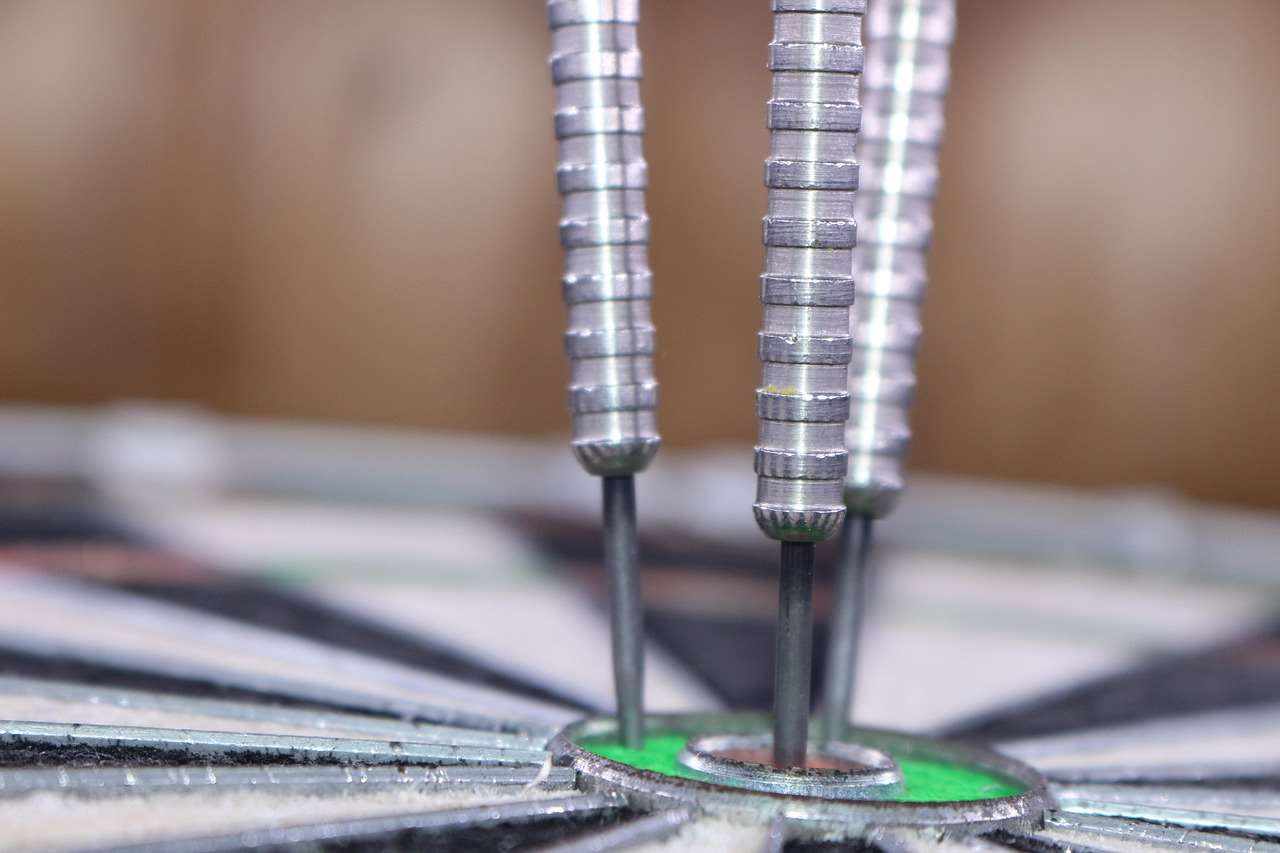
Wait until the thrower has completed their turn before approaching the dartboard to retrieve your darts. This is a matter of courtesy and prevents any accidental interference. When retrieving your darts, be mindful of the board and other players. Avoid slamming the darts into the board or carelessly pulling them out, as this can damage the board and create unnecessary noise.
Scoring Etiquette: Keeping it Fair and Accurate
Accurate scoring is essential for a fair and enjoyable game. Here are some guidelines to ensure proper scoring etiquette.
Announcing Your Score Clearly
After each throw, clearly announce your score to the scorer. This ensures transparency and allows for any discrepancies to be addressed immediately. Use clear and concise language to avoid confusion.
Verifying the Score
As the scorer announces the score, verify that it is accurate. If you believe there is a mistake, politely point it out to the scorer. It’s better to address any issues immediately than to let them escalate. Remember that mistakes can happen, so be patient and understanding.
The Role of the Scorer
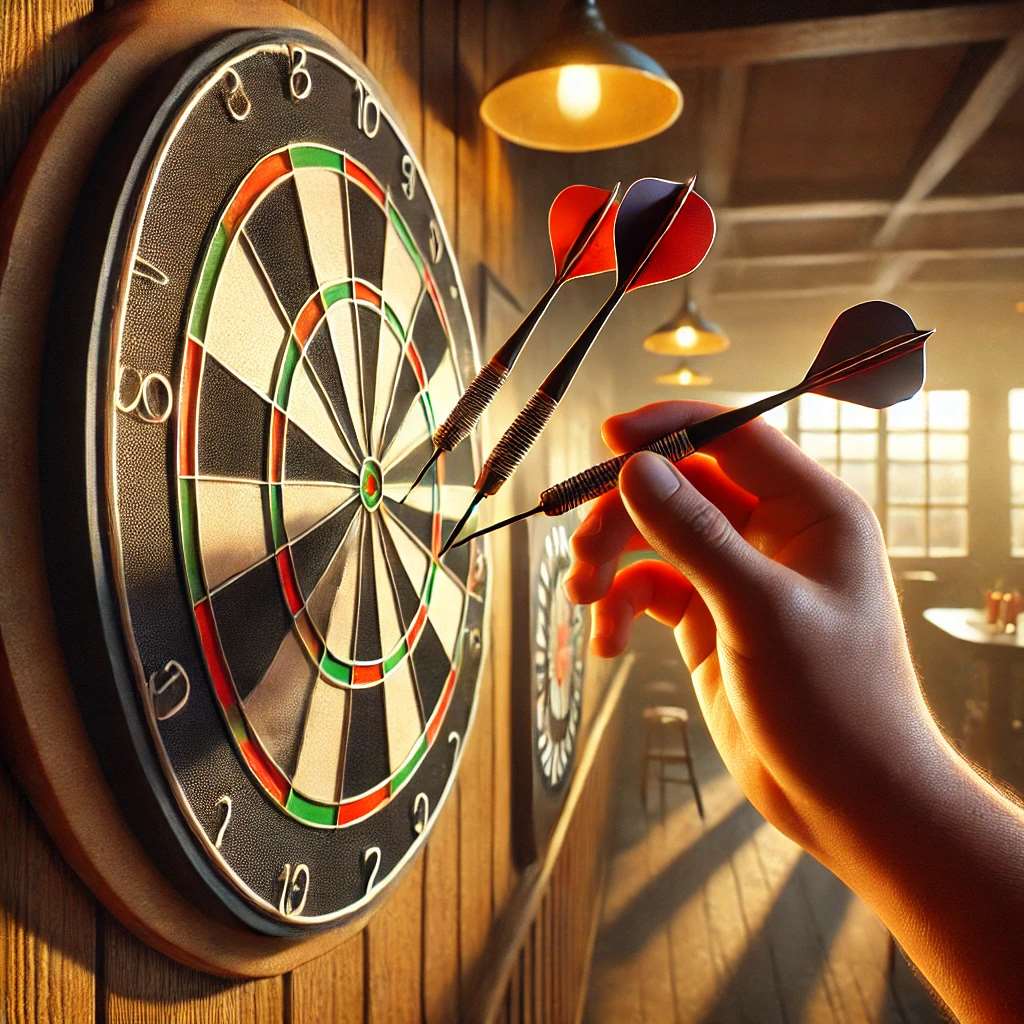
The scorer has a crucial role in maintaining fair play. They must accurately record the scores and announce them clearly. They should also be impartial and avoid showing any favoritism towards either player. If you’re involved in organizing local darts league activities, ensure you have capable and trustworthy scorers.
Dealing with Discrepancies
If there is a disagreement about the score, remain calm and try to resolve it amicably. Refer to the rules of the game and, if necessary, seek the assistance of a neutral third party. Avoid getting into heated arguments, as this can spoil the enjoyment of the game for everyone involved. Knowing how to start a darts league includes understanding dispute resolution.
Respecting Your Opponents: Sportsmanship Matters
Showing respect for your opponents is a fundamental aspect of proper darts etiquette. It creates a positive and enjoyable environment for everyone.
Good Sportsmanship: Win or Lose
Win or lose, always be gracious and respectful towards your opponent. Congratulate them on their good shots and offer words of encouragement if they are struggling. Avoid gloating or showing excessive disappointment, as this can be disrespectful. Good sportsmanship is essential for maintaining a positive atmosphere in the darts culture and community guide.
Avoiding Distractions
During your opponent’s turn, avoid engaging in any behavior that could be distracting. This includes making loud noises, moving around excessively, or making disparaging comments. Let them focus on their throw without any unnecessary distractions.
Encouraging and Supporting
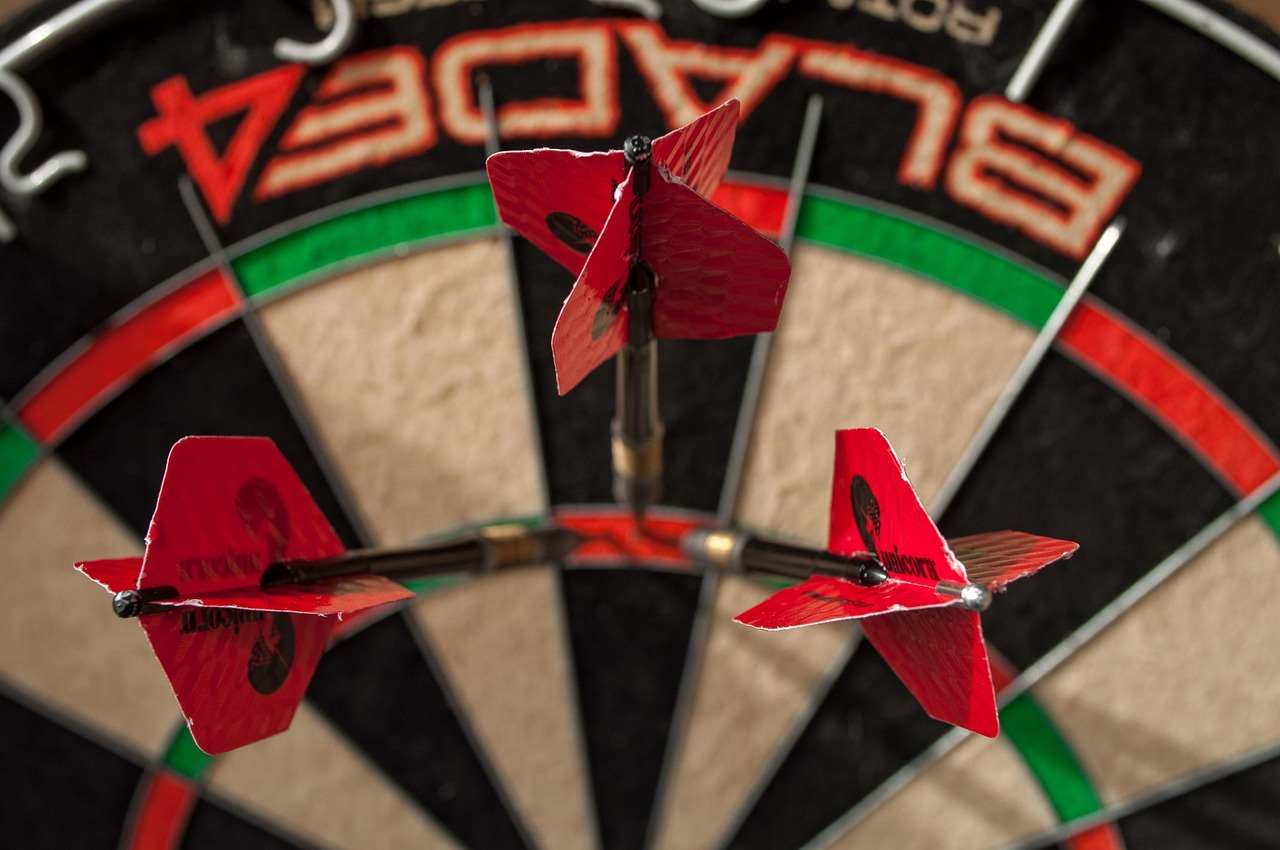
Even though you are competing against your opponent, you can still offer them encouragement and support. A simple “good shot” or “nice try” can go a long way in fostering a positive atmosphere. Remember that you are both there to enjoy the game, so support each other in that endeavor.
Dealing with Difficult Opponents
Sometimes, you may encounter opponents who are less than sporting. In these situations, it’s important to remain calm and professional. Avoid engaging in their behavior and focus on playing your best game. If their behavior becomes disruptive or offensive, politely address the issue with them or seek the assistance of a tournament official.
Dartboard Maintenance and Care: Extending Its Life
Taking care of the dartboard is essential for ensuring its longevity and maintaining fair play. Neglecting the board can lead to bounce-outs and inaccurate scoring.
Rotating the Board Regularly
Rotating the dartboard regularly helps to distribute wear and tear evenly. This prevents certain areas from becoming overly worn and extends the life of the board. Aim to rotate the board at least once a week, or more frequently if it is used heavily. You can learn more about darts club administration guide, which often includes maintenance schedules.
Removing Darts Properly
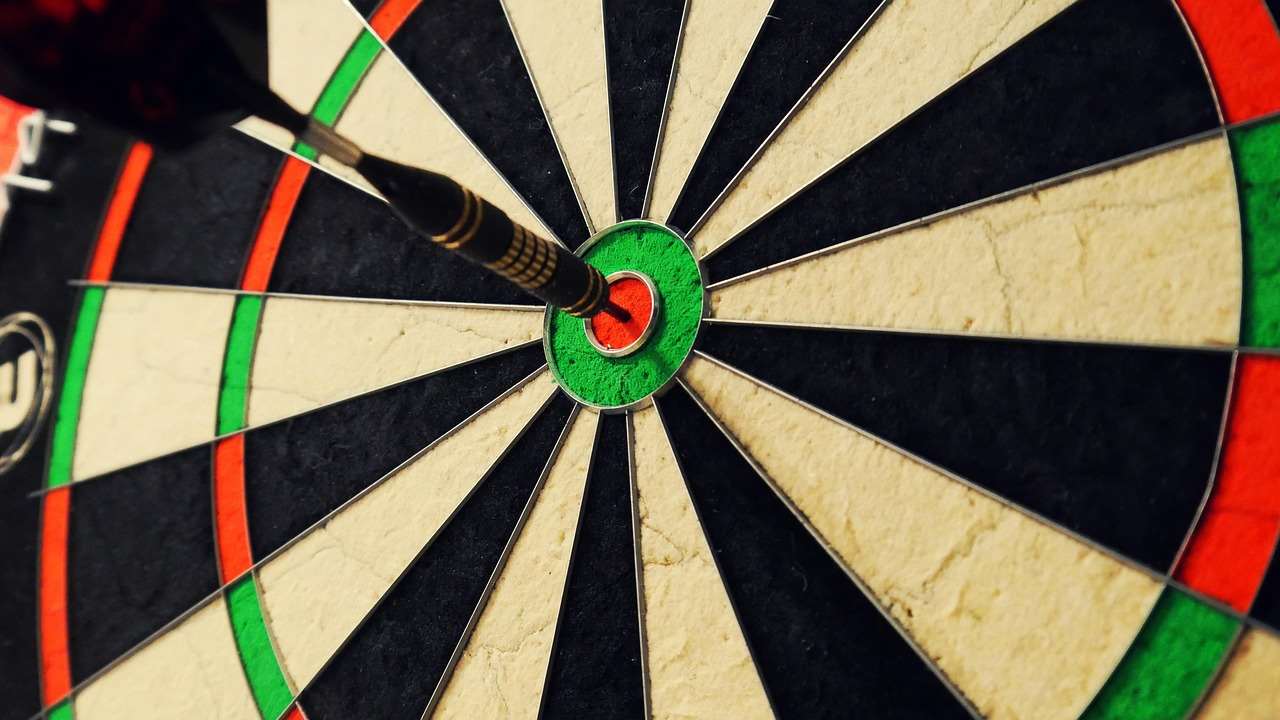
When removing darts from the board, avoid twisting or wiggling them, as this can damage the sisal fibers. Instead, use a dart puller or gently pull the dart straight out with a slight rotating motion. If a dart is stuck, try using a dart tool to loosen it before pulling it out.
Protecting the Surroundings
Protecting the wall surrounding the dartboard is important for preventing damage from stray darts. Install a dartboard surround or use a corkboard to protect the wall. This will not only prevent damage but also make the playing area more aesthetically pleasing. Setting up a dartboard correctly is crucial when building local darts league club guide to comply with standards and create a professional environment.
Cleaning the Board
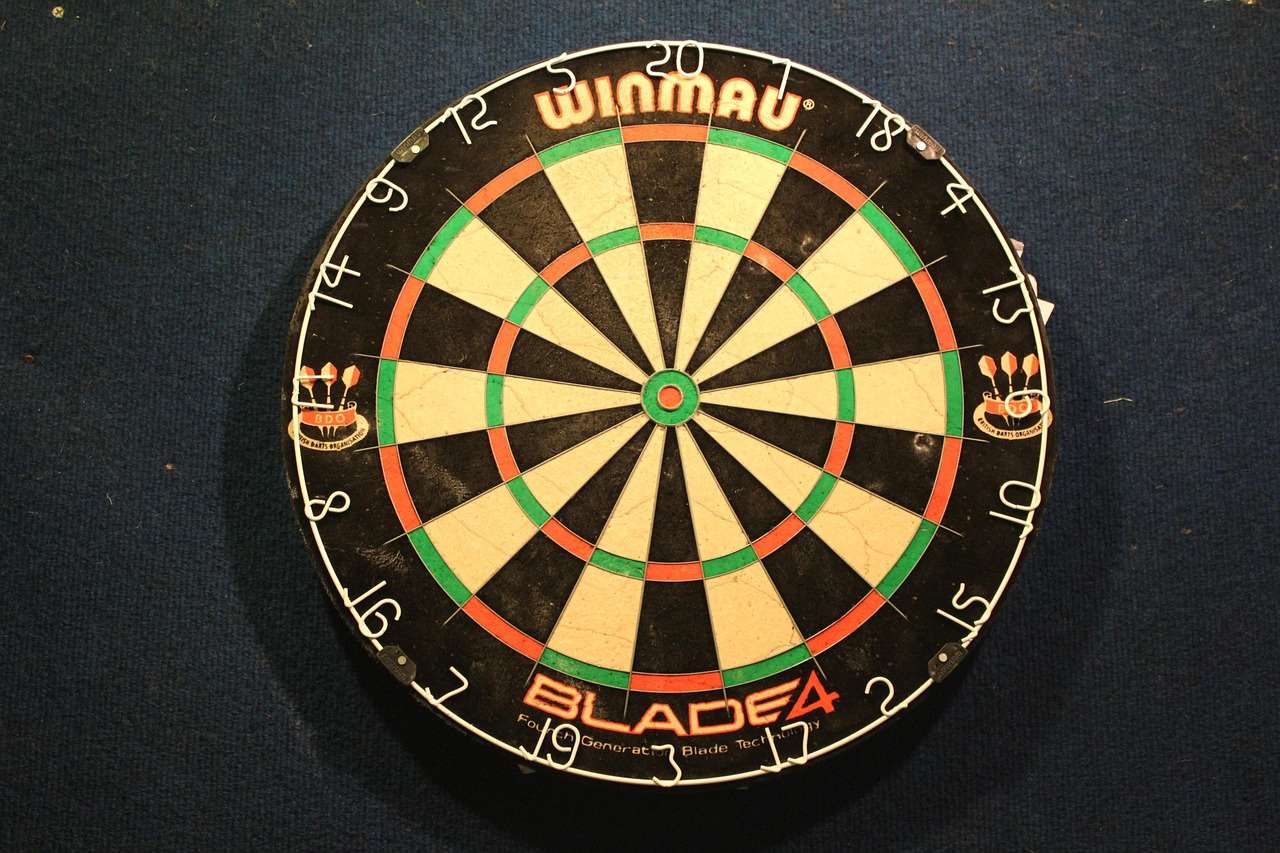
Regularly cleaning the dartboard helps to remove dust and debris that can accumulate over time. Use a soft brush or vacuum cleaner to gently clean the surface of the board. Avoid using water or harsh chemicals, as these can damage the sisal fibers. A clean board provides a better grip for the darts and improves the overall playing experience.
Other Essential Darts Etiquette Tips
Beyond the specific areas mentioned above, here are some additional etiquette tips to keep in mind.
Phone Usage
Refrain from using your phone during your turn or while your opponent is throwing. This is a distraction and can be seen as disrespectful. Silence your phone or put it away during the game.
Food and Drink
Be mindful of food and drink around the dartboard. Avoid spilling anything on the board or in the throwing area. Clean up any messes immediately. It’s advisable to keep food and drinks on a separate table away from the playing area.
Language and Behavior
Maintain appropriate language and behavior at all times. Avoid using profanity or making offensive comments. Be respectful of other players and spectators. Remember that darts is a game of skill and strategy, but it should also be enjoyable for everyone involved. This is an important aspect of promoting local darts and ensuring a welcoming environment.
Respect for Equipment
Treat the dartboard and darts with respect. Avoid slamming the darts into the board or damaging the equipment in any way. Respect for the equipment shows respect for the game itself.
Conclusion: Embracing Proper Darts Etiquette
Mastering proper darts etiquette is more than just following rules; it’s about creating a positive and respectful environment for everyone involved. By respecting the throwing area, maintaining accurate scoring, showing sportsmanship towards your opponents, and taking care of the dartboard, you contribute to a more enjoyable and fair game. Embracing these principles strengthens the darts culture and elevates the experience for all players. Now that you understand these principles, go out there and demonstrate your commitment to fair play and respectful competition! Consider joining a local darts club or league to practice your etiquette skills and further immerse yourself in the darting community.

Hi, I’m Dieter, and I created Dartcounter (Dartcounterapp.com). My motivation wasn’t being a darts expert – quite the opposite! When I first started playing, I loved the game but found keeping accurate scores and tracking stats difficult and distracting.
I figured I couldn’t be the only one struggling with this. So, I decided to build a solution: an easy-to-use application that everyone, no matter their experience level, could use to manage scoring effortlessly.
My goal for Dartcounter was simple: let the app handle the numbers – the scoring, the averages, the stats, even checkout suggestions – so players could focus purely on their throw and enjoying the game. It began as a way to solve my own beginner’s problem, and I’m thrilled it has grown into a helpful tool for the wider darts community.