Understanding the dart specs of professional players is crucial for aspiring darters looking to improve their game and potentially emulate their heroes; this **Pro Player Dart Specs Detailed Analysis** provides a comprehensive breakdown, helping you to identify key features and how they might impact your own performance. We will explore different barrel shapes, weights, materials, and grip styles used by pros, offering insights into their choices and how you can apply that knowledge to select the best darts for your unique throwing style.
⚠️ Still Using Pen & Paper (or a Chalkboard)?! ⚠️
Step into the future! The Dart Counter App handles all the scoring, suggests checkouts, and tracks your stats automatically. It's easier than you think!
Try the Smart Dart Counter App FREE!Ready for an upgrade? Click above!
Unveiling the Mystery: Pro Player Dart Specs Detailed Analysis
What separates the darts used by casual players from those wielded by the pros? It’s more than just branding. Professional darters meticulously select their equipment based on years of experience and a deep understanding of how subtle variations in dart weight, barrel shape, and grip style can impact their accuracy and consistency. Let’s dive into what makes these darts so special.
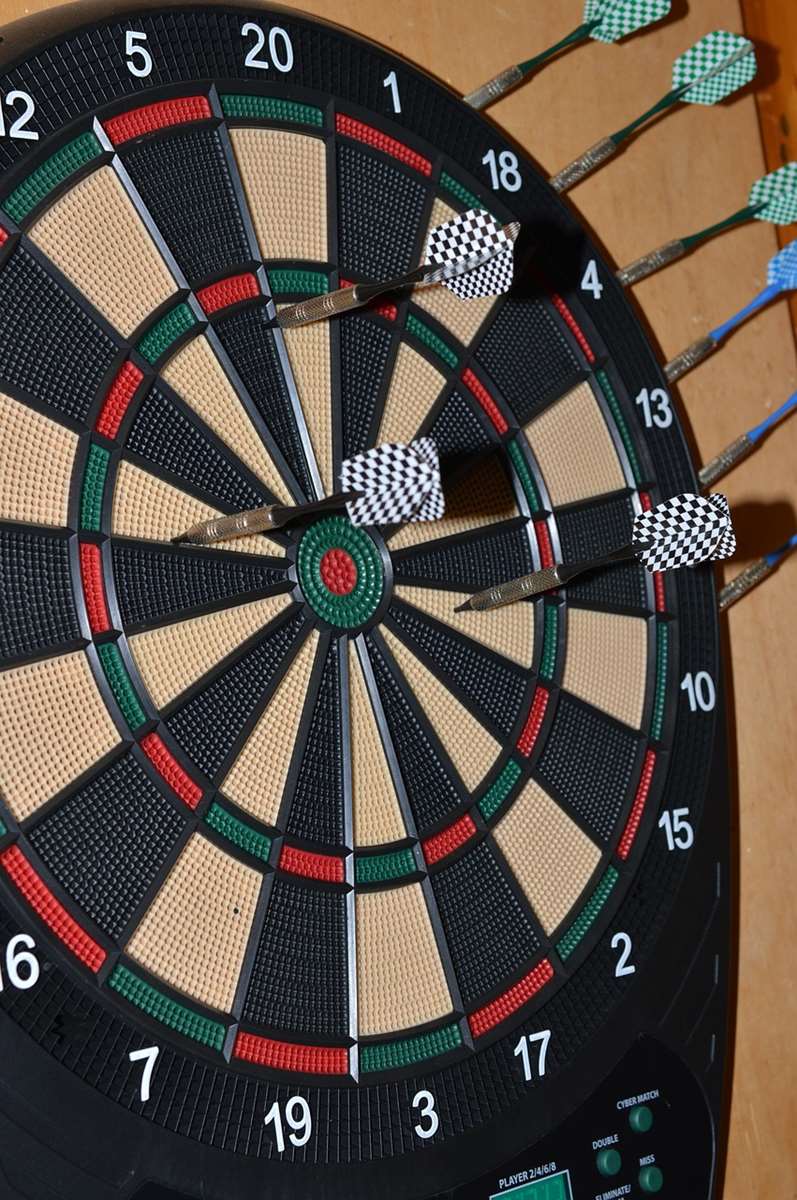
Weight: Finding Your Perfect Balance
One of the first considerations when choosing darts is the weight. Most professional players use darts ranging from 22 to 26 grams, but this isn’t a hard and fast rule. The “ideal” weight is highly personal and depends on your throwing style and the amount of force you naturally generate. Heavier darts tend to fly straighter and are less affected by minor inconsistencies in your throw, which are especially important when you want to Choose Best Dart Equipment. Lighter darts, on the other hand, may require a more refined technique but can offer greater control for some players.
- Experimentation is key: Try out different weights to see what feels most comfortable and produces the most consistent results.
- Consider your strength: If you have a naturally powerful throw, a heavier dart might be a better fit. If your throw is more delicate, a lighter dart might be preferable.
- Don’t be afraid to adjust: As your technique evolves, you may find that your preferred dart weight changes as well.
Barrel Shape: Streamlining Your Flight
The shape of the dart barrel is another critical factor influencing its flight characteristics. There are several common barrel shapes, each with its own advantages:
- Straight Barrel: This is the most common and versatile shape, offering a consistent grip point along the entire barrel.
- Torpedo Barrel: Tapered towards the front, this shape concentrates the weight in the front of the dart, promoting a more direct and stable flight.
- Bomb Barrel: Bulging in the middle, this shape provides a larger gripping surface and can be beneficial for players with larger hands.
- Scalloped Barrel: Features indentations or grooves that provide specific grip points.
Many pros opt for a straight barrel due to its versatility, but don’t be afraid to try different shapes to see what complements your grip and throwing motion. Understanding the various Types Optimal Dartboard Lighting is also crucial for maintaining consistent visuals while experimenting with different dart configurations.
Material Matters: Tungsten vs. Brass
The material used to construct the dart barrel significantly impacts its durability, density, and price. The two most common materials are:
- Tungsten: A dense and durable metal, tungsten allows for slimmer barrels, which can improve grouping by reducing deflection on the dartboard. Tungsten darts are generally more expensive but are considered the gold standard for professional players.
- Brass: A more affordable option, brass is less dense than tungsten, resulting in thicker barrels. While brass darts are a good starting point for beginners, they are not typically preferred by pros due to their bulkier size and lower durability.
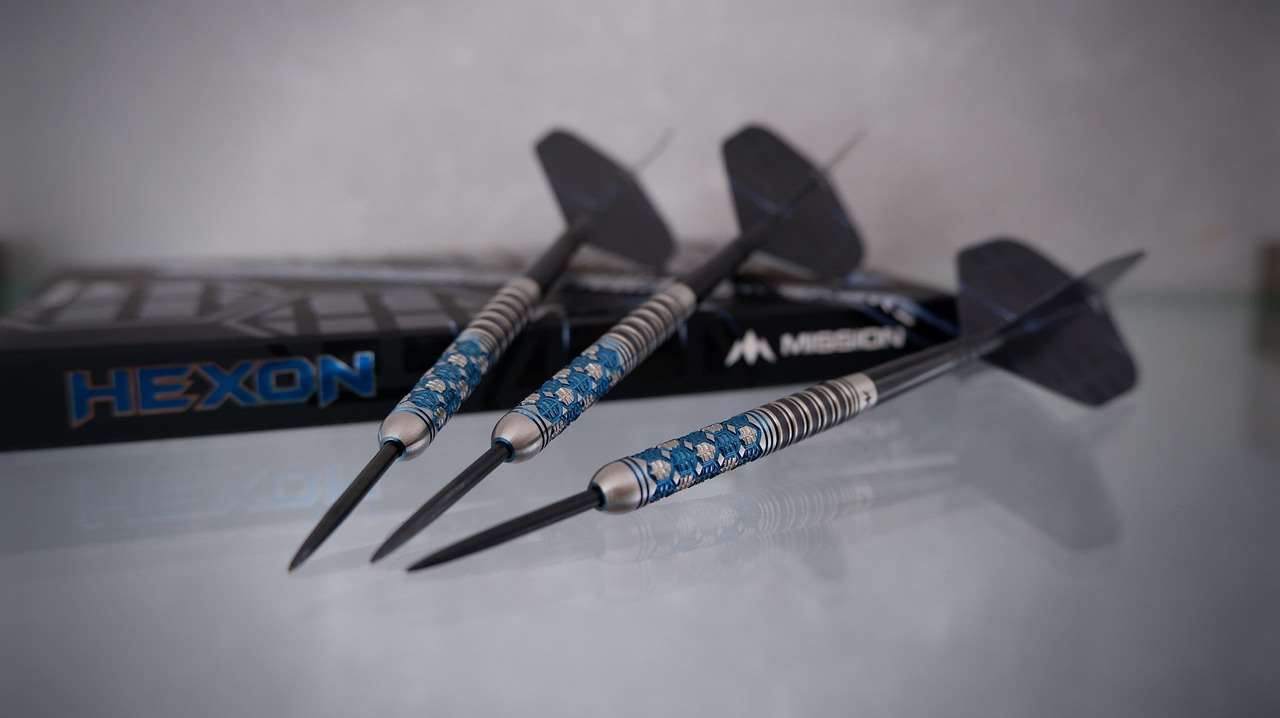
The higher the tungsten percentage, the slimmer the dart can be. A 90% tungsten dart will be noticeably slimmer than an 80% tungsten dart of the same weight. Pro players often choose high tungsten content darts for maximum grouping potential.
Grip Style: Finding Your Perfect Feel
The grip on a dart barrel refers to the texture or pattern that helps you maintain a secure hold. There are numerous grip styles, ranging from smooth to extremely aggressive:
- Smooth: Offers minimal grip, ideal for players who prefer a very relaxed hold.
- Ringed: Features a series of raised rings that provide a consistent and comfortable grip.
- Knurled: A textured surface created by crisscrossing lines, offering a more aggressive grip.
- Micro-Grip: A fine, subtle texture that provides a balance of grip and feel.
Pro players often develop preferences for specific grip styles based on their individual throwing mechanics and hand dryness. Experimenting with different grip styles is essential to finding one that feels natural and allows for a consistent release. Consider also if you need Reduce Dartboard Shadows Effectively so you can see the barrel grip while you are setting up for your throw.
Analyzing Pro Player Dart Specs: Case Studies
Let’s examine the dart specifications of a few well-known professional players to illustrate the diversity of preferences:
- Michael van Gerwen: Known for his powerful throw, Van Gerwen uses 23g darts with a torpedo-shaped barrel and a ringed grip. The front-weighted barrel complements his aggressive throwing style.
- Peter Wright: Wright’s darts often vary in weight and design, but he frequently uses darts in the 21-25g range with straight barrels and a combination of ringed and knurled grips.
- Gerwyn Price: Price, another powerful thrower, typically uses 24g darts with a straight barrel and a micro-grip, providing a consistent and comfortable hold.
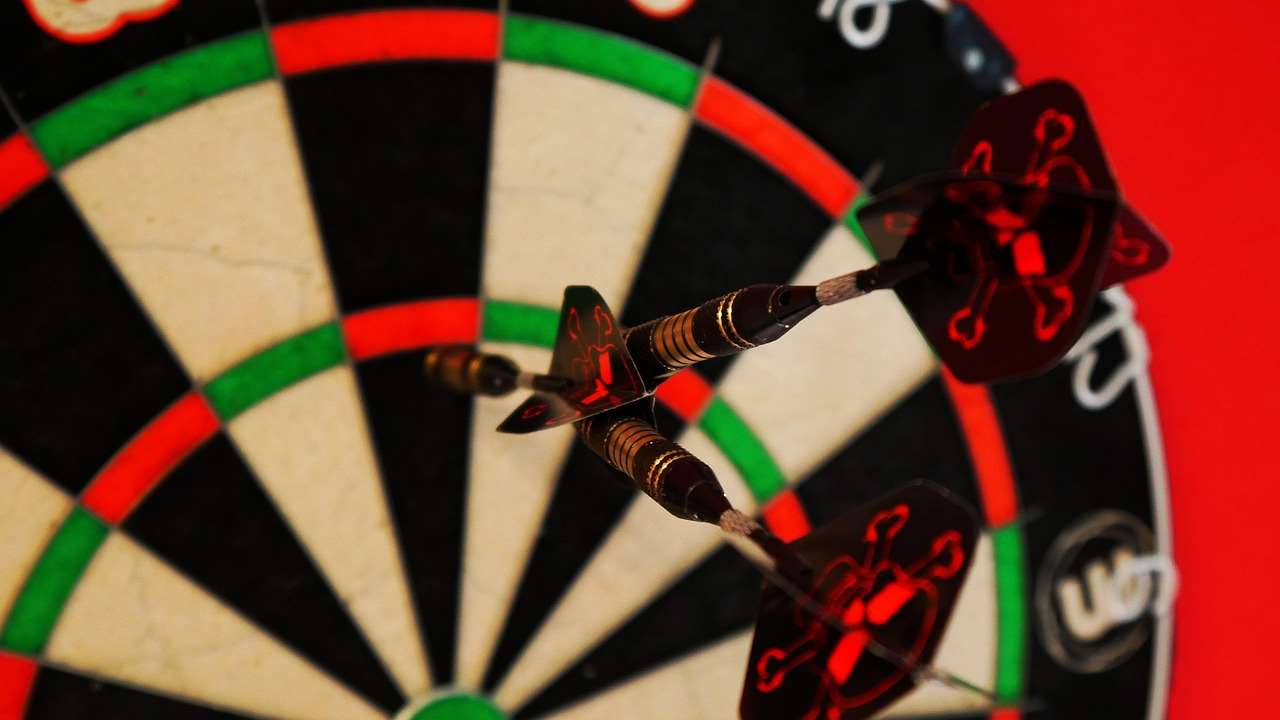
These examples highlight that there is no single “correct” dart setup. The ideal specs are determined by individual preferences and throwing styles. A **Pro Player Dart Specs Detailed Analysis** reveals trends, but personal testing remains paramount.
Flights and Shafts: Fine-Tuning Your Trajectory
While the barrel gets most of the attention, the flights and shafts also play a crucial role in dart flight. Flights affect the dart’s stability and trajectory, while shafts influence its overall length and balance.
- Flights: Available in various shapes and sizes, flights control the amount of drag on the dart. Larger flights provide more stability but can slow the dart down, while smaller flights offer less drag but require a more precise throw.
- Shafts: Typically made of nylon, aluminum, or carbon fiber, shafts connect the flight to the barrel. Longer shafts increase the overall length of the dart, shifting the center of gravity towards the back, while shorter shafts shift it forward.
Experimenting with different flight and shaft combinations can fine-tune your dart’s trajectory and improve its consistency. Consider factors like your throwing speed and the angle at which you release the dart.
Putting It All Together: Finding Your Perfect Dart Setup
Armed with a better understanding of dart specs, how can you find the perfect setup for your own game? Here’s a step-by-step approach:
- Start with a range of weights: Purchase a set of darts in various weights (e.g., 22g, 24g, 26g) to experiment with.
- Try different barrel shapes: Borrow or purchase darts with different barrel shapes to see what feels most comfortable in your hand.
- Experiment with grip styles: Test out darts with different grip styles to find one that provides a secure and consistent hold.
- Pay attention to flights and shafts: Don’t neglect the impact of flights and shafts on your dart’s trajectory. Experiment with different combinations to fine-tune your setup.
- Record your results: Keep track of your scores and analyze your performance with each dart setup. This will help you identify the specs that work best for you.
Remember, finding the perfect dart setup is a process of trial and error. Be patient, persistent, and willing to experiment until you discover the combination that maximizes your accuracy and consistency. The Optimal Dartboard Lighting Solutions Guide can also help you see your darts clearly during this crucial experimentation phase.
Beyond the Specs: The Mental Game
While having the right equipment is important, it’s crucial to remember that darts is also a mental game. Even the most perfectly crafted dart will not compensate for a lack of focus, confidence, or mental fortitude. Developing a strong mental game involves:
- Visualization: Practicing mental imagery to visualize successful throws.
- Focus: Maintaining concentration and blocking out distractions.
- Confidence: Believing in your ability to perform under pressure.
- Resilience: Bouncing back from setbacks and learning from mistakes.
Combining the right equipment with a strong mental game is the key to achieving your full potential as a dart player.
The Future of Dart Technology
Dart technology continues to evolve, with manufacturers constantly exploring new materials, designs, and features. Expect to see further advancements in tungsten alloys, grip technology, and aerodynamic design. As technology advances, remember to still focus on fundamentals. Getting advice on How To Light Your Dartboard can also help improve your game.
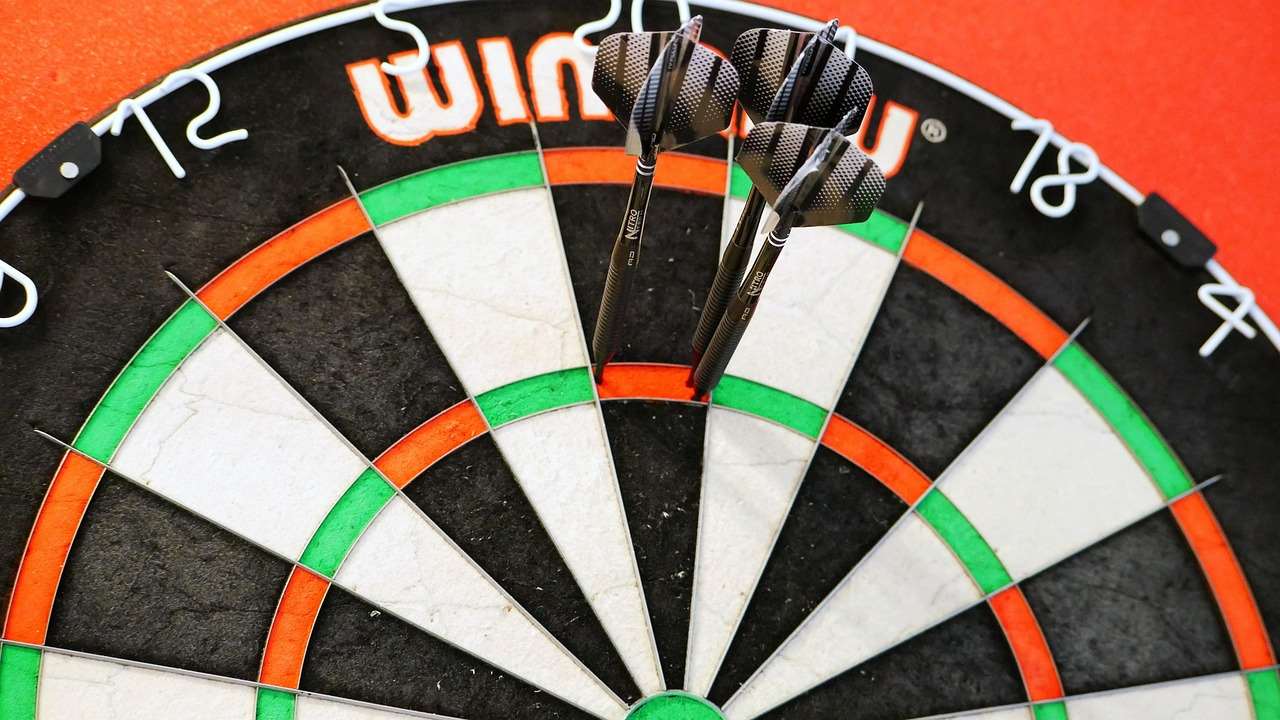
The ongoing **Pro Player Dart Specs Detailed Analysis** will undoubtedly contribute to improved performance and greater enjoyment of the game for players of all skill levels. By understanding the science behind dart design and tailoring your equipment to your individual needs, you can unlock your full potential on the oche.
Conclusion: Elevate Your Game Through Informed Choices
This **Pro Player Dart Specs Detailed Analysis** has provided a comprehensive overview of the factors that influence dart performance. From weight and barrel shape to grip style, flights, and shafts, each element plays a crucial role in determining a dart’s flight characteristics and suitability for a particular player. By understanding these factors and experimenting with different setups, you can identify the perfect darts to elevate your game. Remember to focus on both the physical and mental aspects of darts, and stay informed about the latest advancements in dart technology. Now that you understand the nuances of dart specs, take the next step: experiment, analyze, and refine your setup to unleash your full potential on the dartboard. Visit your local darts retailer, test out different options, and begin your journey to becoming a more consistent and accurate player!

Hi, I’m Dieter, and I created Dartcounter (Dartcounterapp.com). My motivation wasn’t being a darts expert – quite the opposite! When I first started playing, I loved the game but found keeping accurate scores and tracking stats difficult and distracting.
I figured I couldn’t be the only one struggling with this. So, I decided to build a solution: an easy-to-use application that everyone, no matter their experience level, could use to manage scoring effortlessly.
My goal for Dartcounter was simple: let the app handle the numbers – the scoring, the averages, the stats, even checkout suggestions – so players could focus purely on their throw and enjoying the game. It began as a way to solve my own beginner’s problem, and I’m thrilled it has grown into a helpful tool for the wider darts community.