Preventing darts related injuries starts with awareness and implementing simple safety measures; this article provides practical steps to minimize risks associated with playing darts. You’ll learn about proper setup, throwing techniques, safety protocols, and injury management to enjoy darts safely.
⚠️ Still Using Pen & Paper (or a Chalkboard)?! ⚠️
Step into the future! The Dart Counter App handles all the scoring, suggests checkouts, and tracks your stats automatically. It's easier than you think!
Try the Smart Dart Counter App FREE!Ready for an upgrade? Click above!
The Importance of Preventing Darts Related Injuries
Darts is a fun and engaging game, but like any sport, it comes with potential risks. From minor strains to more serious injuries, it’s crucial to understand the common pitfalls and how to avoid them. The key to preventing darts related injuries lies in preparation, technique, and adherence to safety guidelines. Neglecting these can lead to unnecessary discomfort and impact your enjoyment of the game.
Many people underestimate the physical demands of darts. Consistent throwing motions, repetitive strain on certain muscle groups, and even poor posture can contribute to injuries. By implementing preventative measures, players can significantly reduce the likelihood of these issues arising.
Setting Up Your Dartboard Safely
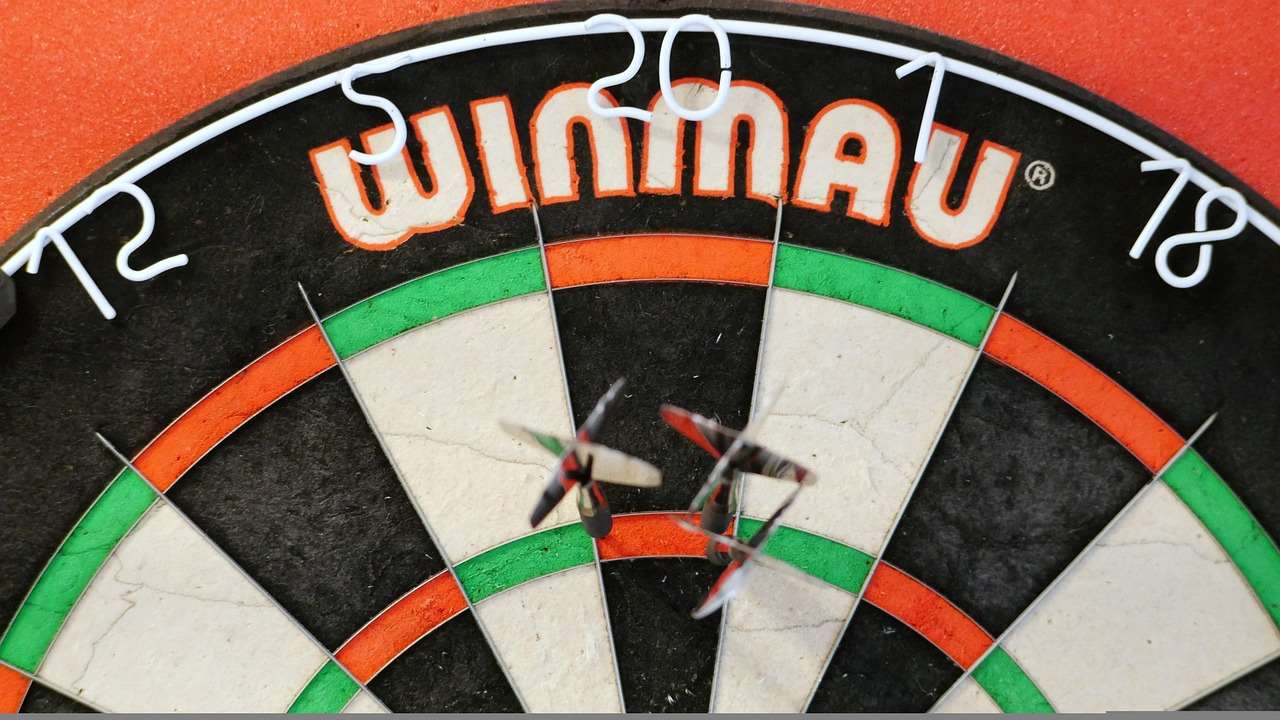
A safe playing environment is the foundation of preventing darts related injuries. The way you set up your dartboard plays a critical role in minimizing risks. Let’s consider the key steps:
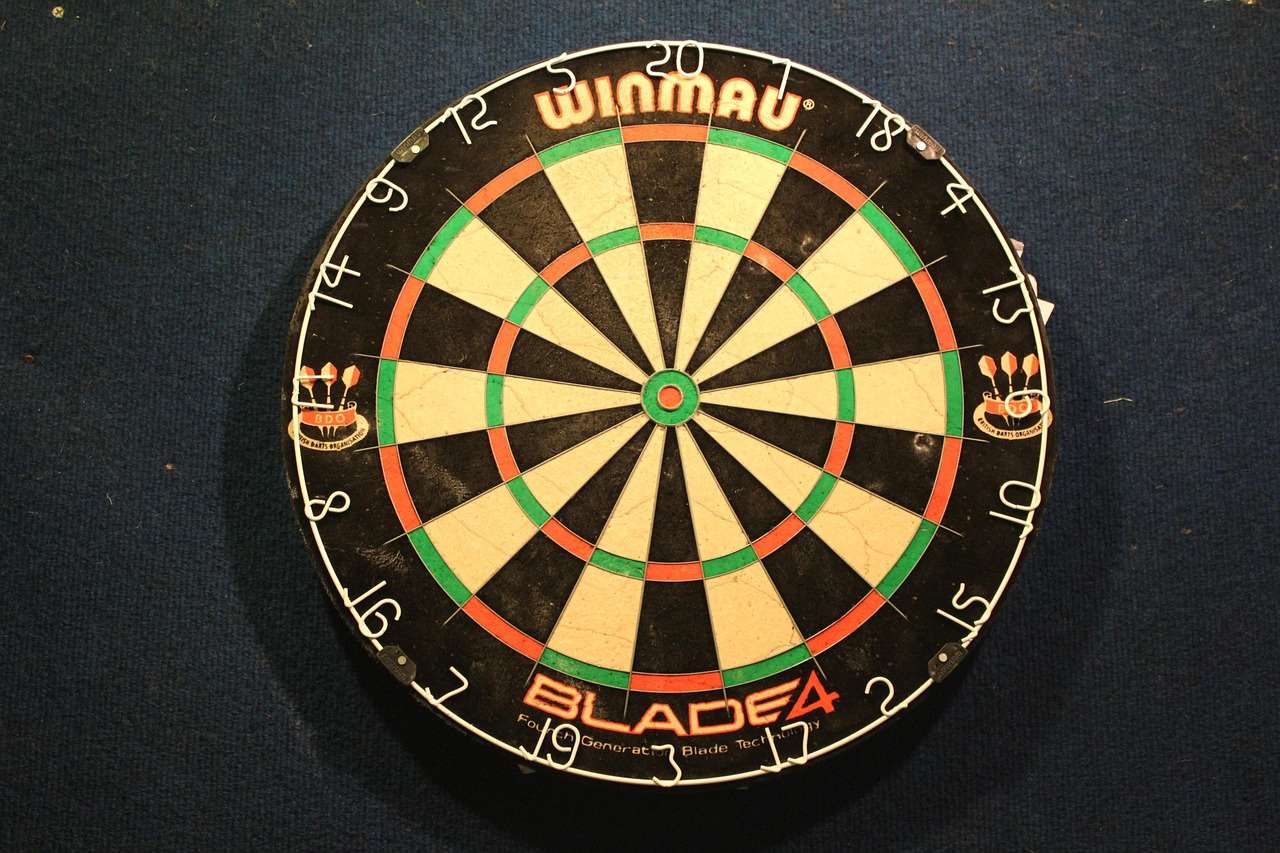
- Height and Distance: Ensure the dartboard is hung at the regulation height of 5 feet 8 inches (1.73 meters) to the center bullseye. The oche (throwing line) should be 7 feet 9.25 inches (2.37 meters) from the face of the dartboard.
- Clear Surroundings: The area around the dartboard should be free from obstructions. This includes furniture, people, and anything else that could be accidentally hit by a stray dart. Provide ample space for players to move freely without bumping into anything.
- Proper Lighting: Good lighting is essential for accurate throwing and reducing eye strain. Ensure the dartboard is well-lit, ideally with a dedicated lighting system that illuminates the board evenly. Shadows can distort your perception and increase the risk of misthrows.
- Dartboard Surround: Invest in a dartboard surround to protect the surrounding wall from stray darts. This not only prevents damage to your walls but also reduces the risk of bounce-outs hitting someone.
Considering space constraints? You may need to look at Adapting darts rules for small spaces: tips and tricks.
Choosing the Right Dartboard and Darts
The equipment you use can also impact your safety. A poorly made dartboard or improperly weighted darts can increase the risk of bounce-outs and inaccurate throws. Consider the following:
- Dartboard Quality: Choose a high-quality dartboard made from sisal fibers. These boards are more durable and offer better dart retention, reducing the chance of bounce-outs.
- Dart Weight and Grip: Experiment with different dart weights and grip styles to find what works best for you. A comfortable and well-balanced dart will improve your accuracy and reduce strain on your wrist and arm.
- Dart Maintenance: Regularly check your darts for any damage, such as bent points or loose flights. Damaged darts are more likely to cause bounce-outs and can also be dangerous.
Mastering Proper Throwing Technique
Developing a good throwing technique is not only crucial for improving your game but also for preventing repetitive strain injuries. Poor technique can place undue stress on your muscles and joints, leading to pain and discomfort.
- Stance and Posture: Maintain a stable and balanced stance with your weight evenly distributed. Your posture should be upright and relaxed, avoiding any unnecessary tension in your back or shoulders.
- Grip: Hold the dart firmly but not too tightly. A death grip can lead to muscle fatigue and decreased accuracy. Experiment with different grip styles to find what feels most comfortable and natural.
- Arm Motion: Your throwing motion should be smooth and fluid, originating from your shoulder and elbow. Avoid jerky or forced movements, which can strain your muscles.
- Follow-Through: Follow through with your arm motion after releasing the dart. This helps to maintain accuracy and prevents you from stopping your motion abruptly, which can strain your elbow.
For those just starting out, it’s important to learn Basic Darts Fundamentals for Beginners.
Common Darts Injuries and How to Prevent Them
Understanding the common injuries associated with darts is essential for preventing darts related injuries. By knowing what to look out for, you can take proactive steps to minimize your risk.
- Dartitis: Often psychological but potentially physical, dartitis is characterized by a sudden inability to release the dart correctly. Managing stress and anxiety is crucial in preventing this.
- Elbow Pain (Epicondylitis/Golfer’s Elbow): Repetitive throwing motions can strain the tendons around the elbow. Proper technique, stretching, and strengthening exercises can help prevent this.
- Shoulder Pain: Overuse of the shoulder muscles can lead to pain and inflammation. Warming up before playing and using proper throwing technique are essential.
- Wrist Pain (Carpal Tunnel Syndrome): Repetitive wrist movements can compress the median nerve in the wrist, causing pain, numbness, and tingling. Maintaining good wrist posture and avoiding excessive bending or flexing can help.
- Back Pain: Poor posture and prolonged standing can contribute to back pain. Maintaining good posture, taking breaks to stretch, and using a supportive surface can help.
- Eye Strain: Focusing intently on the dartboard for extended periods can cause eye strain. Taking breaks to rest your eyes and ensuring adequate lighting can help prevent this.
Remember to focus on good form to prevent injury. Sometimes it may be necessary to consider Modifying rules for mixed-level dart players to encourage more relaxed play.
Warm-Up and Cool-Down Exercises
Just like any sport, warming up before playing darts and cooling down afterwards is crucial for preventing muscle strains and injuries. Warm-up exercises prepare your muscles for activity, while cool-down exercises help them recover.
Warm-Up Exercises:
- Arm Circles: Perform arm circles in both directions to warm up your shoulder muscles.
- Wrist Rotations: Rotate your wrists in both directions to improve flexibility and prevent carpal tunnel syndrome.
- Elbow Flexions: Bend and straighten your elbows to warm up the tendons around the elbow.
- Shoulder Stretches: Perform shoulder stretches to improve flexibility and prevent shoulder pain.
- Light Cardio: A few minutes of light cardio, such as jogging in place or jumping jacks, can help to increase blood flow to your muscles.
Cool-Down Exercises:
- Static Stretches: Hold each stretch for 20-30 seconds to allow your muscles to relax and recover. Focus on stretching your shoulders, elbows, wrists, and back.
- Gentle Movements: Perform gentle movements to promote blood flow and reduce muscle stiffness.
Stretching and Strengthening Exercises for Dart Players
Regular stretching and strengthening exercises can help to improve your flexibility, strength, and endurance, further aiding in preventing darts related injuries. Focus on exercises that target the muscles used in throwing darts.
Stretching Exercises:
- Shoulder Stretch: Reach one arm across your body and gently pull it towards you with your other arm. Hold for 20-30 seconds.
- Elbow Stretch: Extend one arm straight out and bend your wrist down, pointing your fingers towards the ground. Gently pull your fingers back towards you with your other hand. Hold for 20-30 seconds.
- Wrist Stretch: Extend one arm straight out and make a fist. Gently rotate your wrist in both directions.
- Back Stretch: Sit in a chair with your feet flat on the ground. Twist your torso to one side and hold for 20-30 seconds. Repeat on the other side.
Strengthening Exercises:
- Wrist Curls: Hold a light dumbbell in your hand and bend your wrist up and down.
- Reverse Wrist Curls: Hold a light dumbbell in your hand and bend your wrist up and down with your palm facing down.
- Bicep Curls: Hold a light dumbbell in your hand and curl it up towards your shoulder.
- Tricep Extensions: Hold a light dumbbell in your hand and extend it overhead, bending your elbow behind you.
- Shoulder Raises: Hold a light dumbbell in each hand and raise your arms out to the sides.
Adapting the game for younger players is also important. See Adapting dart game rules for children.
Hydration and Nutrition for Dart Players
Proper hydration and nutrition are often overlooked, but they play a vital role in your overall performance and in preventing injuries related to fatigue. Dehydration and poor nutrition can lead to muscle cramps, fatigue, and decreased concentration.
- Hydration: Drink plenty of water before, during, and after playing darts. Aim for at least 8 glasses of water per day. Avoid sugary drinks, which can lead to dehydration.
- Nutrition: Eat a balanced diet that includes plenty of fruits, vegetables, whole grains, and lean protein. Avoid processed foods, which can be high in sugar, salt, and unhealthy fats.
- Pre-Game Meal: Eat a light and easily digestible meal 1-2 hours before playing darts. This could include a sandwich, a bowl of oatmeal, or a piece of fruit.
- Snacks: Keep healthy snacks on hand, such as fruits, vegetables, nuts, or yogurt. These can help to keep your energy levels up during long games.
First Aid for Darts Related Injuries
Even with the best preventative measures, minor injuries can still occur. Knowing basic first aid can help you manage these injuries effectively and prevent them from becoming more serious.
- Cuts and Abrasions: Clean the wound with soap and water and apply a bandage.
- Sprains and Strains: Apply ice to the affected area for 20 minutes at a time, several times a day. Elevate the injured limb and rest it as much as possible.
- Muscle Cramps: Gently stretch the affected muscle and massage it. Drink plenty of water.
- Eye Injuries: If a dart accidentally hits your eye, seek immediate medical attention.
Remember, always consult a healthcare professional for any serious injuries or concerns.
Maintaining a Safe Playing Environment
Beyond the dartboard setup, creating and maintaining a safe playing environment is essential. This includes establishing clear rules and enforcing them consistently.
- No Throwing When Others Are Near: Enforce a strict rule that no one should throw darts when someone is near the dartboard or retrieving their darts.
- Designated Throwing Area: Clearly mark the throwing area to prevent accidental crossings during play.
- Responsible Behavior: Discourage horseplay and ensure players are aware of the potential dangers of throwing darts carelessly.
- Regular Equipment Checks: Regularly inspect darts for damage and replace them as needed.

The Psychological Aspect of Darts and Injury Prevention
While many injuries are physical, the psychological aspect of darts, especially stress and pressure, can contribute to conditions like dartitis, which can hinder your ability to throw and potentially lead to compensating with poor form, increasing the risk of physical injury. Managing performance anxiety and stress is vital for both your game and your well-being.
- Mindfulness Techniques: Practicing mindfulness techniques, such as deep breathing or meditation, can help you stay calm and focused during games.
- Positive Self-Talk: Replace negative thoughts with positive affirmations to boost your confidence and reduce anxiety.
- Visualization: Visualize yourself throwing darts accurately and confidently to improve your mental game.
- Focus on the Process, Not the Outcome: Concentrate on your technique and strategy rather than dwelling on the score.
Adapting Your Game to Prevent Injury
Sometimes, accepting that you need to modify your game or take breaks is the best way of preventing darts related injuries. Listen to your body and don’t push yourself beyond your limits.
- Take Breaks: Take regular breaks during long games to rest your muscles and eyes.
- Adjust Your Technique: If you experience pain or discomfort, consider adjusting your throwing technique to reduce stress on your muscles and joints.
- Reduce Playing Time: If you are prone to injuries, consider reducing the amount of time you spend playing darts.
- Seek Professional Advice: If you experience persistent pain or discomfort, consult a doctor or physical therapist.
Conclusion: Enjoy Darts Safely
Preventing darts related injuries requires a proactive approach that encompasses proper setup, technique, warm-up exercises, stretching, hydration, and a safe playing environment. By following the guidelines outlined in this article, you can significantly reduce your risk of injury and enjoy the game of darts for years to come. Remember, safety should always be your top priority. So, practice responsibly, listen to your body, and prioritize your well-being. Are you ready to implement these strategies and ensure safe gameplay? Get started today and make every dart throw a safe and enjoyable one!

Hi, I’m Dieter, and I created Dartcounter (Dartcounterapp.com). My motivation wasn’t being a darts expert – quite the opposite! When I first started playing, I loved the game but found keeping accurate scores and tracking stats difficult and distracting.
I figured I couldn’t be the only one struggling with this. So, I decided to build a solution: an easy-to-use application that everyone, no matter their experience level, could use to manage scoring effortlessly.
My goal for Dartcounter was simple: let the app handle the numbers – the scoring, the averages, the stats, even checkout suggestions – so players could focus purely on their throw and enjoying the game. It began as a way to solve my own beginner’s problem, and I’m thrilled it has grown into a helpful tool for the wider darts community.