Preserving old dart game heritage is vital to maintaining a connection to our cultural history, celebrating the ingenuity of past generations, and ensuring these fascinating games are not forgotten. This article will explore the importance of this preservation effort, delve into various historical dart games, and offer practical advice on how you can contribute to safeguarding this legacy.
⚠️ Still Using Pen & Paper (or a Chalkboard)?! ⚠️
Step into the future! The Dart Counter App handles all the scoring, suggests checkouts, and tracks your stats automatically. It's easier than you think!
Try the Smart Dart Counter App FREE!Ready for an upgrade? Click above!
Why is Preserving Old Dart Game Heritage Important?
The importance of preserving old dart game heritage extends beyond simple nostalgia. These games represent a tangible link to the past, reflecting the social customs, recreational activities, and even the economic realities of bygone eras. They offer a unique window into the lives of our ancestors and provide valuable insights into the evolution of leisure and entertainment. One way to learn more about specific games is to look into old dart games rules. Without conscious effort to document and maintain them, these games risk fading into obscurity, lost forever to future generations.
Furthermore, many of these older dart games are inherently different from the standardized games we play today, such as 501. They often feature unique rules, scoring systems, and even dartboard designs, offering a refreshing alternative to the familiar. Preserving this diversity enriches the overall darting experience and encourages creativity and innovation within the sport.
The Social and Cultural Significance
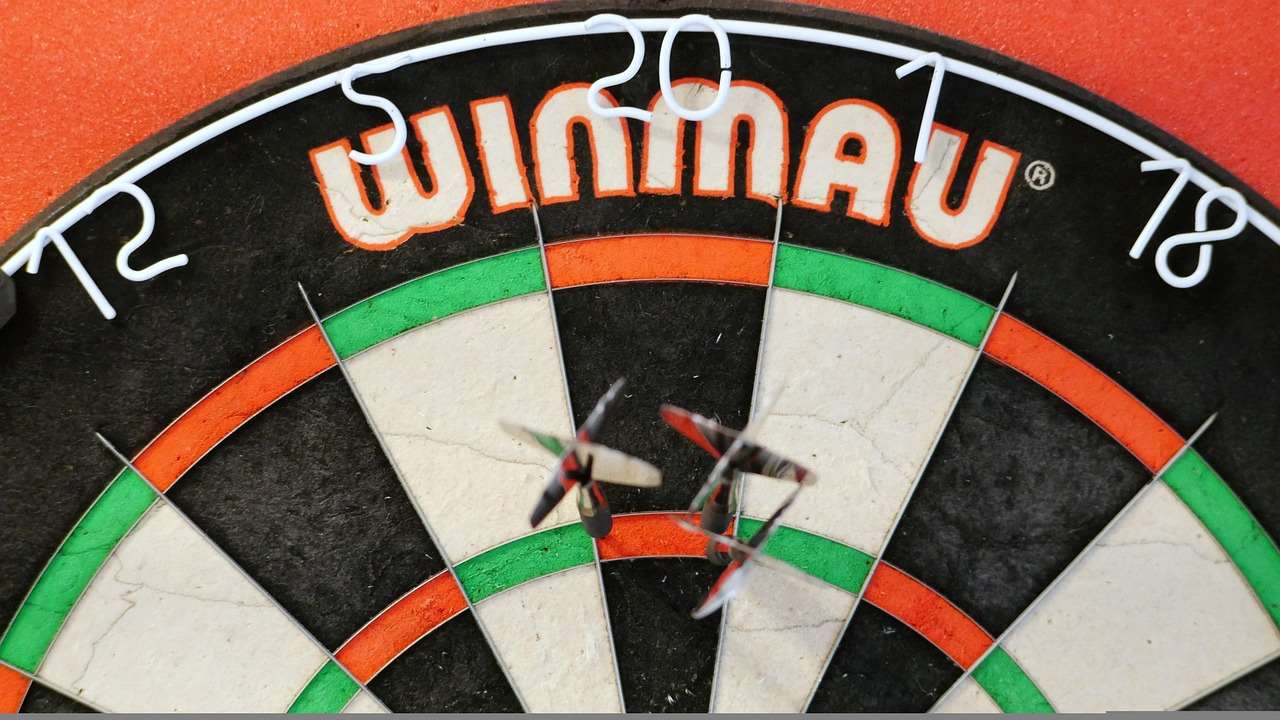
Dart games have historically been a communal activity, played in pubs, clubs, and even homes. They fostered social interaction, friendly competition, and a sense of belonging. Understanding the origins and evolution of these games allows us to appreciate their enduring social and cultural significance. Many historical dart game variations, for example, were tied to specific regions or communities, reflecting local traditions and customs.
Exploring Historical Dart Games
Before the advent of standardized dart games like 501, a myriad of different dart games were played across the United Kingdom and beyond. These games often had regional variations and unique rules, reflecting the creativity and ingenuity of the players. Let’s explore a few examples:
- Clock: In this game, players aim to hit each number on the dartboard in sequence, from 1 to 20. The first player to complete the circuit wins.
- Cricket: A strategic game involving marking numbers (usually 15-20 and the bullseye) by hitting them three times. Players score points only on marked numbers, and the goal is to “close” all marked numbers before your opponent.
- Round the World: Similar to Clock, but often more challenging, requiring players to hit each number in order, sometimes including doubles and trebles.
These are just a few examples of the diverse range of historical dart games that once thrived. Investigating dart games before 501 invented reveals how much has been lost to time, and highlights the importance of recovery efforts.
Victorian Era Dart Games
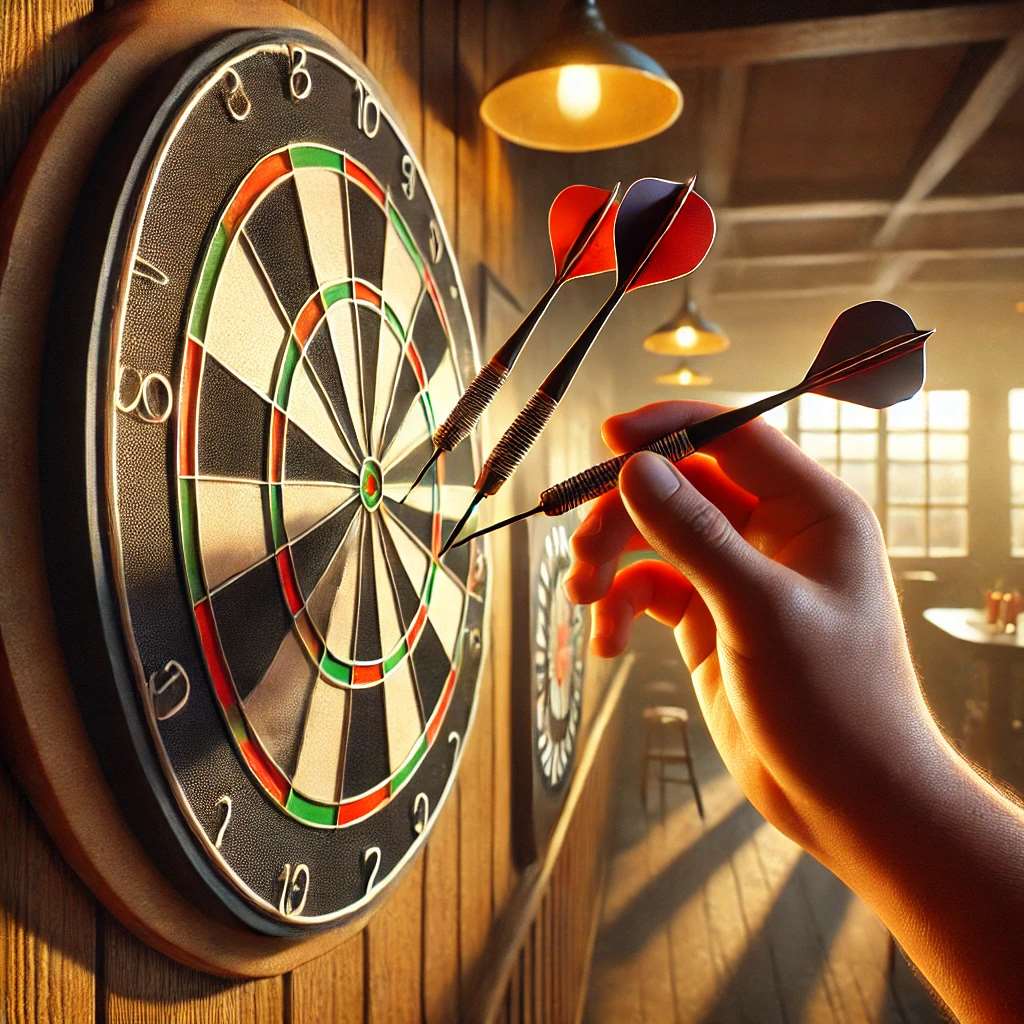
The Victorian era witnessed a surge in popularity for dart games, with numerous variations emerging during this period. These games often reflected the social etiquette and recreational preferences of the time. Exploring Victorian era dart games offers a fascinating glimpse into the leisure activities of this era. Many of these games featured intricate scoring systems and required a high degree of skill and precision.
How to Contribute to Preserving Old Dart Game Heritage
Preserving old dart game heritage is a collective effort, requiring the participation of individuals, communities, and organizations. Here are some practical ways you can contribute:
- Research and Documentation: Delve into local archives, libraries, and historical societies to uncover information about old dart games played in your region. Document the rules, scoring systems, and any anecdotes or stories associated with these games.
- Oral Histories: Interview older members of your community who may have played these games in their youth. Capture their memories and experiences, preserving valuable firsthand accounts.
- Recreation and Promotion: Organize events or tournaments featuring these historical dart games. Promote them through social media, local newspapers, and community organizations.
Actively participating in these types of activities can greatly improve the longevity of those forgotten pub dart games, and similar darting traditions.
Creating a Living Archive
A living archive is a dynamic and interactive resource that keeps the memory of these old games alive. This could involve:
- Online Resources: Creating websites or online databases dedicated to documenting and sharing information about historical dart games.
- Community Workshops: Hosting workshops where people can learn to play these games and share their knowledge.
- Museum Exhibits: Partnering with local museums to create exhibits showcasing the history and evolution of dart games.
The Role of Dart Collectors and Historians
Dart collectors and historians play a crucial role in preserving old dart game heritage. They meticulously collect antique dartboards, darts, and related paraphernalia, preserving these artifacts for future generations. Their research and scholarship contribute to our understanding of the history and evolution of dart games. There are even instructions on rare dart game instructions that collectors often look for.
Restoring and Maintaining Antique Dartboards
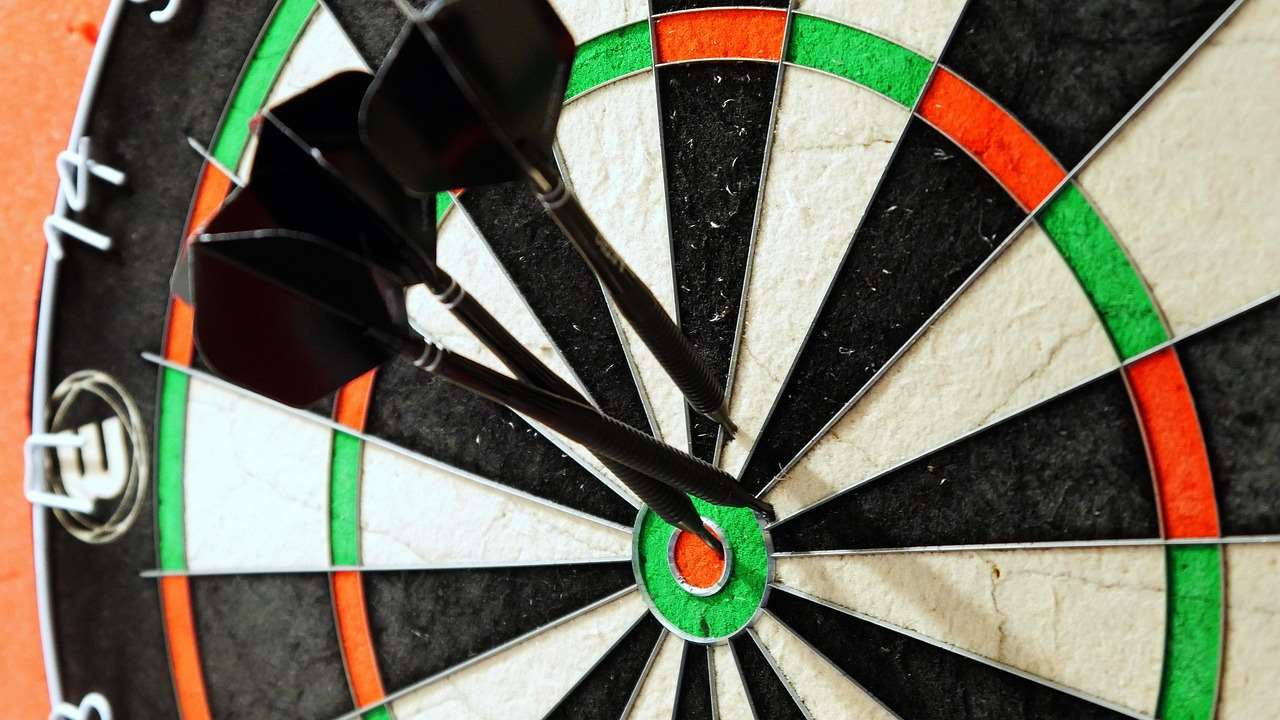
Antique dartboards often require careful restoration and maintenance to ensure their preservation. This may involve:
- Cleaning and Repair: Removing dirt, dust, and debris from the dartboard surface. Repairing any damage to the segments or wiring.
- Preservation Techniques: Applying protective coatings or sealants to prevent further deterioration.
- Proper Storage: Storing the dartboard in a climate-controlled environment to minimize the risk of damage from humidity or temperature fluctuations.
Embracing the Diversity of Dart Games
By actively preserving old dart game heritage, we can embrace the diversity of dart games and enrich the overall darting experience. These historical games offer a unique opportunity to explore the cultural and social context in which they were created. They also provide a refreshing alternative to the standardized games we play today, encouraging creativity and innovation. Examining the obscure dartboard games list can sometimes give rise to creative inspiration for modifying games.
The Future of Dart Game Heritage
The future of preserving old dart game heritage depends on our collective commitment to documenting, celebrating, and sharing these games with future generations. By embracing the diversity of dart games and actively participating in preservation efforts, we can ensure that these fascinating pieces of our cultural history are not forgotten. Even delving into the ancient dart throwing games can give valuable context for today’s forms of darts.
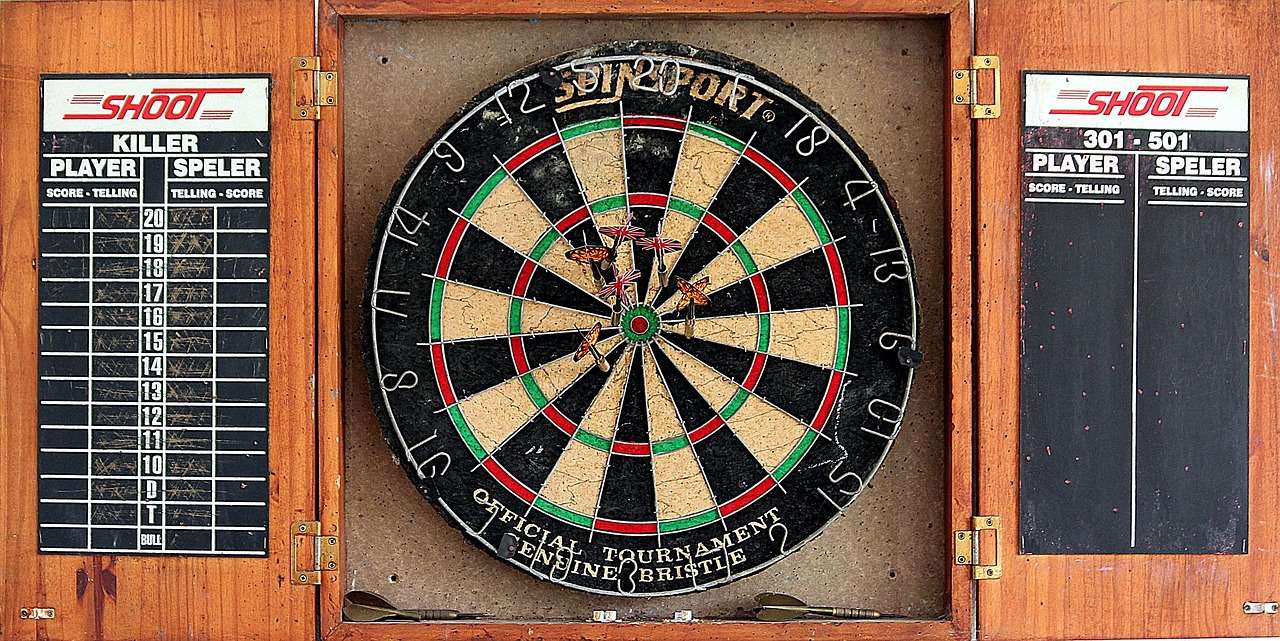
Furthermore, looking at darts as something beyond just a pub game, and truly understanding the fun to be had, as described in Darts Variants Fun Games, can also increase popularity, and therefore, historical preservation.
Conclusion
Preserving old dart game heritage is more than just a hobby; it’s an act of cultural stewardship. By understanding the importance of these games, exploring their history, and actively contributing to their preservation, we can ensure that they continue to be enjoyed and appreciated for generations to come. From researching and documenting to recreating and promoting, there are numerous ways to get involved. Embrace the opportunity to connect with the past and contribute to the future of this beloved pastime. Now is the time to start researching, playing, and sharing the rich heritage of old dart games. Consider joining a local dart club or historical society to further your involvement. Your contribution, no matter how small, can make a significant difference in preserving old dart game heritage.

Hi, I’m Dieter, and I created Dartcounter (Dartcounterapp.com). My motivation wasn’t being a darts expert – quite the opposite! When I first started playing, I loved the game but found keeping accurate scores and tracking stats difficult and distracting.
I figured I couldn’t be the only one struggling with this. So, I decided to build a solution: an easy-to-use application that everyone, no matter their experience level, could use to manage scoring effortlessly.
My goal for Dartcounter was simple: let the app handle the numbers – the scoring, the averages, the stats, even checkout suggestions – so players could focus purely on their throw and enjoying the game. It began as a way to solve my own beginner’s problem, and I’m thrilled it has grown into a helpful tool for the wider darts community.