Understanding the materials used in darts is crucial for improving your game; this Premium Dart Materials Overview will give you the knowledge to choose the best darts for your playing style and budget. We’ll explore the properties of various metals and other materials, helping you make an informed decision when selecting your next set of darts.
⚠️ Still Using Pen & Paper (or a Chalkboard)?! ⚠️
Step into the future! The Dart Counter App handles all the scoring, suggests checkouts, and tracks your stats automatically. It's easier than you think!
Try the Smart Dart Counter App FREE!Ready for an upgrade? Click above!
Premium Dart Materials Overview: What Makes a Great Dart?
When it comes to darts, the material they’re made from significantly impacts their performance, durability, and overall feel. From the classic appeal of brass to the high-density precision of tungsten, each material offers unique characteristics that cater to different players. The focus of this Premium Dart Materials Overview will be on how these materials affect factors like grip, balance, and flight stability.
The goal is to help you understand the nuances of dart barrel materials and other components, leading you to a set of darts that truly complements your throwing style. Let’s dive into the world of dart materials and discover what makes each one stand out. The quality of the dart shaft materials also plays a crucial role in overall dart performance.
Brass Darts: An Affordable Starting Point
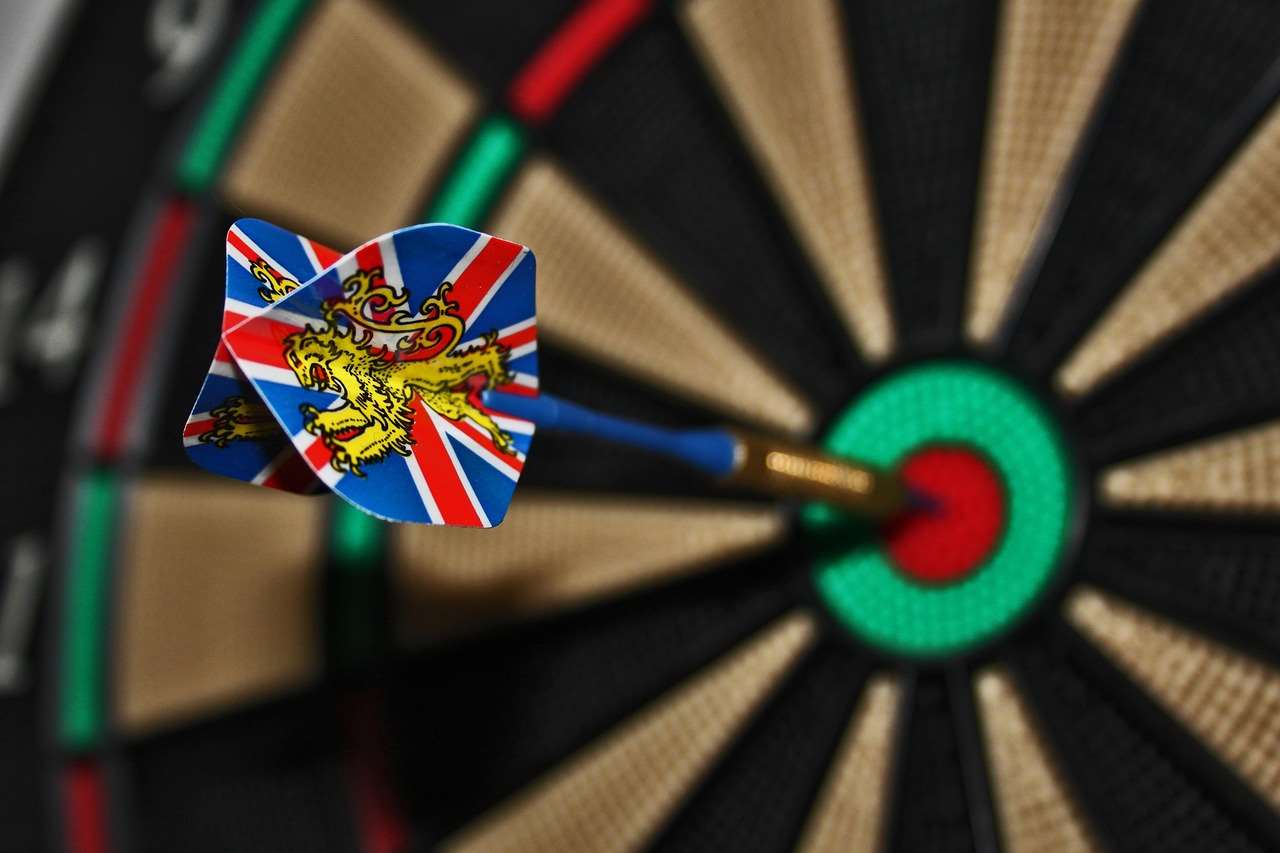
Brass darts are often the go-to choice for beginners due to their affordability and availability. Brass is a relatively soft metal, making it easy to machine and produce in large quantities. This translates to a lower price point, making it an accessible option for those just starting out in the world of darts. However, there are some drawbacks to consider.
- Pros:
- Affordable and widely available
- Good for beginners
- Easy to grip due to its inherent softness
- Cons:
- Less durable than other materials
- Bulky design due to lower density
- Wears down faster with frequent use
Because brass is less dense than other materials like tungsten, brass darts tend to be larger in diameter to achieve the same weight. This can make them feel less streamlined and potentially lead to more deflections on the dartboard. While brass darts provide a good entry point, consider upgrading to a denser material as you progress to enhance your accuracy and scoring potential. For more on making a great choice of what to buy, read Choose Best Dart Equipment.
Tungsten Darts: The Professional’s Choice
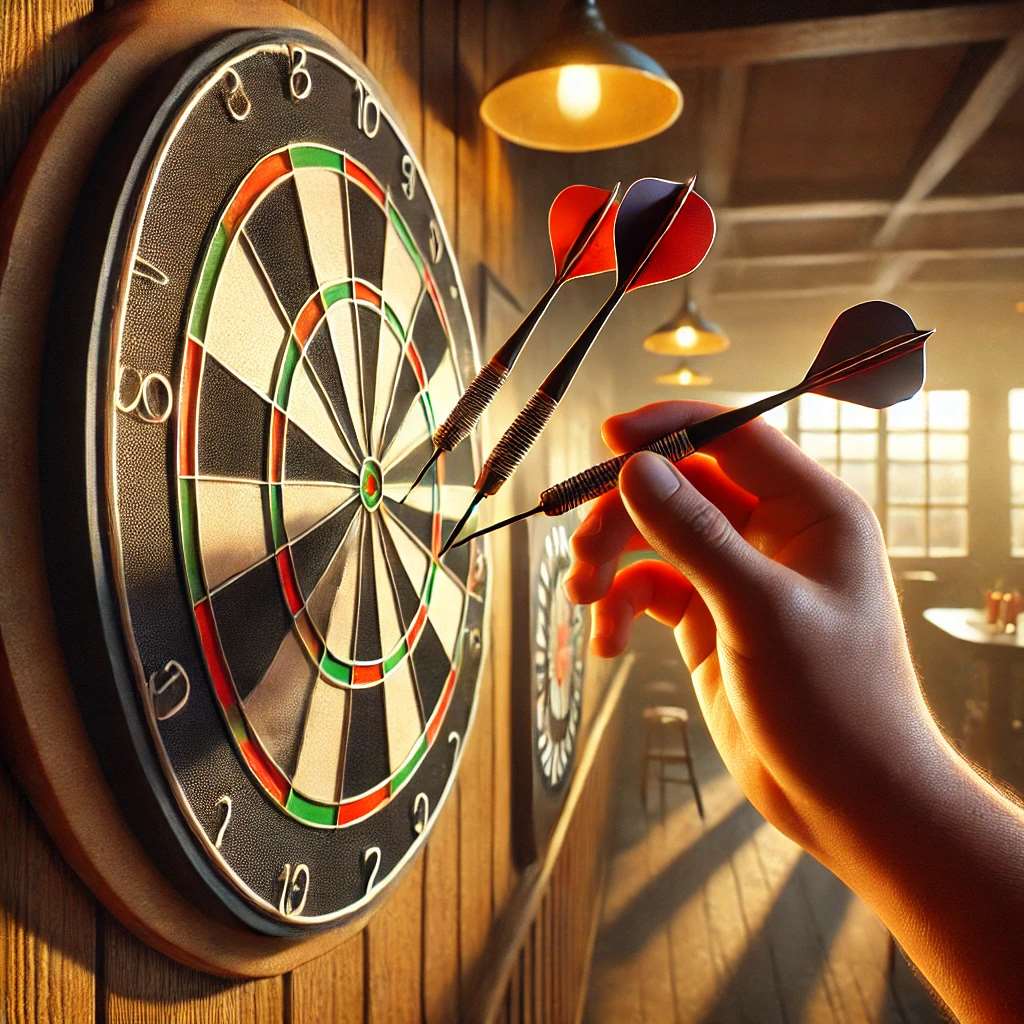
Tungsten darts are the preferred choice of professional dart players and serious enthusiasts. Tungsten is an incredibly dense metal, allowing for much slimmer dart barrels compared to brass or nickel silver. This slim profile reduces the chances of bounce-outs and allows for tighter groupings on the dartboard, ultimately boosting your scoring potential. Also, the best dart shaft materials are lightweight, helping the dart fly more accurately.
The higher the tungsten percentage in the alloy, the slimmer and denser the dart can be. Typically, tungsten darts range from 80% to 97% tungsten, with the remaining percentage consisting of nickel and sometimes other metals to improve machinability and durability. A higher tungsten percentage explained darts generally translates to a higher price point, but the performance benefits are undeniable for serious players.
Benefits of Using Tungsten Darts
- Slimmer Profile: Reduces bounce-outs and allows for tighter groupings.
- Higher Density: Allows for a smaller barrel while maintaining desired weight.
- Increased Durability: Tungsten is more resistant to wear and tear than softer metals.
- Improved Balance: A smaller barrel allows for more precise weight distribution.
While tungsten darts represent a significant investment, their superior performance and longevity make them a worthwhile upgrade for players looking to take their game to the next level. They improve dart shaft materials and give better results.
Nickel Silver Darts: A Mid-Range Option
Nickel silver darts occupy the middle ground between brass and tungsten in terms of price and performance. Nickel silver is an alloy composed primarily of copper, nickel, and zinc. It offers better durability than brass while remaining more affordable than tungsten. However, they aren’t as widely used anymore, so information about Nickel Silver Darts Full Info is less available.
Nickel silver darts offer a decent balance of affordability and performance, making them a suitable option for intermediate players or those looking to upgrade from brass without breaking the bank. While they don’t provide the same slim profile or density as tungsten darts, they still offer a noticeable improvement in durability and feel compared to brass. Many beginner darters find them acceptable if they are looking for Cheap Dart Materials Buying Guide information.
Understanding Dart Weight and Balance
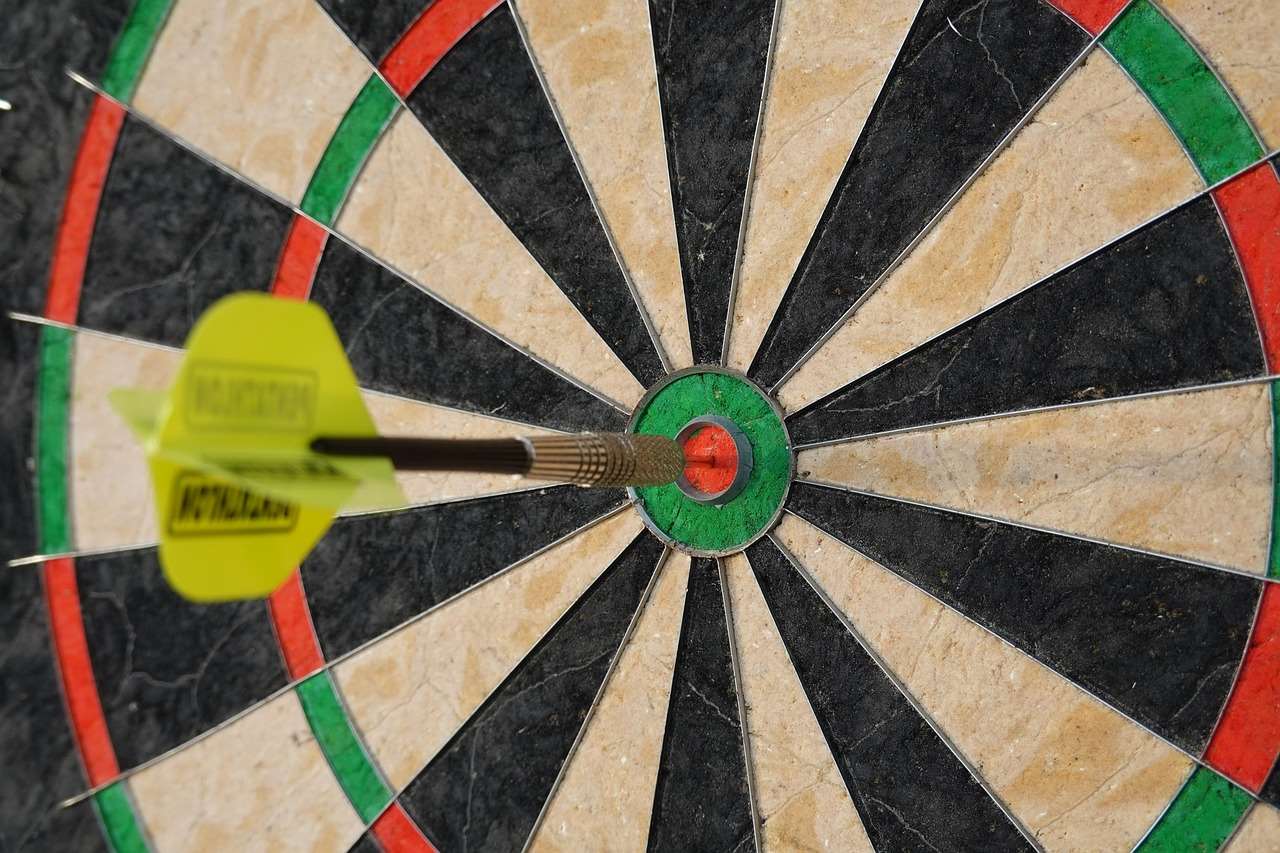
The weight and balance of your darts are crucial factors that influence your throwing style and accuracy. Different players prefer different weights and balance points, so it’s essential to experiment and find what works best for you.
Dart weight is typically measured in grams, ranging from around 18 grams to over 30 grams. Lighter darts generally require a faster throwing motion, while heavier darts tend to be more stable in flight and require a smoother, more controlled release. Ultimately, the ideal weight depends on your personal preference and throwing technique. If you want to discover the Best Material For Darts Barrels, there are many factors to consider.
Balance refers to the distribution of weight along the length of the dart barrel. Front-weighted darts tend to fly straighter, while center-weighted darts offer more versatility and control. Rear-weighted darts can be more forgiving for players with a less consistent release.
Other Materials Used in Darts: Shafts, Flights, and Tips
While the dart barrel is the most critical component, the materials used in the shafts, flights, and tips also play a significant role in the dart’s overall performance.
- Shafts: Dart shafts are typically made from materials like nylon, aluminum, or carbon fiber. Nylon shafts are the most common and affordable, offering good durability and flexibility. Aluminum shafts are stronger and more rigid, providing a more consistent flight path. Carbon fiber shafts are the lightest and most durable, offering superior performance but at a higher price.
- Flights: Dart flights are typically made from materials like polyester, nylon, or dimpled materials. Polyester flights are the most common and affordable, offering good durability and stability. Nylon flights are more flexible and forgiving, while dimpled flights are designed to reduce drag and improve aerodynamics.
- Tips: Steel-tip darts are used for traditional dartboards, while soft-tip darts are used for electronic dartboards. Steel tips are typically made from hardened steel, while soft tips are made from plastic. The choice between steel-tip and soft-tip depends on the type of dartboard you’re using.
Taking Care of Your Darts
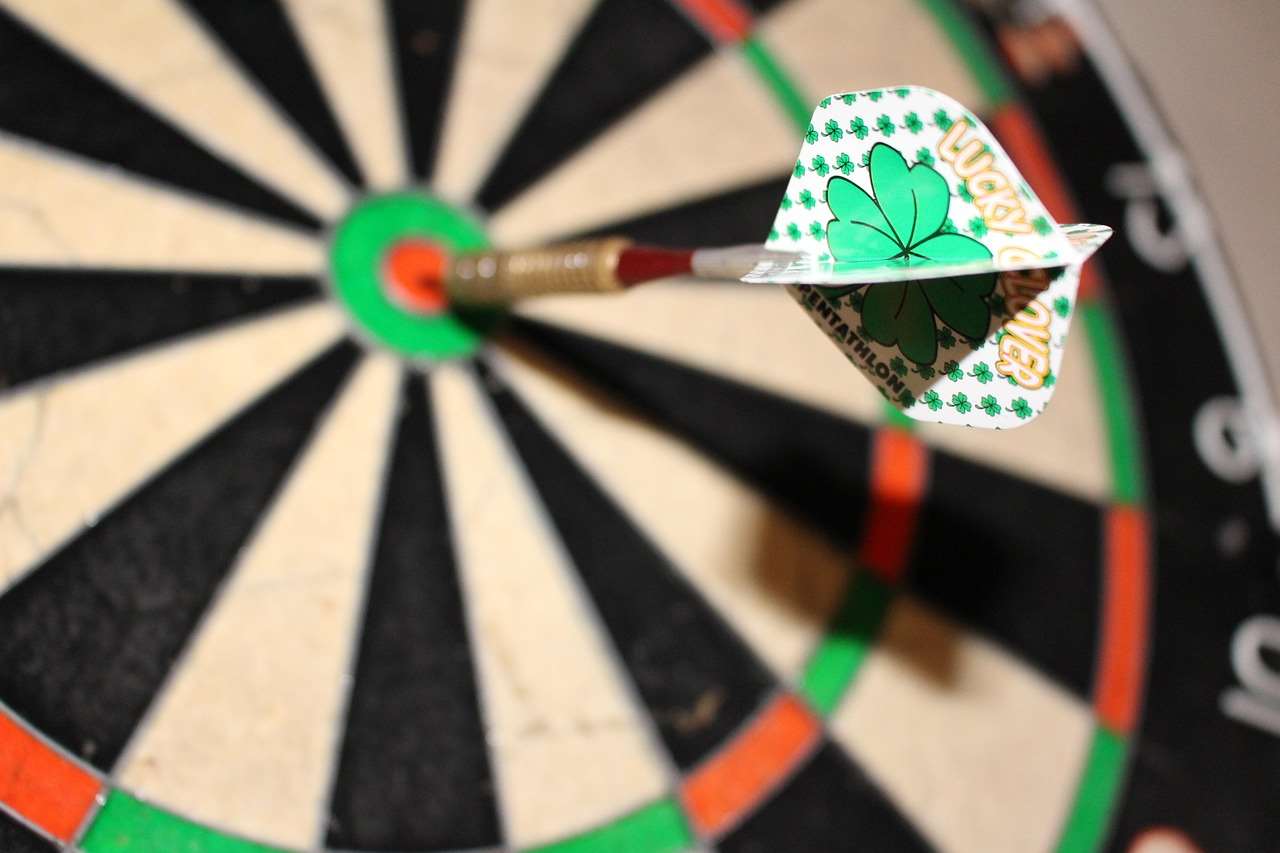
Proper care and maintenance can significantly extend the lifespan of your darts and ensure consistent performance. Here are a few tips to keep your darts in top condition:
- Clean your darts regularly: Use a soft cloth or brush to remove dirt, dust, and grime from the dart barrels, shafts, and flights.
- Sharpen your steel tips: Use a dart sharpener to keep your steel tips sharp and prevent bounce-outs.
- Replace worn shafts and flights: Replace your shafts and flights when they become damaged or worn to maintain optimal flight characteristics.
- Store your darts properly: Store your darts in a dart case or holder to protect them from damage and prevent them from getting lost.
By following these simple maintenance tips, you can ensure that your darts remain in excellent condition for years to come. Making a decision about dart materials means considering your specific circumstances and needs.
Final Thoughts on Premium Dart Materials
Choosing the right dart materials is a personal decision that depends on your budget, skill level, and playing style. Brass darts offer an affordable entry point for beginners, while tungsten darts provide superior performance and durability for serious players. Nickel silver darts offer a middle-ground option for those seeking a balance of price and performance.
Ultimately, the best way to find the right darts is to experiment with different materials, weights, and balance points until you discover what feels most comfortable and effective for you. Consider why choose high tungsten darts to enhance your playing experience. Remember to Choose Best Dart Equipment, and practice regularly. By taking the time to understand the nuances of dart materials, you can make an informed decision and elevate your game to the next level.
Ready to upgrade your darts and improve your game? Browse our selection of premium darts today and find the perfect set for you! Don’t hesitate to reach out to our expert team for personalized recommendations.

Hi, I’m Dieter, and I created Dartcounter (Dartcounterapp.com). My motivation wasn’t being a darts expert – quite the opposite! When I first started playing, I loved the game but found keeping accurate scores and tracking stats difficult and distracting.
I figured I couldn’t be the only one struggling with this. So, I decided to build a solution: an easy-to-use application that everyone, no matter their experience level, could use to manage scoring effortlessly.
My goal for Dartcounter was simple: let the app handle the numbers – the scoring, the averages, the stats, even checkout suggestions – so players could focus purely on their throw and enjoying the game. It began as a way to solve my own beginner’s problem, and I’m thrilled it has grown into a helpful tool for the wider darts community.