Mastering the pointing strategy Cricket darts game is all about strategic target selection to close out numbers efficiently while disrupting your opponent’s progress. This article will guide you through the optimal pointing strategies for Cricket darts, covering target prioritization, defensive tactics, and how to adapt your approach based on your opponent’s skill level.
⚠️ Still Using Pen & Paper (or a Chalkboard)?! ⚠️
Step into the future! The Dart Counter App handles all the scoring, suggests checkouts, and tracks your stats automatically. It's easier than you think!
Try the Smart Dart Counter App FREE!Ready for an upgrade? Click above!
Understanding the Basics of Cricket and Its Importance in Pointing Strategy
Cricket, unlike many other darts games, involves a unique scoring system based on “marking” numbers rather than accumulating points. The standard Cricket game uses the numbers 15 through 20, plus the bullseye. To “close” a number, a player must hit it three times. Once closed, that number becomes a scoring opportunity for that player (if the opponent hasn’t also closed it) or a safe zone (if the opponent has closed it).
This fundamental mechanic drastically shapes the pointing strategy Cricket darts game. It isn’t always about chasing the highest score; it’s about controlling the board by closing numbers and exploiting your opponent’s weaknesses. Understanding this difference is the first step to developing a winning strategy. The interplay between offense and defense is a cornerstone of successful Cricket play. You need to think ahead, anticipate your opponent’s moves, and adjust your targeting accordingly.
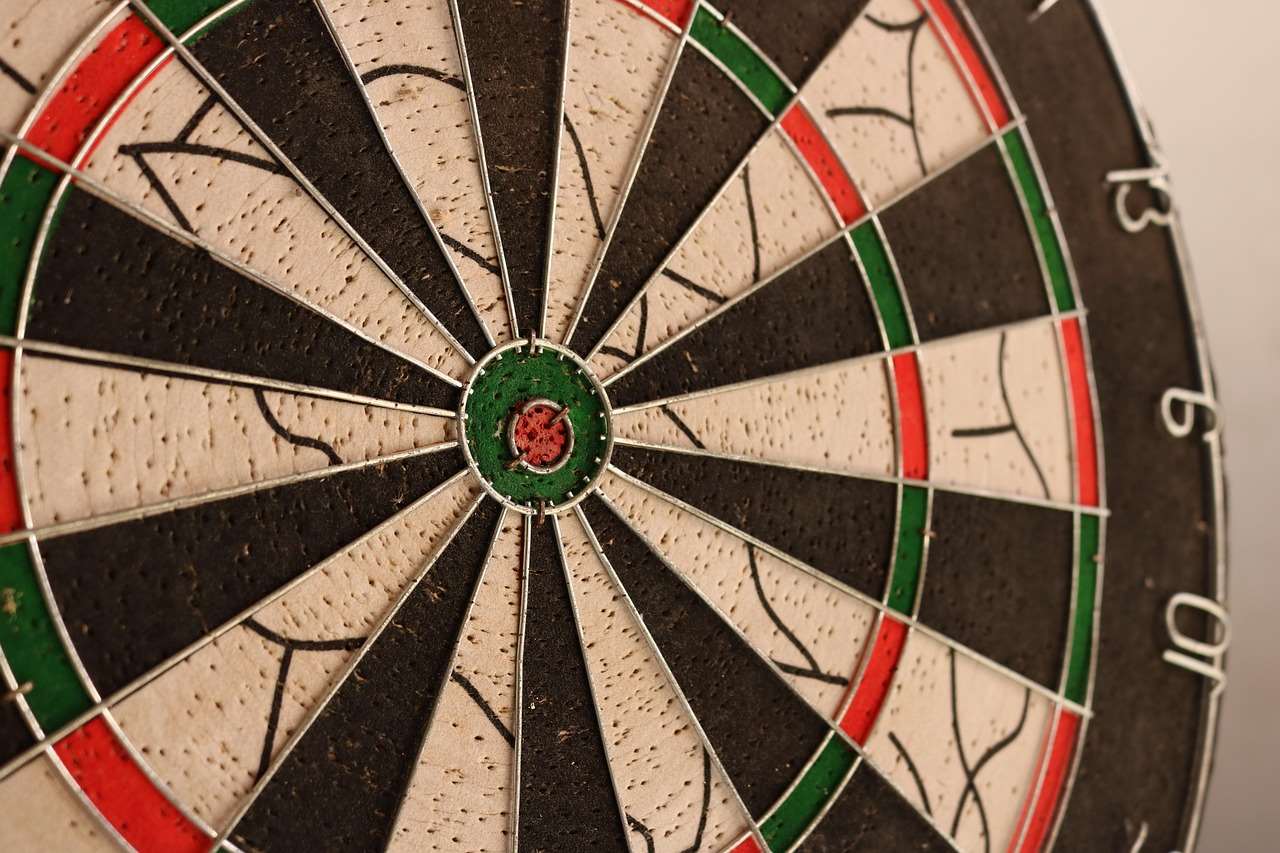
Developing a Solid Pointing Strategy Cricket Darts Game
Now that we understand the core concept of Cricket, let’s delve into the specifics of formulating an effective pointing strategy. This involves several considerations, including target prioritization, offensive tactics, and defensive measures.
Target Prioritization
Not all numbers are created equal in Cricket. Some offer more strategic advantage than others, and prioritizing them correctly can significantly impact your chances of winning. Here’s a common prioritization strategy:
- 20: Often considered the most important number due to its high scoring potential and psychological impact on opponents. Closing the 20s early puts significant pressure on the competition.
- 19: Another high-scoring number and a good alternative if the 20s are heavily contested or closed by your opponent.
- 18: Provides a solid scoring opportunity and is easier to hit consistently than the 19 or 20 for some players.
- 17 & 16: These numbers are generally lower priority but can be useful for closing when opportunities arise or for strategic scoring if the higher numbers are unavailable.
- 15: This is a common starting point as well and is often taken because of the central position on the board.
- Bullseye: While technically the highest scoring area, the bullseye can be risky to target consistently, especially early in the game. It’s often best used for closing out or for scoring when other numbers are unavailable.
Offensive Tactics in Cricket
The primary offensive tactic is to **close numbers quickly** and then score on them before your opponent does the same. Here are some specific offensive strategies:
- Focus on a single number: Commit to closing one number at a time to maximize efficiency and minimize the risk of leaving numbers open for your opponent to exploit.
- Target weaknesses: Identify your opponent’s weaker numbers (numbers they struggle to hit consistently) and focus your scoring on those areas.
- Capitalize on mistakes: If your opponent misses a number, immediately target it to punish their error and gain an advantage.
- Aggressive scoring: Once you’ve closed a number, don’t hesitate to score on it aggressively to build a substantial lead.
Defensive Measures in Cricket
Defense is just as important as offense in Cricket. Preventing your opponent from scoring and closing numbers is crucial to maintaining control of the game. Here are some defensive strategies:
- Close numbers defensively: If your opponent is close to closing a number, prioritize closing it yourself, even if it’s not your ideal target.
- Block scoring opportunities: If your opponent has closed a number and is scoring heavily on it, consider closing it defensively to neutralize their advantage.
- Disrupt their rhythm: Vary your targeting to keep your opponent guessing and disrupt their rhythm.
- Force them into uncomfortable targets: If you can anticipate what numbers they want to hit, attempt to close those numbers early, forcing them to change strategy.

Adapting Your Pointing Strategy Based on Your Opponent
A rigid, one-size-fits-all strategy is unlikely to succeed against different opponents. You need to adapt your pointing strategy Cricket darts game based on your opponent’s skill level, playing style, and tendencies.
Playing Against a Beginner
Against a beginner, focus on consistency and closing numbers efficiently. Avoid risky shots and prioritize closing the 20s and 19s early. Don’t be afraid to score aggressively once you have a lead, but be mindful of closing defensively if they get close to closing a number. Consider playing Darts for mixed ability groups so the beginner doesn’t become discouraged
Playing Against an Intermediate Player
Against an intermediate player, the game becomes more strategic. Pay close attention to their targeting and adapt your strategy accordingly. Look for opportunities to exploit their weaknesses and disrupt their rhythm. Be prepared to play both offensively and defensively.
Playing Against an Advanced Player
Against an advanced player, the game becomes a battle of wits and skill. You need to be highly strategic, anticipate their moves, and make calculated risks. Pay close attention to their scoring patterns and defensive tactics. Be prepared for a long and challenging match. Learning how to implement an Handicap system fun dart games can help even out the playing field.
Advanced Techniques for Cricket Darts
Beyond the basic strategies, there are several advanced techniques that can give you an edge in Cricket darts.
The Art of “Blocking”
Blocking involves deliberately closing a number that your opponent is heavily reliant on, even if you haven’t closed it yourself. This can be a powerful defensive tactic, especially against players who favor certain numbers. However, it’s important to use blocking judiciously, as it can also backfire if your opponent adapts quickly.
Strategic Scoring
Sometimes, it’s better to score strategically rather than aggressively. For example, if you’re close to closing a number but your opponent is also scoring heavily on it, you might choose to score just enough to keep them at bay rather than closing it completely. This can give you more flexibility and control over the game.
Mind Games and Psychological Warfare
Cricket, like many competitive sports, involves a psychological element. Use subtle tactics to disrupt your opponent’s concentration, such as varying your pace, changing your stance, or making calculated comments. However, avoid being overly aggressive or disrespectful, as this can backfire and make you look unprofessional.

Practice Drills to Improve Your Pointing Strategy
No amount of theory can replace practical experience. To truly master the pointing strategy Cricket darts game, you need to practice consistently. Here are some specific drills to help you improve your targeting and strategic thinking:
- Target Practice: Dedicate time to practicing hitting specific numbers, focusing on accuracy and consistency.
- Closing Drill: Practice closing numbers quickly and efficiently, simulating different game scenarios.
- Defensive Drill: Practice closing numbers defensively under pressure, focusing on blocking your opponent’s scoring opportunities.
- Game Simulation: Play practice games against opponents of varying skill levels, focusing on adapting your strategy and making calculated decisions. This can help in Adapting darts games skills
Equipment Considerations for Cricket Darts
While skill is paramount, your equipment can also play a role in your performance. Consider the following factors:
- Dart Weight: Experiment with different dart weights to find what feels most comfortable and allows you to throw consistently.
- Dart Grip: Choose a dart grip that provides a secure and consistent hold.
- Dart Flights: Experiment with different flight shapes and sizes to optimize the trajectory and stability of your darts.
- Dartboard Quality: Invest in a high-quality dartboard to ensure accurate scoring and minimize bounce-outs.

Common Mistakes to Avoid in Cricket Darts
Even experienced players can fall prey to common mistakes in Cricket darts. Here are some pitfalls to avoid:
- Ignoring Defense: Focusing solely on offense can leave you vulnerable to your opponent’s scoring opportunities.
- Failing to Adapt: Sticking to a rigid strategy without adapting to your opponent’s playing style is a recipe for disaster.
- Underestimating Your Opponent: Never underestimate your opponent, regardless of their skill level.
- Getting Frustrated: Frustration can lead to poor decision-making and inconsistent throws. Stay calm and focused, even when things aren’t going your way.
The Future of Cricket Darts and Pointing Strategy
As darts continues to evolve, so too will the strategies employed in Cricket. Advancements in dartboard technology, statistical analysis, and training techniques will likely lead to even more sophisticated and nuanced approaches to the game. Staying up-to-date with the latest trends and innovations is essential for maintaining a competitive edge.

Conclusion: Mastering the Pointing Strategy Cricket Darts Game
The pointing strategy Cricket darts game is a multifaceted skill that requires a blend of accuracy, strategic thinking, and adaptability. By understanding the fundamentals of Cricket, prioritizing targets effectively, employing offensive and defensive tactics, and adapting your strategy based on your opponent, you can significantly improve your chances of winning. Remember to practice consistently, avoid common mistakes, and stay up-to-date with the latest advancements in the game. With dedication and the right approach, you can master the art of the Cricket dartboard and achieve consistent success. Now, go out there, practice these tips, and dominate your next Cricket match! Maybe look into some Darts Variants Fun Games

Hi, I’m Dieter, and I created Dartcounter (Dartcounterapp.com). My motivation wasn’t being a darts expert – quite the opposite! When I first started playing, I loved the game but found keeping accurate scores and tracking stats difficult and distracting.
I figured I couldn’t be the only one struggling with this. So, I decided to build a solution: an easy-to-use application that everyone, no matter their experience level, could use to manage scoring effortlessly.
My goal for Dartcounter was simple: let the app handle the numbers – the scoring, the averages, the stats, even checkout suggestions – so players could focus purely on their throw and enjoying the game. It began as a way to solve my own beginner’s problem, and I’m thrilled it has grown into a helpful tool for the wider darts community.