The key to mastering your dart game, or any skill-based activity, often lies in understanding the nuances of your equipment and technique; this Point Length Experimentation Guide shows you how adjusting point length can significantly impact your accuracy and overall performance. We’ll explore how different point lengths affect dart trajectory, grip, and release, providing you with a structured approach to finding the ideal point length for your individual style.
⚠️ Still Using Pen & Paper (or a Chalkboard)?! ⚠️
Step into the future! The Dart Counter App handles all the scoring, suggests checkouts, and tracks your stats automatically. It's easier than you think!
Try the Smart Dart Counter App FREE!Ready for an upgrade? Click above!
Understanding the Basics of Dart Points
Before diving into point length experimentation, it’s crucial to grasp the fundamental role of dart points. The point is the spearhead of the dart, directly impacting the dart’s ability to penetrate the dartboard and stay in place. Beyond just sticking, however, the point influences the dart’s overall balance, flight characteristics, and even the way you grip and release the dart.
Different point types, such as smooth, knurled, or textured, also affect grip. Knurled points, for instance, provide a more tactile feel, which can be beneficial for players who prefer a secure grip. Similarly, point length affects where your fingers naturally rest on the dart, potentially altering your release.
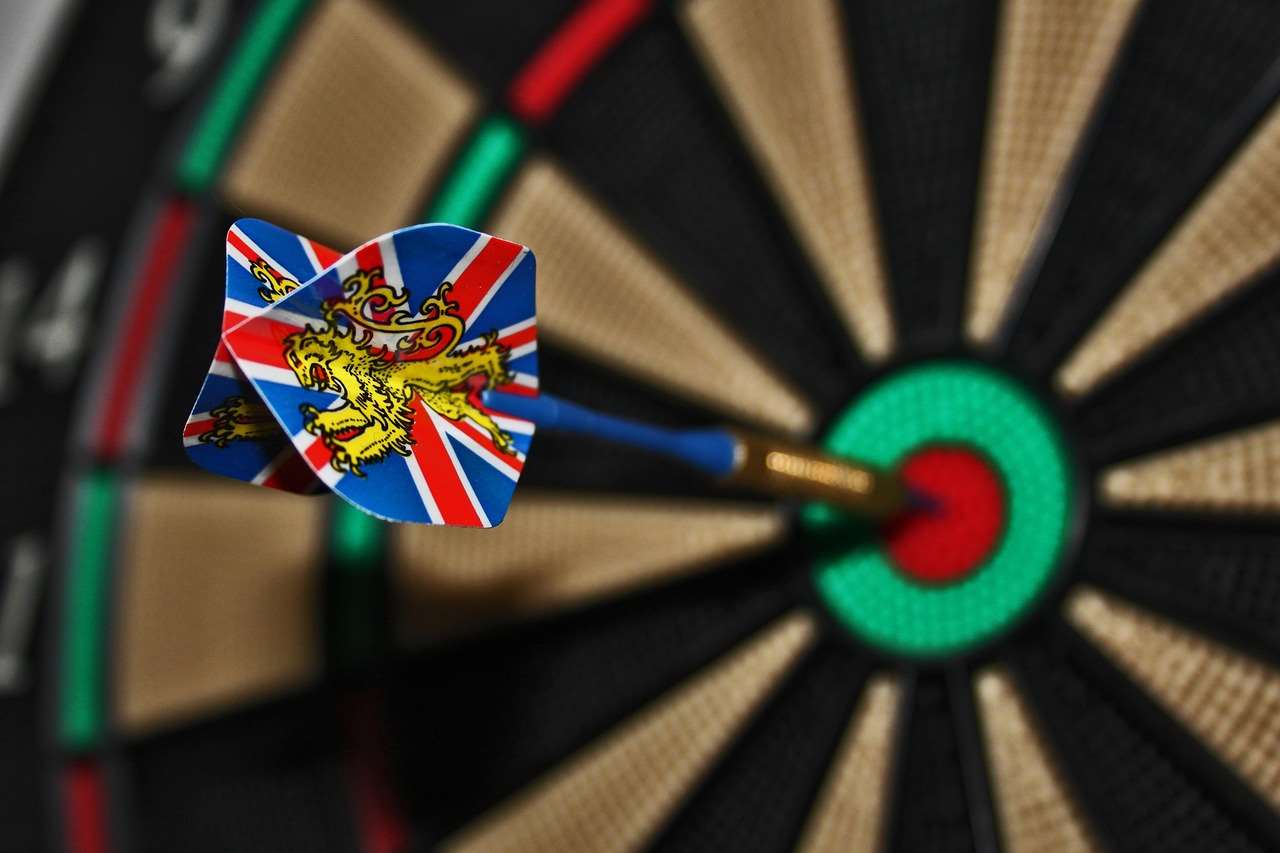
Common Point Lengths
- Short Points (Around 25mm – 30mm): These offer a more front-weighted balance, potentially resulting in a lower trajectory. They can be beneficial for players with a more aggressive throwing style or those who prefer a shorter dart overall.
- Standard Points (Around 30mm – 35mm): This is the most common length, offering a good balance for most players. It’s a versatile option suitable for various throwing styles.
- Long Points (Around 35mm – 41mm): Longer points shift the center of gravity further forward, potentially leading to a straighter flight path. They can be advantageous for players with a smoother throwing motion.
Why Experiment with Different Point Lengths?
The beauty of darts lies in its individualistic nature. What works wonders for one player might be detrimental to another. Experimentation allows you to uncover the point length that complements your unique throwing style, grip, and release. This personalized approach can lead to significant improvements in accuracy and consistency. Understanding Choose Best Dart Equipment is vital to optimizing your game.
Here are key reasons to engage in point length experimentation:
- Improved Accuracy: A point length that aligns with your throwing motion can reduce dart wobble and enhance trajectory, leading to tighter groupings on the board.
- Enhanced Consistency: Finding the right balance can promote a more consistent release, minimizing variations in your throws.
- Personalized Comfort: The ideal point length should feel natural and comfortable in your hand, promoting a more relaxed and confident throwing motion.
- Reduced Bounce-Outs: While not solely dependent on point length, a properly matched point can contribute to better dartboard penetration and fewer bounce-outs.
A Step-by-Step Point Length Experimentation Guide
Embarking on point length experimentation requires a systematic approach. Here’s a detailed guide to help you navigate the process effectively:
- Establish a Baseline: Begin by identifying your current point length and analyzing your existing dart performance. Note your typical groupings, common misses, and any recurring issues.
- Acquire a Range of Points: Purchase a selection of points in varying lengths, spanning from short to long. Ensure they are compatible with your darts.
- Isolate the Variable: When experimenting, only change the point length. Maintain a consistent grip, stance, and throwing motion to accurately assess the impact of the point.
- Dedicated Practice Sessions: Dedicate specific practice sessions solely to point length testing. Avoid distractions and focus on observing the effects of each point length on your throws.
- Detailed Note-Taking: After each set of throws with a specific point length, meticulously record your observations. Note any changes in trajectory, grouping, and overall feel.
- Objective Evaluation: Rely on data and observations rather than subjective feelings. Analyze your scores, grouping patterns, and any trends that emerge.
- Gradual Adjustments: Once you’ve identified a point length that shows promise, make subtle adjustments in length to fine-tune the fit to your throwing style.
- Long-Term Monitoring: After selecting a point length, continue to monitor your performance over time. Minor adjustments may be necessary as your technique evolves.
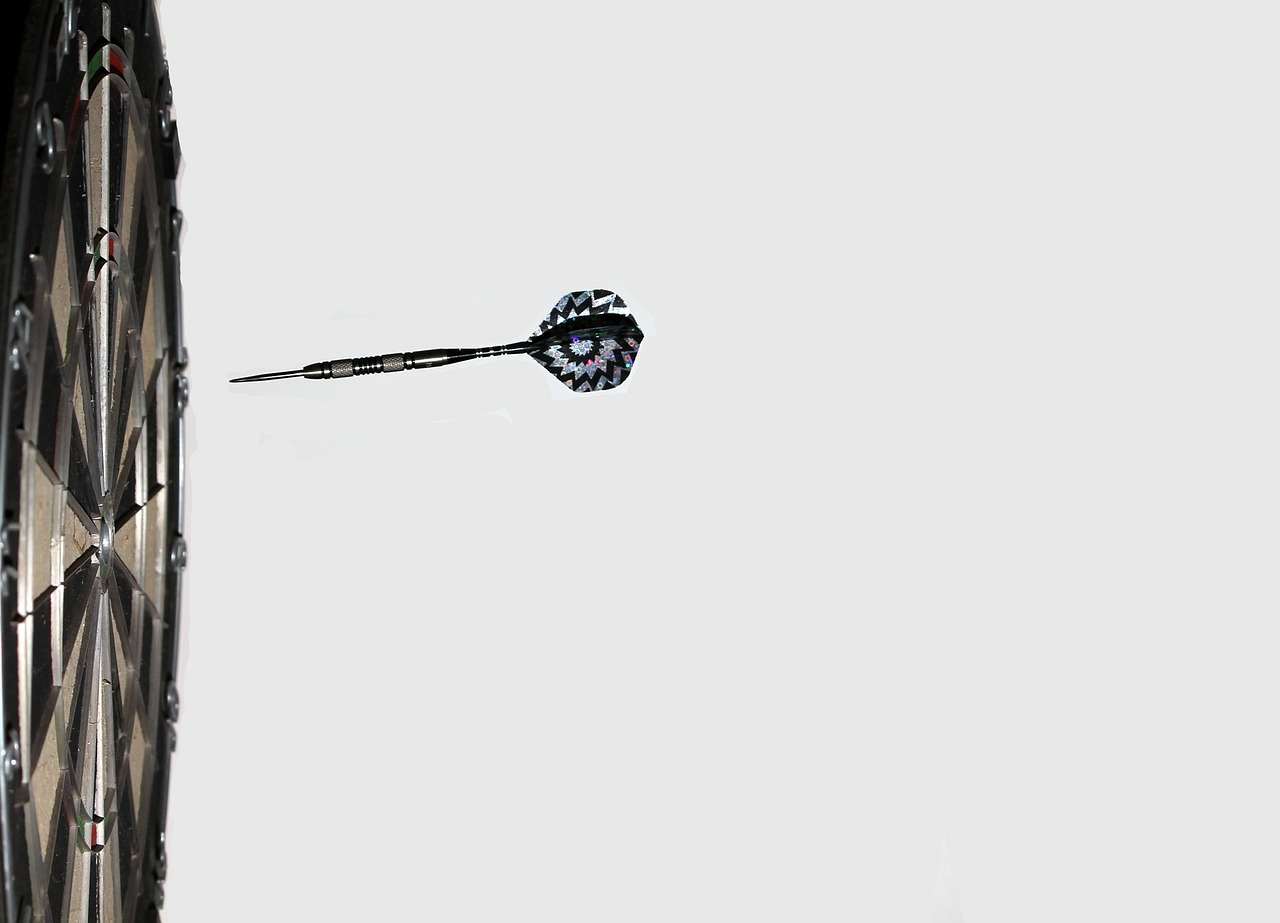
Factors to Consider During Experimentation
Several factors can influence the outcome of your point length experimentation. Keeping these in mind will help you interpret your results more accurately:
- Dart Weight and Balance: The overall weight and balance of your dart will interact with the point length. Consider how changes in point length affect the dart’s overall center of gravity.
- Shaft and Flight Combinations: Experiment with different shaft lengths and flight shapes to complement your chosen point length. These components work together to influence the dart’s flight characteristics.
- Grip Style: Your grip plays a crucial role in how the point length feels and performs. If you have a unique or unconventional grip, you may need to experiment more extensively to find the right match.
- Throwing Motion: A smooth, fluid throwing motion may benefit from a longer point, while a more forceful, aggressive style might be better suited to a shorter point.
Analyzing the Results and Making a Decision
The culmination of your point length experimentation is analyzing the data and making an informed decision. Look beyond just your scores and focus on the underlying factors that contributed to your performance.
Key Metrics to Evaluate
- Grouping Tightness: How closely do your darts group together? Tighter groupings indicate greater consistency.
- Trajectory Consistency: Does the dart consistently follow the intended flight path, or does it exhibit wobble or deviation?
- Bounce-Out Frequency: Are you experiencing a high number of bounce-outs? This could indicate an issue with penetration related to point length or type.
- Subjective Comfort: How does the point length feel in your hand? Does it promote a relaxed and natural throwing motion?
After gathering all the data and evaluating these metrics, you can confidently select the point length that best enhances your dart game. Remember that this is an ongoing process, and further adjustments may be necessary as your skills evolve. Are Are Premium Darts Worth It? This is a common question for dart players.
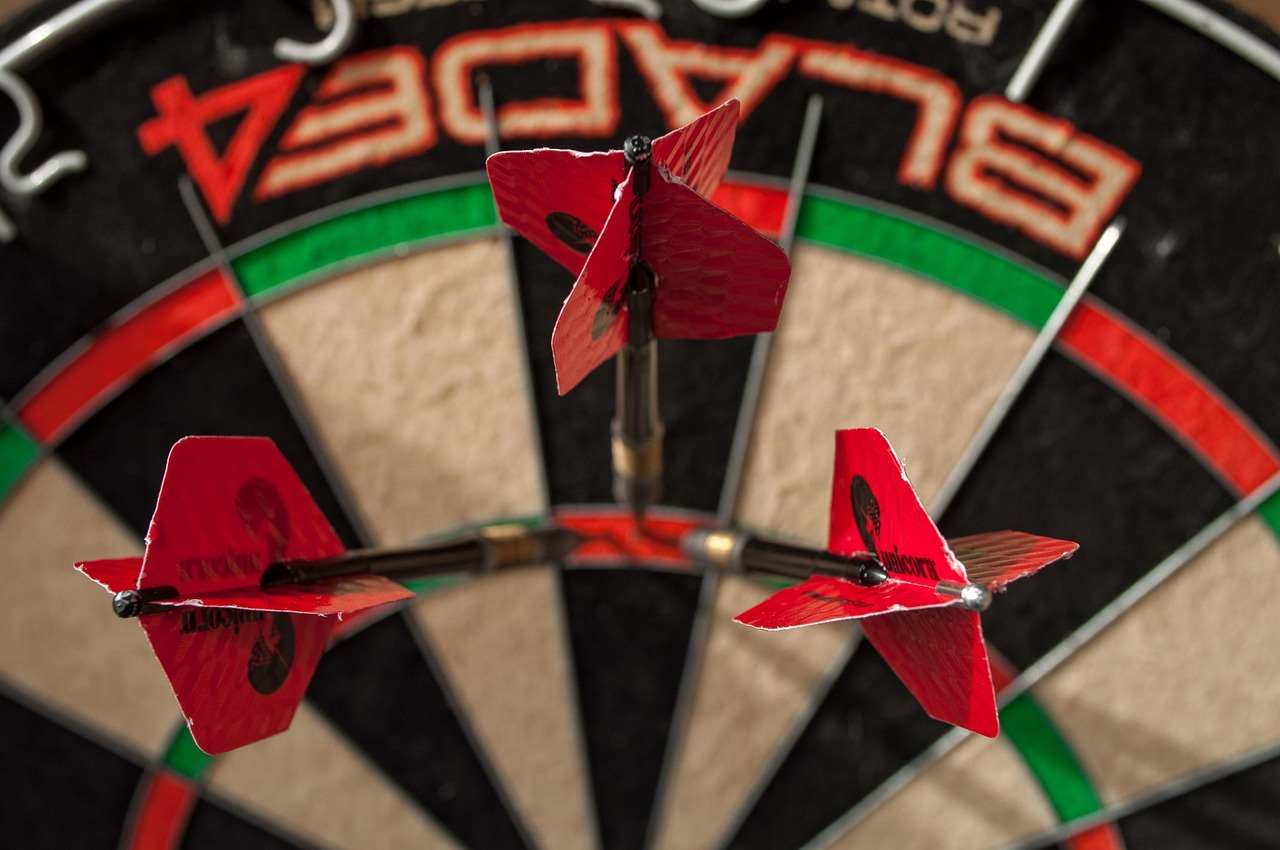
Advanced Point Length Considerations
Once you’ve mastered the basics of point length experimentation, you can delve into more advanced considerations that can further refine your setup:
Point Material and Texture
Beyond length, the material and texture of the point can also impact performance. Steel points are standard, but variations in steel quality and surface finish exist. Some players prefer coated points for enhanced grip or reduced friction. Textured or knurled points offer a more tactile feel, which can be beneficial for maintaining a secure grip.
Point Aerodynamics
While less common, some manufacturers offer points with specialized aerodynamic designs aimed at reducing drag and improving flight stability. These points often feature tapered profiles or dimpled surfaces. While the impact of these features may be subtle, they can contribute to improved accuracy at higher skill levels.
Choosing the right dart point length and material can significantly improve your dart game. It is key to Best Budget Darts For Beginners to start playing!
Troubleshooting Common Issues
During your point length experimentation, you may encounter common issues that can hinder your progress. Here’s how to troubleshoot some of the most frequent problems:
Excessive Bounce-Outs
If you’re experiencing a high number of bounce-outs, consider the following:
- Point Sharpness: Ensure your points are sharp and free from burrs. A dull point will struggle to penetrate the dartboard.
- Point Length: A point that is too short may not have sufficient length to securely lodge in the board.
- Dartboard Condition: A worn-out dartboard may have reduced bristle density, leading to increased bounce-outs.
Inconsistent Groupings
If your darts are scattering across the board, consider these factors:
- Point Length Mismatch: An improperly matched point length can disrupt your throwing motion and lead to inconsistent releases.
- Grip Issues: Ensure you are maintaining a consistent grip throughout your throws. Variations in grip can significantly affect dart trajectory.
- Throwing Motion Flaws: Analyze your throwing motion for any inconsistencies or flaws that may be contributing to erratic dart flight.
Maintaining Your Dart Points
Proper maintenance of your dart points is essential for ensuring optimal performance and longevity. Here are some key maintenance tips:
Sharpening
Regularly sharpen your dart points to maintain their ability to penetrate the dartboard effectively. Use a dedicated dart point sharpener or a fine-grit sharpening stone.
Cleaning
Clean your dart points periodically to remove dirt, debris, and residue from the dartboard. Use a soft cloth and mild cleaning solution.
Replacing
Replace your dart points when they become excessively worn, damaged, or dull. A worn point can negatively impact your accuracy and increase the risk of bounce-outs.
Conclusion
Point Length Experimentation Guide ultimately leads to a more personalized and optimized dart setup. By systematically testing different point lengths and analyzing their impact on your throws, you can unlock significant improvements in accuracy, consistency, and overall performance. Remember to consider dart weight, shaft length, and flight shape in conjunction with point length, to create the perfect combination for your individual throwing style. Don’t be afraid to experiment and adapt your setup as your skills evolve. So, grab a variety of dart points and start your journey towards darting mastery today!

Hi, I’m Dieter, and I created Dartcounter (Dartcounterapp.com). My motivation wasn’t being a darts expert – quite the opposite! When I first started playing, I loved the game but found keeping accurate scores and tracking stats difficult and distracting.
I figured I couldn’t be the only one struggling with this. So, I decided to build a solution: an easy-to-use application that everyone, no matter their experience level, could use to manage scoring effortlessly.
My goal for Dartcounter was simple: let the app handle the numbers – the scoring, the averages, the stats, even checkout suggestions – so players could focus purely on their throw and enjoying the game. It began as a way to solve my own beginner’s problem, and I’m thrilled it has grown into a helpful tool for the wider darts community.