Understanding **point diameter impact** is crucial for dart players seeking to minimize bounce-outs and maximize scoring potential. A larger point diameter can reduce the chances of the dart deflecting upon impact with the board, while smaller diameters may offer better penetration. This article explores the various factors influencing point diameter choice and its overall **impact** on your game, from board type to throwing style.
⚠️ Still Using Pen & Paper (or a Chalkboard)?! ⚠️
Step into the future! The Dart Counter App handles all the scoring, suggests checkouts, and tracks your stats automatically. It's easier than you think!
Try the Smart Dart Counter App FREE!Ready for an upgrade? Click above!
Understanding the Influence of Point Diameter Impact on Dart Performance
The **point diameter impact** on dart performance is often overlooked, but it’s a critical element influencing dartboard penetration, bounce-outs, and overall scoring consistency. Selecting the right point diameter isn’t just about personal preference; it’s about optimizing your dart’s interaction with the board.
Several factors contribute to the significance of the point diameter. These include the type of dartboard you’re using, the material of your dart points, and even your individual throwing style.
Let’s dive deeper into these elements:
- Dartboard Material: Sisal fiber boards react differently to various point diameters compared to electronic boards.
- Point Material: Steel points versus conversion points (for soft-tip boards) necessitate different diameter considerations.
- Throwing Style: A harder throw might benefit from a more robust point, potentially with a larger diameter, to prevent bending or breakage.
Choosing the Right Point Diameter for Your Dartboard
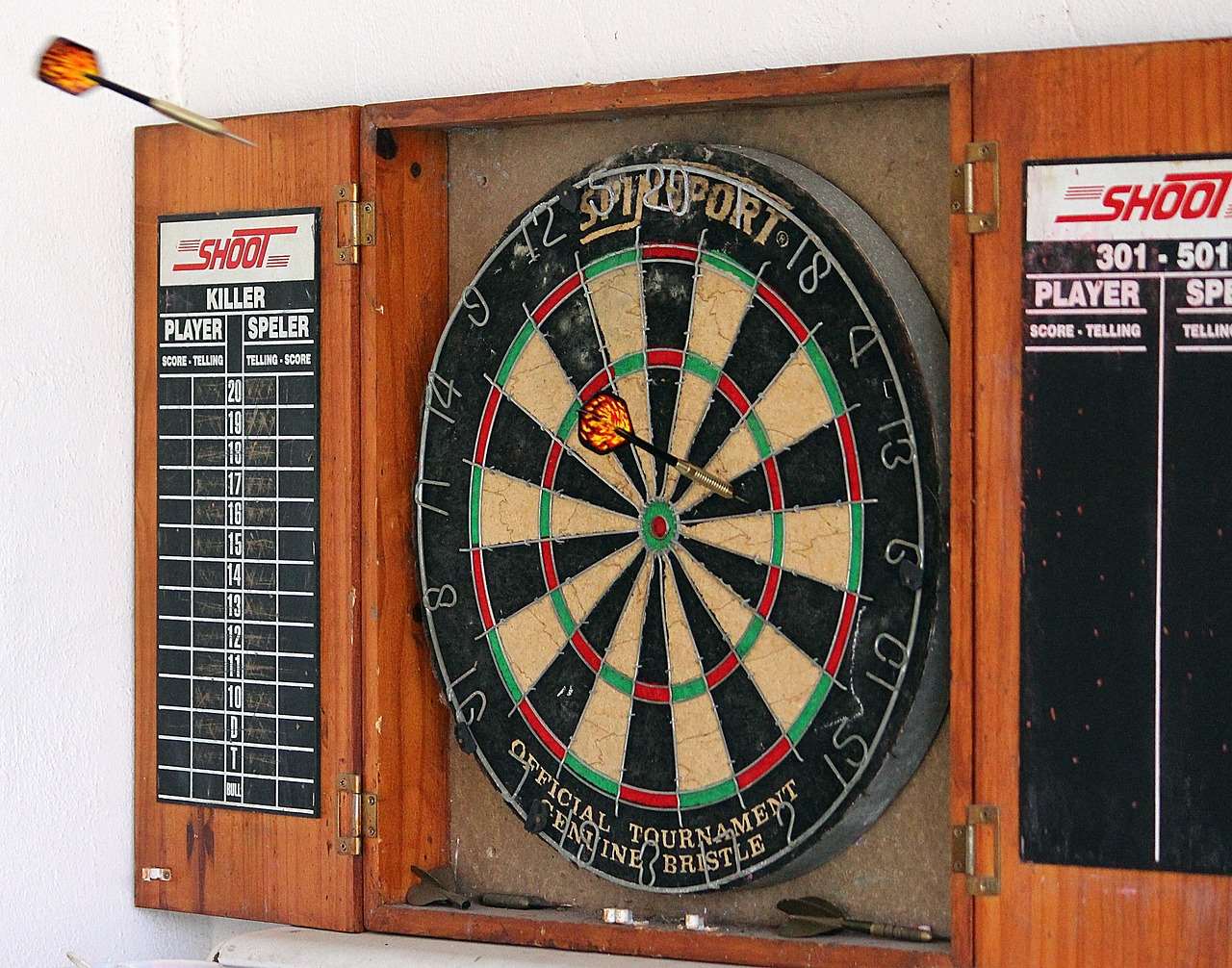
Different dartboards respond differently to varying **point diameters**. Sisal fiber boards, the most common type used in professional play, generally benefit from points with a slightly larger diameter to ensure a secure grip within the compressed fibers. This helps to reduce bounce-outs and maintain consistent scoring. However, too large of a diameter can damage the board over time.
Electronic dartboards, on the other hand, require conversion points, which are typically plastic-tipped and feature smaller diameters to fit precisely within the board’s holes. Using steel-tipped darts on an electronic board will damage it irreparably. When selecting darts consider the factors involved in Choose Best Dart Equipment.
Sisal Fiber Dartboards and Point Diameter
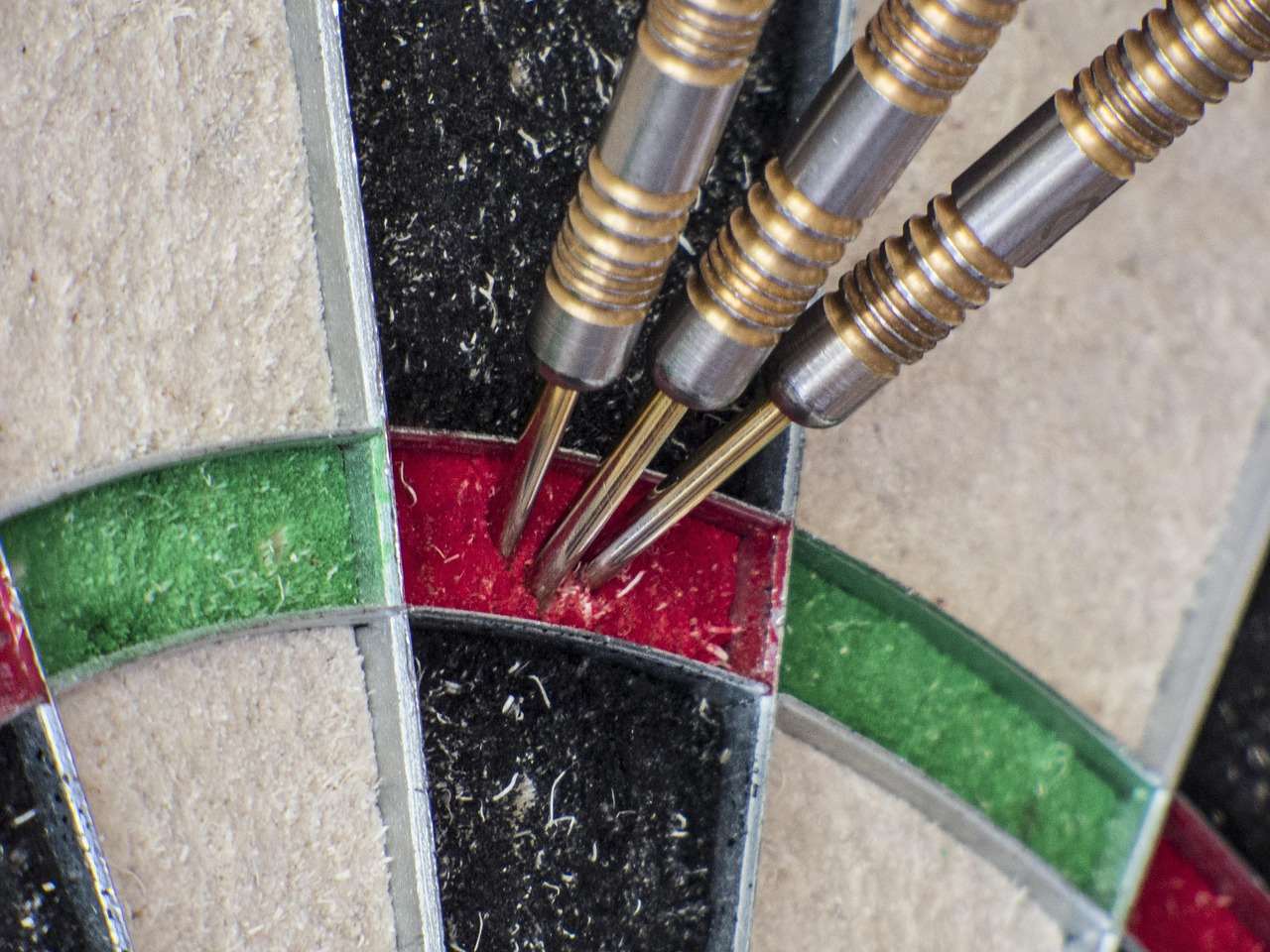
For sisal boards, a point diameter in the range of 2.0mm to 2.3mm is generally recommended. This range offers a good balance between grip and board protection. Some players prefer slightly larger diameters for enhanced grip, especially if they experience frequent bounce-outs.
Electronic Dartboards and Point Diameter
Conversion points for electronic boards usually have a diameter of around 2BA (British Association) thread size, which is approximately 4.7mm in diameter at the thread. The plastic tip itself tapers down to a much smaller diameter to fit into the board’s segments.
Material Considerations and Point Diameter Selection
The material composition of your dart points also plays a role in determining the optimal diameter. Steel points are the standard for sisal boards, while plastic conversion points are necessary for electronic boards. Within steel points, there’s variation in the steel alloy used, which can influence the point’s durability and grip.
Grip is essential for achieving consistent dart penetration and minimizing bounce-outs. Some points feature textured surfaces or micro-cuts to enhance grip within the dartboard fibers. These textured points often require slightly smaller diameters to avoid excessive board damage.
It’s important to regularly inspect your dart points for damage, such as burrs or bends. Damaged points can significantly increase the likelihood of bounce-outs and can also damage the dartboard itself. Replace damaged points promptly to maintain optimal performance.
Throwing Style and Point Diameter Preferences
Your individual throwing style can also influence your **point diameter** preference. Players with a harder, more forceful throw might benefit from slightly larger diameter points to provide a more secure anchor within the board and prevent the dart from wobbling or falling out. A more relaxed throwing style, however, might be better suited to smaller diameter points that allow for cleaner penetration.
Experimentation is key. Try different point diameters to see which ones provide the best results for your particular throwing style and dartboard setup. Pay attention to factors such as bounce-out frequency, dart penetration depth, and overall scoring consistency.
Addressing Bounce-Outs Through Point Diameter Adjustment
Bounce-outs are a frustrating experience for any dart player. While several factors can contribute to bounce-outs, the **point diameter** is a common culprit. If you’re experiencing frequent bounce-outs, adjusting your point diameter can often provide a significant improvement.
Consider these troubleshooting steps:
- Increase Point Diameter: If your points are too small, they might not be gripping the board fibers effectively, leading to bounce-outs. Try increasing the diameter slightly to provide a more secure hold.
- Sharpen Points: Dull points can also contribute to bounce-outs. Use a dart point sharpener to maintain a sharp, penetrating point.
- Replace Worn Points: Over time, dart points can become worn or damaged, reducing their grip and increasing the likelihood of bounce-outs. Replace worn points with new ones to restore optimal performance.
Regular maintenance and observation of your equipment are key to solving issues before they arise. Paying attention to the quality and condition of your darts is an important part of playing well. The best equipment for experienced players differs greatly from the Best Budget Darts For Beginners.

Point Material and Its Impact on Durability
The material of your dart points directly influences their durability and resistance to bending or breaking. Steel points are generally more durable than plastic conversion points, but even within steel points, there’s variation in the steel alloy used. Higher-quality steel alloys are more resistant to bending and offer greater longevity.
Titanium-coated dart points are also available, offering enhanced durability and resistance to wear. These points are often preferred by professional players who demand the highest level of performance from their equipment.
Consider the frequency with which you play and the force of your throw when selecting dart points. If you play frequently or have a hard throw, investing in more durable points can save you money in the long run by reducing the need for frequent replacements.
The Importance of Regular Dart Point Maintenance
Regular maintenance is crucial for maximizing the lifespan and performance of your dart points. As mentioned earlier, keeping your points sharp is essential for minimizing bounce-outs and maintaining consistent dart penetration. Use a dart point sharpener regularly to maintain a sharp, clean point.
In addition to sharpening, it’s also important to clean your dart points regularly to remove any dirt, debris, or buildup. Use a soft cloth or brush to wipe down your points after each playing session.
Inspect your dart points regularly for any signs of damage, such as burrs, bends, or chips. Replace damaged points promptly to prevent further damage to your dartboard and to maintain optimal dart performance.

Experimentation and Finding Your Optimal Point Diameter
Ultimately, the best **point diameter** for you will depend on a combination of factors, including your dartboard type, point material, throwing style, and personal preferences. The best way to determine your optimal point diameter is through experimentation.
Purchase a variety of dart points with different diameters and materials and test them out on your dartboard. Pay close attention to factors such as bounce-out frequency, dart penetration depth, scoring consistency, and overall feel. Keep a record of your results to track your progress and identify the points that perform best for you.
Don’t be afraid to experiment with different point lengths as well. Longer points can provide a more secure grip within the board, while shorter points can offer greater accuracy and control.
Point Diameter Impact on Scoring Consistency
The ultimate goal of any dart player is to achieve consistent scoring. The **point diameter impact** on scoring consistency can be significant. By selecting the right point diameter and maintaining your dart points properly, you can improve your dart penetration, minimize bounce-outs, and ultimately, increase your scoring average.
Remember to consider all the factors discussed in this article when making your point diameter selection. By taking a holistic approach and experimenting with different options, you can find the points that work best for you and take your dart game to the next level.
Thinking about investing in premium dart equipment? Consider that Investing In Premium Dart Equipment can increase your enjoyment of the game and the quality of your overall playing experience.
Conclusion
In conclusion, the **point diameter impact** on dart performance is a significant factor that should not be overlooked. By understanding the interplay between point diameter, dartboard type, point material, and throwing style, you can optimize your dart’s interaction with the board, minimize bounce-outs, and improve your overall scoring consistency. Remember to experiment with different options, maintain your dart points regularly, and adjust your setup as needed to achieve your desired results. Start experimenting today to find the perfect setup for your game! Now that you know how **point diameter impact** effects gameplay, you are ready to Quality Comparison Budget Premium Darts!

Hi, I’m Dieter, and I created Dartcounter (Dartcounterapp.com). My motivation wasn’t being a darts expert – quite the opposite! When I first started playing, I loved the game but found keeping accurate scores and tracking stats difficult and distracting.
I figured I couldn’t be the only one struggling with this. So, I decided to build a solution: an easy-to-use application that everyone, no matter their experience level, could use to manage scoring effortlessly.
My goal for Dartcounter was simple: let the app handle the numbers – the scoring, the averages, the stats, even checkout suggestions – so players could focus purely on their throw and enjoying the game. It began as a way to solve my own beginner’s problem, and I’m thrilled it has grown into a helpful tool for the wider darts community.