Mastering Shanghai darts solo requires focused practice to hone accuracy and strategic thinking. This article provides a comprehensive guide on playing shanghai darts solo practice effectively, covering setup, variations, scoring, and drills to improve your game. You’ll learn how to structure your practice sessions for maximum benefit and track your progress.
⚠️ Still Using Pen & Paper (or a Chalkboard)?! ⚠️
Step into the future! The Dart Counter App handles all the scoring, suggests checkouts, and tracks your stats automatically. It's easier than you think!
Try the Smart Dart Counter App FREE!Ready for an upgrade? Click above!
Why Solo Shanghai Darts Practice is Essential
Playing Shanghai darts solo practice is a powerful tool for any darts enthusiast looking to elevate their game. It allows you to focus entirely on your technique, strategy, and mental fortitude without the pressure of competition. Regular solo practice sessions help develop muscle memory, improve consistency, and identify areas that need improvement. This dedicated time translates to better performance in competitive matches.
Furthermore, solo practice allows for experimentation with different throwing styles and dart setups, leading to a more personalized and effective game. Think of it as your personal darts laboratory, where you can test, refine, and ultimately perfect your approach. Consistent solo practice provides the repetition needed to truly master this dart game.

Setting Up Your Solo Shanghai Darts Practice Session
Before diving into your shanghai darts solo practice, it’s crucial to establish a well-organized environment. Here’s what you need to consider:
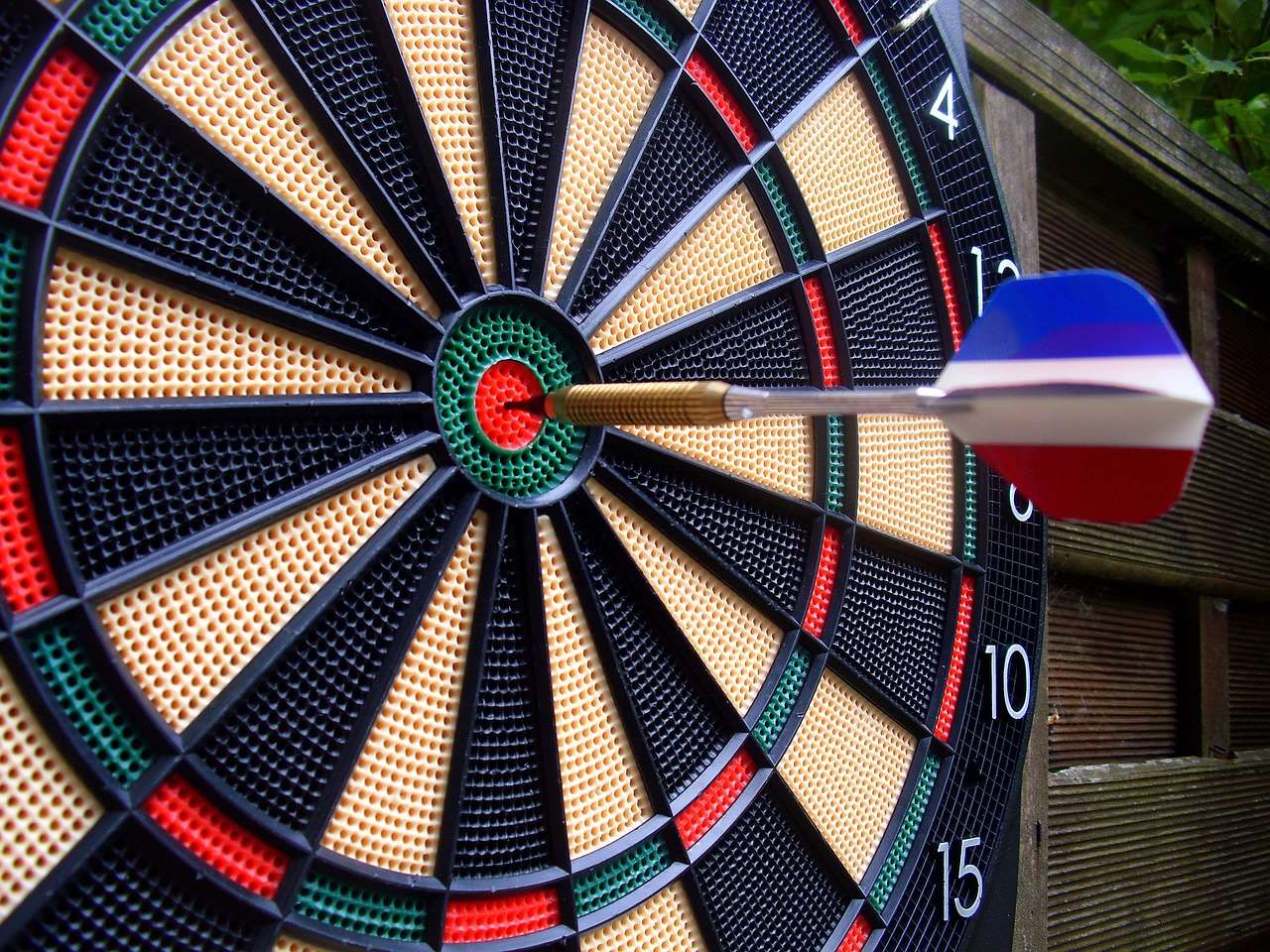
- Dartboard Setup: Ensure your dartboard is regulation size and hung at the correct height (center of the bullseye at 5’ 8″ from the floor). The throw line (oche) should be 7’ 9 1/4″ from the face of the board. Proper setup is critical for consistent throwing.
- Lighting: Adequate lighting is essential for clear visibility. Invest in a dartboard surround with integrated lighting or ensure your room is well-lit to minimize shadows and eye strain.
- Scoring System: Whether using a traditional chalkboard, a digital scoreboard, or a mobile app, a reliable scoring system is essential. Accurate scoring helps track progress and identify areas of strength and weakness.
- Warm-up Routine: A proper warm-up is crucial to prevent injuries and prepare your muscles for the demands of throwing darts. Include light stretching, arm rotations, and a few practice throws to loosen up.
- Distraction-Free Zone: Find a quiet and distraction-free space where you can fully concentrate on your practice. Turn off your phone, minimize interruptions, and create an environment conducive to focused training.
Choosing the Right Darts for Practice
Selecting the right darts is vital for your solo practice. Factors to consider include:
- Weight: Experiment with different dart weights to find what feels most comfortable and natural. Heavier darts are often preferred by beginners, while more experienced players may prefer lighter darts.
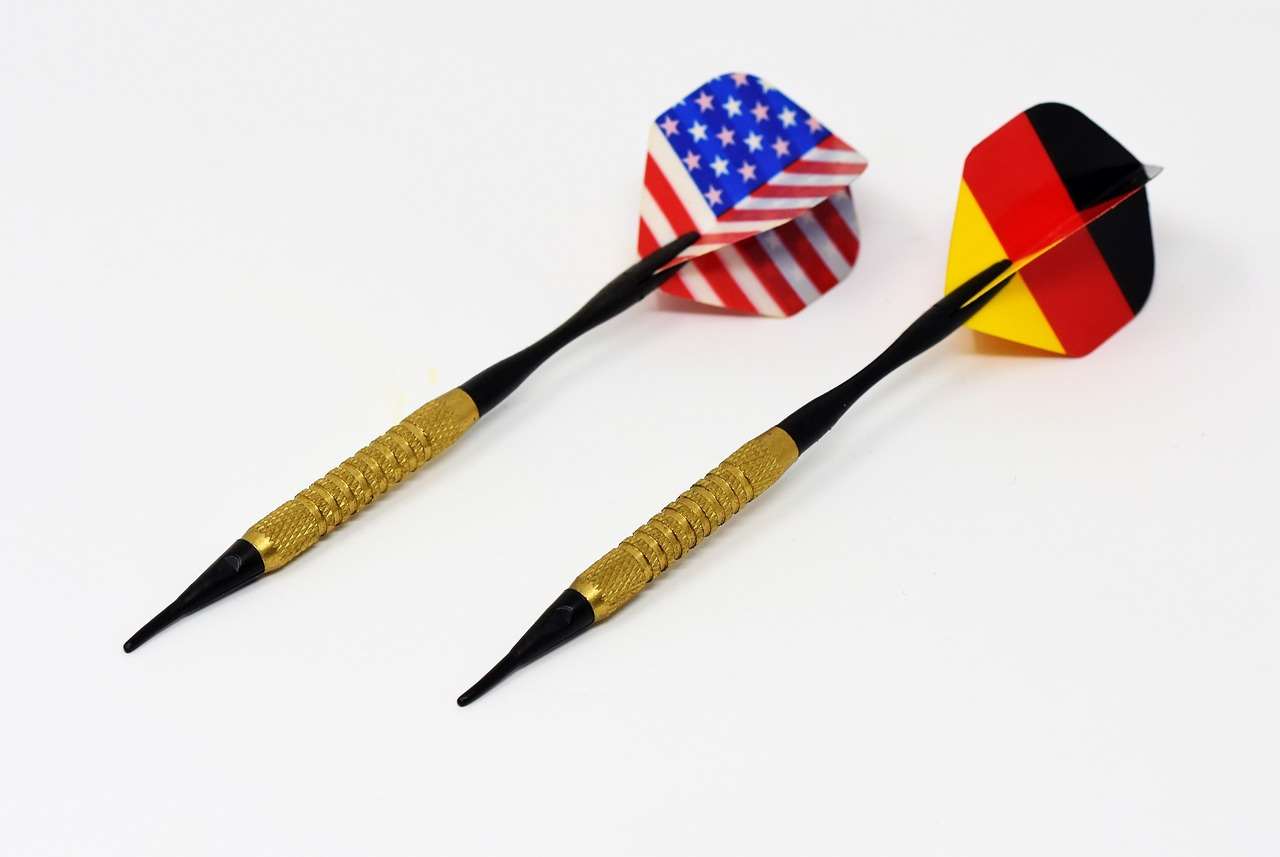
- Grip: The grip of your darts is a crucial element. Consider different barrel types (knurled, smooth, ringed) to find a grip that provides optimal control and release.
- Flights and Shafts: Experiment with different flight shapes and shaft lengths to fine-tune your dart’s trajectory and stability.
The Rules of Shanghai Darts for Solo Play
While Shanghai darts is traditionally a multi-player game, adapting it for solo practice is straightforward. The core rules remain the same. The game is played over seven rounds. In each round, you aim for a specific number, starting with 1 in the first round, 2 in the second round, and so on, up to 7 in the seventh round. You score points for hitting the single, double, or triple of the target number. The goal is to accumulate the highest score by the end of the seventh round or to achieve “Shanghai” which is hitting a single, double, and triple of the target number in the same round. Achieving Shanghai instantly wins the game.
Scoring in Solo Shanghai Darts
Accurate scoring is paramount when playing shanghai darts solo practice. Here’s a breakdown:
- Single: Hitting the single section of the target number scores 1 point.
- Double: Hitting the double section of the target number scores 2 points.
- Triple: Hitting the triple section of the target number scores 3 points.
- Missing: Missing the target number scores 0 points.
Use a whiteboard, a scoring app, or even just a piece of paper to meticulously record your scores. This allows you to track your progress over time and identify areas where you need to improve your accuracy.
Effective Shanghai Darts Solo Practice Drills
Structured drills are key to making your solo practice sessions productive. Here are some effective drills to incorporate:
- Target Number Drill: Focus on hitting the target number (single, double, and triple) in each round. Aim for a specific number of successful hits before moving on.
- Shanghai Attempt Drill: Practice hitting the single, double, and triple of the target number in a single turn. This drill improves accuracy and consistency under pressure.
- Checkout Practice: Simulate game-ending checkouts by setting up specific scores and practicing finishing with doubles. This improves your ability to close out games effectively. You might also explore Darts Variants Fun Games that enhance your overall skill.
- Consistency Challenge: Set a target score for each round and try to achieve it consistently. This drill builds mental fortitude and improves your ability to perform under pressure.
Don’t be afraid to adapt these drills to suit your individual needs and skill level. The key is to challenge yourself and consistently push your limits. Practicing these drills will enhance your proficiency in **playing shanghai darts solo practice**.
Tracking Your Progress in Solo Shanghai Darts
Monitoring your progress is crucial for staying motivated and identifying areas for improvement. Here are some ways to track your performance during your playing shanghai darts solo practice sessions:
- Record Your Scores: Maintain a detailed record of your scores for each round and each practice session.
- Calculate Averages: Calculate your average score per round and track how it changes over time.
- Identify Weak Numbers: Analyze your scores to identify the numbers that you consistently struggle with. Focus your practice on those specific numbers.
- Set Realistic Goals: Set realistic and achievable goals for your practice sessions. This will help you stay motivated and focused on your improvement.
Advanced Strategies for Solo Shanghai Darts Practice
Once you’ve mastered the basics, you can incorporate more advanced strategies into your solo shanghai darts practice:
- Visualization Techniques: Before each throw, visualize the dart hitting the target. This mental rehearsal can improve your accuracy and consistency.
- Mental Game Training: Practice staying calm and focused under pressure. Develop strategies for managing nerves and maintaining a positive attitude.
- Analyze Professional Games: Watch professional darts matches and analyze the strategies and techniques used by top players. Adapt those strategies to your own game.
Consider learning about forgotten pub dart games to add variety and fun to your solo practice sessions.
Mental Toughness and Solo Practice
Playing shanghai darts solo practice is as much about mental strength as it is about physical skill. The ability to stay focused, manage pressure, and maintain a positive attitude is crucial for success. Use your solo practice sessions to develop your mental toughness by:
- Setting challenging goals: Pushing yourself beyond your comfort zone helps build resilience.
- Simulating match pressure: Create scenarios that mimic the pressure of a real game.
- Developing coping mechanisms: Learn to manage nerves and recover from setbacks.
By mastering your mental game, you can significantly improve your performance in both solo practice and competitive matches.
Common Mistakes to Avoid During Solo Practice
Even with the best intentions, it’s easy to fall into common traps during shanghai darts solo practice. Here are some pitfalls to avoid:
- Lack of Focus: Treat your practice sessions as seriously as you would a competitive match. Avoid distractions and stay fully engaged.
- Inconsistent Throwing Routine: Develop a consistent pre-throw routine and stick to it. This will help you maintain consistency and accuracy.
- Neglecting Weaknesses: Don’t just practice the numbers you’re good at. Focus on improving your weaknesses to become a well-rounded player.
- Over-Practicing: Avoid burnout by taking breaks and not overdoing it. Quality over quantity is key.
Integrating Physical Fitness into Your Dart Routine
While darts may not seem like a physically demanding sport, maintaining a basic level of fitness can significantly improve your performance. Regular exercise can improve your stamina, coordination, and overall well-being, all of which contribute to better dart throwing. Consider incorporating light cardio, strength training, and flexibility exercises into your routine. Proper nutrition and hydration are also essential for maintaining optimal performance. You can also research history of darts games uk to understand the evolution of the game and appreciate the dedication required for mastery.
Variations on Shanghai Darts for Solo Practice
To keep your solo shanghai darts practice engaging and challenging, consider incorporating variations to the game. These variations can help improve specific skills and prevent boredom:
- Double Shanghai: In this variation, you only score points for hitting the double or triple of the target number. This forces you to focus on precision and accuracy.
- Reverse Shanghai: Start with the number 7 in the first round and work your way down to 1 in the seventh round.
- Shanghai 20: Focus exclusively on hitting the 20s (single, double, and triple) in each round. This is a great way to improve your scoring ability.
- Shanghai Around the World: Play a standard game of Shanghai, but after each round, try to hit every number on the dartboard once before moving on to the next round.
The Importance of Rest and Recovery
Rest and recovery are just as important as practice when it comes to improving your dart game. Adequate sleep, proper nutrition, and active recovery techniques can help your body and mind recover from the demands of training. Avoid over-practicing and schedule regular rest days to allow your muscles to repair and rebuild. Incorporate stretching, foam rolling, and other recovery techniques into your routine to prevent injuries and maintain optimal performance. Remember that consistent, well-rounded practice, punctuated with sufficient rest, is the key to excelling at **playing shanghai darts solo practice**.
Analyzing Professional Dart Players
Watching professional dart players can offer valuable insights into strategy, technique, and mental fortitude. Pay attention to their throwing styles, pre-throw routines, and how they handle pressure. Analyze their decision-making process and try to understand why they make certain choices. While you may not be able to replicate their skills perfectly, you can certainly learn from their experience and adapt their techniques to your own game. Observing the techniques of seasoned players complements your focus on **playing shanghai darts solo practice** and can enhance your strategy.
Conclusion: Mastering Shanghai Darts Through Solo Practice
Playing shanghai darts solo practice is a rewarding and effective way to improve your skills, develop your strategy, and enhance your mental toughness. By following the tips and techniques outlined in this article, you can structure your practice sessions for maximum benefit and track your progress over time. Remember to stay focused, be patient, and enjoy the process of learning and improving. Embrace the challenge of solo practice, and you’ll soon see your game reach new heights. Now, grab your darts and start honing your skills!
Ready to take your darts game to the next level? Visit our online store to explore a wide range of high-quality darts, dartboards, and accessories to enhance your playing shanghai darts solo practice sessions!

Hi, I’m Dieter, and I created Dartcounter (Dartcounterapp.com). My motivation wasn’t being a darts expert – quite the opposite! When I first started playing, I loved the game but found keeping accurate scores and tracking stats difficult and distracting.
I figured I couldn’t be the only one struggling with this. So, I decided to build a solution: an easy-to-use application that everyone, no matter their experience level, could use to manage scoring effortlessly.
My goal for Dartcounter was simple: let the app handle the numbers – the scoring, the averages, the stats, even checkout suggestions – so players could focus purely on their throw and enjoying the game. It began as a way to solve my own beginner’s problem, and I’m thrilled it has grown into a helpful tool for the wider darts community.