Unlocking your darting potential starts with consistent practice, and playing Halve It solo practice game is a fantastic way to hone your skills. This article dives into the specifics of playing Halve It solo practice game, offering expert tips, strategic insights, and variations to maximize your improvement on the oche. We’ll cover setup, scoring, strategy, and how to adapt the game to suit your individual needs and skill level.
⚠️ Still Using Pen & Paper (or a Chalkboard)?! ⚠️
Step into the future! The Dart Counter App handles all the scoring, suggests checkouts, and tracks your stats automatically. It's easier than you think!
Try the Smart Dart Counter App FREE!Ready for an upgrade? Click above!
Why Playing Halve It Solo Practice Game is Effective
Playing Halve It solo offers several benefits that make it a valuable tool for dart players of all levels. Unlike simply throwing darts at the board, Halve It introduces pressure and consequence. Each round presents a new target, forcing you to adapt and focus. This helps develop your accuracy under simulated game conditions and build mental toughness.
- Targeted Practice: Halve It focuses on specific numbers, allowing you to work on your proficiency with those areas of the board.
- Pressure Simulation: The penalty for missing a target adds a layer of pressure, mimicking the stress of a real match.
- Adaptability: You can adjust the game’s difficulty by changing the target numbers or the starting score.
- Mental Toughness: Recovering from a bad round teaches you resilience and the ability to bounce back from mistakes.
- Progress Tracking: By tracking your scores over time, you can monitor your improvement and identify areas where you need to focus.
The Mental Edge in Dart Games
Often, the difference between a good dart player and a great one comes down to mental fortitude. Playing Halve It solo practice game can dramatically improve this aspect of your game. The pressure of potentially losing points forces you to focus, manage your nerves, and develop a consistent pre-throw routine. Over time, this translates to better performance in actual matches.
Setting Up Your Halve It Solo Practice Game
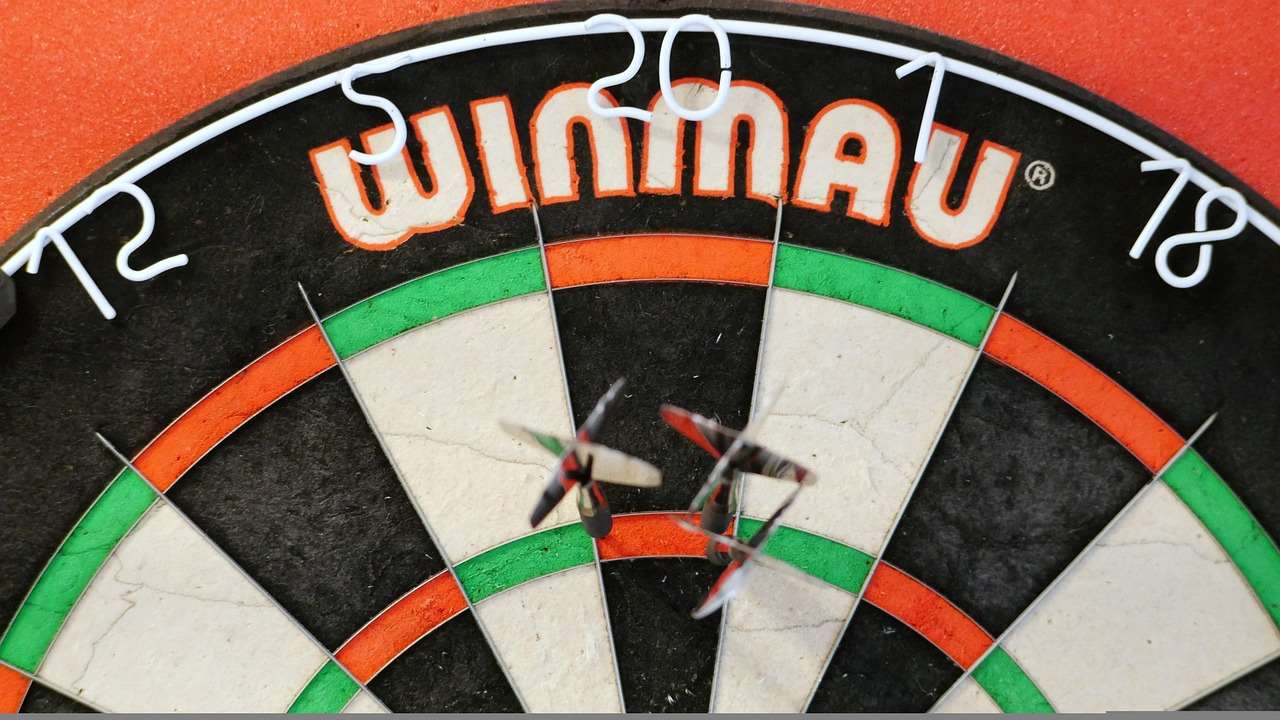
Setting up playing Halve It solo practice game is incredibly simple. All you need is a dartboard, darts, a scoring device (whiteboard, app, or paper), and a list of target numbers. Here’s a step-by-step guide:
- Choose Your Target Numbers: Typically, Halve It uses the numbers 15, 16, 17, 18, 19, 20, and the bullseye. However, you can customize these to focus on specific areas of the board or numbers you struggle with.
- Decide on a Starting Score: A common starting score is 40, but you can adjust this depending on your skill level and desired challenge. A higher starting score prolongs the game, allowing for more practice.
- Prepare Your Scoring Method: Make sure you have a way to accurately track your score throughout the game. A whiteboard is ideal for easy erasing and rewriting.
- Warm-Up: Always warm up before starting your practice session. A few rounds of throwing darts at random targets will help you loosen up and get your eye in.
The Rules of Halve It Solo Practice Game
The rules of Halve It are straightforward. You will aim for each target number in sequence. You get three darts per number. If you score the target number with any of your three darts, you add that score to your current total. If you fail to score the target with any of your three darts, your total score is halved (rounded down). The game continues until you have attempted all the target numbers. The goal is to finish with the highest possible score.
For example, if your starting score is 40 and you are aiming for the 15. If you hit a single 15, your score becomes 55 (40 + 15). If you miss the 15 entirely, your score is halved to 20 (40 / 2 = 20).
Understanding the Scoring System
The scoring system is crucial for understanding the game. Remember, only scores on the target number count. Hitting other numbers, even if they are multiples of the target, does not contribute to your score. The penalty for missing is severe, so accuracy is paramount.

Advanced Strategies for Playing Halve It Solo Practice Game
Once you’ve mastered the basic rules, you can incorporate advanced strategies to enhance your playing Halve It solo practice game and maximize its effectiveness. Here are a few techniques to try:
- Target Prioritization: Focus on hitting the target number with your first dart. If you miss, adjust your aim slightly for the remaining two darts.
- Varying Throwing Styles: Experiment with different throwing styles to find what works best for each target number. Some players prefer a more aggressive throw for larger targets, while others prefer a more controlled throw for smaller ones.
- Visualisation Techniques: Before each throw, visualize the dart hitting the target. This can help improve your focus and accuracy.
- Post-Round Analysis: After each round, analyze your performance. Identify what you did well and what you could have done better. This will help you learn from your mistakes and improve your overall game.
- Use of Checkouts: Even in a solo game, visualizing potential checkouts if you were playing a 501 or 301 game can be beneficial. This can help with in-game strategy during match play.
Customizing Your Practice Session
One of the great things about playing Halve It solo practice game is its flexibility. You can customize the game to suit your individual needs and skill level. For example, if you struggle with hitting triples, you can include triple segments of certain numbers as targets. Or, if you want to increase the difficulty, you can reduce the number of darts per round.
Variations of Halve It Solo Practice Game
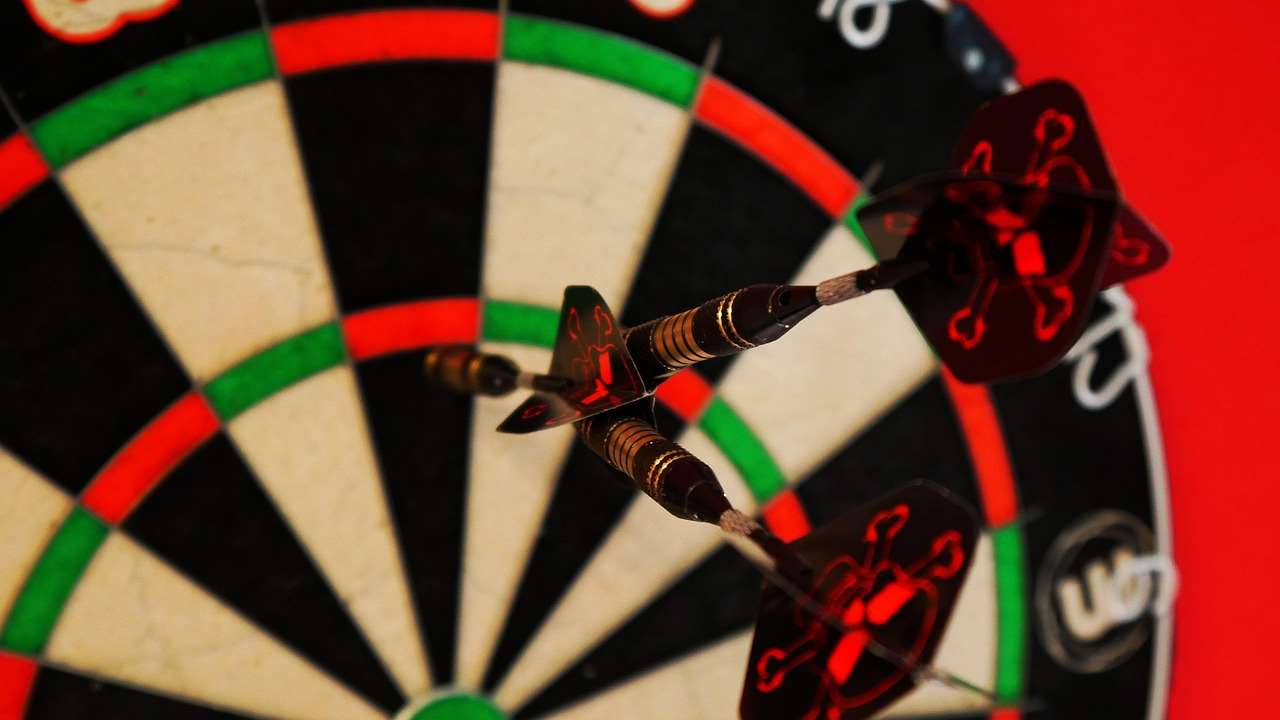
To keep your practice sessions engaging and challenging, consider incorporating these variations of Halve It:
- Double Trouble: You must hit a double of the target number to score. This significantly increases the difficulty and helps improve your accuracy on doubles.
- Triple Threat: You must hit a triple of the target number to score. This is the most challenging variation and is ideal for advanced players who want to push their limits.
- Random Targets: Instead of using a fixed set of target numbers, randomly select each target number using a number generator or a deck of cards.
- Progressive Halving: For each missed target, your score is halved again (so if you miss two rounds in a row, your score is divided by four).
- The “Mercy” Rule: If you fail to score on three consecutive targets, your score is automatically reduced to zero. This adds a significant risk factor and encourages consistent accuracy.
Remember, the key is to find variations that challenge you and help you improve your weaknesses. Don’t be afraid to experiment and create your own custom variations.
Tracking Your Progress While Playing Halve It Solo Practice Game
Tracking your progress is essential for measuring your improvement and staying motivated. Keep a record of your scores for each practice session. You can use a simple spreadsheet or a dedicated dart scoring app. Analyze your data to identify trends and patterns. Are you consistently improving your scores? Are there certain target numbers you struggle with? Use this information to adjust your practice routine and focus on your weaknesses.
Also, be sure to track the number of darts you are throwing per session and per target. If you notice that your average number of darts per target is decreasing over time, it is a good indication that your accuracy is improving. Tracking your progress in playing Halve It solo practice game is a great way to maintain your motivation and see the concrete results of your effort.
Common Mistakes to Avoid When Playing Halve It Solo Practice Game
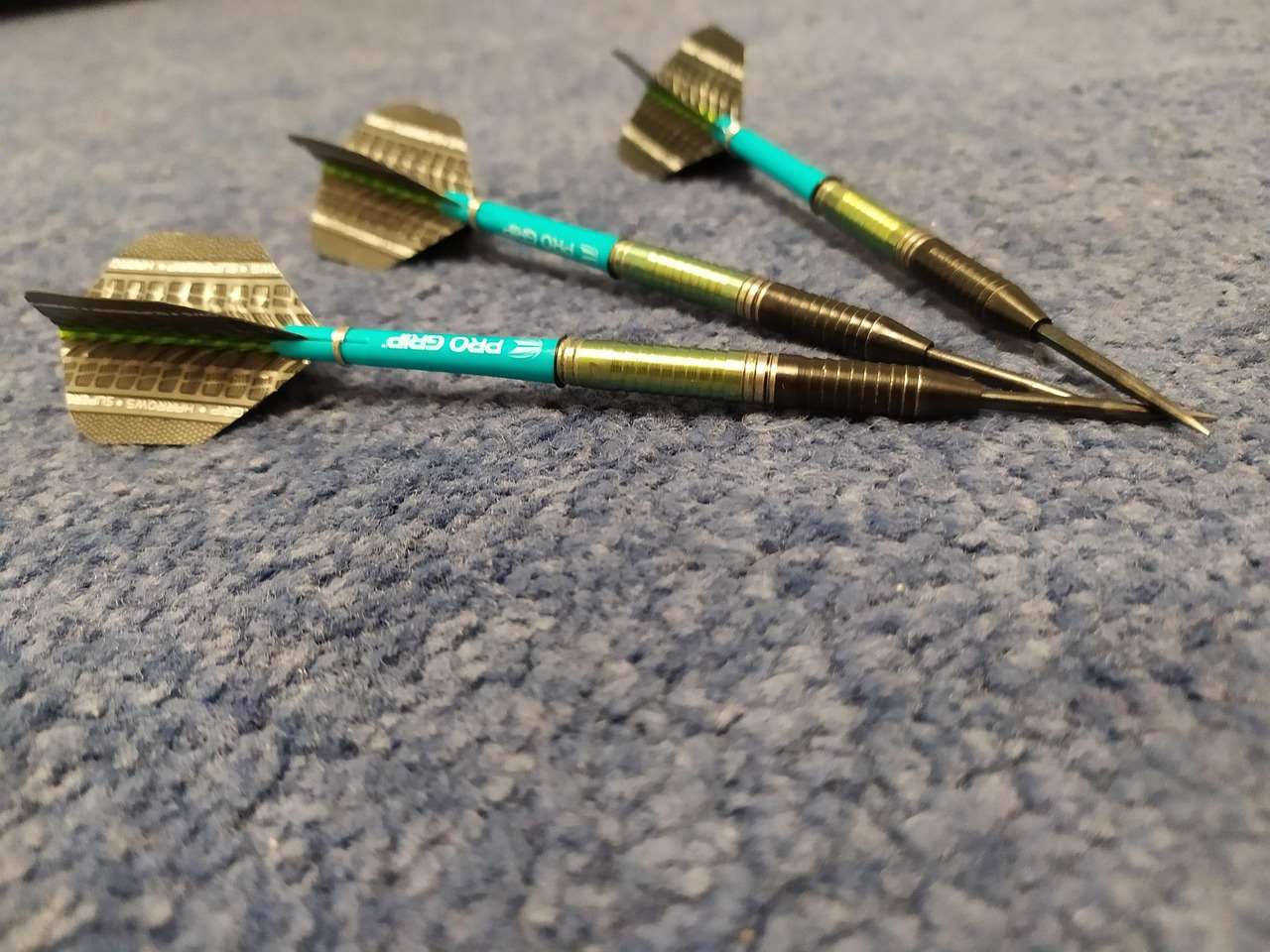
Even with the best intentions, it’s easy to make mistakes that can hinder your progress. Here are some common pitfalls to avoid when playing Halve It solo practice game:
- Lack of Focus: Distractions can significantly impact your accuracy. Find a quiet and comfortable space where you can concentrate on your throws.
- Inconsistent Routine: Develop a consistent pre-throw routine and stick to it. This will help you maintain your focus and improve your consistency.
- Ignoring Warm-Up: Always warm up before starting your practice session. A few minutes of light stretching and throwing darts at random targets can make a big difference.
- Practicing When Tired: Practicing when you are tired or fatigued can lead to bad habits. Practice when you are fresh and alert.
- Neglecting Equipment: Make sure your darts are in good condition and properly maintained. Replace worn-out flights and sharpen your points regularly. See Darts Variants Fun Games for more info!
By avoiding these common mistakes, you can optimize your practice sessions and accelerate your progress. Remember also to consider English Cricket darts strategy tips as part of your broader improvement plan.
The Long-Term Benefits of Consistent Practice
While immediate improvements are gratifying, the real rewards of consistent practice come over time. Playing Halve It solo practice game regularly can lead to significant long-term benefits:
- Improved Accuracy: Consistent practice hones your muscle memory and improves your accuracy on all areas of the board.
- Increased Confidence: As your skills improve, you’ll gain more confidence in your ability to perform under pressure.
- Enhanced Mental Toughness: The pressure of Halve It helps you develop mental resilience and the ability to bounce back from mistakes.
- Better Match Performance: Ultimately, all of this translates to better performance in real matches. You’ll be able to hit your targets more consistently and handle pressure more effectively.
- Greater Enjoyment: As you become a more skilled dart player, you’ll find that you enjoy the game even more.
Consistency is key. Even short, regular practice sessions are more effective than long, infrequent ones. Aim to practice for at least 30 minutes several times a week. Remember, practice makes perfect!
Conclusion: Elevate Your Dart Game by Playing Halve It Solo Practice Game
Playing Halve It solo practice game is a powerful and versatile tool for improving your dart skills. By following the tips and strategies outlined in this article, you can maximize the benefits of this game and take your dart game to the next level. Remember to customize the game to suit your individual needs, track your progress, and avoid common mistakes. Consistent practice is the key to success. So, grab your darts, set up your board, and start playing Halve It solo practice game today! Ready to take your practice to the next level? Why not learn more about Target numbers English Cricket game and incorporate elements from there into your solo practice routine. Consider learning more about Difference English American Cricket games too, to find ways to vary your solo practice. Or learn more about Scoring runs English Cricket darts to help your overall throwing accuracy. Your future, more accurate, self will thank you! Also, to help boost accuracy, try focusing on English Cricket scoring system guide when practicing. Good luck, and happy darting!

Hi, I’m Dieter, and I created Dartcounter (Dartcounterapp.com). My motivation wasn’t being a darts expert – quite the opposite! When I first started playing, I loved the game but found keeping accurate scores and tracking stats difficult and distracting.
I figured I couldn’t be the only one struggling with this. So, I decided to build a solution: an easy-to-use application that everyone, no matter their experience level, could use to manage scoring effortlessly.
My goal for Dartcounter was simple: let the app handle the numbers – the scoring, the averages, the stats, even checkout suggestions – so players could focus purely on their throw and enjoying the game. It began as a way to solve my own beginner’s problem, and I’m thrilled it has grown into a helpful tool for the wider darts community.