Playing 501 darts solo for practice is one of the most effective ways to hone your skills, improve your accuracy, and develop strategic thinking without the pressure of a competitive match. This article will guide you through how to maximize your solo 501 practice sessions, covering everything from setup and game variations to tracking your progress and staying motivated.
⚠️ Still Using Pen & Paper (or a Chalkboard)?! ⚠️
Step into the future! The Dart Counter App handles all the scoring, suggests checkouts, and tracks your stats automatically. It's easier than you think!
Try the Smart Dart Counter App FREE!Ready for an upgrade? Click above!
Why Playing 501 Darts Solo for Practice is Beneficial
Many dart players underestimate the value of solo practice. However, consistently playing 501 darts solo for practice offers significant advantages that translate directly into improved performance during matches. Here’s why:
- Repetition and Muscle Memory: Throwing darts repeatedly builds muscle memory, making your throw more consistent and accurate over time. The more you practice, the more natural your throwing motion becomes.
- Strategic Thinking: Solo practice allows you to experiment with different checkout strategies and develop your ability to calculate the best routes to finish the game. You can analyze your throws without the pressure of an opponent.
- Mental Toughness: Playing alone helps you develop mental resilience. You learn to stay focused and maintain your composure even when you make mistakes.
- Technique Refinement: You can focus solely on refining your stance, grip, and release technique without distractions. This allows for more concentrated improvement.
- Convenience: Solo practice can be done anytime, anywhere, as long as you have a dartboard and a set of darts.
Consider integrating some Basic Darts Fundamentals for Beginners in your practice routine to solidify the groundwork.
Setting Up Your Solo 501 Darts Practice Session
Before you begin playing 501 darts solo for practice, it’s essential to set up your practice environment properly. This will help you to focus and make the most of your time.
Dartboard Setup
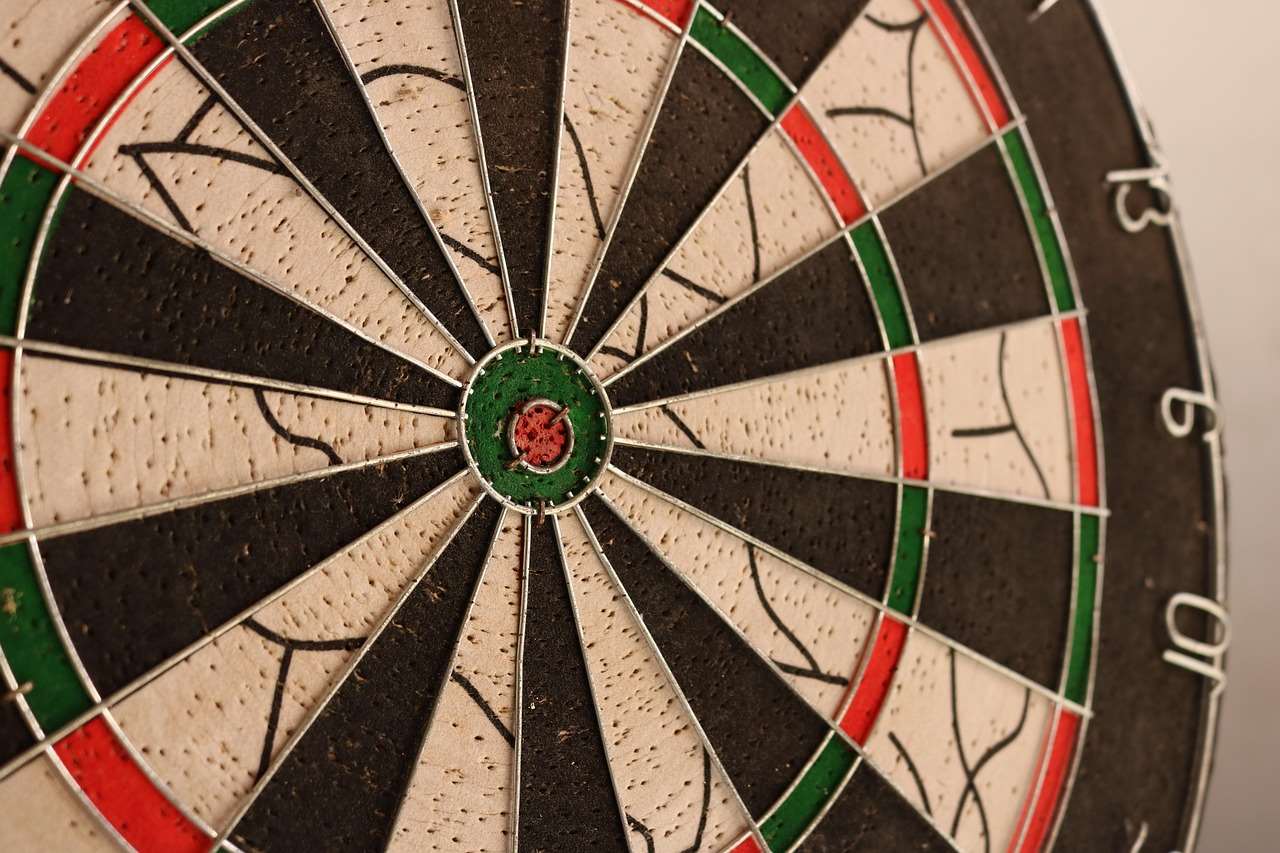
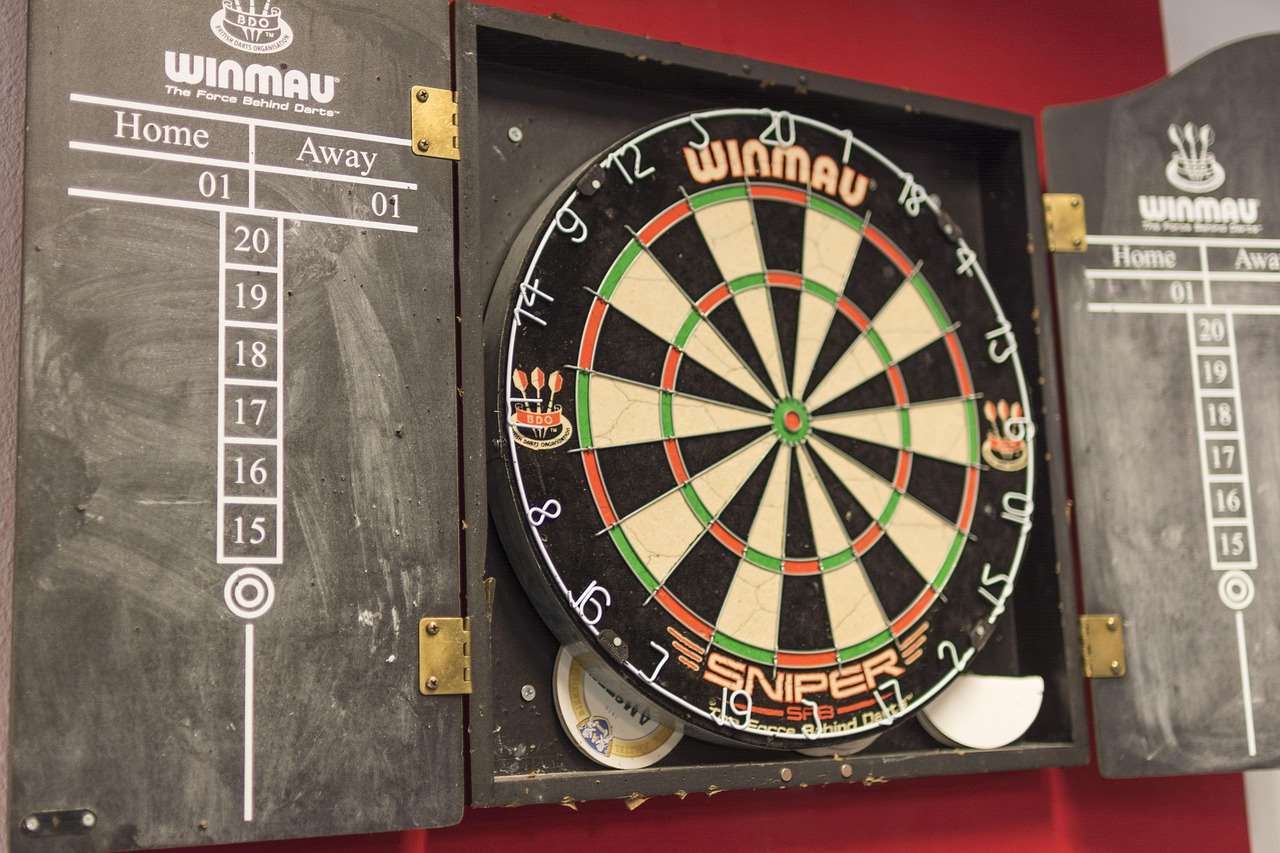
Ensure your dartboard is mounted correctly at the regulation height (5 feet 8 inches to the bullseye) and distance (7 feet 9 1/4 inches from the oche to the face of the board). A wobbly or improperly positioned dartboard will negatively impact your accuracy and consistency.
Lighting
Good lighting is crucial. Make sure the dartboard is well-lit, ideally with a dedicated dartboard lighting system or a bright overhead light. Shadows can obscure your target and affect your aim.
Scoring System
Choose a scoring method that suits you. You can use a traditional whiteboard and marker, a digital dart scorer, or even a dedicated dart scoring app on your smartphone or tablet. Using a scoring system is essential for accurately tracking your scores, monitoring your progress, and identifying areas for improvement.
Warm-up Routine
Just like any sport, it’s important to warm up before playing 501 darts solo for practice. Spend a few minutes throwing darts at random targets to loosen up your muscles and get your eye in.
Variations for Playing 501 Darts Solo for Practice
To keep your solo practice sessions engaging and challenging, try incorporating these variations into your routine:
- Checkout Challenges: Set specific checkout targets (e.g., 170, 164, 100) and practice hitting them consistently. This will improve your checkout skills and increase your confidence.
- High Score Challenge: Aim for the highest possible score with each three-dart throw. This will help you to improve your scoring power and accuracy.
- Double-Out Challenge: Force yourself to finish every game with a double. This will help you to improve your double-hitting accuracy, a crucial skill in darts.
- Around the Clock: Start by hitting the number 1 and then work your way around the board, hitting each number in sequence. This will improve your accuracy across the entire dartboard.
Tracking Your Progress
Tracking your progress is essential for staying motivated and identifying areas where you need to improve. Here are some ways to track your performance when playing 501 darts solo for practice:
- Average Score: Calculate your average score per three darts. This is a good overall indicator of your performance.
- Checkout Percentage: Track the percentage of times you successfully checkout out of a game. This will highlight your effectiveness at finishing games.
- High Scores: Record your highest scores and try to beat them each session.
- Number of Darts to Finish: Keep track of the number of darts it takes you to finish a game. A lower number indicates improved efficiency.
Using a spreadsheet or a dedicated dart tracking app can make it easier to collect and analyze your data.
Developing Checkout Strategies for 501
Mastering checkout strategies is crucial for success in 501 darts. Playing 501 darts solo for practice provides the perfect opportunity to develop and refine your approach to finishing games.
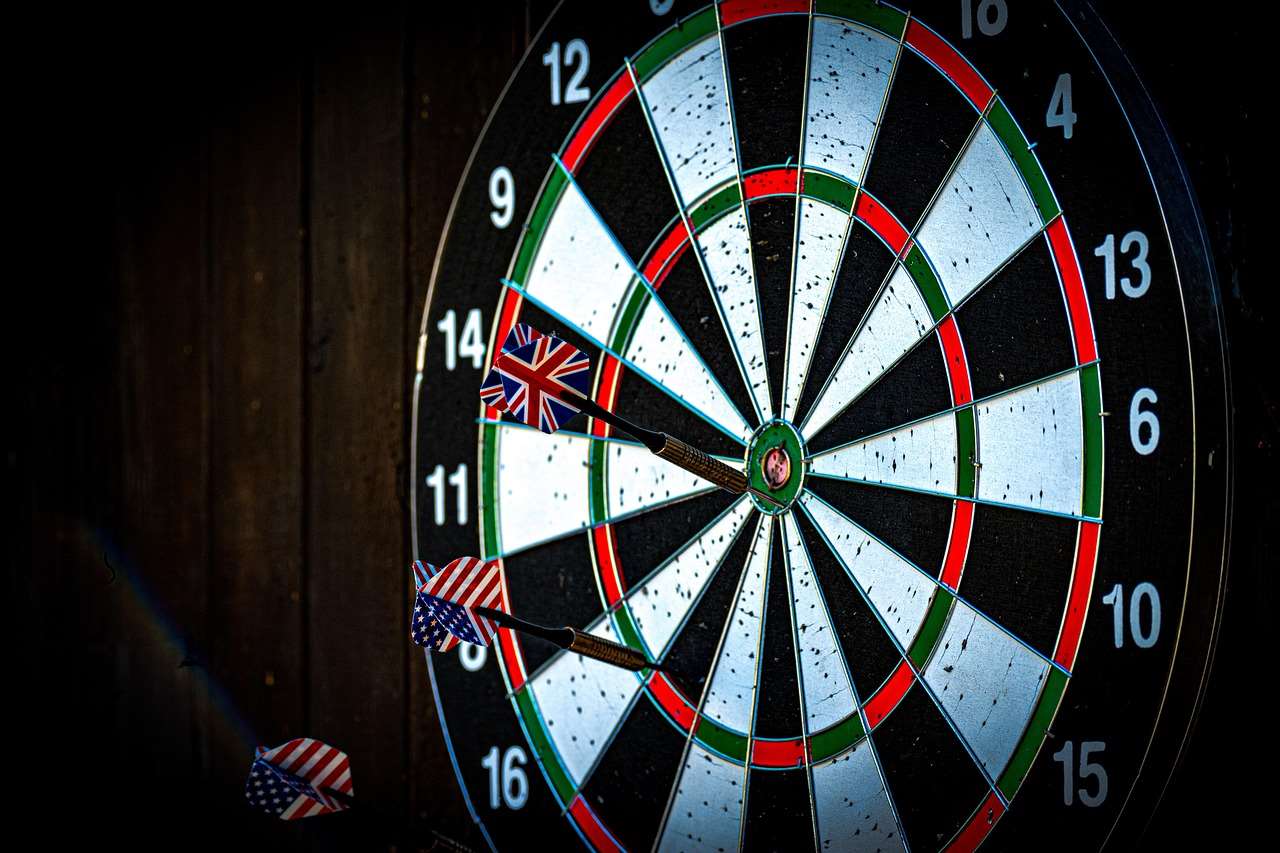
- Learn the Common Checkouts: Familiarize yourself with the standard checkout routes, such as 170 (T20, T20, D Bull), 160 (T20, T20, D20), and 100 (T20, D20, D10).
- Plan Your Route: Before each throw, consider your remaining score and plan your route to the checkout. Think ahead to ensure you leave yourself with a favorable number.
- Practice Under Pressure: Simulate match scenarios by setting specific conditions, such as requiring yourself to checkout within a certain number of darts.
Remember, Simplified 501 game rules for novice players can be a great starting point to understand the game better before diving into advanced strategies.
Mental Game and Focus
Darts is as much a mental game as it is a physical one. When playing 501 darts solo for practice, it’s essential to develop your mental toughness and focus.
- Visualization: Before each throw, visualize the dart hitting the target. This can help to improve your accuracy and confidence.
- Positive Self-Talk: Encourage yourself with positive self-talk. Avoid negative thoughts and focus on your strengths.
- Manage Distractions: Minimize distractions during your practice sessions. Turn off your phone and create a quiet, focused environment.
- Stay Calm Under Pressure: Learn to stay calm and composed, even when you make mistakes. Don’t let errors throw you off your game.
Dealing with Frustration
Everyone gets frustrated when practicing. Recognize when you’re becoming frustrated and take a short break. Clear your head before returning to practice.
Common Mistakes to Avoid When Playing Solo
Even with the best intentions, players can fall into traps during solo practice. Be aware of these common mistakes when playing 501 darts solo for practice to maximize your effectiveness.
- Lack of Focus: Treating practice as just throwing darts without a specific goal in mind.
- Ignoring Fundamentals: Neglecting the basics of stance, grip, and release.
- Practicing Only Your Strengths: Avoiding practicing your weaknesses, leading to imbalances in your game.
- Not Tracking Progress: Failing to monitor your performance, making it difficult to identify areas for improvement.
- Over-Practicing: Practicing for too long without breaks, leading to fatigue and decreased performance.
Incorporating Drills to Improve Specific Skills
Targeted drills can accelerate skill development when playing 501 darts solo for practice. Integrate these drills to work on specific aspects of your game:
- Double Practice: Dedicate time solely to hitting doubles. Throw at specific doubles (e.g., D20, D16) repeatedly.
- Treble Practice: Similar to double practice, focus on hitting specific trebles (e.g., T20, T19).
- Grouping Drill: Throw three darts at the same target and try to group them as closely together as possible. This improves consistency.
- Target Switching Drill: Quickly switch your aim between different targets to improve your focus and adaptability.
Regularly incorporating these drills into your practice routine will lead to noticeable improvements in your overall game.
Staying Motivated During Solo Practice
Maintaining motivation is essential for consistent practice. Here’s how to stay engaged when playing 501 darts solo for practice:
- Set Realistic Goals: Set achievable goals for each practice session, such as improving your average score or hitting a certain number of checkouts.
- Reward Yourself: Treat yourself after achieving your goals. This could be anything from a small snack to watching your favorite TV show.
- Track Your Progress: Seeing your improvement over time can be highly motivating.
- Vary Your Practice: Mix up your practice routine to prevent boredom. Try different games and challenges.
Analyzing Your Games
Even in solo practice, analyzing your games is beneficial. After playing 501 darts solo for practice, take some time to review your performance. Identify areas where you excelled and areas where you struggled. This will help you to focus your future practice sessions.
Consider reviewing your checkout attempts and identifying any patterns in your misses. Are you consistently missing to the left or right? This can provide valuable insights into your technique.
Consistency is Key
The most important factor in improving your darts game is consistency. Aim to practice 501 darts solo for practice on a regular basis, even if it’s only for a short period of time. Consistent practice will build muscle memory, improve your accuracy, and boost your confidence.
Remember, fun dart game variations with modified rules can also supplement your 501 practice and keep things interesting.
Conclusion
Playing 501 darts solo for practice is an invaluable tool for improving your dart game. By setting up your practice environment correctly, incorporating variations, tracking your progress, and focusing on your mental game, you can maximize the benefits of solo practice and achieve your darts goals. Remember to stay consistent, analyze your games, and most importantly, have fun! So, grab your darts and start practicing – your next 180 is waiting to happen. Start improving today by grabbing your darts and setting up your own solo practice session!

Hi, I’m Dieter, and I created Dartcounter (Dartcounterapp.com). My motivation wasn’t being a darts expert – quite the opposite! When I first started playing, I loved the game but found keeping accurate scores and tracking stats difficult and distracting.
I figured I couldn’t be the only one struggling with this. So, I decided to build a solution: an easy-to-use application that everyone, no matter their experience level, could use to manage scoring effortlessly.
My goal for Dartcounter was simple: let the app handle the numbers – the scoring, the averages, the stats, even checkout suggestions – so players could focus purely on their throw and enjoying the game. It began as a way to solve my own beginner’s problem, and I’m thrilled it has grown into a helpful tool for the wider darts community.