To play darts like a pro, focus on mastering your stance, grip, throw, and mental game. This article will guide you through these crucial aspects, offering practical tips and strategies to elevate your dart game.
⚠️ Still Using Pen & Paper (or a Chalkboard)?! ⚠️
Step into the future! The Dart Counter App handles all the scoring, suggests checkouts, and tracks your stats automatically. It's easier than you think!
Try the Smart Dart Counter App FREE!Ready for an upgrade? Click above!
Mastering the Fundamentals to Play Darts Like a Pro
The journey to play darts like a pro begins with understanding and perfecting the fundamentals. This includes your stance, grip, and throwing motion. Neglecting these foundational elements will hinder your progress, no matter how much you practice. Think of it as building a house – a shaky foundation leads to a wobbly structure.
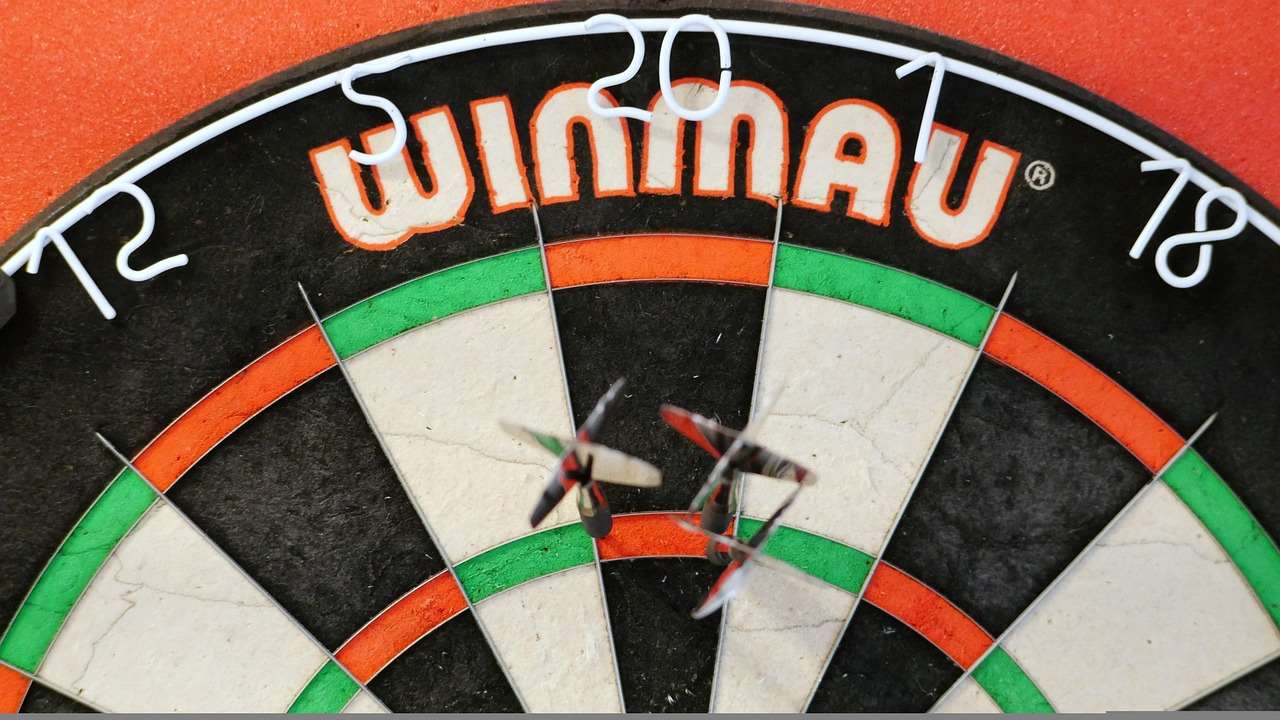
Stance: Finding Your Balance
Your stance is the bedrock of your dart throw. There are three main stances: the front-on stance, the angled stance, and the side-on stance. Experiment to find what feels most natural and balanced for you. A common starting point is the angled stance, where one foot is positioned slightly forward, pointing towards the dartboard. Consider your dominant eye; aligning your dominant eye with the board can improve your accuracy. Weight distribution is also crucial; aim for a balanced weight distribution between both feet, allowing for stability without stiffness. Regular practice will allow you to dial in what feels most comfortable and balanced. Check out darts match time for timing yourself during practice.
- Front-On Stance: Faces the board directly.
- Angled Stance: One foot slightly forward.
- Side-On Stance: Presents a narrower profile to the board.
Grip: The Connection to Your Dart
The grip is how you connect with the dart. There’s no one-size-fits-all grip; it depends on personal preference and dart weight/design. A common grip involves holding the dart with your thumb and index finger, using your other fingers for support. Avoid gripping too tightly, as this can lead to tension and erratic throws. Instead, focus on a relaxed, controlled grip. Experiment with different grip positions along the barrel of the dart to find what gives you the best control and release. Many professional players adjust their grip based on the specific dart or the situation. Understanding darts focus can have a major impact here.
- Loose Grip: Promotes a smoother release.
- Firm Grip: Offers more control (but avoid being too tight!).
- Experimentation: Try different grip points on the barrel.
Throw: The Fluid Motion
The throwing motion should be a fluid, repeatable movement. Start with your arm extended towards the board, then draw it back smoothly. Keep your elbow high and locked in position, using your forearm and wrist to propel the dart forward. Follow through with your throw, pointing your fingers towards the target. Avoid jerky movements or unnecessary muscle strain. Consistency is key to a successful throw. Practice your throwing motion regularly, focusing on smoothness and accuracy. Another important component is the set-up prior to the throw, where you focus on your breathing and visualizing where the dart will go.
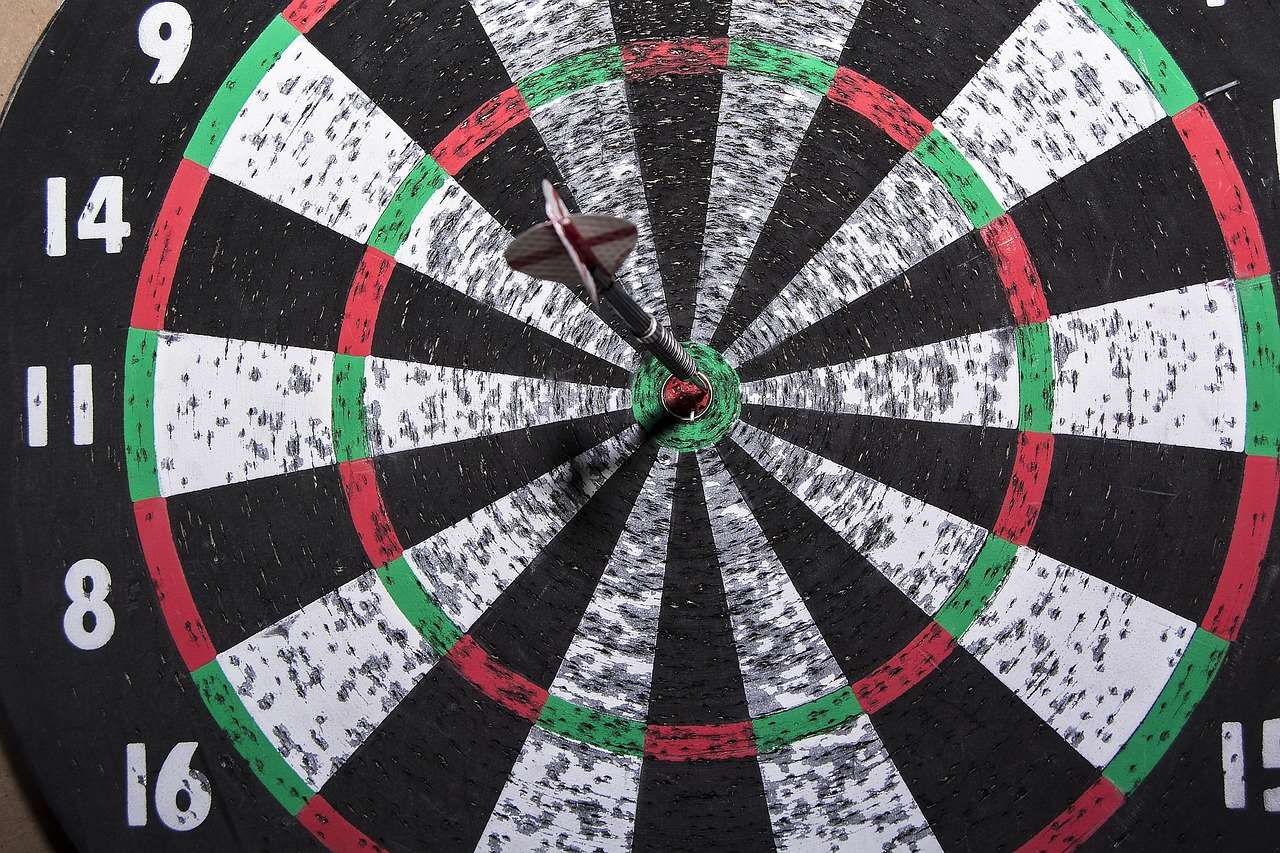
Advanced Techniques to Elevate Your Dart Game
Once you’ve mastered the fundamentals, you can start incorporating advanced techniques to further refine your game and play darts like a pro. These techniques focus on precision, strategy, and mental toughness.
Targeting and Accuracy
Aiming is more than just looking at the target. It involves understanding the subtle angles and distances involved in hitting your desired segment on the board. Practice aiming at specific targets, such as the treble 20 or the double 16, and analyze your results. Are you consistently missing high, low, left, or right? Adjust your stance, grip, or throwing motion accordingly. Visualizing your dart trajectory can also improve your accuracy. Before each throw, imagine the dart flying directly to your target. Many players find a consistent routine to improve accuracy.
Checkout Strategies
Knowing your checkout routes is crucial for closing out legs quickly and efficiently. Learn common checkout combinations, such as 170 (T20, T20, Bullseye) or 164 (T20, T20, D22). Be prepared to adjust your checkout strategy based on the score you have left. If you miss your target, have a backup plan in place. For example, if you are aiming for a double 20 to checkout 40 and you hit a single 20, be prepared to go for a double 10 next. Keeping track of your score can be made easier with a Darts scoreboard app, giving you a better overview of your status in the game.
Mental Game: Staying Calm Under Pressure
Darts is as much a mental game as it is a physical one. Staying calm and focused under pressure is essential for performing at your best. Develop mental strategies to cope with nerves and distractions. This could include deep breathing exercises, positive self-talk, or visualization techniques. Learn to accept mistakes and move on to the next throw without dwelling on the past. Building mental resilience takes time and practice, but it will pay off in the long run. Maintain a positive attitude, even when things aren’t going your way. Remember why you enjoy playing darts and focus on having fun.
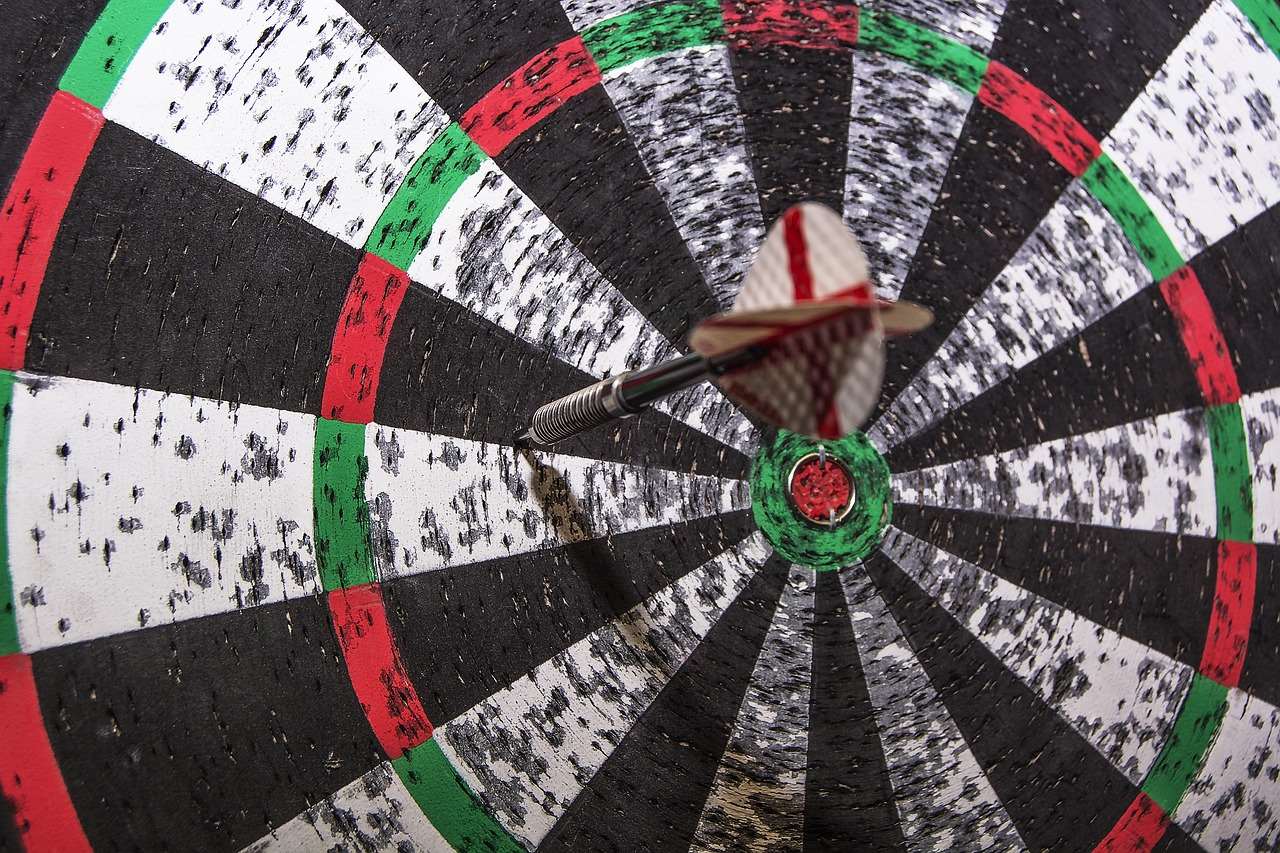
Equipment Matters: Choosing the Right Darts and Setup
Having the right equipment can make a significant difference in your performance. Selecting darts that suit your throwing style and preferences is crucial to play darts like a pro. Also, ensure your dartboard setup is up to competition standards.
Dart Weight and Material
Darts come in a variety of weights and materials. The most common weight range is between 21 and 26 grams. Lighter darts may be easier to throw, but they can be more affected by air currents. Heavier darts may require more force, but they can be more stable in flight. The material of the dart barrel also affects its grip and balance. Tungsten darts are denser than brass darts, allowing for a slimmer profile and a better grip. Experiment with different weights and materials to find what feels most comfortable and gives you the best results. Consider using darts scoreboard killer to keep score between dart set ups.
Flights and Shafts
Flights and shafts affect the dart’s aerodynamics and stability. Flights come in various shapes and sizes, each with its own flight characteristics. Larger flights provide more stability, while smaller flights offer more speed. Shafts also come in different lengths and materials. Longer shafts increase the distance between the grip and the flight, which can affect the dart’s trajectory. Experiment with different flight and shaft combinations to find what works best for your throwing style. Replacing them is also part of maintaining your equipment. Regular inspection of your flights and shafts is key to achieving the desired performance. The dart flight formen plays a part in your overall equipment setup.
Dartboard Setup and Maintenance
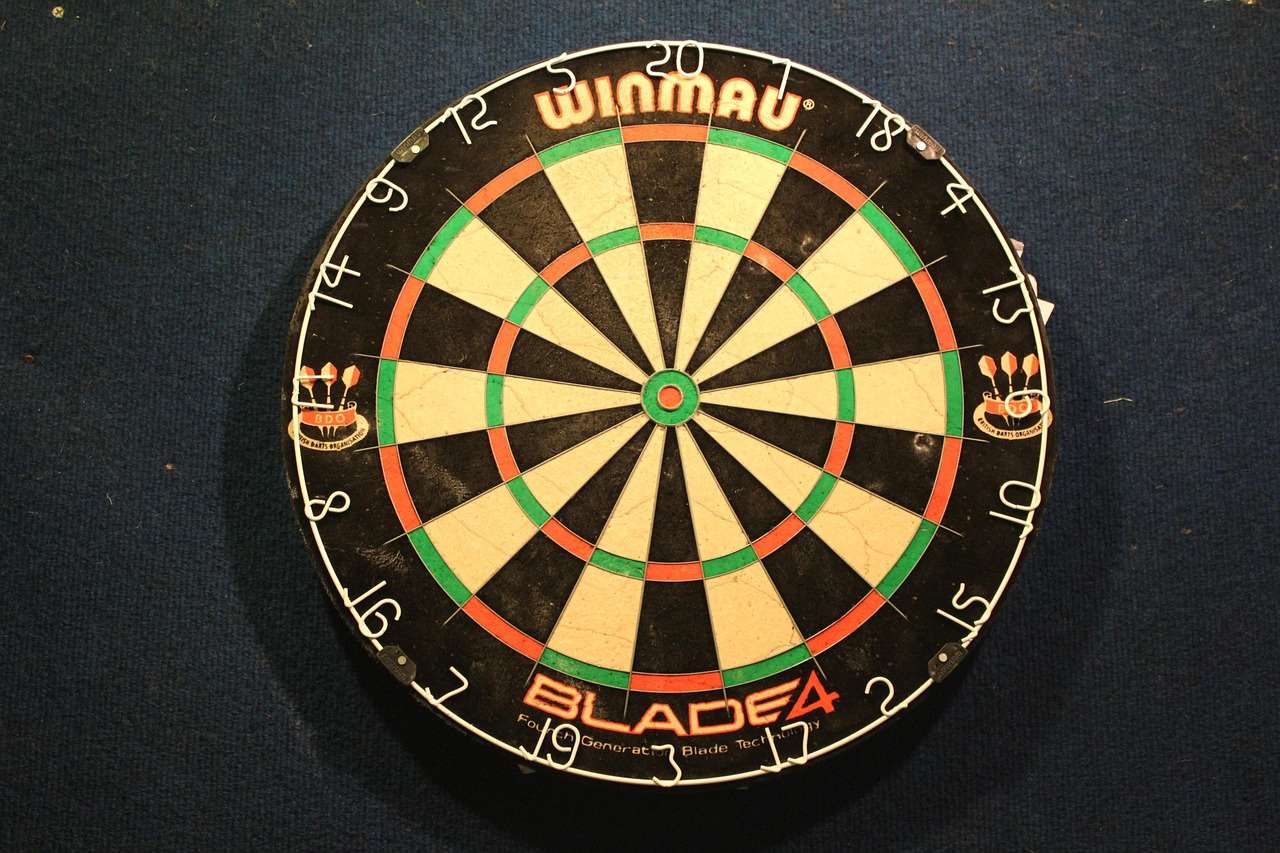
Ensure your dartboard is hung at the correct height and distance. The center of the bullseye should be 5 feet 8 inches (1.73 meters) from the floor. The throwing line (oche) should be 7 feet 9 1/4 inches (2.37 meters) from the face of the dartboard. Make sure the dartboard is securely mounted and well-lit. Rotate the dartboard regularly to distribute wear evenly. Remove any loose fibers or debris from the board to prevent bounce-outs. Proper maintenance will prolong the life of your dartboard and ensure consistent scoring. Always be mindful of the lighting. Shadows can impact your accuracy by creating visual distortions on the board, making it difficult to aim accurately. Investing in a good lighting system or positioning existing lights to eliminate shadows can significantly improve your game.
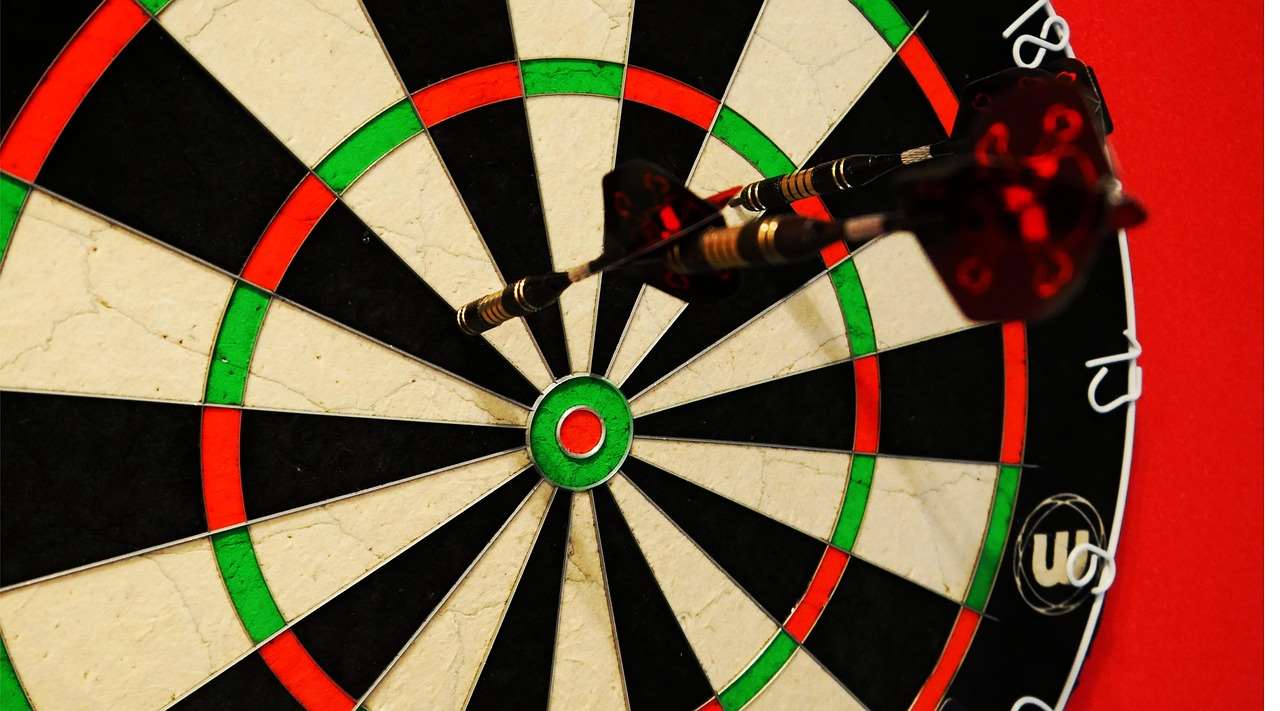
Practice and Consistency: The Key to Improvement
Consistent practice is the single most important factor in improving your dart game. You can read all the tips and techniques you want, but without dedicated practice, you won’t see significant progress. This is paramount to play darts like a pro. Set realistic goals and track your progress over time.
Developing a Practice Routine
Create a structured practice routine that focuses on your weaknesses. If you struggle with checkouts, spend time practicing those combinations. If your accuracy is inconsistent, work on your stance, grip, and throwing motion. Don’t just throw darts aimlessly; have a specific goal in mind for each practice session. Vary your practice routine to keep things interesting and prevent burnout. Include drills that challenge you in different ways, such as throwing at specific targets under pressure or playing against a virtual opponent. Don’t forget to warm up before each practice session to loosen your muscles and prepare your mind. Playing double top darts score can assist you with warming up.
Tracking Your Progress
Keep track of your scores and statistics to monitor your improvement over time. This could include your average score per dart (PPD), your checkout percentage, and your number of 180s. Analyzing your data can help you identify areas where you need to focus your practice. Use a darts scoring app or a spreadsheet to record your results. Set realistic goals and track your progress towards those goals. Celebrate your successes and learn from your failures. By actively monitoring your progress, you’ll stay motivated and on track towards achieving your darting goals.
Seeking Feedback and Mentorship
Consider seeking feedback from other dart players or a coach. An experienced player can provide valuable insights into your technique and identify areas for improvement. A coach can help you develop a personalized training plan and provide ongoing support. Don’t be afraid to ask for help or advice. The darting community is generally supportive and welcoming. Join a local darts league or club to meet other players and learn from their experiences. Consider joining a dart forum online or a dart discord channel to get advice from other players around the world.
Competition and Strategy: Taking Your Game to the Next Level
Competing against other players is a great way to test your skills and improve your game. Learning how to strategize during matches is also crucial for success. This is all part of being able to play darts like a pro.
Joining a Darts League or Tournament
Joining a darts league or tournament will give you the opportunity to compete against other players of varying skill levels. This is a great way to gain experience and learn how to perform under pressure. Look for local darts leagues or tournaments in your area. Don’t be afraid to sign up, even if you’re new to the game. Focus on having fun and learning from the experience. Take each match as an opportunity to learn from better players. Observing the way they play is essential. Learn their set-up, their stance, their throw and their mental preparation prior to each shot.
Analyzing Your Opponent
Pay attention to your opponent’s strengths and weaknesses. Are they strong scorers but weak at checkouts? Do they struggle under pressure? Use this information to your advantage. Adapt your strategy based on your opponent’s tendencies. If they are a fast scorer, try to slow down the pace of the game. If they are weak at checkouts, try to put them under pressure by leaving them with difficult finishes. But at the same time, stay true to yourself. Don’t try and force anything.
Developing a Match Strategy
Have a plan for each match. This could include your preferred checkout routes, your target scores, and your approach to dealing with pressure. Be prepared to adapt your strategy as the match progresses. If your opponent is playing well, you may need to take more risks. If they are struggling, you may need to play more conservatively. Remember to stay focused and maintain a positive attitude throughout the match. Learning how to win, regardless of how your opponent plays, is a key ingredient to becoming a successful darts player. Even though the game can be perceived as an individual endeavor, a good way to learn is to join a group and learn with others.
Conclusion
The path to play darts like a pro requires dedication, practice, and a focus on the fundamentals. By mastering your stance, grip, throw, and mental game, you can elevate your dart game to new heights. Remember to practice consistently, analyze your progress, and seek feedback from others. With the right equipment, strategy, and mindset, you can achieve your darting goals. Now, grab your darts, step up to the oche, and start practicing! Join a local darts league to test your skills and challenge yourself further.

Hi, I’m Dieter, and I created Dartcounter (Dartcounterapp.com). My motivation wasn’t being a darts expert – quite the opposite! When I first started playing, I loved the game but found keeping accurate scores and tracking stats difficult and distracting.
I figured I couldn’t be the only one struggling with this. So, I decided to build a solution: an easy-to-use application that everyone, no matter their experience level, could use to manage scoring effortlessly.
My goal for Dartcounter was simple: let the app handle the numbers – the scoring, the averages, the stats, even checkout suggestions – so players could focus purely on their throw and enjoying the game. It began as a way to solve my own beginner’s problem, and I’m thrilled it has grown into a helpful tool for the wider darts community.