The **pigments used in sisal dartboards** are vital for creating the distinct target areas and enhancing visibility. This article will explore the different pigments employed, their impact on dartboard quality and lifespan, and how they affect the overall playing experience. We’ll also discuss the factors influencing pigment choice and the importance of colorfastness in maintaining a dartboard’s appearance over time.
⚠️ Still Using Pen & Paper (or a Chalkboard)?! ⚠️
Step into the future! The Dart Counter App handles all the scoring, suggests checkouts, and tracks your stats automatically. It's easier than you think!
Try the Smart Dart Counter App FREE!Ready for an upgrade? Click above!
Understanding the Role of Pigments Used In Sisal Dartboards
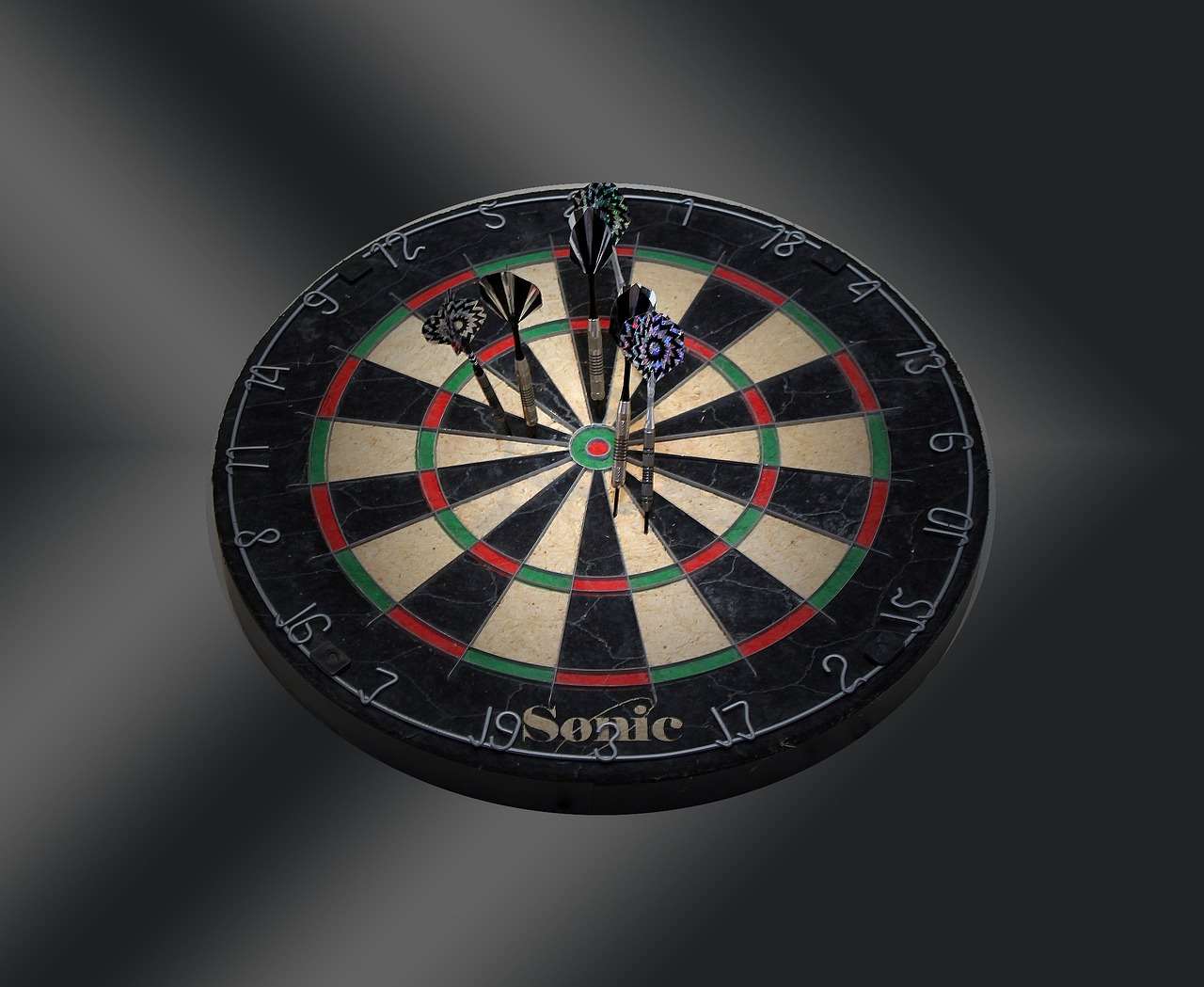
The vibrant colors you see on a dartboard are thanks to carefully selected pigments. These aren’t just for aesthetics; they serve a crucial function in helping players quickly and accurately identify scoring zones. The key colors typically used include black, white (or natural sisal), red, and green. The quality and type of pigment used directly influence the board’s durability, visibility, and resistance to fading.
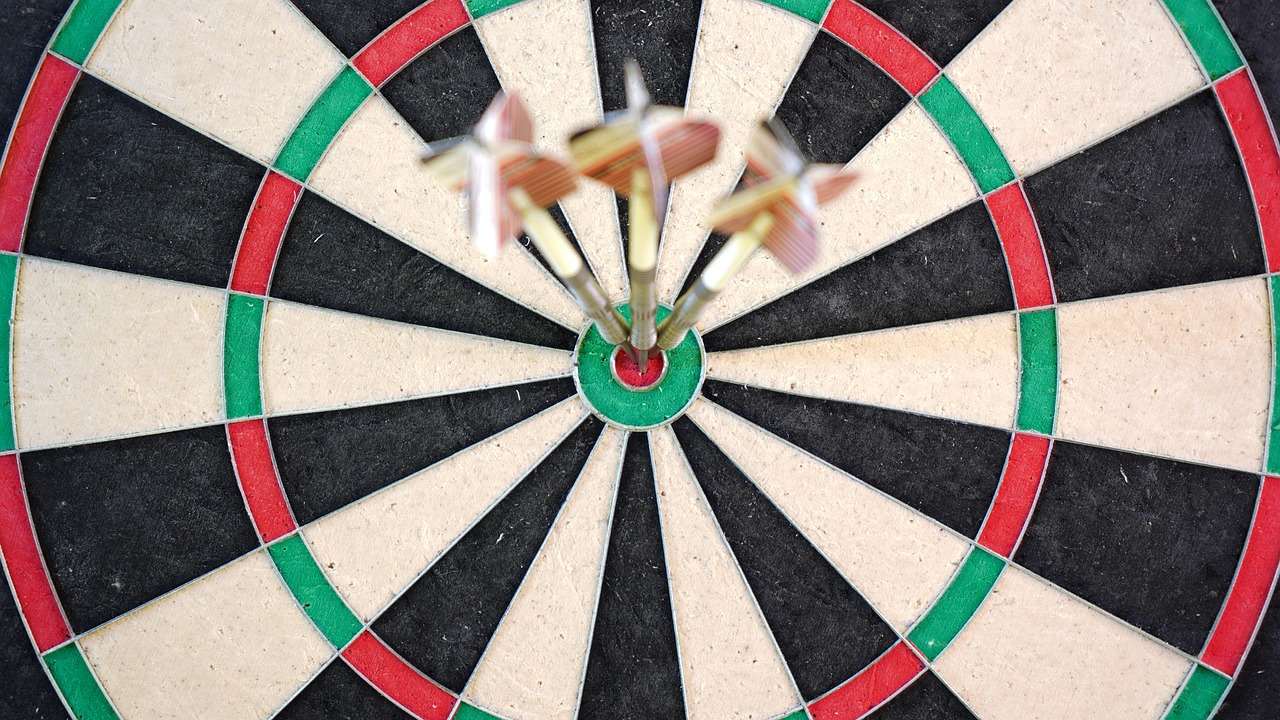
The choice of pigments is driven by several factors, including:
- Color intensity: Pigments must provide strong, easily discernible colors.
- UV resistance: To prevent fading from sunlight exposure.
- Durability: To withstand the constant impact of darts.
- Safety: Non-toxic pigments are essential for player safety.
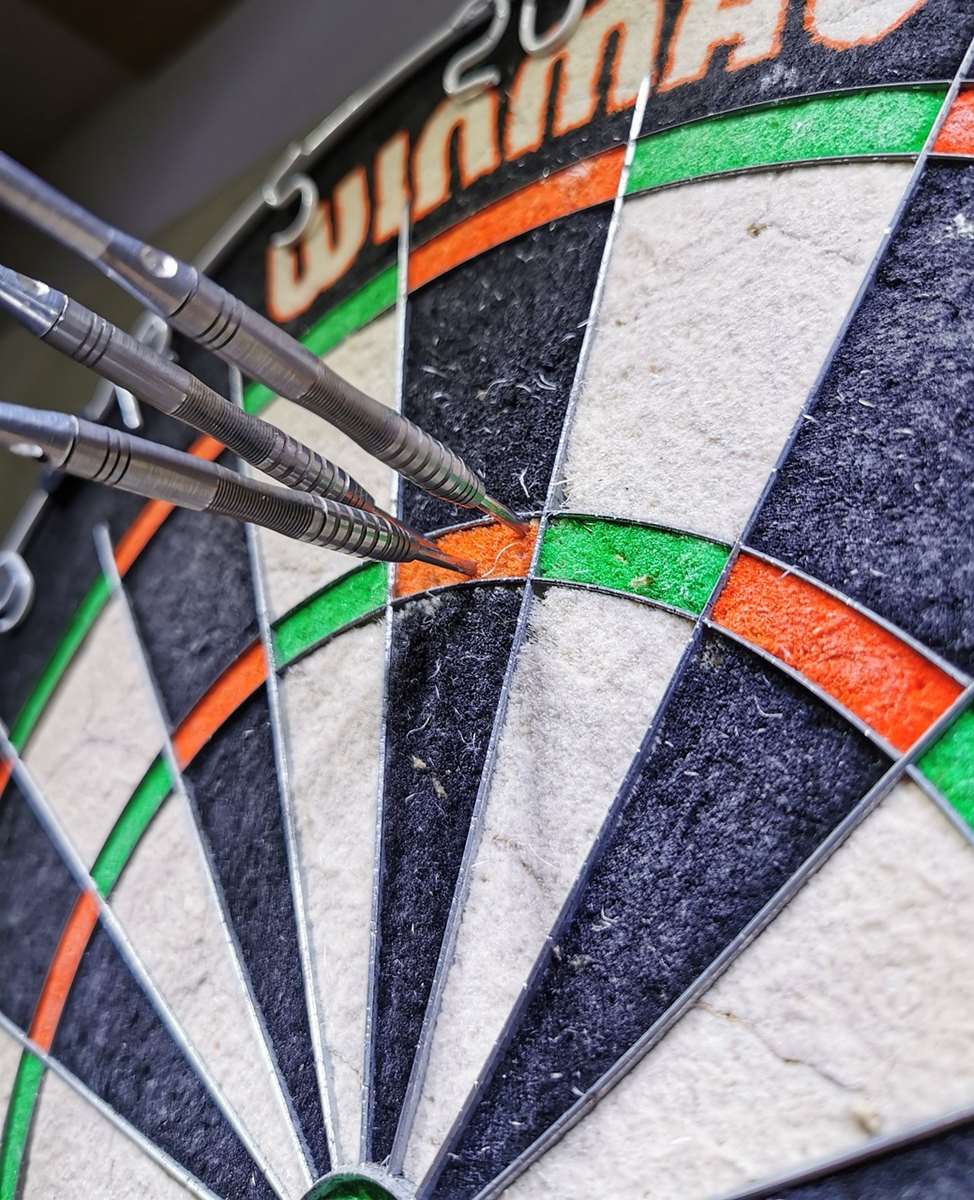
The application process is also important. Pigments are typically applied as a paint or dye that penetrates the sisal fibers. Proper application ensures that the color is evenly distributed and securely bonded to the fibers, preventing premature wear and tear.
Types of Pigments Commonly Used
Several types of pigments are used in the manufacturing of sisal dartboards. Each has its own advantages and disadvantages in terms of color vibrancy, durability, and cost.
Organic Pigments
Organic pigments are carbon-based compounds that offer a wide range of colors and high color strength. They tend to be brighter than inorganic pigments, but may not be as resistant to fading from UV exposure. They are often used to create the vivid reds and greens seen on dartboards. Manufacturers often use additives to improve the UV resistance of organic **dartboard pigments**.
Inorganic Pigments
Inorganic pigments are derived from metal oxides or other mineral compounds. They are known for their excellent lightfastness and durability. Common inorganic **sisal dartboard pigments** include iron oxides for reds and blacks, and chromium oxides for greens. While they may not be as bright as organic pigments, their superior resistance to fading makes them a popular choice, especially for boards intended for outdoor or brightly lit environments. If you need to How To Light Your Dartboard you can consider that.
Fluorescent Pigments
Although less common, some dartboards incorporate fluorescent pigments, particularly for novelty or electronic dartboards. These pigments emit light when exposed to UV radiation, resulting in extremely bright and eye-catching colors. However, they are generally less durable and more expensive than organic or inorganic pigments. Choosing the Choose Best Dart Equipment that best suits your needs is crucial.
The Impact of Pigments on Dartboard Quality and Lifespan
The quality of the **pigments used in sisal dartboards** has a direct impact on the board’s lifespan and performance. Poor quality pigments can fade quickly, making it difficult to distinguish scoring zones. They may also be less durable, leading to cracking or peeling, which can affect dart penetration and scoring accuracy. The goal is to find the Optimal Dartboard Lighting Solutions Guide to assist with visibility.

Here’s how different aspects of pigment quality affect the dartboard:
- Colorfastness: Pigments with good colorfastness will resist fading, maintaining the dartboard’s visual appeal and clarity over time. This is especially important for boards used in areas with strong sunlight.
- Durability: Durable pigments will withstand the constant impact of darts without cracking or peeling. This ensures that the scoring zones remain clearly defined and prevents damage to the underlying sisal fibers.
- Coverage: High-quality pigments provide even and consistent coverage, ensuring that each scoring zone is uniformly colored. Poor coverage can lead to inconsistencies in visibility and scoring accuracy.
Factors Influencing Pigment Choice in Dartboard Manufacturing
Dartboard manufacturers consider several factors when selecting pigments for sisal dartboards. These factors include cost, performance, environmental impact, and regulatory requirements.
Cost
Pigment cost is a significant consideration, particularly for mass-produced dartboards. Manufacturers often seek a balance between cost and performance, opting for pigments that provide acceptable color vibrancy and durability at a reasonable price.
Performance
Pigment performance, including colorfastness, durability, and coverage, is paramount. Manufacturers conduct rigorous testing to ensure that the pigments meet their quality standards and can withstand the demands of regular use. They might also offer Best Dartboard Lighting Systems to enhance visibility.
Environmental Impact and Safety
The environmental impact and safety of pigments are increasingly important considerations. Manufacturers are shifting towards using non-toxic, eco-friendly pigments that minimize their environmental footprint and ensure player safety. This includes avoiding pigments that contain heavy metals or other harmful substances. You can also find more information on Types Optimal Dartboard Lighting.
Regulatory Requirements
Regulatory requirements also influence pigment choice. Manufacturers must comply with regulations regarding the use of certain chemicals and substances in their products. This may restrict the use of certain pigments and require them to use alternatives that meet regulatory standards.
Ensuring Colorfastness and Longevity
Maintaining the colorfastness of **pigments in sisal dartboards** is essential for ensuring their longevity and visual appeal. Several strategies can be employed to enhance colorfastness and prevent fading.
UV Protection
Applying a UV-protective coating can significantly reduce fading caused by sunlight exposure. These coatings act as a barrier, preventing UV rays from penetrating the pigments and causing them to break down.
Pigment Selection
Choosing pigments with inherent UV resistance is crucial. Inorganic pigments, such as iron oxides and chromium oxides, are known for their excellent lightfastness and are less prone to fading than organic pigments.
Proper Application Techniques
Using proper application techniques ensures that the pigments are evenly distributed and securely bonded to the sisal fibers. This helps prevent premature wear and tear and minimizes the risk of fading.
The Future of Pigments Used In Sisal Dartboards
The field of **pigments used in sisal dartboards** is constantly evolving, with ongoing research and development focused on creating more durable, vibrant, and environmentally friendly options. Here are some potential future trends:
Sustainable Pigments
There is a growing interest in sustainable pigments derived from renewable resources. These pigments offer a lower environmental impact and are often biodegradable, making them a more eco-friendly alternative to traditional pigments.
Nanotechnology
Nanotechnology is being explored to enhance the properties of pigments, such as color strength, UV resistance, and durability. Nanoparticles can be incorporated into pigments to improve their performance and extend the lifespan of dartboards.
Smart Pigments
Smart pigments that change color in response to temperature or light are also being developed. These pigments could be used to create dartboards that provide visual feedback to players, such as indicating the scoring zone or tracking dart placement.
Conclusion
The **pigments used in sisal dartboards** play a critical role in their appearance, durability, and performance. Understanding the different types of pigments, their properties, and the factors influencing their choice can help players and manufacturers make informed decisions. By selecting high-quality, colorfast pigments and employing proper application techniques, it’s possible to create dartboards that are visually appealing, long-lasting, and provide an optimal playing experience. Ready to upgrade your dartboard setup? Check out our guide on Reduce Dartboard Shadows Effectively for tips on improving visibility and performance!

Hi, I’m Dieter, and I created Dartcounter (Dartcounterapp.com). My motivation wasn’t being a darts expert – quite the opposite! When I first started playing, I loved the game but found keeping accurate scores and tracking stats difficult and distracting.
I figured I couldn’t be the only one struggling with this. So, I decided to build a solution: an easy-to-use application that everyone, no matter their experience level, could use to manage scoring effortlessly.
My goal for Dartcounter was simple: let the app handle the numbers – the scoring, the averages, the stats, even checkout suggestions – so players could focus purely on their throw and enjoying the game. It began as a way to solve my own beginner’s problem, and I’m thrilled it has grown into a helpful tool for the wider darts community.