Understanding the Phil Taylor dart setup is crucial for any aspiring darts player wanting to emulate the legend’s precision and consistency; his particular preferences in barrels, shafts, and flights significantly contributed to his unparalleled success. This article provides a detailed Phil Taylor Dart Setup Analysis, exploring the specific components he used and offering insights into how you can adapt similar principles to improve your own game, including tips on grip and stance.
⚠️ Still Using Pen & Paper (or a Chalkboard)?! ⚠️
Step into the future! The Dart Counter App handles all the scoring, suggests checkouts, and tracks your stats automatically. It's easier than you think!
Try the Smart Dart Counter App FREE!Ready for an upgrade? Click above!
Phil Taylor Dart Setup Analysis: A Deep Dive
Delving into the Phil Taylor Dart Setup Analysis reveals a highly customized approach. Taylor wasn’t just throwing darts; he was meticulously crafting a system that perfectly suited his throwing style. We’ll explore each component, from the barrel to the flights, and discuss how they contributed to his dominance. Understanding his preferences and the reasons behind them can offer valuable lessons for players of all levels. We’ll also discuss the importance of understanding your individual needs when selecting dart equipment. Consider also that the right equipment is just one piece of the puzzle – dedicated practice and a strategic mindset are equally vital.
One key element often overlooked is the mental aspect of darts. Taylor was renowned for his focus and composure under pressure, qualities that complemented his finely tuned equipment. Improving your mental game, along with adopting a setup tailored to your throwing style, will contribute to overall performance. Remember to explore different options before settling on a final setup.
The Barrel: Weight, Grip, and Material
The barrel is the heart of any dart, and Taylor’s choice was a pivotal element in his setup. He famously used 26-gram tungsten darts for a significant portion of his career. Tungsten is preferred for its density, allowing for a slimmer barrel profile while maintaining weight, which facilitates tighter groupings on the dartboard. Consider reading about Choose Best Dart Equipment before finalizing your choice.
Taylor’s barrels also featured a specific grip pattern. The grip provided him with the necessary control and feel, ensuring a consistent release. Different grip patterns are suited for different throwing styles, so experimenting is crucial. A ringed grip is a common choice, offering a good balance of grip and release. However, some players prefer knurled grips for a more aggressive feel, while others opt for smooth barrels for a cleaner release. Consider how your grip affects the stability and trajectory of your darts.
When performing a Phil Taylor Dart Setup Analysis, it’s important to consider how the weight distribution of the barrel impacts its flight characteristics. Taylor’s darts had a slightly forward-weighted bias, which helped him achieve a consistent, stable trajectory. Experimenting with different weight distributions can dramatically affect your throwing accuracy.
Understanding Barrel Weight Distribution
Barrel weight distribution plays a crucial role in the overall feel and performance of a dart. A front-weighted dart tends to fly straighter and is often preferred by players who have a strong, forceful throw. A center-weighted dart offers a more balanced feel and is suitable for players with a smoother, more controlled throwing motion. A rear-weighted dart can be more forgiving for players who tend to release the dart slightly early. Understanding your throwing style and release point is crucial for selecting the optimal weight distribution.
In addition to weight distribution, the shape of the barrel also impacts its aerodynamics. A torpedo-shaped barrel, like the one often used by Taylor, is known for its stability and accuracy. A straight barrel offers a more consistent feel and is easier to grip. A tapered barrel can help reduce deflections and allows for tighter groupings.
Shafts: Length and Material Matters
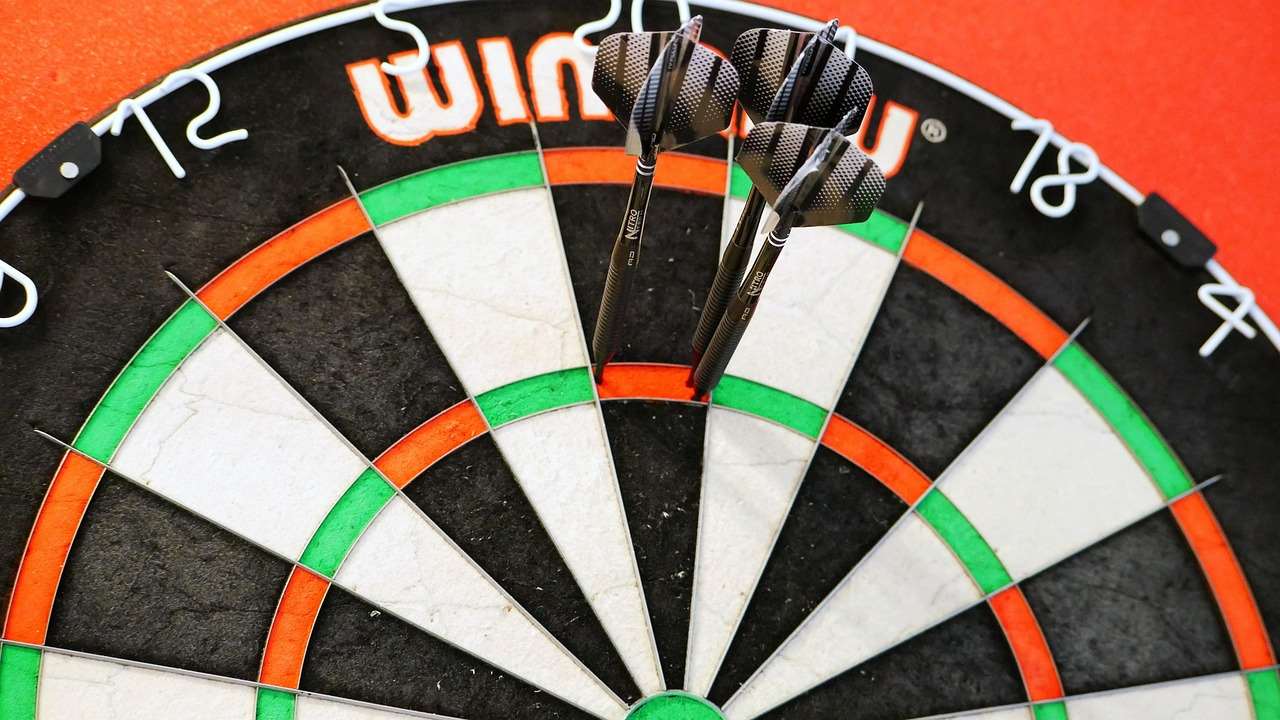
The shaft connects the barrel to the flight and plays a significant role in the dart’s overall balance and flight characteristics. Taylor experimented with different shaft lengths throughout his career, but he generally favored medium-length shafts. The shaft’s length affects the dart’s angle of entry into the board. Shorter shafts can cause the dart to fly at a steeper angle, while longer shafts promote a flatter trajectory.
Shafts are typically made from nylon, aluminum, or carbon fiber. Nylon shafts are the most common and affordable option, offering good durability and flexibility. Aluminum shafts are more durable than nylon shafts and provide a more rigid feel. Carbon fiber shafts are the most expensive and lightweight option, offering excellent strength and vibration dampening.
Analyzing Phil Taylor Dart Setup Analysis shows that finding the right shaft length and material is crucial for optimizing your dart’s flight path. If your darts tend to fishtail or wobble in the air, experimenting with different shaft lengths might be the solution. The right combination of shaft length and material will help you achieve a consistent and stable flight.
Flights: Shape, Size, and Stability
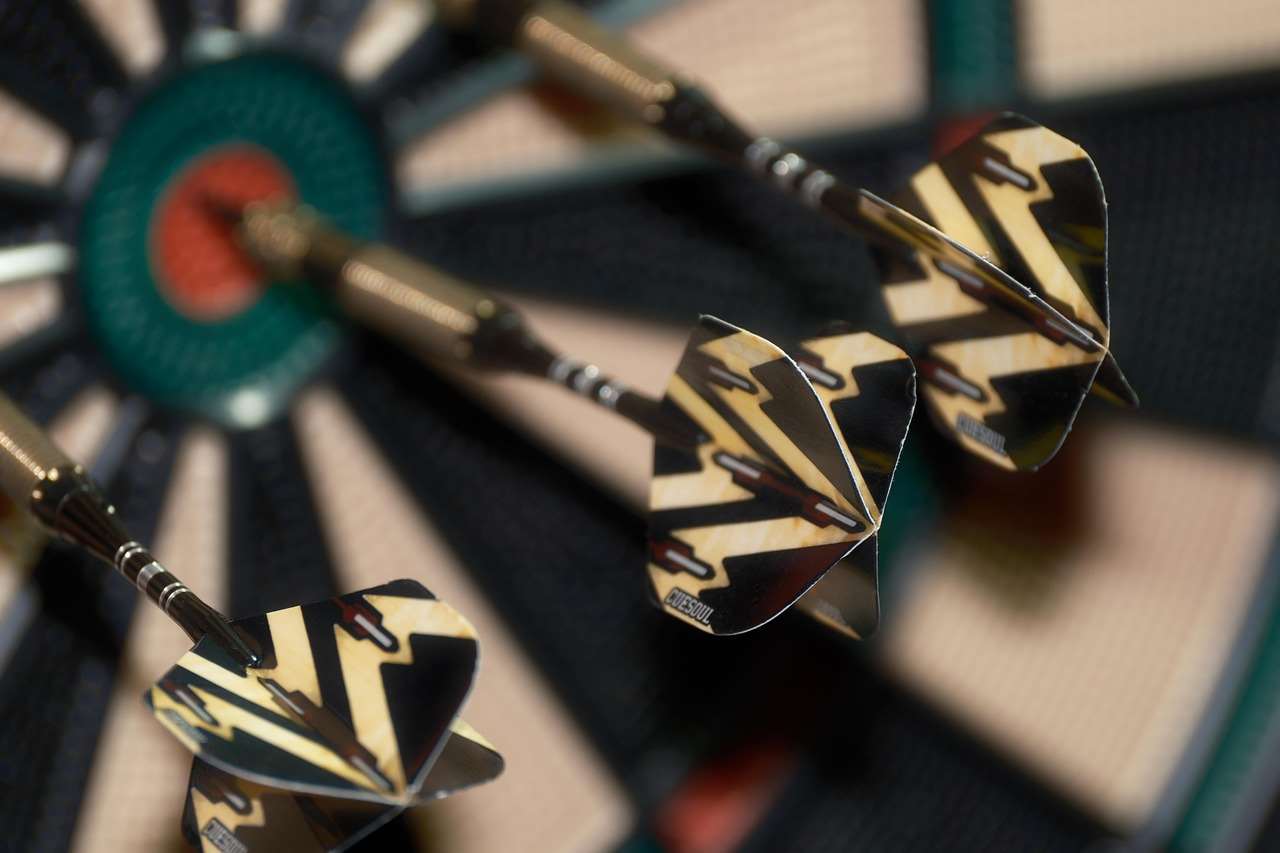
The flight is responsible for stabilizing the dart in flight and ensuring it travels accurately towards the target. Taylor typically used standard-shaped flights, known for their stability and forgiving nature. The size and shape of the flight significantly affect the dart’s drag and lift characteristics.
Standard flights provide maximum surface area, resulting in greater stability and slower flight speed. Slim flights reduce surface area, leading to faster flight speed and reduced stability. Kite flights offer a balance between stability and speed. Experimenting with different flight shapes and sizes can help you fine-tune your dart’s trajectory and accuracy.
Flight material also plays a role. Thicker flights are more durable and resistant to damage, while thinner flights offer less drag and can improve accuracy. The choice of flight material often comes down to personal preference and playing style. When performing a Phil Taylor Dart Setup Analysis on your own darts, consider how flight shape and material affect your throw.
Grip Techniques: Mastering Control
Your grip is how you connect with the dart, transferring your throwing motion into controlled flight. Taylor’s grip was characterized by a firm but relaxed hold, using three fingers to guide the dart. Grip pressure is critical; too much pressure can cause tension and affect your release, while too little pressure can lead to a loss of control. Experiment with different grip positions and pressures to find what feels most natural and comfortable.
Some players prefer a front grip, holding the dart closer to the point, while others prefer a rear grip, holding it closer to the shaft. The ideal grip position depends on your hand size, finger length, and throwing style. Remember, consistency is key. Once you find a grip that works, practice it diligently to develop muscle memory and ensure a consistent release.
Stance and Posture: Foundation for Accuracy
Your stance and posture provide the foundation for a consistent and accurate throw. Taylor stood at a slight angle to the board, with his weight balanced evenly on both feet. Maintaining a stable and balanced posture is crucial for minimizing movement and ensuring a consistent release point.
Experiment with different stances to find what feels most comfortable and natural. Some players prefer a closed stance, where their body is facing the board, while others prefer an open stance, where their body is angled slightly away from the board. The key is to find a stance that allows you to maintain balance and stability throughout your throwing motion.
Your posture should be upright and relaxed, with your shoulders square to the board. Avoid slouching or leaning forward, as this can throw off your balance and affect your accuracy. Practice throwing in front of a mirror to monitor your stance and posture and identify any areas for improvement. Remember, a solid foundation is essential for consistent dart throwing.
Practicing with Your Setup: Building Consistency
Once you’ve assembled your ideal dart setup, consistent practice is essential to develop muscle memory and improve your accuracy. Regular practice sessions will allow you to fine-tune your throwing technique, identify any weaknesses in your setup, and build confidence in your ability to hit your target.
Focus on consistency and repetition rather than simply throwing as many darts as possible. Concentrate on maintaining your grip, stance, and throwing motion with each throw. Set realistic goals for each practice session and track your progress to stay motivated. Consider using a practice routine to help you stay focused and organized. Remember to adjust Optimal Dartboard Lighting Solutions Guide too.
Analyze your results after each practice session to identify areas for improvement. Are you consistently missing to the left or right? Are your darts landing too high or too low? Identifying these patterns will help you make adjustments to your setup or throwing technique to improve your accuracy. When conducting a Phil Taylor Dart Setup Analysis on yourself, be objective and open to making changes.
The Importance of Consistent Release
The consistent release of the dart is often the most overlooked aspect of dart throwing. Even with the best equipment, an inconsistent release will lead to erratic throws. Focus on releasing the dart at the same point in your throwing motion every time. Visualize the target and aim for a smooth, controlled release. Practicing in front of a mirror can help you monitor your release point and identify any inconsistencies.
Adapting the Phil Taylor Dart Setup Analysis Principles
While replicating Taylor’s exact setup might not automatically transform you into a world champion, understanding the principles behind his choices can significantly improve your game. Experiment with different barrel weights, shaft lengths, and flight shapes to find what works best for your individual throwing style. Remember that personal preference plays a significant role in selecting dart equipment.
Consider seeking advice from experienced dart players or professionals to get feedback on your setup and throwing technique. They can provide valuable insights and help you identify areas for improvement. Don’t be afraid to try new things and experiment with different combinations until you find the perfect fit. The journey to finding your ideal dart setup is an ongoing process of trial and error.
The Mental Game: Focus and Composure
As previously mentioned, the mental aspect of darts is just as important as the physical aspect. Developing focus and composure under pressure can significantly improve your performance. Learn to block out distractions, stay calm in high-pressure situations, and maintain a positive attitude even when things aren’t going your way. Visualization techniques, meditation, and deep breathing exercises can help you improve your mental game.
Taylor was renowned for his ability to stay focused and composed even in the most challenging circumstances. He developed a mental routine that helped him block out distractions and maintain his concentration. Developing your own mental routine can help you stay calm and focused during matches. Remember, confidence is key. Believe in your ability to hit your target, and never give up, even when facing adversity.
Conclusion: Your Personal Darting Journey
A thorough Phil Taylor Dart Setup Analysis reveals the importance of personalization and meticulous attention to detail in crafting a winning dart setup. While his specific equipment choices might not be universally applicable, the underlying principles of understanding barrel weight, shaft length, flight characteristics, and their interplay with your individual throwing style remain invaluable. Start by experimenting with different components, practicing consistently, and refining your technique. Embrace the journey of discovering your optimal dart setup and enjoy the process of improving your game. Find out which are the LED Dartboard Lights Benefits for optimal visibility.
By understanding the components of dart setup and how they influence flight, you can fine-tune your own equipment to suit your style. The most important thing is to experiment, practice, and find what works best for you. Now go out there and refine your own setup!

Hi, I’m Dieter, and I created Dartcounter (Dartcounterapp.com). My motivation wasn’t being a darts expert – quite the opposite! When I first started playing, I loved the game but found keeping accurate scores and tracking stats difficult and distracting.
I figured I couldn’t be the only one struggling with this. So, I decided to build a solution: an easy-to-use application that everyone, no matter their experience level, could use to manage scoring effortlessly.
My goal for Dartcounter was simple: let the app handle the numbers – the scoring, the averages, the stats, even checkout suggestions – so players could focus purely on their throw and enjoying the game. It began as a way to solve my own beginner’s problem, and I’m thrilled it has grown into a helpful tool for the wider darts community.