Unraveling the secrets behind Snakebite’s success, a comprehensive Peter Wright Darts Analysis reveals the unique blend of his unconventional style and calculated precision. This article dives deep into Wright’s grip, stance, throw, and equipment choices, offering insights into how these factors contribute to his exceptional performance on the oche. Furthermore, we explore his mental game and adaptability, essential aspects of his continued success.
⚠️ Still Using Pen & Paper (or a Chalkboard)?! ⚠️
Step into the future! The Dart Counter App handles all the scoring, suggests checkouts, and tracks your stats automatically. It's easier than you think!
Try the Smart Dart Counter App FREE!Ready for an upgrade? Click above!
Decoding the Snakebite Style: Peter Wright Darts Analysis
Peter Wright, affectionately known as “Snakebite,” is one of the most recognizable and captivating figures in professional darts. His flamboyant hairstyles, vibrant outfits, and ever-changing set of darts have made him a fan favorite. But beyond the spectacle lies a formidable player with a unique and effective style. A true Peter Wright Darts Analysis must go beyond the surface to understand the mechanics and mindset that fuel his game.
The Grip and Stance of a Champion
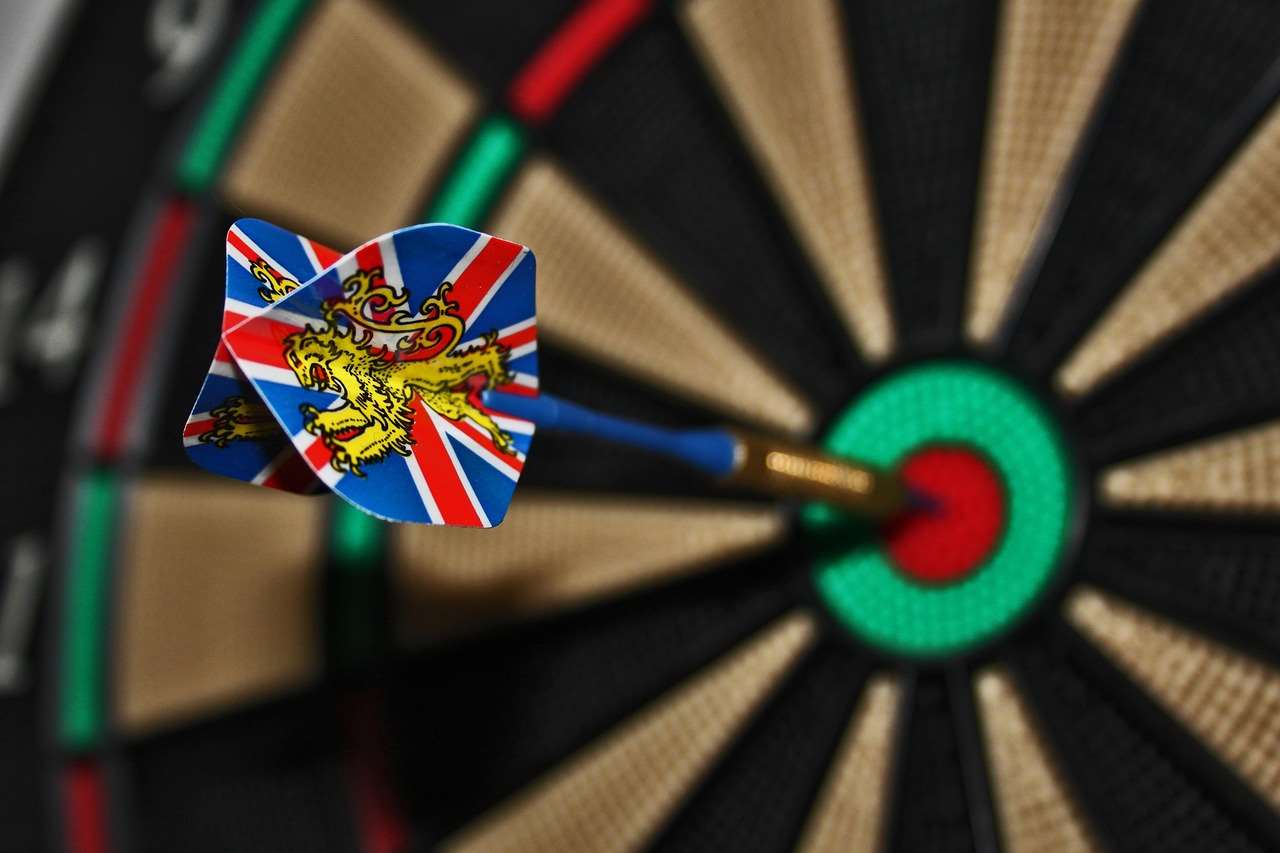
Wright’s grip is often described as unconventional. Unlike many players who hold the dart towards the front, Wright tends to grip the dart further back, closer to the center of gravity. This allows for a more controlled release and potentially contributes to his smooth throwing action. This particular style emphasizes control. However, it’s crucial to remember that grip is a highly personal aspect of darts; what works for Wright might not work for everyone. For help on selecting gear, you can Choose Best Dart Equipment.
His stance is also noteworthy. Wright often stands slightly open to the board, with his non-throwing shoulder pointing towards the target. This allows for a clear view of the board and provides a stable base for his throw. Furthermore, his weight distribution seems balanced, allowing for consistent movement throughout his motion. He has the confidence that shows the world he is one of the best dart throwers in the world.
The Throw: A Symphony of Motion
Wright’s throwing motion is fluid and seemingly effortless. He brings the dart back smoothly, keeping his elbow high and close to his body. The release point is crucial; Wright focuses on releasing the dart at the exact moment to ensure accuracy. He has some unique nuances. Practice is key to refining this. This leads to consistency, and consistency is key in darts.
The Ever-Evolving Arsenal: Understanding Peter Wright’s Darts
One of the most fascinating aspects of Peter Wright Darts Analysis is his constant experimentation with different darts. Unlike many players who stick with the same set for years, Wright regularly changes his darts, often multiple times during a single match. This stems from a desire to find the perfect dart for that particular day or even that specific leg. Some might call it superstition, but Wright believes it gives him an edge.
Factors Influencing Dart Selection
Several factors influence Wright’s choice of darts, including:
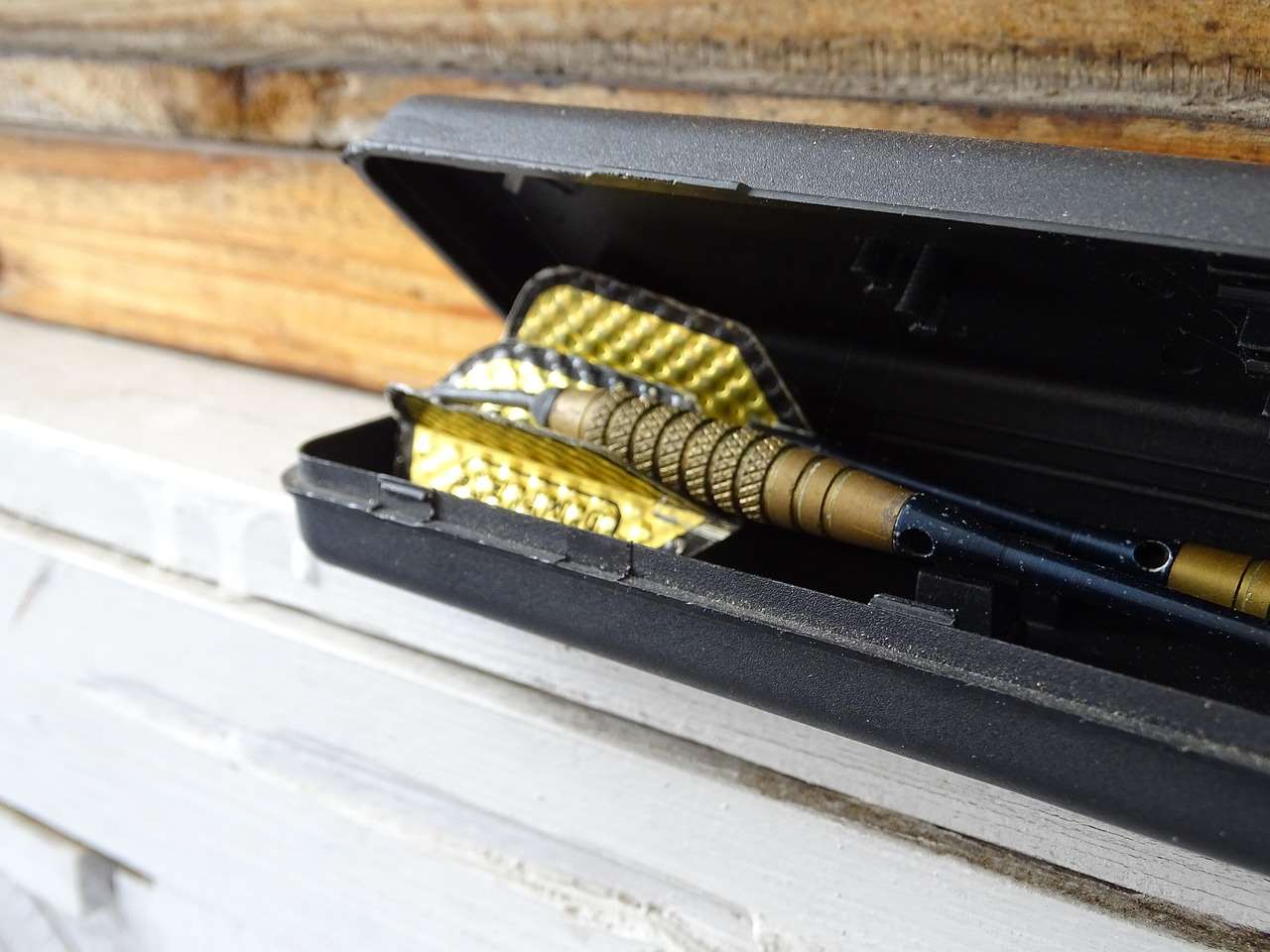
- Barrel Shape and Weight: Wright uses darts with a variety of barrel shapes, from straight barrels to torpedo-shaped ones. He also experiments with different weights, typically ranging from 21 to 26 grams.
- Grip: The grip on the dart is crucial for Wright, as it affects his release and control. He often uses darts with different types of knurling or grooves to find the perfect feel.
- Shafts and Flights: The length and material of the shafts, as well as the shape and size of the flights, can all affect the dart’s trajectory and stability. Wright experiments with different combinations to optimize his darts for different conditions.
It’s important to consider how external factors like lighting impact dart visibility. Understanding Types Optimal Dartboard Lighting and finding the best solutions can significantly improve your game. This is especially true for players like Wright who are always seeking marginal gains.
The Psychology Behind the Changes
While the technical aspects of dart selection are important, the psychological factor cannot be overlooked. Wright believes that changing darts can disrupt his opponent’s rhythm and create doubt in their minds. It can also give him a mental boost if he feels his current darts aren’t performing well. He uses it as a way to try and gain a mental edge and gain an advantage. Furthermore, it is something that has worked well for him throughout his illustrious career.
The Mental Fortress: Peter Wright’s Mindset
Beyond the technical aspects of his game, Peter Wright Darts Analysis must consider his mental fortitude. Darts is a game of precision and pressure, and the ability to stay calm and focused under intense scrutiny is crucial for success. Wright has demonstrated remarkable mental strength throughout his career, particularly in high-pressure situations.
Dealing with Pressure
Wright has developed several strategies for dealing with pressure, including:
- Visualization: He often visualizes himself hitting key doubles and finishes before and during matches.
- Positive Self-Talk: He uses positive affirmations to boost his confidence and stay focused on the task at hand.
- Staying in the Moment: He avoids dwelling on past mistakes or worrying about future outcomes, focusing instead on the present dart.
Adaptability and Resilience
Wright’s adaptability is another key attribute. He is able to adjust his game plan and strategy depending on his opponent and the conditions. He is also resilient, bouncing back from setbacks and learning from his mistakes. He never seems to get too down on himself even if he is playing poorly. He trusts that he can get back to playing his best.
Analyzing Peter Wright’s Performance Data
A comprehensive Peter Wright Darts Analysis should also involve examining his performance data. Key metrics such as his average score per dart, his checkout percentage, and his 180s per leg can provide valuable insights into his strengths and weaknesses. These statistics allow analysts and fans alike to understand his overall skill and performance level.
Key Performance Indicators
Here are some key performance indicators that are commonly used to evaluate darts players:
- Average Score Per Dart: This measures the average score a player achieves with each dart thrown.
- Checkout Percentage: This measures the percentage of times a player successfully finishes a leg after reaching a checkoutable score.
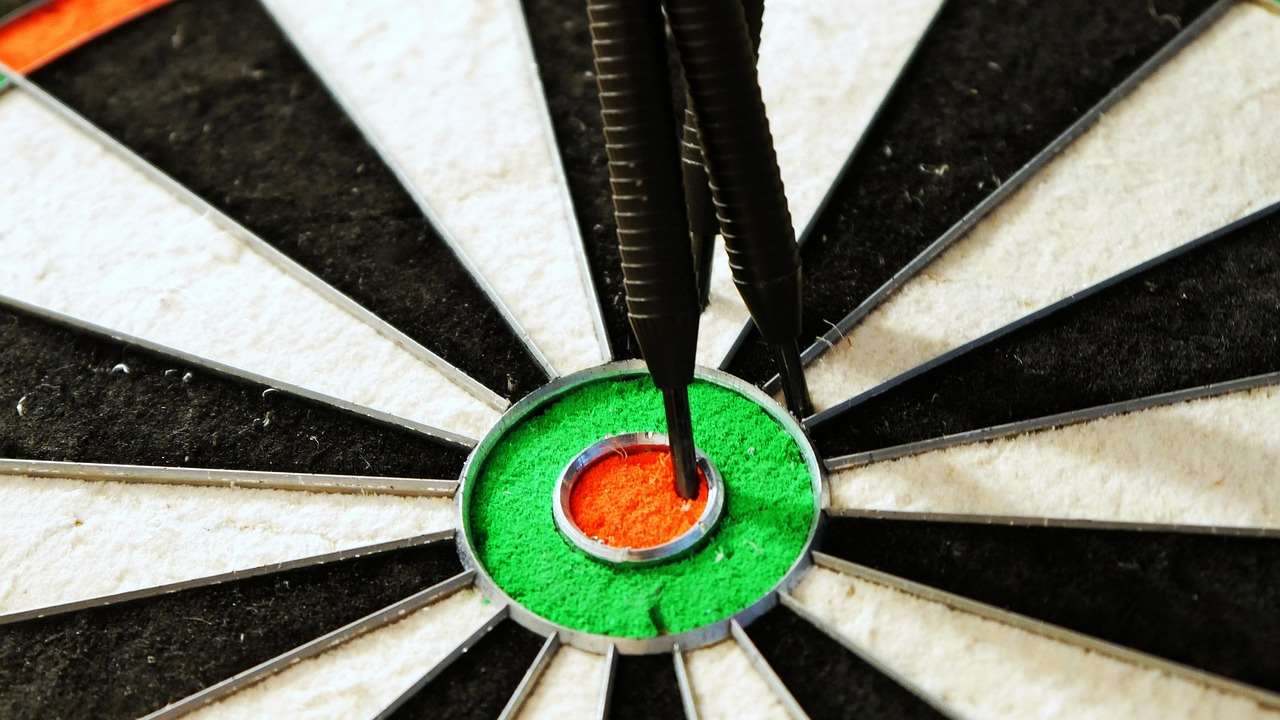
- 180s Per Leg: This measures the frequency with which a player scores a 180 (three darts in the treble 20).
Analyzing these metrics over time can reveal trends in Wright’s performance and highlight areas where he may need to improve. Moreover, comparing his stats to those of other top players can provide context for his overall ranking and success. Furthermore, keep in mind the conditions in which these scores are being achieved.
The Impact of Equipment on Performance Data
It’s important to note that Wright’s frequent dart changes can make it challenging to analyze his performance data consistently. However, by tracking his performance with different sets of darts, it may be possible to identify which darts are most effective for him in various situations. It is also important to think about the benefits of LED Dartboard Lights Benefits, because high-quality lighting can significantly improve visibility and accuracy, ultimately impacting performance.
Tips for Aspiring Darts Players Inspired by Peter Wright
While emulating Peter Wright’s flamboyant style may be tempting, aspiring darts players can glean valuable lessons from his approach. Here are a few tips inspired by this Peter Wright Darts Analysis:
- Find Your Own Grip and Stance: Don’t be afraid to experiment with different grips and stances to find what works best for you.
- Develop a Smooth Throwing Motion: Focus on developing a fluid and consistent throwing motion that you can repeat under pressure.
- Experiment with Different Darts: Try out different barrel shapes, weights, and grips to find the darts that suit your style.
- Cultivate Mental Toughness: Practice visualization, positive self-talk, and staying in the moment to develop mental resilience.
- Embrace Adaptability: Be willing to adjust your game plan and strategy depending on your opponent and the conditions.
Consider how How To Light Your Dartboard can create a more consistent and comfortable playing environment, directly influencing your performance and practice sessions.
Conclusion: Embracing the Snakebite Spirit
A deep dive into the Peter Wright Darts Analysis reveals a player who is not only incredibly talented but also deeply strategic and mentally resilient. His unconventional style, constant experimentation, and unwavering self-belief have made him a force to be reckoned with in the world of darts. By studying his techniques and adopting some of his strategies, aspiring darts players can improve their own game and embrace the “Snakebite” spirit of innovation and determination. So, grab your darts, find your unique style, and unleash your inner champion! Ready to take your darts skills to the next level? Discover the Optimal Dartboard Lighting Solutions Guide and illuminate your path to victory!

Hi, I’m Dieter, and I created Dartcounter (Dartcounterapp.com). My motivation wasn’t being a darts expert – quite the opposite! When I first started playing, I loved the game but found keeping accurate scores and tracking stats difficult and distracting.
I figured I couldn’t be the only one struggling with this. So, I decided to build a solution: an easy-to-use application that everyone, no matter their experience level, could use to manage scoring effortlessly.
My goal for Dartcounter was simple: let the app handle the numbers – the scoring, the averages, the stats, even checkout suggestions – so players could focus purely on their throw and enjoying the game. It began as a way to solve my own beginner’s problem, and I’m thrilled it has grown into a helpful tool for the wider darts community.