Achieving the perfect dart throw hinges significantly on a comfortable and consistent grip. **Personalizing Dart Grip** allows you to tailor your equipment to your unique hand size, finger placement, and throwing style, ultimately boosting your accuracy and confidence. This article explores various techniques and accessories to help you customize your dart grip for optimal performance.
⚠️ Still Using Pen & Paper (or a Chalkboard)?! ⚠️
Step into the future! The Dart Counter App handles all the scoring, suggests checkouts, and tracks your stats automatically. It's easier than you think!
Try the Smart Dart Counter App FREE!Ready for an upgrade? Click above!
Understanding the Importance of a Personalized Dart Grip
A consistent dart grip is the foundation of a reliable throw. Without it, you’ll struggle to maintain accuracy and repeatability. A grip that feels natural and secure will translate into more consistent release points and straighter dart flights. Consider how golfers meticulously customize their clubs – dart players should adopt a similar approach.
Different players naturally gravitate towards different grip styles. Some prefer a front grip, placing their fingers close to the point, while others opt for a rear grip, holding the dart further back. There’s no one “right” way to hold a dart, making personalizing your grip all the more crucial.
Factors Influencing Your Grip Style
Several factors influence the ideal dart grip for an individual:
- Hand Size: Players with larger hands may find it easier to control longer barrels, while those with smaller hands might prefer shorter, more compact darts.
- Finger Length: The length of your fingers will determine how comfortably you can position them on the dart.
- Throwing Style: A smooth, flowing throw might require a more relaxed grip, while a powerful, aggressive throw might benefit from a firmer hold.
- Dart Weight and Balance: Heavier darts generally require a firmer grip, while lighter darts can be controlled with a more delicate touch. You can learn more about Choose Best Dart Equipment to enhance your game.
Techniques for Personalizing Dart Grip
Now, let’s delve into some practical techniques for **personalizing your dart grip**:
Experimenting with Different Grip Points
The first step is to experiment with different grip points along the barrel. Try holding the dart further forward, in the middle, and further back. Pay attention to how each grip point affects the balance of the dart and your control. Note which positions feel most comfortable and allow for the most consistent release.
Adjusting Finger Placement
Next, experiment with different finger placements. Most players use a three-finger or four-finger grip, but the specific placement of each finger can significantly impact your control. Try overlapping your fingers, spacing them apart, or even using your thumb for additional support. The key is to find a configuration that feels natural and provides a secure grip without excessive tension.
Applying Consistent Pressure
Maintaining consistent pressure is crucial for accuracy. Avoid gripping the dart too tightly, as this can lead to tension and jerky movements. Instead, aim for a relaxed but secure grip that allows you to control the dart without excessive force. Imagine holding a fragile bird – firm enough to prevent it from escaping, but gentle enough not to crush it. Consider exploring Finding Value Budget Dart Sets for cost-effective equipment.
Using Dart Accessories to Enhance Grip
Beyond your natural grip, various dart accessories can further enhance your control and comfort:
Dart Wax
Dart wax is a popular accessory that provides extra grip without making the dart sticky. Apply a small amount of wax to your fingertips to improve your hold, especially in humid conditions. Experiment with different types of wax to find one that suits your preferences.
Grip Tape
Grip tape can be applied directly to the dart barrel to provide a textured surface for enhanced grip. It’s available in various materials and thicknesses, allowing you to customize the feel of your dart. Choose a grip tape that provides the right amount of tackiness and doesn’t feel too bulky.
Specialized Dart Barrels
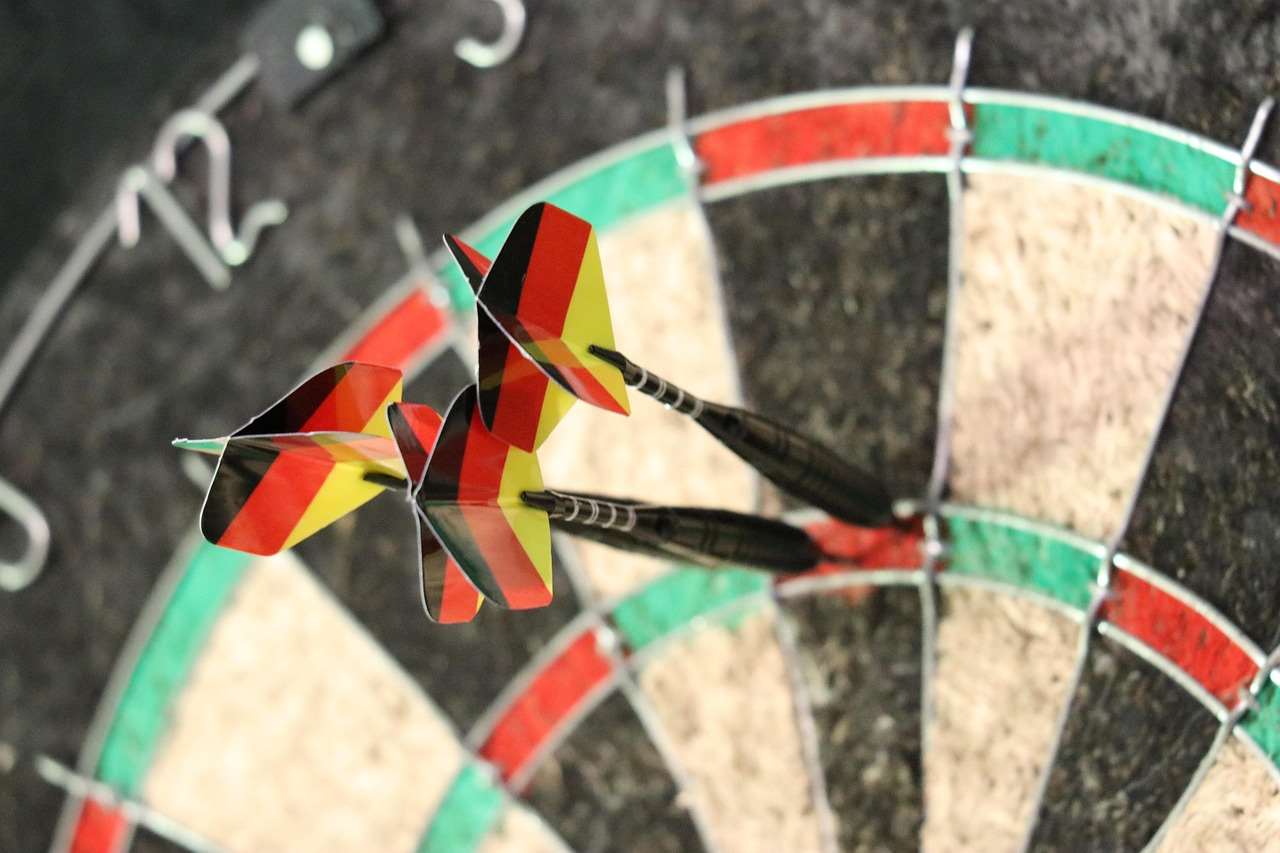
Many dart manufacturers offer barrels with specialized grip patterns, such as knurled surfaces, rings, or scallops. These features can provide extra grip and tactile feedback, helping you to maintain a consistent hold. Consider experimenting with different barrel designs to find one that complements your grip style. Perhaps comparing Budget vs Premium Darts Compared might give you ideas.
Dart Shafts and Flights
While often overlooked in grip discussions, the length and material of your dart shafts, as well as the shape and material of your dart flights, can indirectly affect your grip. Longer shafts can shift the center of gravity, influencing how the dart feels in your hand. Similarly, heavier flights can add stability, requiring a slightly firmer grip. Experiment with different combinations to optimize your overall setup.
Troubleshooting Common Grip Problems
Even with careful experimentation, you might encounter some common grip problems:
Slipping Darts
If your darts are constantly slipping from your fingers, it could indicate that your grip is too loose, or that your hands are too dry. Try using dart wax or grip tape to improve your hold. You might also benefit from experimenting with a slightly firmer grip.
Tension and Fatigue
Gripping the dart too tightly can lead to tension and fatigue, especially during longer practice sessions or competitions. Focus on relaxing your hand and forearm, and consciously reduce the amount of pressure you’re applying. Consider stretching exercises to relieve tension in your hand and wrist.
Inconsistent Release
An inconsistent release point can be a sign of an unstable or unreliable grip. Pay close attention to your finger placement and pressure, and make sure you’re gripping the dart in the same way every time. Video recording your throws can help you identify inconsistencies in your grip and release.
Seeking Professional Guidance
If you’re struggling to find a comfortable and consistent grip, consider seeking guidance from a qualified dart coach or experienced player. They can provide personalized feedback and help you identify areas for improvement. They may also highlight subtle nuances in your technique that you might not be aware of. Thinking about What Makes Darts Premium Quality can even impact how you grip the dart.
The Iterative Process of Personalizing Dart Grip
**Personalizing dart grip** isn’t a one-time fix; it’s an iterative process. As your skill level improves and your throwing style evolves, your grip may need to adapt accordingly. Don’t be afraid to experiment with new techniques and accessories, and always pay attention to how your grip affects your accuracy and consistency.
Remember to be patient and persistent. It takes time and effort to find the perfect grip. Don’t get discouraged if you don’t see results immediately. Keep practicing and refining your technique, and you’ll eventually develop a grip that feels natural, comfortable, and effective.
Conclusion: Mastering Your Grip for Darting Success
Ultimately, **personalizing your dart grip** is about finding what works best for you. By understanding the factors that influence your grip style, experimenting with different techniques and accessories, and troubleshooting common grip problems, you can develop a grip that maximizes your accuracy, consistency, and overall performance. Remember that constant experimentation and adaptation are key to long-term success on the dartboard. Now go out there, refine your grip, and start hitting those bullseyes! Investing in premium darts is a great move, which you can read about in our article about Investing In Premium Dart Equipment.

Hi, I’m Dieter, and I created Dartcounter (Dartcounterapp.com). My motivation wasn’t being a darts expert – quite the opposite! When I first started playing, I loved the game but found keeping accurate scores and tracking stats difficult and distracting.
I figured I couldn’t be the only one struggling with this. So, I decided to build a solution: an easy-to-use application that everyone, no matter their experience level, could use to manage scoring effortlessly.
My goal for Dartcounter was simple: let the app handle the numbers – the scoring, the averages, the stats, even checkout suggestions – so players could focus purely on their throw and enjoying the game. It began as a way to solve my own beginner’s problem, and I’m thrilled it has grown into a helpful tool for the wider darts community.