Mastering the pdc darts throw involves understanding grip, stance, release, and consistent practice. This article breaks down the essential elements of a professional darts throw, providing insights into techniques used by top PDC players and offering actionable tips to improve your own game. We’ll cover everything from stance and grip to follow-through and mental preparation.
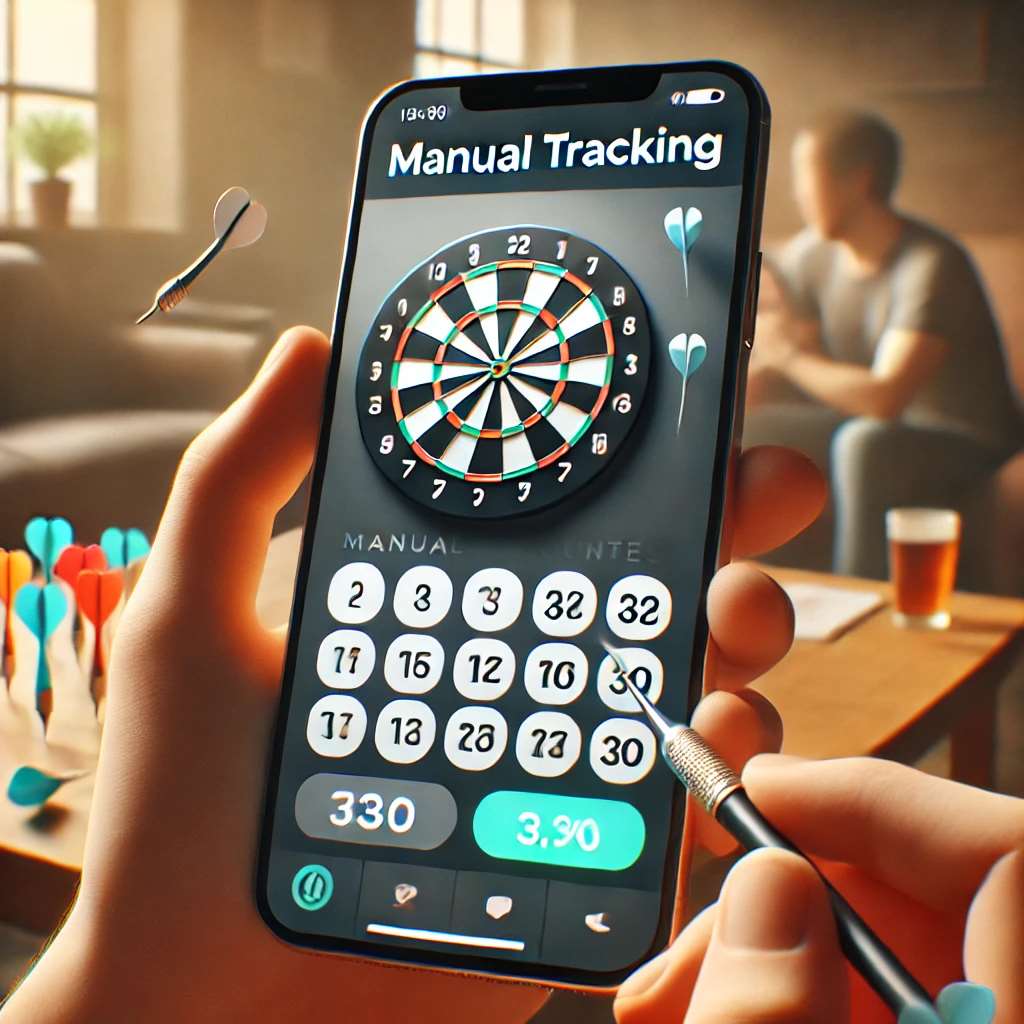
⚠️ Still Using Pen & Paper (or a Chalkboard)?! ⚠️
Step into the future! The Dart Counter App handles all the scoring, suggests checkouts, and tracks your stats automatically. It's easier than you think!
Try the Smart Dart Counter App FREE!Ready for an upgrade? Click above!
Understanding the Fundamentals of the PDC Darts Throw
The pdc darts throw isn’t just about flinging a dart at the board; it’s a complex, repeatable motion that requires precision and control. Several key factors contribute to a successful throw, including stance, grip, arm action, and mental focus. Let’s break down each component to understand how they work together.
The Importance of a Consistent Stance
Your stance is the foundation of your pdc darts throw. A stable and balanced stance allows for consistent weight distribution and reduces unnecessary movement. Most professional players adopt one of two stances: a side-on stance or a more open stance. The side-on stance offers greater stability, while the open stance can provide a clearer view of the board.
Experiment with both stances to determine which feels most comfortable and natural for you. Regardless of the stance you choose, ensure your weight is evenly distributed between both feet. This will prevent swaying during your throw, which can significantly impact accuracy. Maintaining a consistent stance is crucial for repeating your darts technique consistently.
Grip: Finding What Works Best for You
The grip is another critical element of the pdc darts throw. There’s no single “correct” grip; what works for one player may not work for another. However, there are some general principles to keep in mind. A comfortable and relaxed grip is essential. Avoid gripping the dart too tightly, as this can lead to tension in your arm and wrist, affecting your release.
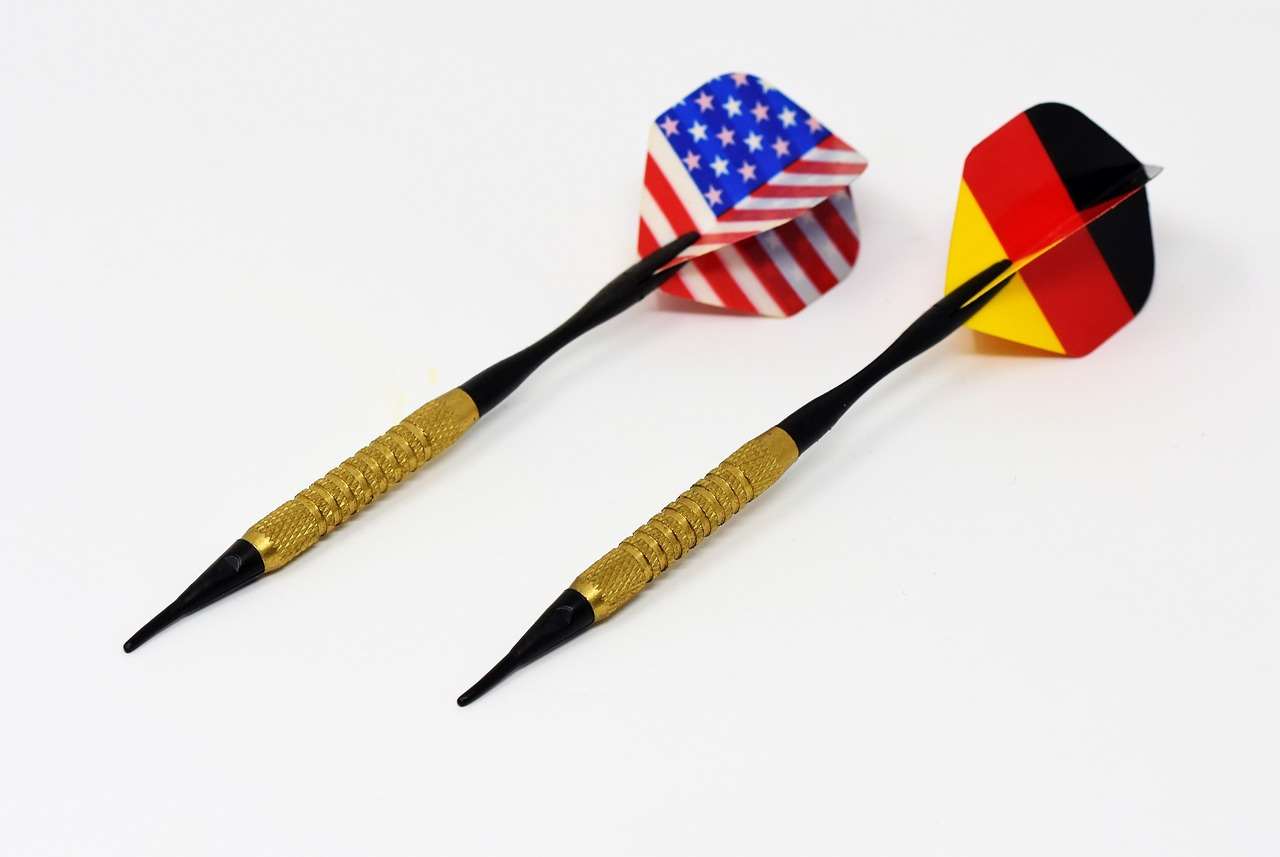
Experiment with different grip styles to find what feels most natural and provides the best control. Some players prefer a three-finger grip, while others use a four-finger grip. The key is to find a grip that allows you to hold the dart securely without excessive pressure. Also, consider the type of darts you’re using. A dart with good grip will often improve your consistency. You can find more information on kwiz darts made in england which are known for their quality and grip.
Arm Action and Release Technique
The arm action is where the power and accuracy of your pdc darts throw come into play. The key is to maintain a smooth, controlled motion throughout the entire throw. Start by bringing the dart back in a straight line, keeping your elbow elevated. As you bring the dart forward, focus on extending your arm towards the target. The release should be clean and precise, with a slight flick of the wrist.
Avoid using your shoulder or body to generate power. The majority of the power should come from your forearm. Practice your arm action in front of a mirror to ensure you’re maintaining a consistent motion. Consider some darts focus tips to improve your concentration and precision during your throw. Developing a consistent darts technique is essential for achieving high scores.
Advanced Techniques for Improving Your PDC Darts Throw
Once you’ve mastered the fundamentals of the pdc darts throw, you can start incorporating more advanced techniques to further improve your game. These techniques focus on fine-tuning your mechanics, enhancing your mental game, and improving your consistency.
The Importance of Follow-Through
Follow-through is often overlooked, but it plays a crucial role in accuracy. A proper follow-through helps to ensure that you’re fully extending your arm towards the target and releasing the dart at the optimal point. After releasing the dart, your hand should continue moving forward in a straight line towards the target. This helps to maintain a consistent trajectory and reduces the likelihood of pulling the dart off course.
Practice your follow-through by consciously extending your arm and hand after each throw. Pay attention to the feeling of your arm and hand as you release the dart. With practice, you’ll develop a consistent follow-through that becomes second nature. Remember to check out Free dart score app to track your progress and identify areas for improvement.
Mental Game and Visualization
Darts is as much a mental game as it is a physical one. The ability to maintain focus under pressure and visualize success is crucial for achieving consistent results. Before each throw, take a moment to visualize the dart hitting the target. This helps to program your subconscious mind for success and can significantly improve your accuracy.
Develop a pre-throw routine that helps you to focus and relax. This could involve taking a few deep breaths, focusing on a specific point on the board, or repeating a positive affirmation. The key is to find a routine that works for you and helps you to get into the right mental state before each throw. Many players find that mindfulness and meditation techniques can improve their overall focus. Be sure to understand dartcounter problemen to prevent frustrating interruptions to your concentration.
Practicing for Consistency: Dart Drills and Routines
Consistency is the key to success in darts. The more consistently you can repeat your pdc darts throw, the more accurate you’ll become. The best way to improve consistency is through regular practice. Set aside dedicated practice time each week and focus on repeating your throw over and over again.
Incorporate a variety of drills into your practice routine to keep things interesting and challenge yourself. Some popular drills include:
- Around the Clock: Start by hitting the 1, then the 2, then the 3, and so on, until you’ve hit all 20 numbers on the board.
- Shanghai: Try to hit the single, double, and treble of a specific number in three darts.
- Checkout Practice: Focus on practicing common checkouts, such as 32 (double 16), 40 (double 20), and 60 (treble 20).
Varying your practice routine keeps you engaged and helps you work on different aspects of your game. Understanding the importance of dart board wire can also help you understand why certain throws might not land as expected.
Analyzing Professional PDC Darts Throws
One of the best ways to improve your own pdc darts throw is to study the techniques of professional players. By analyzing their stance, grip, arm action, and follow-through, you can gain valuable insights into what makes a successful throw. Watching videos of professional matches and paying close attention to the players’ techniques can be incredibly helpful.
Spotting the Differences: Individual Styles in the PDC
While there are fundamental principles that apply to all successful darts throws, each professional player has their own unique style. Some players have a very upright stance, while others lean forward more. Some players use a more wristy throw, while others rely more on their forearm. Observing these differences can help you to understand what works best for different body types and throwing styles.
For example, consider the throwing style of Michael van Gerwen, known for his aggressive and powerful throw, or the smooth and effortless style of Phil Taylor. By studying these different styles, you can identify elements that you might want to incorporate into your own game. Recalling moments like the 9 dart finish phil taylor can also provide inspiration and insight into high-pressure throws.
Common Mistakes in PDC Darts Throw and How to Correct Them
Even professional darts players make mistakes from time to time. Common mistakes in the pdc darts throw include:
- Gripping the dart too tightly: This can lead to tension in your arm and wrist, affecting your release.
- Swaying during the throw: This can throw off your balance and accuracy.
- Not following through properly: This can result in inconsistent dart trajectories.
- Looking away from the board too soon: Maintain focus on your target until the dart has landed.
If you’re struggling with any of these mistakes, focus on consciously correcting them during your practice sessions. Record yourself throwing and analyze your technique to identify areas for improvement. Seeking feedback from a coach or experienced player can also be beneficial.
Equipment Considerations for Perfecting Your PDC Darts Throw
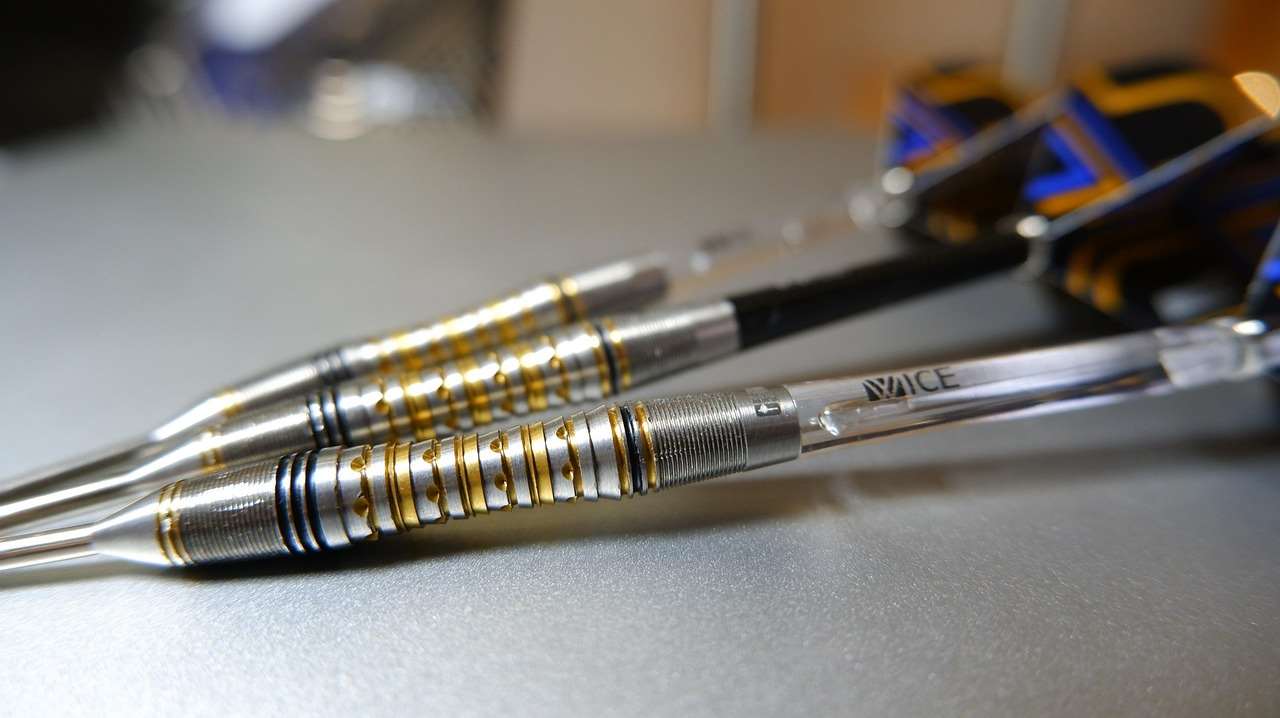
While technique is paramount, the right equipment can also contribute to improving your pdc darts throw. Choosing darts that are well-suited to your grip and throwing style is essential. Experiment with different weights, shapes, and materials to find what feels most comfortable and provides the best control.
Choosing the Right Darts: Weight, Material, and Grip
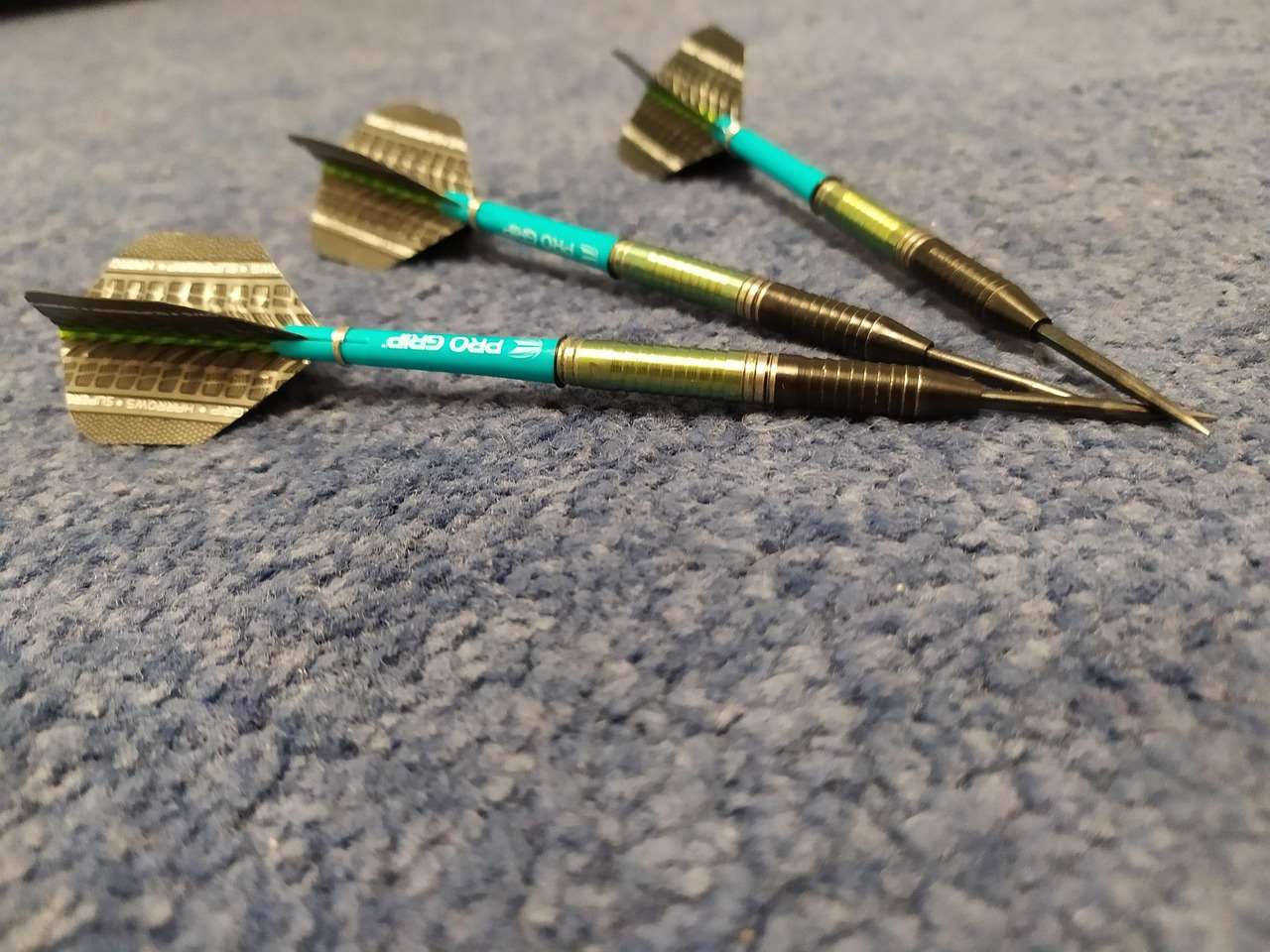
The weight of your darts can significantly impact your throw. Heavier darts tend to fly straighter and are less affected by air resistance, while lighter darts require more finesse and control. Most professional players use darts that weigh between 22 and 26 grams. However, the ideal weight for you will depend on your personal preference and throwing style.
The material of your darts can also affect their performance. Tungsten darts are more dense than brass darts, allowing for a slimmer barrel and a better grip. The grip of your darts is also crucial. Look for darts with a grip that provides a secure and comfortable hold without being too aggressive. Consider if are darts a sport is a factor in your decision making process. Darts designed for professional sports use may have features that enhance performance.
Dartboard Setup and Maintenance
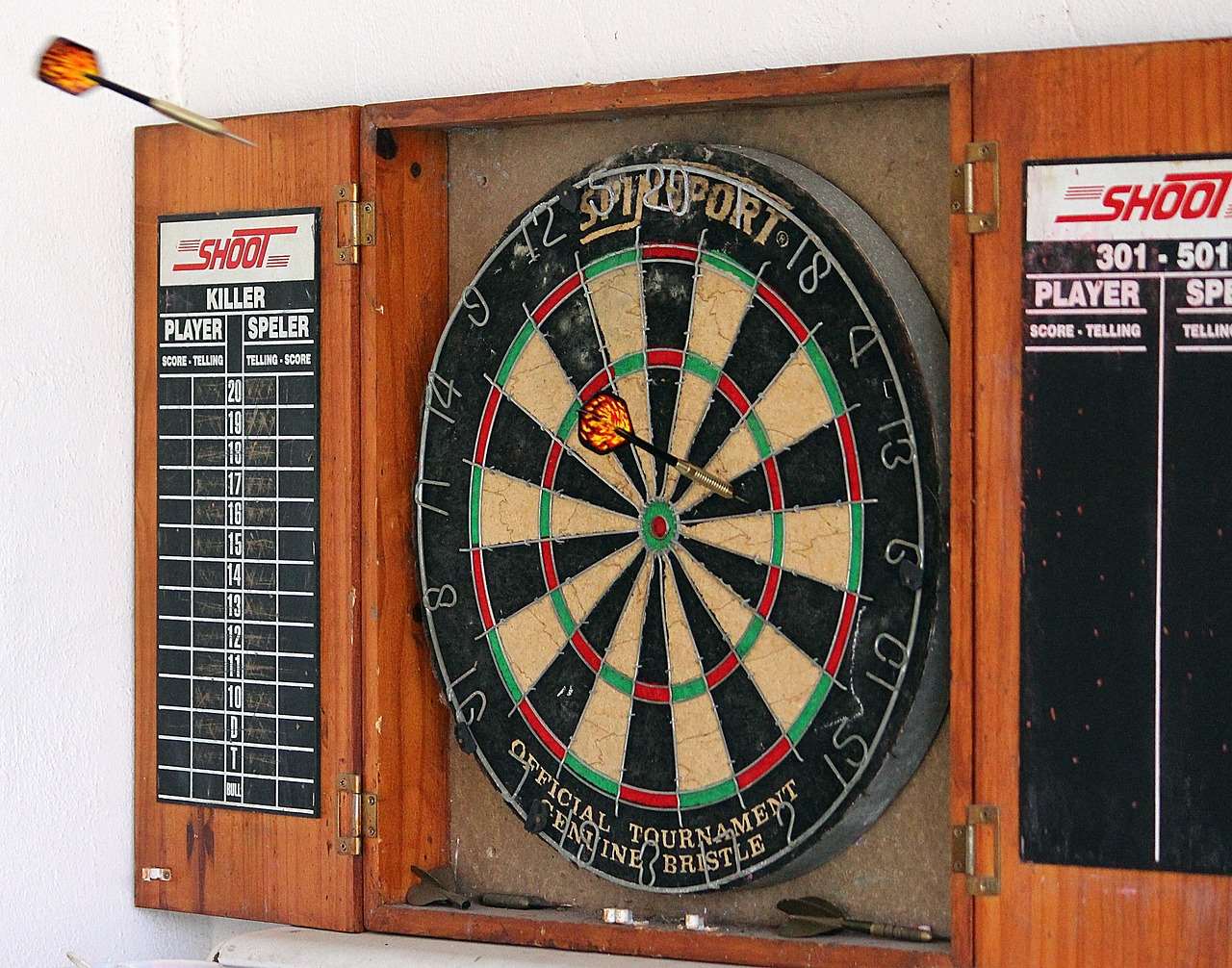
Proper dartboard setup and maintenance are essential for ensuring consistent and accurate scoring. The dartboard should be hung at a height of 5 feet 8 inches (1.73 meters) from the floor to the center of the bullseye. The oche (throwing line) should be 7 feet 9 1/4 inches (2.37 meters) from the face of the dartboard.
Rotate your dartboard regularly to distribute wear and tear evenly. This will help to prolong the life of your dartboard and prevent certain areas from becoming too worn out. Regularly clean your dartboard with a soft brush to remove dust and debris. This will help to improve the grip of the darts and prevent them from bouncing out. You should also consider the ideal darts ophangen (hanging) position and angle to ensure fair play.
The Future of PDC Darts Throw Techniques
As darts continues to evolve, so too will the techniques used by professional players. With advancements in technology and a growing emphasis on data analysis, we can expect to see even more refined and optimized pdc darts throws in the future. Players are constantly seeking new ways to gain an edge, whether it’s through improved equipment, advanced training methods, or a deeper understanding of the biomechanics of the throw.
Technological Advancements in Darts Training
Technology is playing an increasingly important role in darts training. Software and sensors are now available that can track various aspects of your throw, such as arm speed, release angle, and dart trajectory. This data can be used to identify areas for improvement and to develop personalized training programs.
Virtual reality (VR) technology is also being used to simulate real-world darting environments and to help players practice under pressure. These advancements are helping to make darts training more scientific and effective. Some are already analysing darts results uk open 2024 with advanced algorithms to gain insights.
The Psychological Edge: Mindset and Mental Toughness
While technique and equipment are important, the psychological aspect of darts will likely become even more critical in the future. Players who can maintain focus under pressure, manage their emotions, and visualize success will have a significant advantage. Mental toughness training, including techniques such as mindfulness, meditation, and cognitive behavioral therapy (CBT), will likely become more prevalent in the world of professional darts.
Ultimately, mastering the pdc darts throw is a journey that requires dedication, practice, and a willingness to learn. By understanding the fundamentals, incorporating advanced techniques, and continuously refining your approach, you can unlock your full potential and achieve your darting goals. Remember to find a comfortable and repeatable style, focus on your mental game, and always keep practicing.
Conclusion: Elevate Your PDC Darts Throw Today
Improving your pdc darts throw requires a holistic approach, focusing on stance, grip, arm action, follow-through, and mental fortitude. By understanding and practicing these core elements, and continuously analyzing your performance, you can significantly elevate your game. Don’t be afraid to experiment and adapt your technique to find what works best for you.
Ready to take your darts game to the next level? Start implementing the techniques outlined in this article today. Remember, consistency and practice are key. Find a practice routine that works for you and stick to it. With dedication and the right approach, you can master the pdc darts throw and achieve your darting ambitions.

Hi, I’m Dieter, and I created Dartcounter (Dartcounterapp.com). My motivation wasn’t being a darts expert – quite the opposite! When I first started playing, I loved the game but found keeping accurate scores and tracking stats difficult and distracting.
I figured I couldn’t be the only one struggling with this. So, I decided to build a solution: an easy-to-use application that everyone, no matter their experience level, could use to manage scoring effortlessly.
My goal for Dartcounter was simple: let the app handle the numbers – the scoring, the averages, the stats, even checkout suggestions – so players could focus purely on their throw and enjoying the game. It began as a way to solve my own beginner’s problem, and I’m thrilled it has grown into a helpful tool for the wider darts community.