The official dart oche height, measured from the floor to the center of the bullseye, is 5 feet 8 inches (1.73 meters), and the distance from the front of the oche (the throwing line) to the face of the dartboard is 7 feet 9.25 inches (2.37 meters). This article will explore these measurements in detail, discussing their importance, how to accurately measure them, and other factors to consider when setting up your dartboard.
⚠️ Still Using Pen & Paper (or a Chalkboard)?! ⚠️
Step into the future! The Dart Counter App handles all the scoring, suggests checkouts, and tracks your stats automatically. It's easier than you think!
Try the Smart Dart Counter App FREE!Ready for an upgrade? Click above!
Understanding the Importance of the Official Dart Oche Height and Distance
Adhering to the official dart oche height and distance is crucial for fair play and consistent performance. When playing in leagues or tournaments, these measurements are strictly enforced. Even for casual games, using the correct dimensions provides a more authentic and challenging experience, allowing you to compare your skills accurately against other players. Consistency in your setup also aids in developing muscle memory, improving your accuracy and throwing technique. Using incorrect measurements can lead to inconsistencies in your game and hinder your progress.
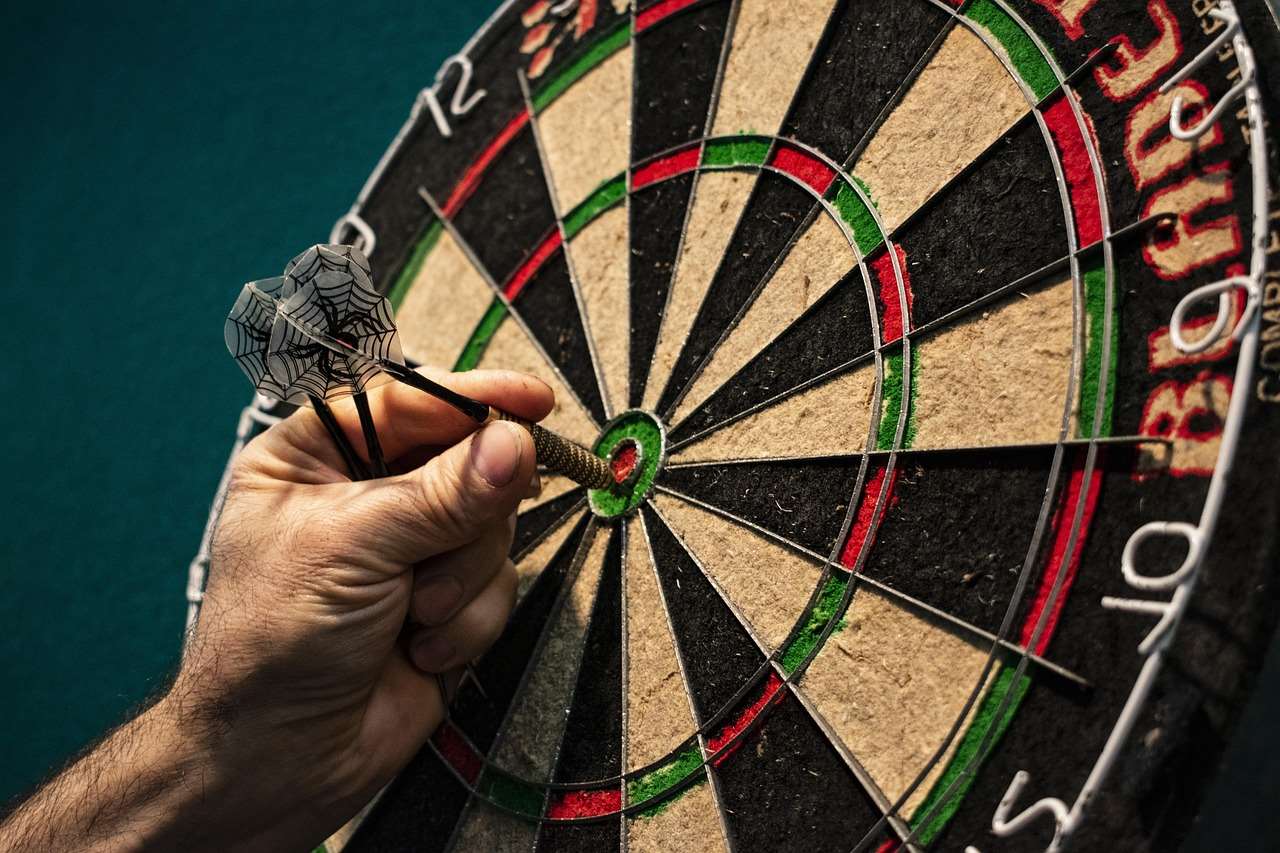
Imagine practicing for hours, only to find that the dartboard setup at a competition is significantly different. This can throw off your entire game and lead to frustration. By setting up your dartboard and oche according to the official standards, you ensure that you’re practicing under the same conditions you’ll encounter in a competitive environment. This is especially important if you plan on joining a dart league or participating in tournaments.
Why Standardization Matters
- Fair Play: Ensures everyone plays under the same conditions.
- Consistent Performance: Allows for accurate skill comparison.
- Muscle Memory: Aids in developing a consistent throwing technique.
- Tournament Preparation: Prepares you for official competitions.
How to Measure the Official Dart Oche Height and Distance Accurately
Accurate measurement is key to maintaining the integrity of the game. Here’s a step-by-step guide on how to measure the official dart oche height and distance:
- Gather Your Tools: You’ll need a measuring tape (preferably a steel one for accuracy), a level, and a pencil.
- Measure the Height: Measure from the floor to the center of the bullseye. This should be exactly 5 feet 8 inches (1.73 meters). Use a level to ensure the measurement is perfectly vertical.
- Mark the Oche Position: Once the dartboard is mounted at the correct height, measure from the face of the dartboard (the playing surface) to the point where the oche will be placed. This distance should be 7 feet 9.25 inches (2.37 meters).
- Install the Oche: Place a clearly defined line or raised marker at the measured point to serve as the oche. This can be a piece of wood, metal, or even a strip of tape.
- Double-Check: Always double-check your measurements to ensure accuracy.
Remember to measure from the *face* of the dartboard, not the wall behind it. This is a common mistake that can lead to an incorrect distance. Also, ensure that the floor is level. If the floor is uneven, you may need to make adjustments to the dartboard height to compensate. To Choose Best Dart Equipment consider factors beyond just the official measurements.
Variations and Considerations for Different Players
While the official dart oche height and distance are standardized, some players may require slight adjustments due to physical limitations or personal preferences. For example, players with mobility issues may need to sit while playing, which necessitates adjusting the oche distance accordingly. In casual settings, these adjustments are perfectly acceptable, but it’s essential to stick to the official measurements in competitive play. When considering whether Are Premium Darts Worth It also remember your dartboard setup.
Adapting the Setup for Different Situations
- Players with Disabilities: Adjust the oche distance for wheelchair users or players with other mobility limitations.
- Children: Lower the dartboard height and shorten the oche distance for younger players to make the game more accessible and enjoyable.
- Practice vs. Competition: Maintain the official measurements for practice if you plan to compete, but feel free to experiment with variations in casual games.
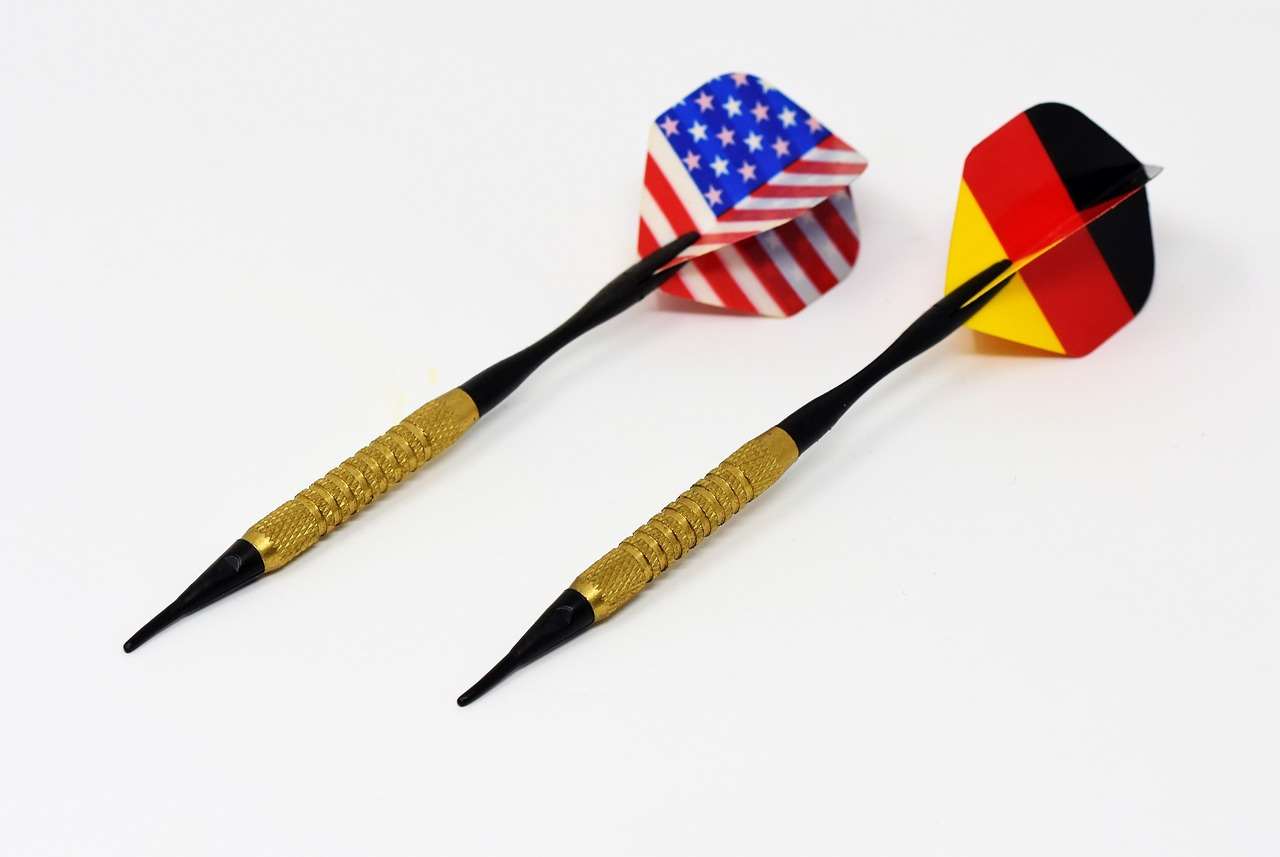
It’s important to remember that any adjustments made to the official dart oche height and distance should be consistent for all players involved. This ensures fairness and prevents any one player from gaining an unfair advantage. Also, while variations are acceptable in casual settings, adhering to the official standards is crucial for competitive play.
The Impact of Incorrect Measurements on Your Game
Playing with an incorrect official dart oche height and distance can negatively impact your game in several ways. It can disrupt your throwing rhythm, affect your accuracy, and hinder your ability to develop consistent muscle memory. Furthermore, switching between different setups can be confusing and frustrating, especially during competitions. Using the wrong height can also affect your posture. A too high board can have you throwing with your elbow in an uncomfortable position, which can be detrimental to your throwing style and may lead to injury in the long run.
Negative Consequences of Incorrect Measurements
- Disrupted Throwing Rhythm: Inconsistent measurements can throw off your timing and coordination.
- Reduced Accuracy: Incorrect distances can make it difficult to aim accurately.
- Hindered Muscle Memory: Inconsistent setups prevent you from developing a consistent throwing motion.
- Increased Frustration: Switching between different setups can be confusing and frustrating.

Therefore, it’s essential to invest the time and effort to set up your dartboard correctly. This will not only improve your game but also make the experience more enjoyable. Paying attention to detail is important when choosing between a Budget vs Premium Darts Compared, and equally so when setting up your dartboard.
Choosing the Right Dartboard and Oche Materials
The quality of your dartboard and oche can also impact your game. Opt for a high-quality sisal fiber dartboard, as these are more durable and provide better dart retention. For the oche, consider using a raised marker made of wood or metal, as these are more stable and provide a clear visual reference point. The oche should be firmly fixed to the floor to prevent it from moving during play. Premium dart equipment, while more expensive, often delivers a superior experience. Thinking about Investing In Premium Dart Equipment for your setup is often worth it. Choosing your gear is a personal process.
Factors to Consider When Choosing Materials
- Dartboard Material: Sisal fiber dartboards are more durable and offer better dart retention.
- Oche Material: Raised markers made of wood or metal are more stable and provide a clear visual reference.
- Stability: Ensure the oche is firmly fixed to the floor to prevent movement during play.
- Durability: Choose materials that are durable and can withstand regular use.
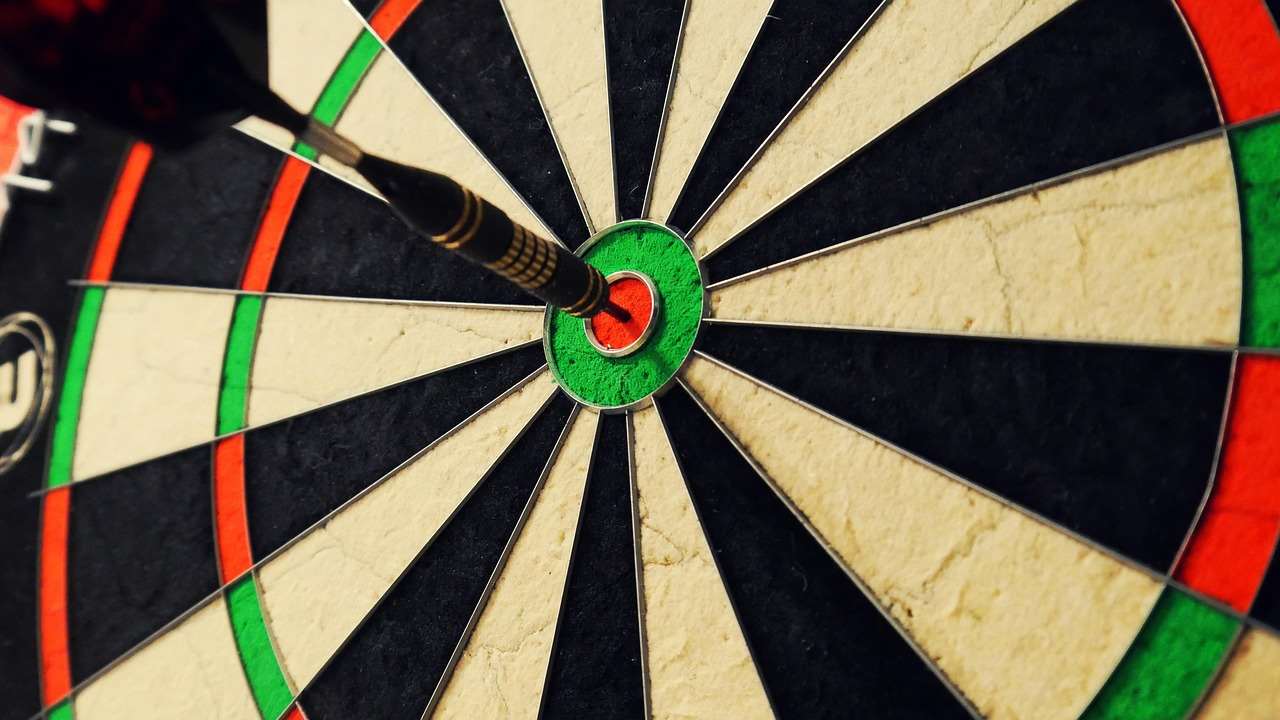
Proper lighting is also essential for a good dartboard setup. Make sure the dartboard is well-lit to ensure clear visibility. This will help you aim more accurately and reduce eye strain. Using a dartboard surround can also protect your wall from stray darts. When comparing Quality Comparison Budget Premium Darts remember to also factor in your boards quality.
Maintaining Your Dartboard Setup
Regular maintenance is essential to keep your dartboard setup in good condition. Rotate the dartboard regularly to distribute wear evenly and prevent specific areas from becoming overly damaged. Remove any loose fibers from the dartboard to improve dart retention. Periodically clean the oche to remove any dirt or debris. Proper maintenance will extend the life of your dartboard and oche, ensuring that you can enjoy playing darts for years to come. If you’re unsure what to look for, a good Buying Guide Budget Premium Dart Sets will help you find the right materials.
Tips for Dartboard and Oche Maintenance
- Rotate the Dartboard: Rotate the dartboard regularly to distribute wear evenly.
- Remove Loose Fibers: Remove any loose fibers from the dartboard to improve dart retention.
- Clean the Oche: Periodically clean the oche to remove dirt and debris.
- Check for Stability: Ensure the dartboard and oche remain securely mounted.
By following these tips, you can ensure that your dartboard setup remains in top condition and provides you with years of enjoyment. You can start Finding Value Budget Dart Sets for your next practice session today.
Conclusion: Mastering the Official Dart Oche Height
Understanding and adhering to the official dart oche height and distance is fundamental to playing darts correctly and consistently. Accurate measurements ensure fair play, promote muscle memory development, and prepare you for competitive environments. While adjustments may be necessary in casual settings, maintaining the official standards is crucial for serious players. Remember to choose high-quality materials for your dartboard and oche, and practice regular maintenance to extend their lifespan. Now that you know the importance of the correct setup, grab your darts, measure your space, and start practicing your game!

Hi, I’m Dieter, and I created Dartcounter (Dartcounterapp.com). My motivation wasn’t being a darts expert – quite the opposite! When I first started playing, I loved the game but found keeping accurate scores and tracking stats difficult and distracting.
I figured I couldn’t be the only one struggling with this. So, I decided to build a solution: an easy-to-use application that everyone, no matter their experience level, could use to manage scoring effortlessly.
My goal for Dartcounter was simple: let the app handle the numbers – the scoring, the averages, the stats, even checkout suggestions – so players could focus purely on their throw and enjoying the game. It began as a way to solve my own beginner’s problem, and I’m thrilled it has grown into a helpful tool for the wider darts community.