Understanding the **Oche Standards BDO PDC** is crucial for any serious darts player, as it directly impacts fair play and consistent performance. This article dives deep into the official oche regulations set by both the British Darts Organisation (BDO) and the Professional Darts Corporation (PDC), explaining measurements, acceptable materials, and common issues to avoid, ensuring you’re always playing by the rules.
⚠️ Still Using Pen & Paper (or a Chalkboard)?! ⚠️
Step into the future! The Dart Counter App handles all the scoring, suggests checkouts, and tracks your stats automatically. It's easier than you think!
Try the Smart Dart Counter App FREE!Ready for an upgrade? Click above!
Decoding Oche Standards BDO PDC: The Foundation of Fair Play
The oche, often referred to as the throwing line or toe line, is arguably the most fundamental element in setting up a darts game correctly. While the sport seems simple enough, adherence to the established Oche Standards BDO PDC is paramount. Whether you’re a casual player, a seasoned professional, or participating in local league matches, knowing the precise specifications prevents disputes and ensures a level playing field. Correctly positioned oches contribute to consistent throwing distances and techniques.
Incorrect oche positioning gives players an unfair advantage (or disadvantage) which can be illegal in a professional league, and make them a laughing stock in local pub leagues!
What Exactly Is the Oche?
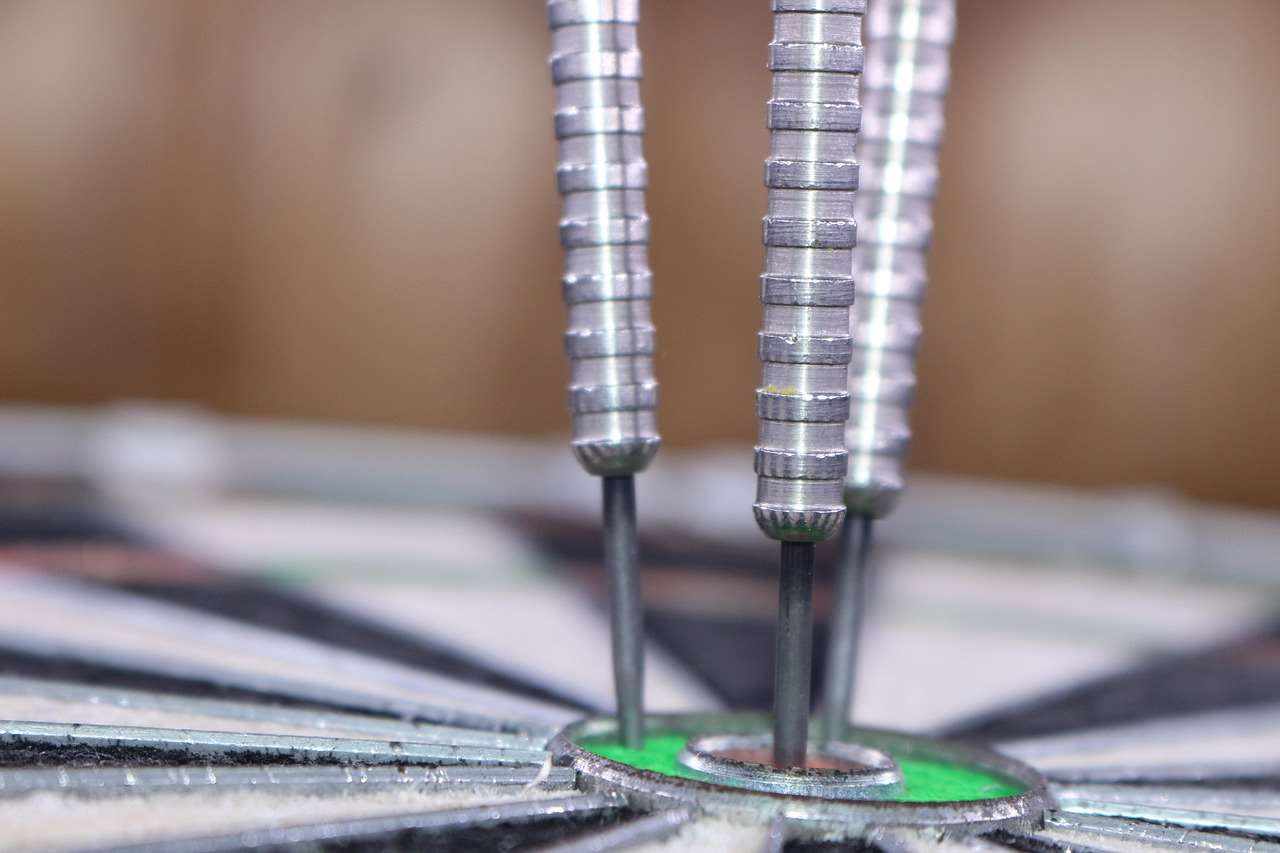
The oche isn’t just any line; it’s a carefully measured and defined boundary. It’s the line behind which a player must stand when throwing their darts. The front edge of the oche, closest to the dartboard, marks the official throwing distance.
Key Oche Dimensions and Specifications
Let’s get down to the nitty-gritty. Understanding the specific dimensions of the oche, as mandated by the BDO and PDC, is essential. While both organizations generally adhere to the same standards, it’s always wise to double-check official tournament rules.
- Height: While not explicitly defined in terms of height *above* the floor, it should be flush with the surface. The dartboard itself will need to be measured at the correct height.
- Material: No specific material is mandated. Oches are commonly made of wood, metal, or even a painted line. The key is a solid, clearly defined edge that prevents any ambiguity.
- Length: The oche is recommended to be at least 60cm in length.
The Crucial Measurement: Throwing Distance
The most important measurement in darts is the throwing distance. According to both the BDO and PDC regulations, the distance from the face of the dartboard (specifically, a plumb line dropped from the bullseye) to the front edge of the oche must be exactly 7 feet 9 1/4 inches (2.37 meters). This measurement must be precise and consistent.
To ensure accuracy:
- Use a reliable measuring tape or laser measure.
- Measure from the bullseye (center of the dartboard) to the front edge of the oche.
- Double-check the measurement to eliminate errors.
Common Issues and How to Address Them
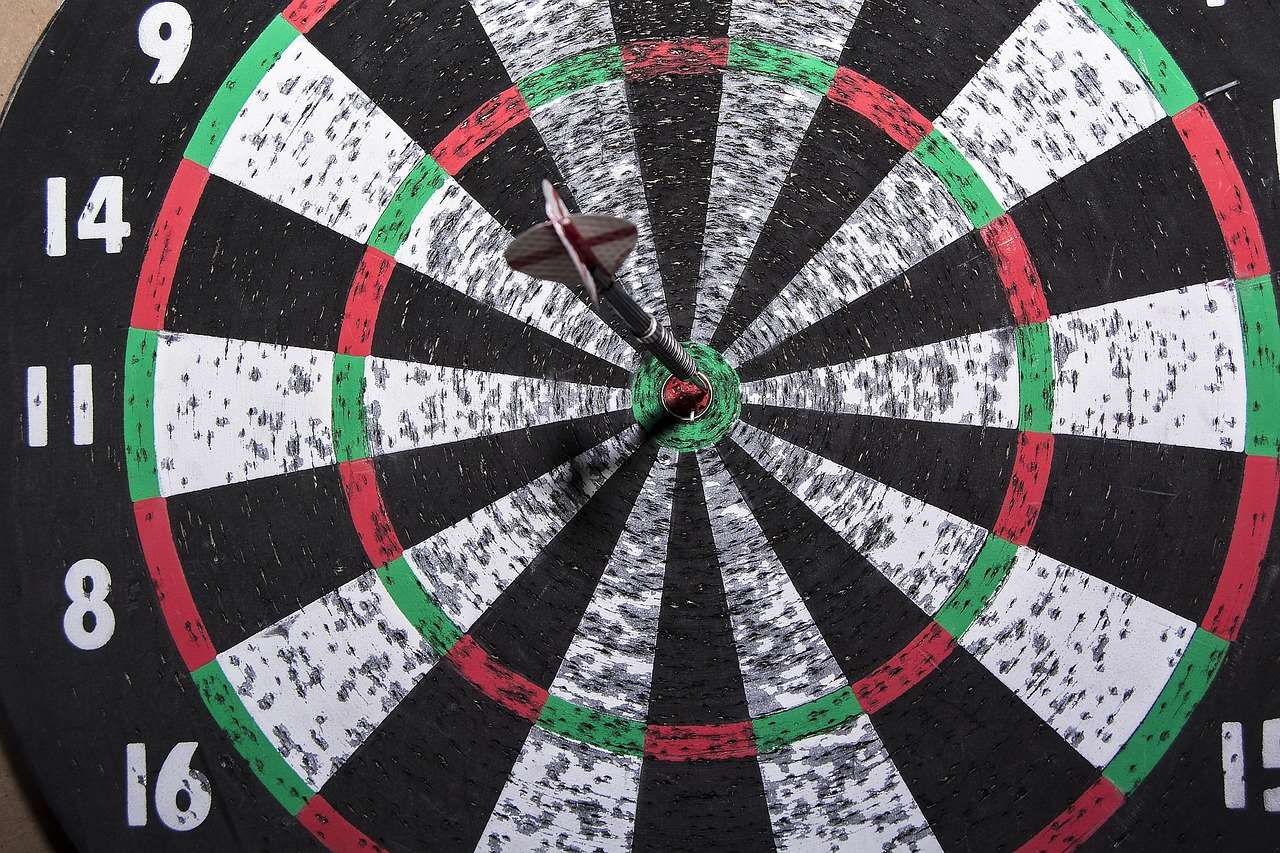
Even with clear guidelines, issues can arise when setting up the oche. Here are some common problems and practical solutions:
Oche Movement
If the oche isn’t properly secured, it can shift during play, leading to inconsistent throwing distances. Secure your oche to the floor using adhesive strips, screws (if appropriate), or a non-slip mat to prevent movement.
Uneven Flooring
Uneven flooring can make it difficult to accurately measure the throwing distance. Use shims or leveling materials to ensure the oche sits on a level surface.
Ambiguous Oche Edge
If the oche edge is poorly defined or worn, it can cause confusion. Use a contrasting color to clearly mark the edge. Consider using a metal or wooden oche for a more defined and durable line. You might also choose to Choose Best Dart Equipment to further your game.
Acceptable Oche Materials and Construction Tips
While the BDO and PDC don’t explicitly restrict oche materials, certain options are more practical and durable. Here are some ideas:
- Wood: A classic choice, wood provides a solid and defined edge. Ensure it’s properly treated to prevent warping or damage.
- Metal: Metal oches offer excellent durability and a clean, professional look.
- Adhesive Strips: A temporary solution, adhesive strips are suitable for casual play or when a permanent oche isn’t feasible.
- Painted Line: A cost-effective option, but be sure to use a durable paint that won’t easily wear away.
- Non-Slip Dart Mat: These mats often have a built-in oche line at the regulation distance.
Building Your Own Oche
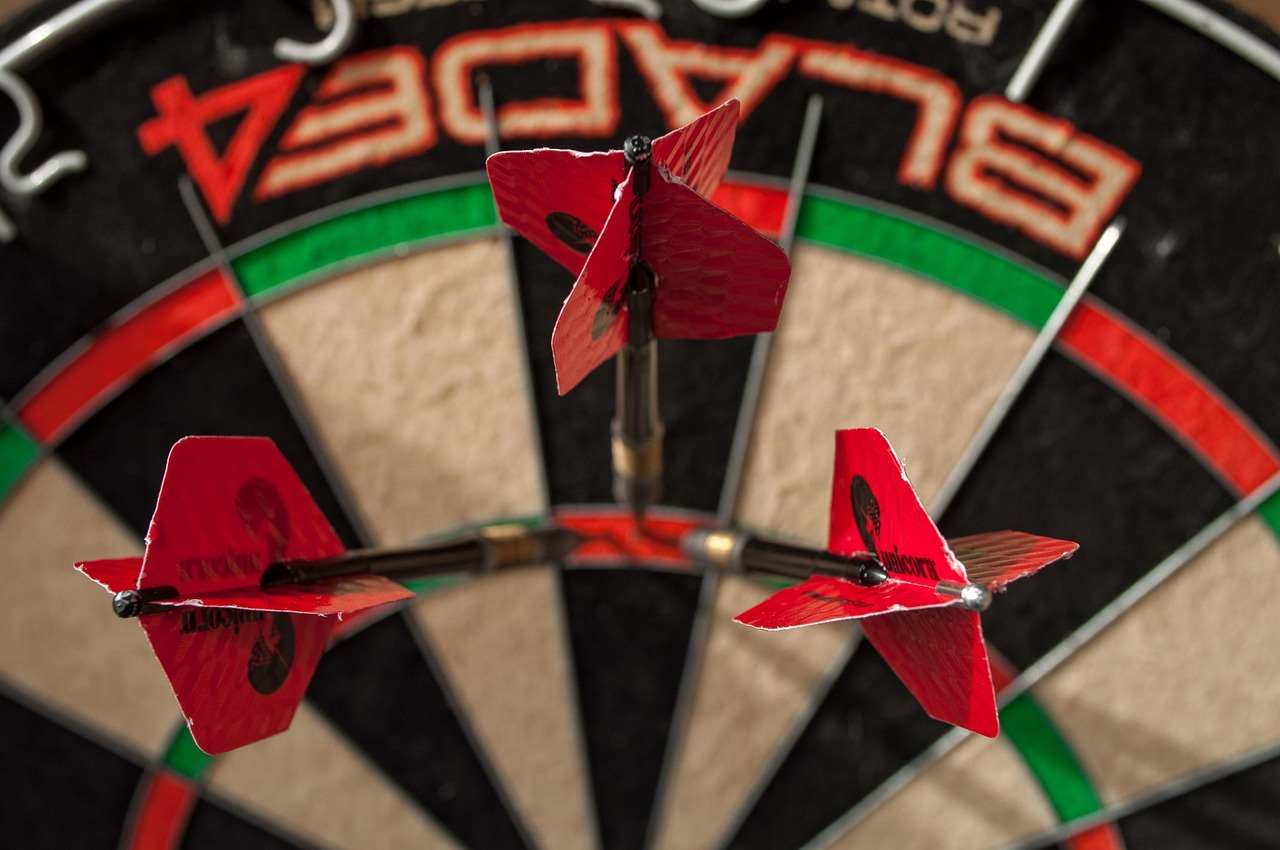
For the DIY enthusiast, building your own oche is a simple project. You’ll need:
- A piece of wood or metal (at least 60cm long).
- A measuring tape or laser measure.
- A saw or cutting tool.
- Sandpaper (optional).
- Paint or sealant (optional).
Cut the material to the desired length, sand the edges for a smooth finish, and paint or seal it to protect it from wear and tear. Secure the oche to the floor using appropriate fasteners.
The Importance of Regular Checks and Maintenance
Setting up the oche correctly is only the first step. Regular checks and maintenance are crucial to ensure continued accuracy and prevent issues from arising. Periodically remeasure the throwing distance and check for any movement or damage to the oche. You can improve your game with the Best Budget Darts For Beginners.
Oche Standards BDO PDC: Addressing Common Misconceptions
There are a number of misconceptions about the Oche Standards BDO PDC. This section will discuss and address some common ones.
Misconception 1: The Oche Has to Be a Specific Color
Reality: There are no specific color requirements for the oche. While a contrasting color can improve visibility, the color itself is not regulated. Many players and venues opt for colors that complement the surrounding decor.
Misconception 2: The Oche Must Be a Raised Surface
Reality: The oche doesn’t need to be raised. It can be a painted line, a flush piece of wood or metal, or even a marking on a dart mat. The key is a clear and well-defined front edge at the correct distance.
Misconception 3: Small Variations in Oche Distance Don’t Matter
Reality: Even small variations in the throwing distance can significantly affect a player’s accuracy and consistency. Professional players rely on precise measurements, and even a slight deviation can disrupt their rhythm and technique.
Beyond the Basics: Advanced Oche Considerations
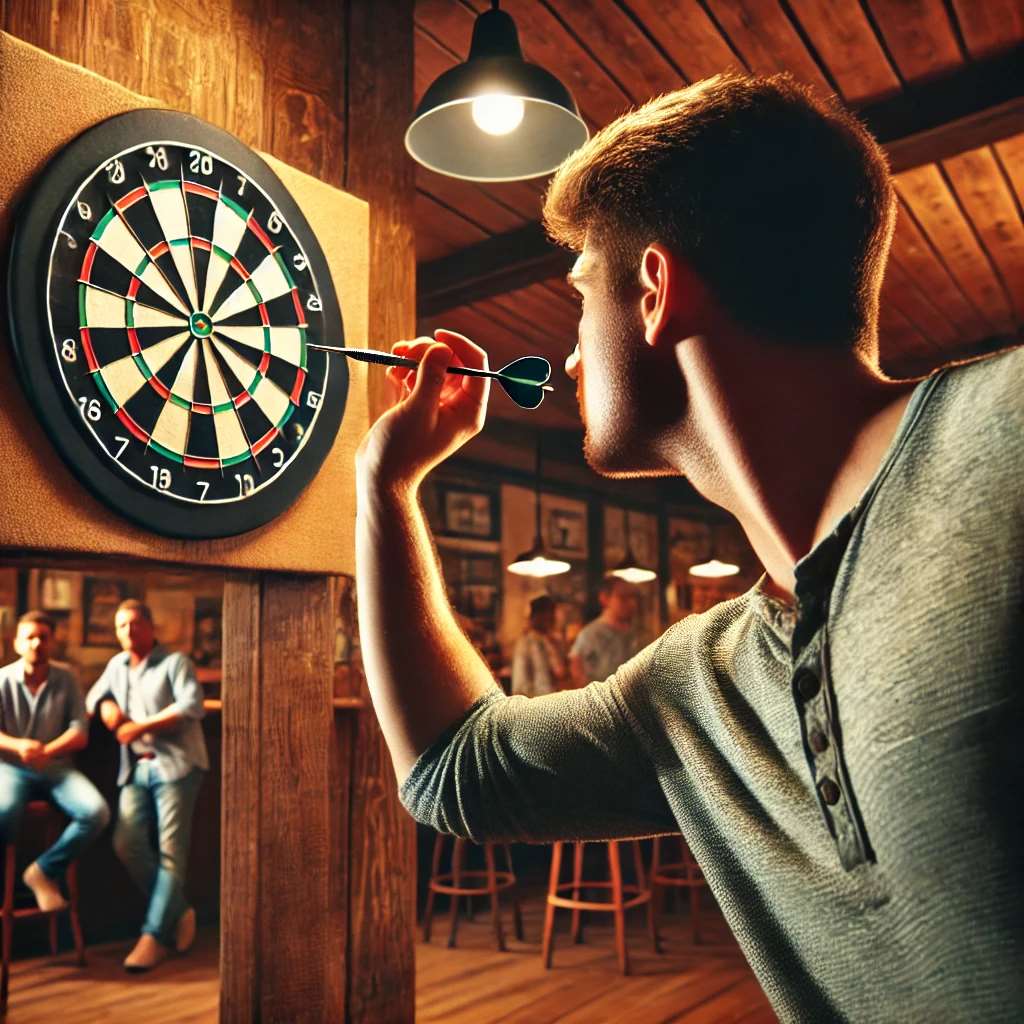
For serious dart players and tournament organizers, there are some advanced considerations to keep in mind when dealing with **Oche Standards BDO PDC**.
Oche Placement in Different Venues
The ideal oche placement depends on the venue. Factors to consider include:
- Space Constraints: Ensure there is ample space behind the oche for players to throw comfortably.
- Lighting: Adequate lighting is essential for clear visibility of the dartboard and oche.
- Floor Surface: Choose a floor surface that provides good traction and prevents slipping.
Accommodating Players with Disabilities
Reasonable accommodations should be made for players with disabilities. This may involve adjusting the oche position or providing assistive devices.
Oche Etiquette and Best Practices
Beyond the technical specifications, there’s also a matter of etiquette when it comes to the oche. Here are some best practices to follow:
- Respect the Oche: Avoid leaning on or crossing the oche when it’s not your turn to throw.
- Wait Your Turn: Allow players to complete their throws without distractions.
- Be Mindful of Space: Give players ample space to throw comfortably.
Staying Updated on Oche Standards
While Oche Standards BDO PDC rarely change drastically, it’s always a good idea to stay informed about any updates or clarifications issued by the BDO and PDC. Check their official websites or consult with darting organizations for the latest information. When trying to Finding Value Budget Dart Sets it may be worth investing in some new equipment. It is vital to understand What Makes Darts Premium Quality.
Conclusion
Adhering to the **Oche Standards BDO PDC** is more than just following rules; it’s about ensuring fairness, consistency, and respect for the game. By understanding the precise measurements, materials, and best practices outlined in this article, you can create a level playing field for yourself and your fellow dart players. Whether you’re playing casually with friends or competing in a professional tournament, a properly set up oche is the foundation for a great game of darts. So, grab your measuring tape, double-check those dimensions, and get ready to throw some serious darts! To further improve your gameplay, consider exploring our other resources on dart techniques and equipment.

Hi, I’m Dieter, and I created Dartcounter (Dartcounterapp.com). My motivation wasn’t being a darts expert – quite the opposite! When I first started playing, I loved the game but found keeping accurate scores and tracking stats difficult and distracting.
I figured I couldn’t be the only one struggling with this. So, I decided to build a solution: an easy-to-use application that everyone, no matter their experience level, could use to manage scoring effortlessly.
My goal for Dartcounter was simple: let the app handle the numbers – the scoring, the averages, the stats, even checkout suggestions – so players could focus purely on their throw and enjoying the game. It began as a way to solve my own beginner’s problem, and I’m thrilled it has grown into a helpful tool for the wider darts community.