Understanding the precise oche requirements leagues enforce is crucial for fair play and consistent competition. This article breaks down everything you need to know about oche dimensions, regulations, and best practices across various dart leagues, ensuring you’re always throwing from the correct position.
⚠️ Still Using Pen & Paper (or a Chalkboard)?! ⚠️
Step into the future! The Dart Counter App handles all the scoring, suggests checkouts, and tracks your stats automatically. It's easier than you think!
Try the Smart Dart Counter App FREE!Ready for an upgrade? Click above!
Understanding the Basics of Oche Requirements Leagues
The oche, the line behind which dart players must stand, is a fundamental element of any darts game. Consistent oche requirements leagues and governing bodies establish ensure fair competition. Ignoring these requirements can lead to disqualification or, at the very least, create an uneven playing field. We will explore why standardization is so important.
The Importance of Standardized Oche Measurements
Without strict adherence to standardized measurements, the game becomes subjective and unfair. Imagine if some players were allowed to stand closer to the dartboard than others. This would give them an unfair advantage, as the distance and angle to the board would be different. Standardization ensures everyone adheres to the same rules, promoting fair play and allowing players to focus on their skill.
The standard height of the dartboard, measured from the bullseye to the floor, is 5 feet 8 inches (1.73 meters). The oche distance, measured from the face of the dartboard to the back of the oche line, is 7 feet 9 1/4 inches (2.37 meters). It is important to note that these dimensions are important and must be maintained.
Key Oche Dimensions and Regulations
Let’s delve into the specific dimensions and regulations that govern the oche in most dart leagues. These guidelines cover everything from height to width and even the materials used for the oche.
Standard Height and Distance
As mentioned earlier, the **height of the bullseye** should be 5 feet 8 inches (1.73 meters) from the floor. The **throwing distance** should be 7 feet 9 1/4 inches (2.37 meters) measured horizontally from the face of the board to the back of the oche line. This measurement is crucial for competitive play, and should be checked before play begins. Choose Best Dart Equipment can be helpful in setting up your board appropriately. The placement of the board and the marking of the throwing line are the most important parts of setting up the game, in addition to the lighting and background of the board.
Oche Construction and Material
While the exact material of the oche isn’t always strictly regulated, it must be a solid, stable marker that prevents players from encroaching on the throwing line. Many leagues use a raised wooden or metal bar. Others may use a simple line marked on the floor. It is essential to ensure that the oche is clearly visible and securely fixed to prevent accidental movement during play. Another factor to consider is the **placement of the dartboard** in an area with ample space.
Foot Fault Rules and Enforcement
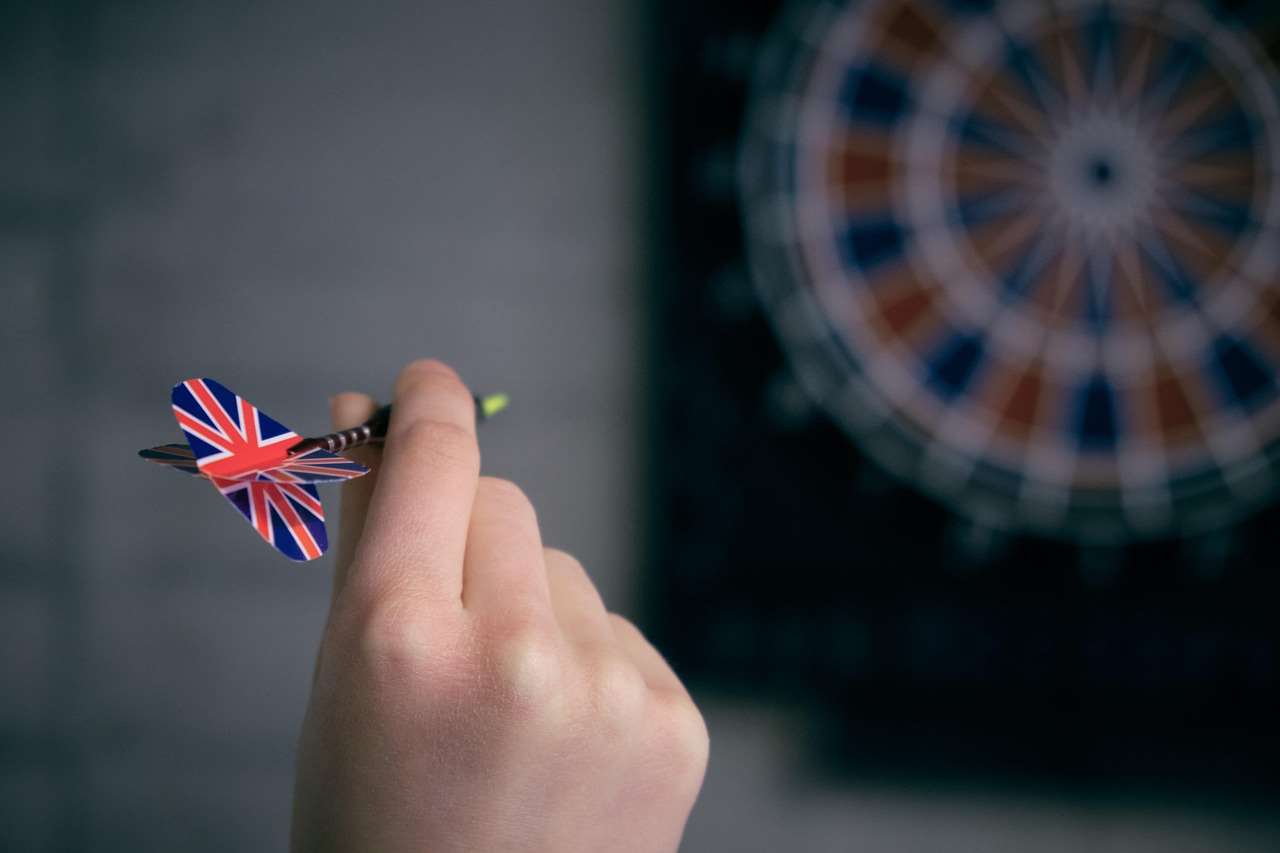
Foot fault rules dictate how a player’s feet must be positioned while throwing. Generally, players must have at least part of one foot behind the oche line when releasing the dart. Leaning over the line is typically permitted, as long as the foot remains behind it. Enforcement of these rules varies depending on the league, with some relying on self-regulation and others having official referees. It’s crucial to be aware of the specific rules of the league you are participating in, and to practice adherence to these rules to avoid penalties.
Common Oche-Related Issues in Dart Leagues
Despite the seemingly straightforward nature of oche regulations, several common issues can arise in dart leagues. Identifying these problems and knowing how to address them can prevent disputes and ensure fair play.
Incorrect Oche Placement
One of the most common problems is simply incorrect oche placement. This could involve the oche being too close or too far from the dartboard. It can also involve the oche not being at the proper height. Always double-check the measurements before a match to ensure compliance with the standard.
Unstable or Moving Oches
If the oche is not securely fixed, it can move during play, leading to inconsistent throwing distances. This can be frustrating for players and cause disputes. To avoid this, use a sturdy oche that is firmly attached to the floor. If using a simple line, regularly check that it hasn’t been worn away or moved.
Disputes Over Foot Faults
Disagreements over foot faults are common, especially in the absence of a referee. Clear communication and a good understanding of the foot fault rules can help prevent these disputes. If a disagreement arises, calmly discuss the situation and, if necessary, consult the league rules for clarification. Remember to check the Buying Guide Budget Premium Dart Sets.
How to Ensure Compliance with Oche Requirements Leagues
Ensuring compliance with Oche Requirements Leagues is a straightforward process that involves careful measurement, proper setup, and clear communication.
Double-Check Measurements Before Each Match
Before any match, take the time to double-check the height of the dartboard and the distance of the oche. Use a reliable tape measure and level to ensure accuracy. This simple step can prevent many problems down the line.
Use a High-Quality, Stable Oche
Invest in a good quality, stable oche that is easy to see and securely fixed to the floor. A well-constructed oche will not only ensure compliance with regulations but will also provide a consistent throwing point for players.
Communicate Rules Clearly to All Players
Ensure that all players are aware of the specific oche requirements and foot fault rules of the league. This can be done through a pre-match briefing or by providing a written copy of the rules. Clear communication helps prevent misunderstandings and promotes fair play.
Advanced Considerations for Oche Requirements Leagues
Beyond the basic dimensions and regulations, there are some advanced considerations that can further enhance the playing experience and ensure a more level playing field.
Lighting and Visibility
Adequate lighting is essential for clear visibility of the dartboard and the oche. Ensure that the lighting is positioned so that it does not cast shadows on the board or the oche line. Good lighting improves accuracy and reduces eye strain.
Oche Material and Comfort
While the material of the oche is not always strictly regulated, choosing a comfortable and durable material can enhance the playing experience. Some players prefer a raised wooden oche, while others prefer a simple line on the floor. The key is to choose a material that is both visible and comfortable for the players. Remember to always consider What Makes Darts Premium Quality.
Accessibility Considerations
Consider accessibility for players with disabilities when setting up the oche. Ensure that the throwing area is free of obstructions and that players using wheelchairs or other mobility aids have sufficient space to throw comfortably. Adaptations may be necessary to accommodate individual needs while maintaining compliance with league regulations.
Impact of Oche Requirements Leagues on Game Quality
Adherence to Oche Requirements Leagues standards directly impacts the quality of the game. It ensures fairness, promotes consistency, and allows players to focus on their skill rather than worrying about uneven playing conditions. By upholding these standards, leagues create a more enjoyable and competitive environment for all participants.
Promoting Fair Play
Standardized oche measurements and regulations ensure that all players compete on a level playing field. This promotes fair play and encourages players to develop their skills based on genuine ability rather than exploiting inconsistencies in the setup. The overall quality of the game increases when fairness is prioritized. Keep in mind the Quality Comparison Budget Premium Darts.
Encouraging Consistency
When all matches are played under the same rules and conditions, players can develop consistent throwing techniques and strategies. This consistency leads to more accurate throws and a higher level of play. Leagues that strictly enforce oche requirements contribute to the overall improvement of their members’ skills.
Reducing Disputes
Clear and well-enforced oche requirements reduce the likelihood of disputes between players. When everyone is aware of the rules and understands the importance of compliance, there is less room for disagreements over foot faults or incorrect measurements. A harmonious playing environment allows players to focus on the game and enjoy the competition.
Conclusion
In conclusion, understanding and adhering to Oche Requirements Leagues is essential for fair play, consistent competition, and an enjoyable darts experience. From the precise measurements of the oche to the enforcement of foot fault rules, every detail contributes to the integrity of the game. By double-checking measurements, using stable equipment, and communicating rules clearly, leagues and players can ensure compliance and create a level playing field for all. Take the time to implement these best practices and elevate your darts game today. Consider which Difference Budget Premium Darts might be right for you. So, grab your darts, find your league, and aim for that bullseye with confidence!

Hi, I’m Dieter, and I created Dartcounter (Dartcounterapp.com). My motivation wasn’t being a darts expert – quite the opposite! When I first started playing, I loved the game but found keeping accurate scores and tracking stats difficult and distracting.
I figured I couldn’t be the only one struggling with this. So, I decided to build a solution: an easy-to-use application that everyone, no matter their experience level, could use to manage scoring effortlessly.
My goal for Dartcounter was simple: let the app handle the numbers – the scoring, the averages, the stats, even checkout suggestions – so players could focus purely on their throw and enjoying the game. It began as a way to solve my own beginner’s problem, and I’m thrilled it has grown into a helpful tool for the wider darts community.