The key to enjoying your dartboard for years to come lies in proper care and usage, effectively not damaging the board. By understanding common causes of damage and implementing preventative measures, you can significantly extend the life of your dartboard. This article will guide you through best practices for dartboard maintenance, covering everything from proper setup to dart selection and techniques.
⚠️ Still Using Pen & Paper (or a Chalkboard)?! ⚠️
Step into the future! The Dart Counter App handles all the scoring, suggests checkouts, and tracks your stats automatically. It's easier than you think!
Try the Smart Dart Counter App FREE!Ready for an upgrade? Click above!
Understanding Why Dartboards Get Damaged
Before diving into solutions, it’s crucial to understand the primary culprits behind dartboard damage. Recognizing these causes will help you proactively prevent them. Some common factors include:
- Dart Quality: Using low-quality darts with sharp edges or poorly designed points can wreak havoc on the sisal fibers.
- Incorrect Mounting: A wobbly or unstable dartboard is more susceptible to damage from repeated impacts. Ensure your dartboard mounting is secure.
- Excessive Force: Throwing darts with excessive force won’t necessarily improve your accuracy but will definitely accelerate wear and tear.
- Environmental Factors: Humidity and temperature fluctuations can affect the sisal fibers, causing them to expand, contract, and eventually break down.
- Dryness: Similar to humidity, extreme dryness can make the board brittle.
- Improper Dart Removal: Yanking darts out of the board can pull out sisal fibers, creating holes and weakening the overall structure.
Key Strategies for Not Damaging The Board
Now, let’s explore the actionable steps you can take to protect your dartboard and maximize its lifespan. These strategies cover various aspects, from board selection to dart throwing techniques.
Choosing the Right Dartboard
The quality of your dartboard significantly impacts its durability. Opt for a high-quality, self-healing sisal dartboard from a reputable brand. Look for boards with tightly packed fibers and a consistent surface. Consider investing in a dartboard surround to protect the wall around the board from stray darts. This also helps in not damaging the board indirectly by preventing wall damage.
Mounting Your Dartboard Correctly
Proper mounting is essential for stability and longevity. Use a secure mounting system and ensure the board is perfectly level. Regularly check the mounting hardware and tighten any loose screws. A wobbly board absorbs impact unevenly, leading to premature wear and tear. Refer to online guides for specific mounting instructions, or consult a professional if needed.

Selecting the Right Darts
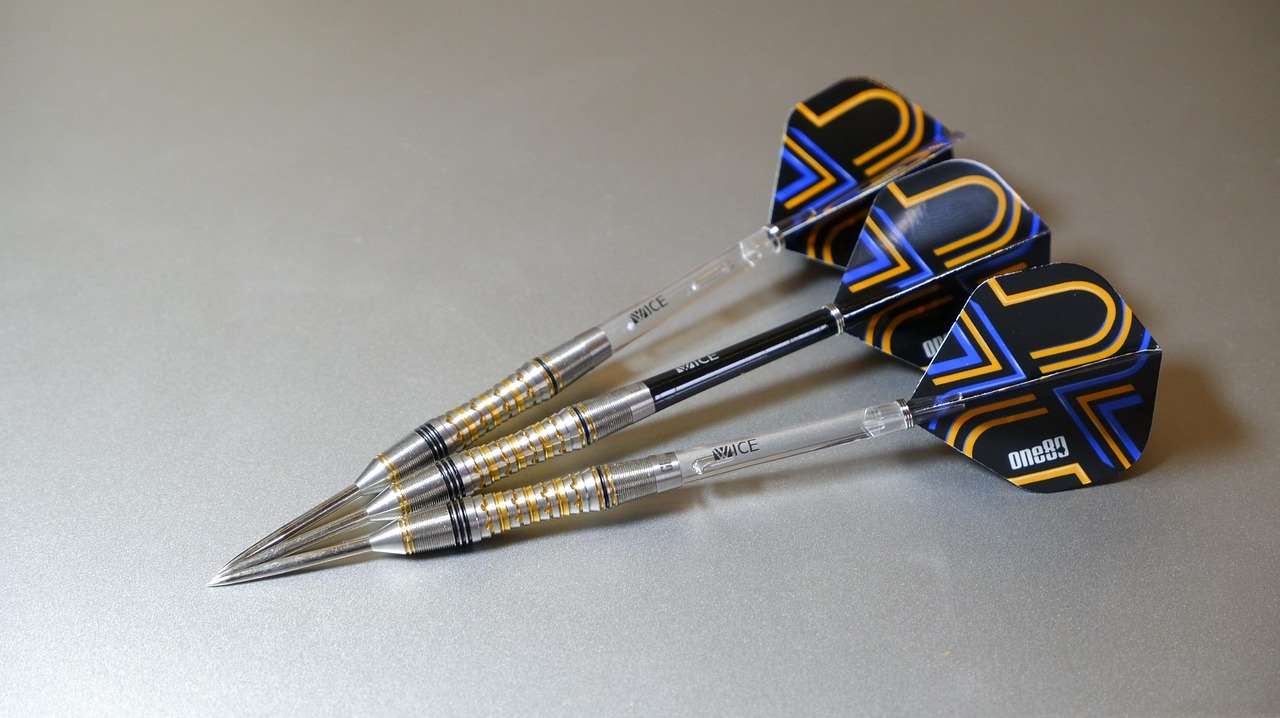
Investing in a good set of darts is as important as choosing a quality dartboard. Look for darts with smooth, rounded points that glide easily into the board without damaging the sisal fibers. Avoid darts with sharp edges or burrs, as these can tear the fibers. Regularly inspect your dart points and sharpen or replace them as needed. Remember that dull darts require more force to insert, increasing the risk of damage. Regularly check out Darts Culture And Community Guide for tips.
Throwing Techniques to Minimize Damage
While perfecting your throwing technique is primarily about improving accuracy, it also plays a role in not damaging the board. Aim for a smooth, controlled release and avoid throwing with excessive force. Over time, you will learn the right amount of force for dart penetration. Consider your follow-through – a smoother follow-through reduces the likelihood of the dart striking the board at an angle. Practice consistently to improve your accuracy and reduce the number of stray darts that hit the surrounding wall.
Rotating Your Dartboard
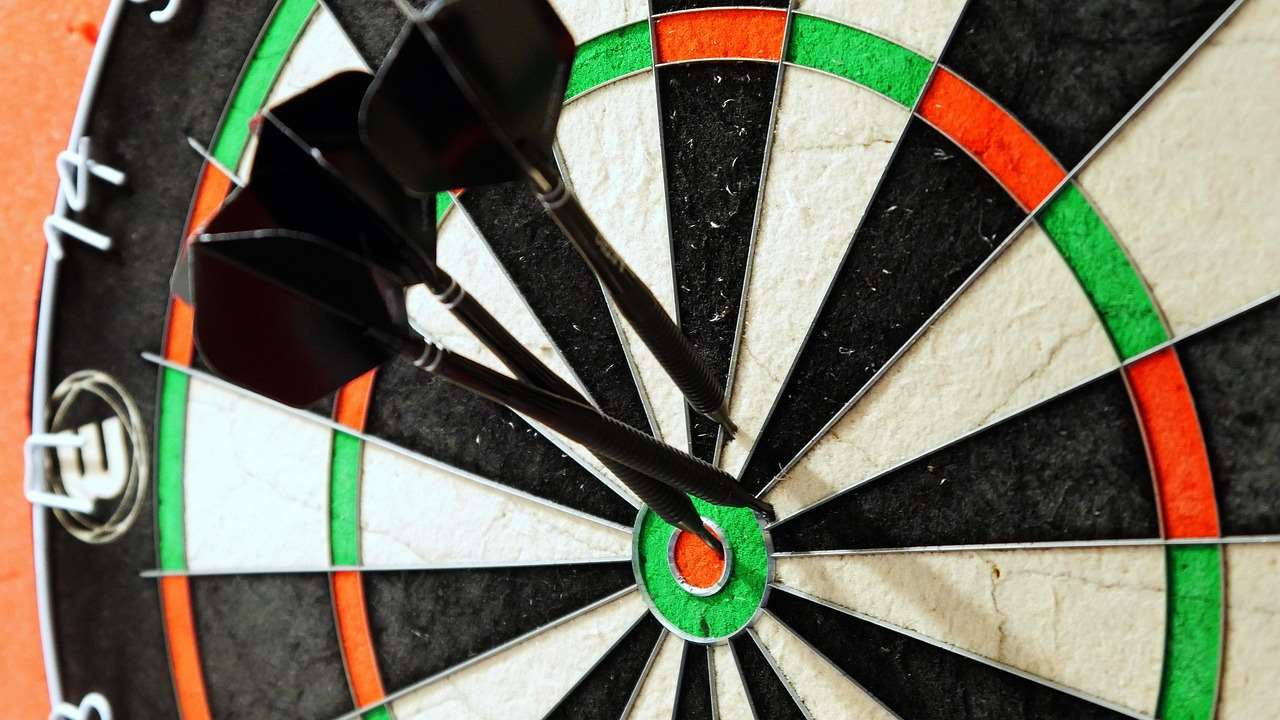
One of the simplest yet most effective ways to extend the life of your dartboard is to rotate it regularly. Over time, certain segments of the board (especially the 20) will experience more wear and tear than others. By rotating the board, you distribute the wear more evenly, allowing the sisal fibers to recover and prolonging the board’s lifespan. Aim to rotate the board every few weeks or months, depending on how frequently you play.
Removing Darts Properly
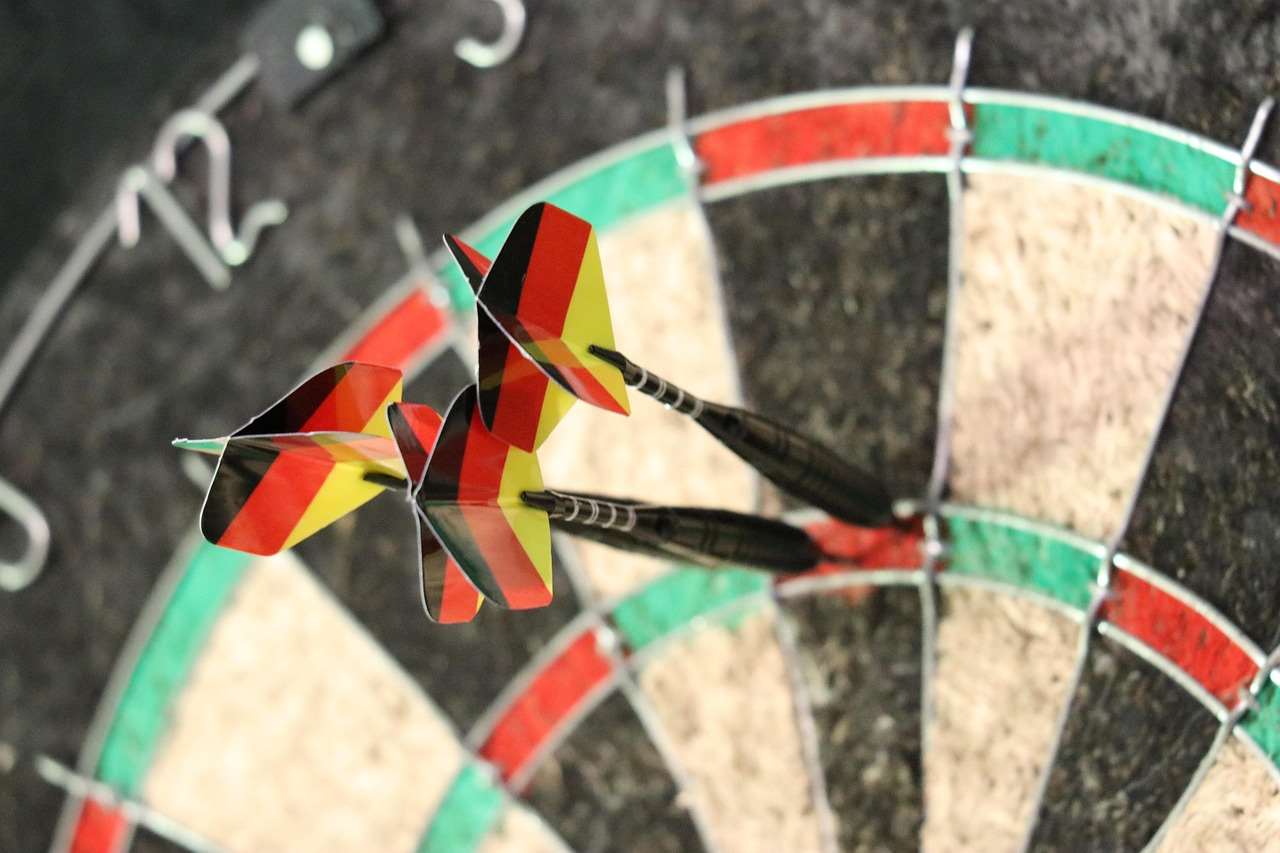
The way you remove darts from the board can significantly impact its longevity. Avoid yanking or twisting the darts, as this can pull out the sisal fibers. Instead, use a gentle twisting motion while pulling the dart straight out. If a dart is stuck, use a dart removal tool to loosen it before attempting to remove it. Always handle the darts with care and avoid using excessive force.
Maintaining Proper Humidity Levels
As mentioned earlier, environmental factors can affect the dartboard’s condition. Try to maintain a consistent humidity level in the room where the dartboard is located. If the air is too dry, consider using a humidifier. If the air is too humid, use a dehumidifier. Avoid exposing the dartboard to direct sunlight or extreme temperature fluctuations. These precautions will help prevent the sisal fibers from drying out or becoming brittle.
Regular Cleaning and Maintenance
While dartboards don’t require extensive cleaning, it’s important to remove any loose debris or dust that may accumulate on the surface. Use a soft brush or cloth to gently wipe down the board. Avoid using water or cleaning solutions, as these can damage the sisal fibers. Regularly inspect the board for any signs of damage, such as loose fibers or holes, and address them promptly. Consider occasionally misting the board very lightly with water to help the sisal fibers re-hydrate and self-heal. This is particularly helpful in drier climates. Promoting Local Darts starts with maintaining your equipment.
Storing Your Dartboard Properly
If you need to store your dartboard for an extended period, take steps to protect it from damage. Store it in a cool, dry place away from direct sunlight. Cover the board with a cloth or plastic sheet to protect it from dust and moisture. Avoid storing the board in a damp basement or a hot attic, as these environments can accelerate deterioration. Remember to re-mount the board correctly when you’re ready to use it again.
Investing in a Dartboard Surround
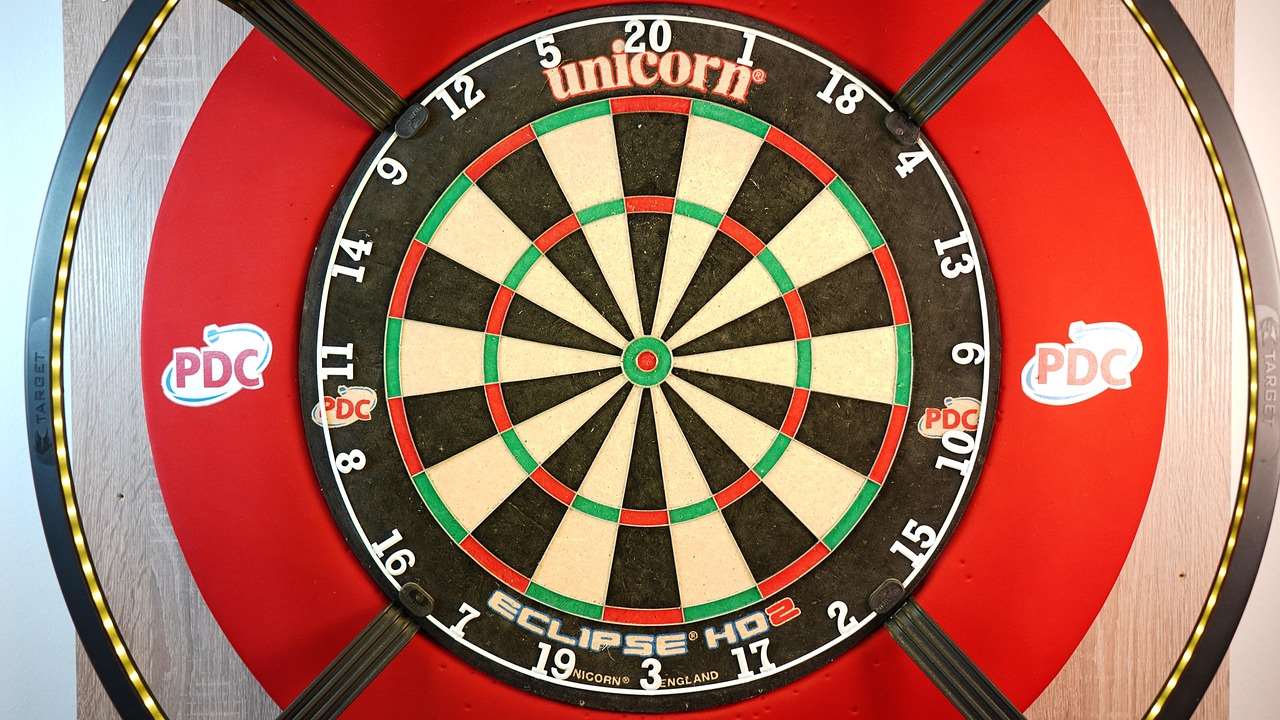
A dartboard surround is a padded ring that surrounds the dartboard and protects the wall from stray darts. While it doesn’t directly protect the dartboard itself, it prevents damage to the surrounding area and reduces the risk of darts bouncing off the wall and damaging the dartboard. Surrounds are available in various materials and styles, so you can choose one that complements your decor and provides adequate protection. Additionally, consider setting up a How To Start A Darts League after you’ve honed your skills with a well-maintained dartboard.
Conclusion: Protecting Your Investment
Not damaging the board is an ongoing process that requires attention to detail and proactive maintenance. By following the strategies outlined in this article, you can significantly extend the life of your dartboard and enjoy countless hours of darting fun. Remember to choose quality equipment, mount the board correctly, use proper throwing techniques, and maintain a consistent environment. Regular cleaning, rotation, and proper dart removal are also crucial for preserving the integrity of the sisal fibers. By investing a little time and effort in dartboard care, you’ll protect your investment and ensure years of enjoyment. Now that you know how to maintain your board, consider taking the next step: Building Local Darts League Club Guide, and share your love of the game with others.

Hi, I’m Dieter, and I created Dartcounter (Dartcounterapp.com). My motivation wasn’t being a darts expert – quite the opposite! When I first started playing, I loved the game but found keeping accurate scores and tracking stats difficult and distracting.
I figured I couldn’t be the only one struggling with this. So, I decided to build a solution: an easy-to-use application that everyone, no matter their experience level, could use to manage scoring effortlessly.
My goal for Dartcounter was simple: let the app handle the numbers – the scoring, the averages, the stats, even checkout suggestions – so players could focus purely on their throw and enjoying the game. It began as a way to solve my own beginner’s problem, and I’m thrilled it has grown into a helpful tool for the wider darts community.