Breathe new life into your dart games by **modifying existing darts games fun** with simple tweaks and rule adjustments! This article explores various creative ways to make your dart games more exciting, fair, and engaging for players of all skill levels, covering everything from handicap systems to entirely new game variations.
⚠️ Still Using Pen & Paper (or a Chalkboard)?! ⚠️
Step into the future! The Dart Counter App handles all the scoring, suggests checkouts, and tracks your stats automatically. It's easier than you think!
Try the Smart Dart Counter App FREE!Ready for an upgrade? Click above!
Why Consider Modifying Existing Darts Games Fun?
Darts is a fantastic game, but playing the same variations repeatedly can become monotonous. **Modifying existing darts games fun** can reignite the passion and excitement, ensuring everyone, regardless of their skill level, has a great time. There are several reasons why you might want to consider making changes:
- To Level the Playing Field: Create a more balanced competition when players have vastly different skill levels.
- To Increase Excitement: Introduce new challenges and scoring systems to keep everyone engaged.
- To Cater to Specific Group Needs: Adapt the game to suit the number of players, the available space, or any physical limitations.
- To Add a Unique Twist: Inject some personality and creativity into your dart nights.
Ultimately, the goal is to ensure everyone enjoys themselves and wants to play again. Don’t be afraid to experiment and see what works best for your group.
Simple Rule Adjustments for Instant Fun
Sometimes, you don’t need a complete overhaul to improve a dart game. Small, incremental changes can make a big difference. Here are some simple rule adjustments you can implement right away:
Changing the Starting Score in 301/501
Instead of starting at 301 or 501, try starting at a different score. This can be particularly effective when Darts games different skill levels are varied. For example, you could start at 201 for a shorter, faster game or 701 for a longer, more strategic one. This simple change significantly affects the game’s duration and difficulty.
Implementing a “Double In” Rule
Traditionally, many darts games require players to start by hitting a double (“double in”). If you find this frustrating for less experienced players, consider removing this rule or requiring only one player to start with a double. This makes the game more accessible and quicker to get started. Conversely, if you want to increase the difficulty, you could require all players to hit a double-in with their first dart of each round.
Introducing a “Bullseye Bonus”
Add a bonus for hitting the bullseye. For example, award extra points or the ability to remove points from another player’s score. This adds an element of risk and reward, encouraging players to aim for the center of the board. It can also be a great way to Scaling dart game difficulty and create exciting comebacks.
The “Wild Dart” Rule
Designate one dart per round as a “wild dart.” This means that whatever number that dart hits, it counts as double or triple (decide beforehand). This can lead to unpredictable scoring and adds an element of chance to the game, creating moments of both triumph and hilarity. This also adds a layer of skill and strategy.
Handicap Systems: Leveling the Playing Field
One of the biggest challenges in darts is accommodating players of different skill levels. A handicap system is a great way of **modifying existing darts games fun** so that everyone has a fair chance of winning. Here are a few popular options:
Point-Based Handicaps
Give less experienced players a head start by deducting points from their starting score or adding points to their final score. The number of points can be adjusted based on the difference in skill levels. This system works well for games like 301/501.
Dart-Based Handicaps
Allow less experienced players more darts per round or deduct darts from more skilled players. For example, a beginner might get four darts per round, while an expert gets only two. This is a simple and effective way to balance the game. You could also consider this for darts for mixed ability groups.
Target-Based Handicaps
Assign different targets for different players. For example, less experienced players might only need to hit single numbers, while more skilled players need to hit doubles or triples. This allows everyone to participate without feeling overwhelmed. Handicap system fun dart games are ideal for social gatherings.
The “Chalk It Up” System
This system is best used in a team setting. After each round, assess the performance of each player. Give each team a set number of “chits” or points to allocate to their players. A team can give an experienced player more chits, thus expecting them to perform better, or give a weaker player more chits to boost their confidence. This builds team strategy and encourages more experienced players to coach and support newer players.
Creating New Game Variations for Darts
If you’re feeling adventurous, you can create entirely new game variations. This is where you can truly get creative and tailor the game to your group’s preferences. Here are a few ideas to get you started:
“Around the World” with a Twist
Instead of simply hitting the numbers in order, add challenges along the way. For example, require players to hit a double before moving on to the next number or to hit a specific color on each number. This adds an element of complexity and skill to the game.
“Killer” with a Twist
In the classic “Killer” game, each player must establish a number and then try to knock out other players by hitting their numbers. To make it more interesting, add “power-ups” or “penalties” that players can earn by hitting specific targets. For example, hitting the bullseye could give you the power to eliminate another player immediately, while hitting a specific double could result in a penalty, such as skipping a turn.
“Cricket” with a Team Focus
In team cricket, points are not just based on the number hit, but also on team goals. For instance, teams might need to achieve a certain number of doubles or triples, or need to close out a number in a specific order. This promotes team strategy and communication.
Incorporating Themed Dart Nights
Another way to revitalize your dart nights is to introduce themes. This can add an extra layer of fun and excitement, and can inspire creativity in your game modifications.
Movie-Themed Dart Night
Choose a popular movie and create dart games based on characters, scenes, or quotes from the film. For example, you could have a “James Bond” game where players earn points for hitting specific numbers that correspond to Bond’s code name or a “Star Wars” game where players must “destroy the Death Star” by hitting certain targets on the board.
Holiday-Themed Dart Night
Adapt existing dart games to fit the theme of a particular holiday. For example, for Halloween, you could create a “haunted house” dart game where players must hit targets representing different rooms in the house, or for Christmas, you could have a “reindeer race” where players earn points for hitting targets that move them closer to the finish line. This is **modifying existing darts games fun** in a unique way.
Retro Gaming Dart Night
Recreate classic arcade games using a dartboard. For example, you could design a “Space Invaders” game where players shoot down alien ships (represented by specific numbers) or a “Pac-Man” game where players navigate a maze by hitting targets in a certain order. This combines the fun of darts with the nostalgia of retro gaming.
Tools and Resources for Modifying Darts Games
Fortunately, there are numerous tools and resources available to help you in **modifying existing darts games fun**. From online scoreboards to dart game generators, these resources can make the process easier and more enjoyable.
Online Dart Scoreboards
Several websites and apps offer online dart scoreboards that can automatically track scores, calculate averages, and even suggest optimal strategies. These tools can be particularly useful for complex game variations or for tracking progress over time.
Dart Game Generators
If you’re looking for inspiration, try using a dart game generator. These tools can generate random dart games based on your preferences, such as the number of players, the skill level, and the desired level of complexity. This can be a great way to discover new and exciting game variations. Darts Variants Fun Games keep things interesting.
DIY Dartboard Accessories
Consider creating your own dartboard accessories to enhance the experience. For example, you could build a custom scoreboard, design unique dart flights, or create themed targets for your dartboard. This can add a personal touch to your dart nights and make them even more memorable.
Safety Considerations When Modifying Darts Games
While **modifying existing darts games fun**, it’s essential to prioritize safety. Darts can be dangerous if not handled responsibly, so it’s crucial to establish clear safety rules and guidelines before playing. Consider these points:
- Ensure Adequate Lighting: Make sure the dartboard area is well-lit to prevent accidental misses.
- Maintain a Safe Distance: Keep spectators at a safe distance from the dartboard to avoid accidental injuries.
- Use a Dartboard Surround: A dartboard surround can protect your walls from stray darts and prevent bounce-outs.
- Supervise Children: Always supervise children when they are playing darts.
Adjusting Dart Game Rules for Different Skill Levels
**Adjusting dart game rules** can significantly impact the enjoyment of the game. When adapting rules, consider the skill gap between players. If you have a mix of beginners and experienced players, try these strategies:
- Allow Beginners Extra Attempts: Give beginners more darts to throw per turn, or allow them to re-throw if they miss the board entirely.
- Simplify Scoring for Beginners: Reduce the complexity of scoring by only counting hits within a certain area of the board.
- Offer a “Mulligan”: Give beginners a “mulligan” (a second chance) once per game.
Common Pitfalls to Avoid When Modifying Darts Games
While **modifying existing darts games fun**, be aware of some common pitfalls. Ensure the game remains enjoyable for all participants by avoiding these mistakes:
- Overcomplicating the Rules: Keep the rules simple and easy to understand. Avoid adding too many complex scoring systems or challenges.
- Unfair Handicaps: Ensure that the handicap system is fair and balanced. Avoid giving certain players an unfair advantage.
- Ignoring Player Feedback: Listen to player feedback and adjust the rules accordingly. The goal is to create a game that everyone enjoys.
Strategic Dart Games and The Importance of Tactics
Darts isn’t just about throwing; it’s about strategic thinking and adapting darts games skills. Even modified games can be designed to require tactical approaches. Here are some tips:
- Number Blocking: In games like Cricket, strategically block opponents from scoring on important numbers.
- Target Prioritization: Teach beginners to prioritize high-scoring areas and understand the importance of doubles and triples.
- Calculating Outs: Introduce the concept of calculating outs to finish games efficiently, especially in 301/501.
Darts Equipment and Modifying Your Setup
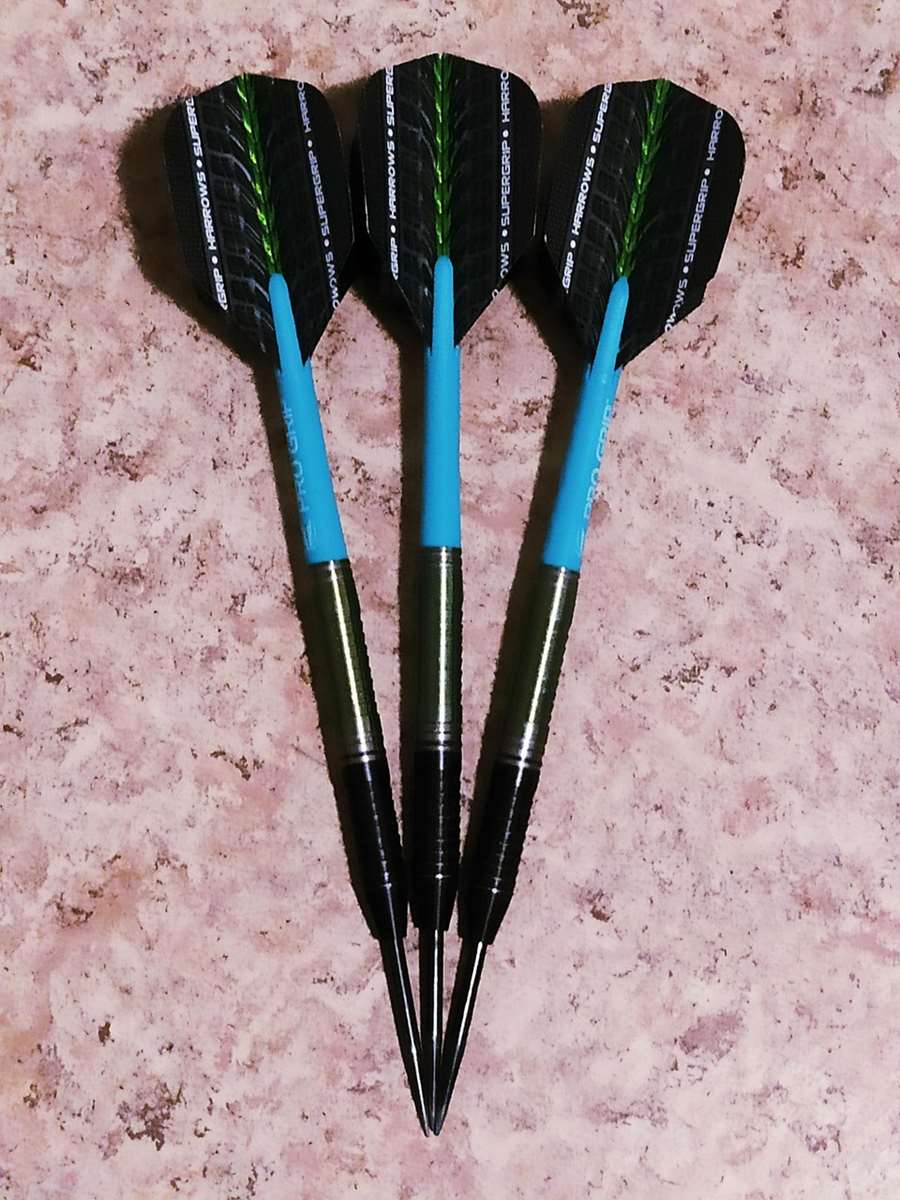
Your equipment can also be modified to improve your game and enjoyment. Consider these points:
- Dart Weight and Balance: Experiment with different dart weights and balance points to find what feels most comfortable and accurate.
- Flight Shape and Material: Try different flight shapes and materials to optimize dart trajectory and stability.
- Shaft Length and Material: Adjust shaft length and material to fine-tune dart aerodynamics and reduce wobble.
Advanced Tactics for Modified Darts Games
Once you’ve mastered the basics of **adjusting dart game rules**, consider exploring more advanced tactics to elevate your modified dart games. These tactics are particularly useful when **modifying existing darts games fun** for experienced players seeking new challenges:
Doubles and Checkout Strategies
Mastering checkout strategies is essential for competitive darts. Explore different checkout combinations and learn how to set yourself up for an efficient finish. Incorporate specific checkout challenges into your modified dart games to enhance skill development.
Mental Game and Focus
Darts is as much a mental game as it is a physical one. Practice techniques for maintaining focus, managing pressure, and overcoming mental blocks. Consider incorporating mental exercises into your dart practice routine.
Analyzing Opponent Tendencies
Pay attention to your opponents’ tendencies and patterns. Identify their strengths and weaknesses and adjust your strategy accordingly. Use this knowledge to your advantage and exploit their vulnerabilities. This will help in making darts games fair players.

Adapting Dart Games for Different Age Groups
When **modifying existing darts games fun**, it’s essential to consider the age and abilities of the players. Adaptations should be made to ensure the game remains engaging and enjoyable for everyone involved. Consider these points:
Young Children
For young children, consider using a softer dartboard and darts to minimize the risk of injury. Simplify the rules and scoring system to make the game more accessible and engaging. Focus on fun and participation rather than competition.
Teenagers
Teenagers may enjoy more complex dart games with competitive elements. Introduce handicap systems to level the playing field and encourage fair play. Consider incorporating themed dart nights or tournaments to add excitement and social interaction.
Adults
Adults may appreciate more strategic and challenging dart games. Explore advanced tactics, such as doubles and checkout strategies, and encourage friendly competition. Consider organizing regular dart leagues or tournaments to foster a sense of community.
Community and Social Aspects of Darts
Darts is more than just a game; it’s a community. Consider these options to foster connection:
Leagues and Tournaments
Joining a local dart league or tournament can provide opportunities to meet new people, improve your skills, and engage in friendly competition.
Online Communities
Participating in online dart communities can provide access to valuable resources, tips, and advice from experienced players around the world.
Social Dart Nights
Organizing regular social dart nights with friends and family can create a fun and engaging social environment.
The Future of Modified Darts Games
As technology continues to evolve, the possibilities for **modifying existing darts games fun** are endless. Expect to see more innovative tools, resources, and game variations emerge in the future. Embrace these advancements and continue to explore new ways to enhance the dart-playing experience.
Conclusion
**Modifying existing darts games fun** is a fantastic way to breathe new life into a classic pastime, ensuring enjoyment for players of all skill levels. By implementing simple rule adjustments, handicap systems, and creative game variations, you can tailor your dart nights to suit your specific group’s preferences. Remember to prioritize safety, consider player feedback, and embrace the community aspects of darts. So, gather your friends, grab your darts, and start experimenting with these tips to create unforgettable dart-playing experiences! Now that you’re equipped with the knowledge to transform your dart games, why not start planning your next dart night and put these modifications into action? Experiment, adapt, and most importantly, have fun! Whether it’s **adjusting dart game rules** to suit different skill levels, or creating entirely new variations, the possibilities are endless.

Hi, I’m Dieter, and I created Dartcounter (Dartcounterapp.com). My motivation wasn’t being a darts expert – quite the opposite! When I first started playing, I loved the game but found keeping accurate scores and tracking stats difficult and distracting.
I figured I couldn’t be the only one struggling with this. So, I decided to build a solution: an easy-to-use application that everyone, no matter their experience level, could use to manage scoring effortlessly.
My goal for Dartcounter was simple: let the app handle the numbers – the scoring, the averages, the stats, even checkout suggestions – so players could focus purely on their throw and enjoying the game. It began as a way to solve my own beginner’s problem, and I’m thrilled it has grown into a helpful tool for the wider darts community.