Yes, you absolutely can engage in mixing matching dart parts to create a customized dart setup that perfectly suits your throwing style! This article will guide you through the process of selecting and combining different barrels, shafts, and flights to optimize your dart performance and find your ideal balance.
⚠️ Still Using Pen & Paper (or a Chalkboard)?! ⚠️
Step into the future! The Dart Counter App handles all the scoring, suggests checkouts, and tracks your stats automatically. It's easier than you think!
Try the Smart Dart Counter App FREE!Ready for an upgrade? Click above!
The Art of Mixing Matching Dart Parts
The beauty of darts lies not only in the game itself but also in the ability to personalize your equipment. Mixing matching dart parts allows you to experiment with various components, discover what works best for you, and ultimately improve your accuracy and consistency. Think of it as tailoring a suit – a standard set of darts might fit okay, but a customized set feels like a perfect extension of your arm.
This personalization isn’t just about aesthetics; it’s about performance. Each component – the barrel, shaft, and flight – contributes to the dart’s overall weight, balance, and aerodynamic properties. Understanding how these parts interact is crucial for making informed decisions when mixing matching dart parts.
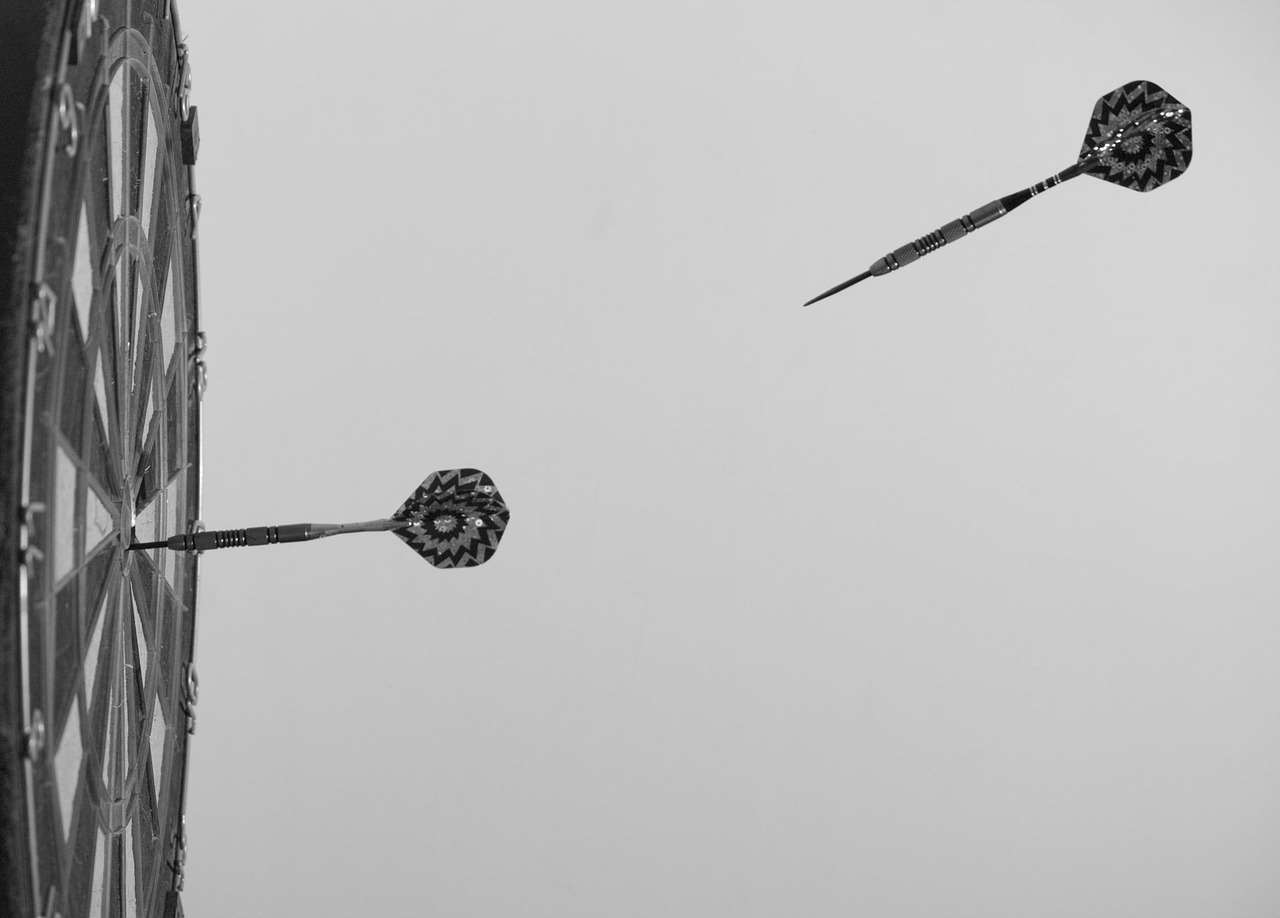
Understanding Dart Components
Before diving into the world of customization, let’s break down the essential components of a dart:
- Barrels: The barrel is the main body of the dart and is typically made of tungsten or brass. Tungsten barrels are denser, allowing for slimmer darts with the same weight, which can improve grouping. The grip style and weight of the barrel significantly impact your throwing feel.
- Shafts: Shafts, also known as stems, connect the flight to the barrel. They come in various lengths and materials, such as nylon, aluminum, and carbon fiber. The length of the shaft affects the dart’s trajectory and stability in flight. Choosing the right dart equipment starts with understanding these components.
- Flights: Flights are the wings of the dart, providing stability and drag during flight. They come in various shapes, sizes, and materials. Larger flights offer more stability, while smaller flights allow for faster dart speeds. The shape also plays a role; standard flights are common, but other shapes like kite, slim, and pear-shaped flights offer different aerodynamic characteristics.
- Points: The point is the sharp end of the dart that pierces the dartboard. Points can be fixed or replaceable and come in various lengths and styles. The point can affect how well the dart sticks in the board.
Knowing these components is crucial for any serious dart player, especially when considering mixing matching dart parts to optimize their throw.
The Impact of Different Materials
The material of each component also plays a vital role. Tungsten barrels offer a slimmer profile for tighter groupings. Aluminum shafts are durable and lightweight. Polycarbonate flights are inexpensive and come in a wide array of designs. Consider your budget and desired performance when choosing materials.
Weight and Balance: Finding Your Sweet Spot
One of the most important aspects of mixing matching dart parts is achieving the right weight and balance for your throwing style. Weight distribution influences the dart’s trajectory and how it feels in your hand. Experimenting with different barrel weights and shaft lengths is key to finding your sweet spot.
A heavier dart generally provides more stability and can be easier to control, especially for beginners. However, some players prefer lighter darts for quicker release and a more delicate feel. The balance point of the dart, determined by the distribution of weight in the barrel and the length of the shaft, also plays a crucial role. A front-weighted dart tends to fly straighter, while a rear-weighted dart may require a more pronounced arc in your throw. Finding Value Budget Dart Sets and similar topics can help in this process.
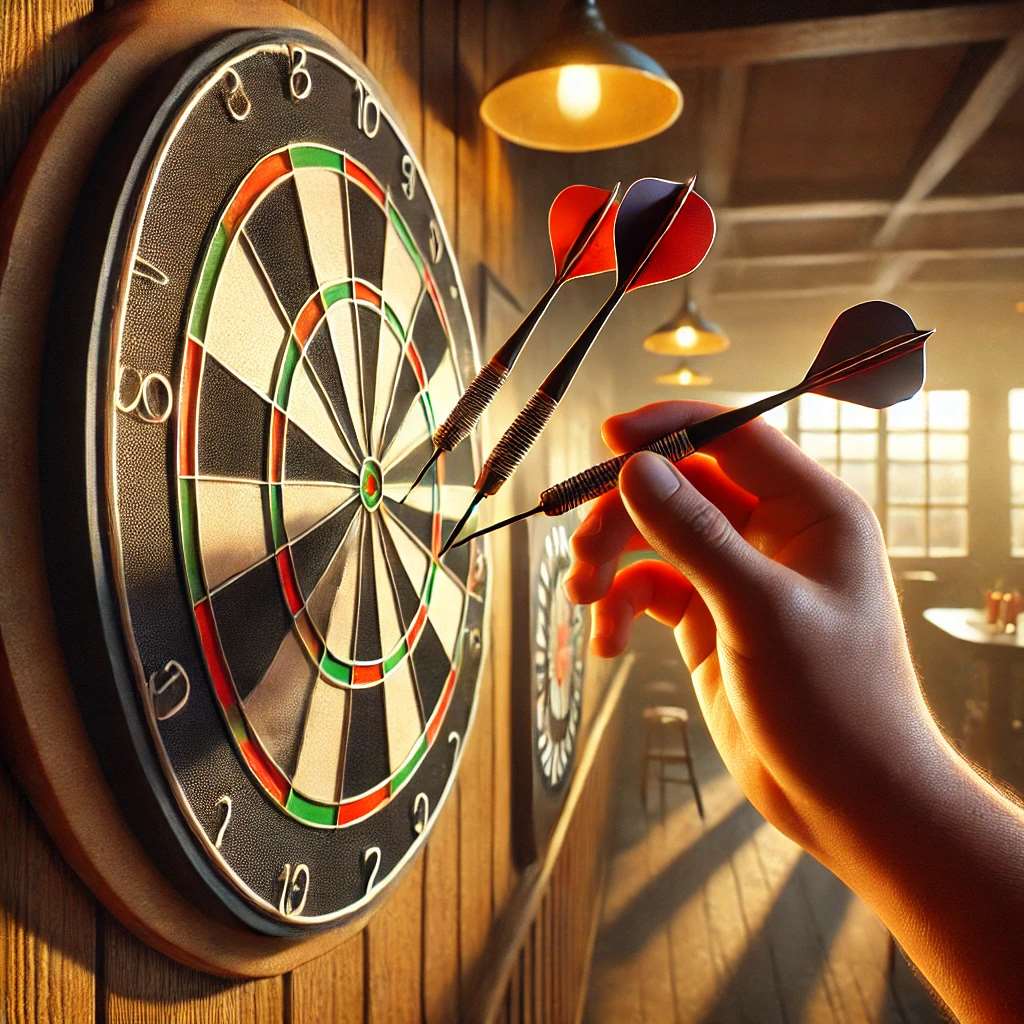
Shaft Length and Flight Shape: Fine-Tuning Your Trajectory
The length of the shaft and the shape of the flight significantly impact the dart’s trajectory and stability. Longer shafts generally create a more stable flight path, while shorter shafts can lead to faster dart speeds but may require more control. Similarly, larger flights provide more stability, while smaller flights reduce drag and can increase speed.
Consider these combinations when mixing matching dart parts:
- Long Shaft + Large Flight: Offers maximum stability, ideal for players who tend to wobble or throw with a less-than-perfect technique.
- Short Shaft + Small Flight: Provides faster dart speeds and a more direct trajectory, suitable for experienced players with a consistent and controlled throw.
- Medium Shaft + Standard Flight: A balanced combination that offers a good compromise between stability and speed, suitable for most players.
Experiment with different shaft lengths and flight shapes to see how they affect your dart’s flight path and grouping. Even small adjustments can make a big difference in your accuracy.
The Influence of Flight Material
Flight material also plays a role. Thicker flights are more durable but can add more drag, while thinner flights are more susceptible to damage but offer less resistance. Polycarbonate flights are a common choice for their durability and affordability.
Grip Style and Barrel Selection
Your grip style is another crucial factor to consider when selecting a barrel. If you prefer a firm grip, a barrel with aggressive knurling or rings may be ideal. If you have a lighter grip, a smoother barrel with less texture may be more comfortable and prevent you from squeezing the dart too tightly.
When mixing matching dart parts, think about how the barrel feels in your hand. Is it comfortable? Does it provide adequate grip? Does the weight feel balanced? Try different barrels with various grip styles to find one that complements your natural throwing motion.
The weight of the barrel also impacts your grip. Heavier barrels may require a stronger grip, while lighter barrels allow for a more relaxed hold. Experiment with different barrel weights to find the optimal balance between control and comfort.
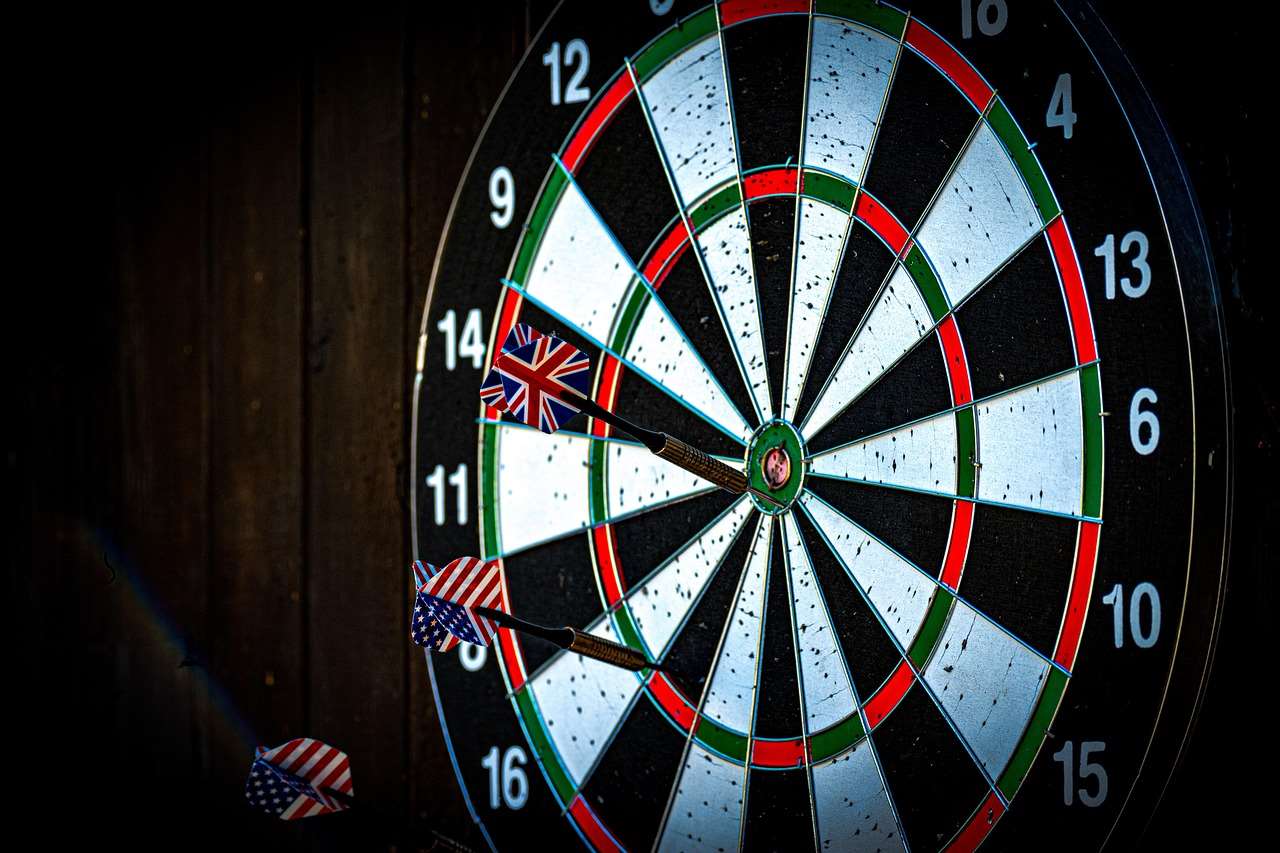
Common Mistakes When Mixing Matching Dart Parts
While experimenting with different components is encouraged, there are a few common mistakes to avoid:
- Ignoring Balance: Simply selecting parts based on aesthetics or perceived quality can lead to an unbalanced dart that is difficult to control. Always consider how the weight and balance of the dart are affected by each component.
- Overlooking Grip: Choosing a barrel with an unsuitable grip style can lead to discomfort and inconsistent throws. Prioritize comfort and grip security when selecting a barrel.
- Neglecting Flight Stability: Selecting flights that are too small for your throwing style can result in an unstable dart that wobbles or veers off course. Ensure that your flights provide adequate stability for your throw.
- Not Experimenting Enough: Don’t be afraid to try different combinations of parts. The key to mixing matching dart parts is experimentation and finding what works best for you.
Advanced Customization Techniques
Once you have a solid understanding of the basic components and their interactions, you can explore more advanced customization techniques. This might involve:
- Using Point Protectors: These small accessories protect your dart points from damage and can also slightly alter the balance of the dart.
- Adding O-Rings: O-rings can be placed on the shaft threads to prevent them from loosening during play.
- Adjusting Shaft Length with Spacers: Some players use small spacers to fine-tune the length of their shafts.

Budget Considerations When Mixing Matching Dart Parts
Mixing matching dart parts doesn’t have to break the bank. While premium components can offer improved performance and durability, there are also many affordable options available. Consider starting with a budget-friendly set of darts and gradually upgrading individual components as needed. Buying Guide Budget Premium Dart Sets offers excellent starting points for quality, yet affordable, options.
Look for sales and discounts on dart parts. Many online retailers offer promotional deals on various components. Consider buying in bulk to save money on flights and shafts.
Premium vs. Budget: What’s the Difference?
Premium dart parts often feature higher-quality materials, more precise machining, and enhanced durability. Tungsten barrels, for example, are denser and offer a slimmer profile compared to brass barrels. Premium shafts may be made of carbon fiber or titanium for increased strength and reduced weight. Ultimately, Budget vs Premium Darts Compared shows that the best option depends on your skill level and budget.
Maintenance and Care for Your Customized Darts
Proper maintenance is essential for prolonging the life of your customized darts. Regularly clean your barrels with a soft cloth to remove dirt and grime. Check your shafts for damage and replace them as needed. Replace your flights when they become worn or torn. Investing In Premium Dart Equipment also implies taking good care of them.
Store your darts in a protective case to prevent damage during transport. Avoid throwing your darts at hard surfaces, as this can damage the points and barrels.
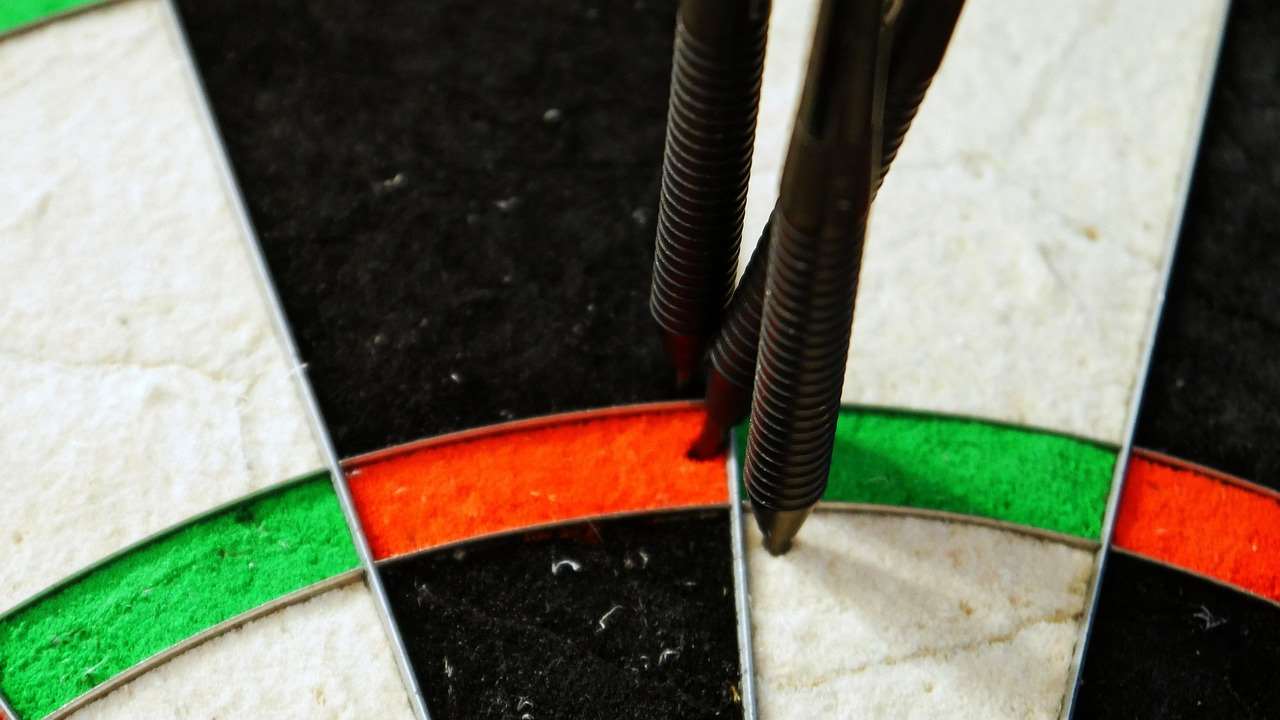
Conclusion: Tailoring Your Darts for Peak Performance
Mixing matching dart parts is a rewarding process that allows you to create a dart setup perfectly tailored to your individual throwing style. By understanding the impact of different components, experimenting with various combinations, and considering your grip and throwing technique, you can optimize your dart’s performance and improve your accuracy on the oche. Don’t be afraid to experiment and find what works best for you. The perfect dart setup is out there, waiting to be discovered! So, dive in, explore the possibilities, and elevate your dart game to the next level! Ready to take the next step? Browse our selection of dart parts today and start building your dream dart set!

Hi, I’m Dieter, and I created Dartcounter (Dartcounterapp.com). My motivation wasn’t being a darts expert – quite the opposite! When I first started playing, I loved the game but found keeping accurate scores and tracking stats difficult and distracting.
I figured I couldn’t be the only one struggling with this. So, I decided to build a solution: an easy-to-use application that everyone, no matter their experience level, could use to manage scoring effortlessly.
My goal for Dartcounter was simple: let the app handle the numbers – the scoring, the averages, the stats, even checkout suggestions – so players could focus purely on their throw and enjoying the game. It began as a way to solve my own beginner’s problem, and I’m thrilled it has grown into a helpful tool for the wider darts community.