The minimum ceiling height needed for a comfortable **darts setup** is generally around 8 feet. This allows for ample clearance for both the dartboard and the thrower. In this article, we’ll delve into the specifics of **minimum ceiling height darts setup**, explore factors affecting this requirement, and provide tips for optimizing your dart playing experience.
⚠️ Still Using Pen & Paper (or a Chalkboard)?! ⚠️
Step into the future! The Dart Counter App handles all the scoring, suggests checkouts, and tracks your stats automatically. It's easier than you think!
Try the Smart Dart Counter App FREE!Ready for an upgrade? Click above!
Understanding the Importance of Minimum Ceiling Height for Darts
Why is understanding the **minimum ceiling height darts setup** crucial? It’s about more than just avoiding hitting the ceiling. A low ceiling can significantly impact your throwing motion, posture, and overall enjoyment of the game. Insufficient headroom can lead to:
- Restricted Throwing Motion: You might have to alter your natural throwing stance or arm swing to avoid hitting the ceiling.
- Poor Posture: Constantly bending or crouching can strain your back and neck, leading to discomfort and potentially affecting your accuracy.
- Damage to the Ceiling: Stray darts can easily damage your ceiling, requiring repairs.
- Distraction and Frustration: Worrying about hitting the ceiling can take your focus away from the game.
Therefore, properly assessing the ceiling height is a vital first step for any **darts enthusiast**.
Determining Your Ideal Dartboard Placement
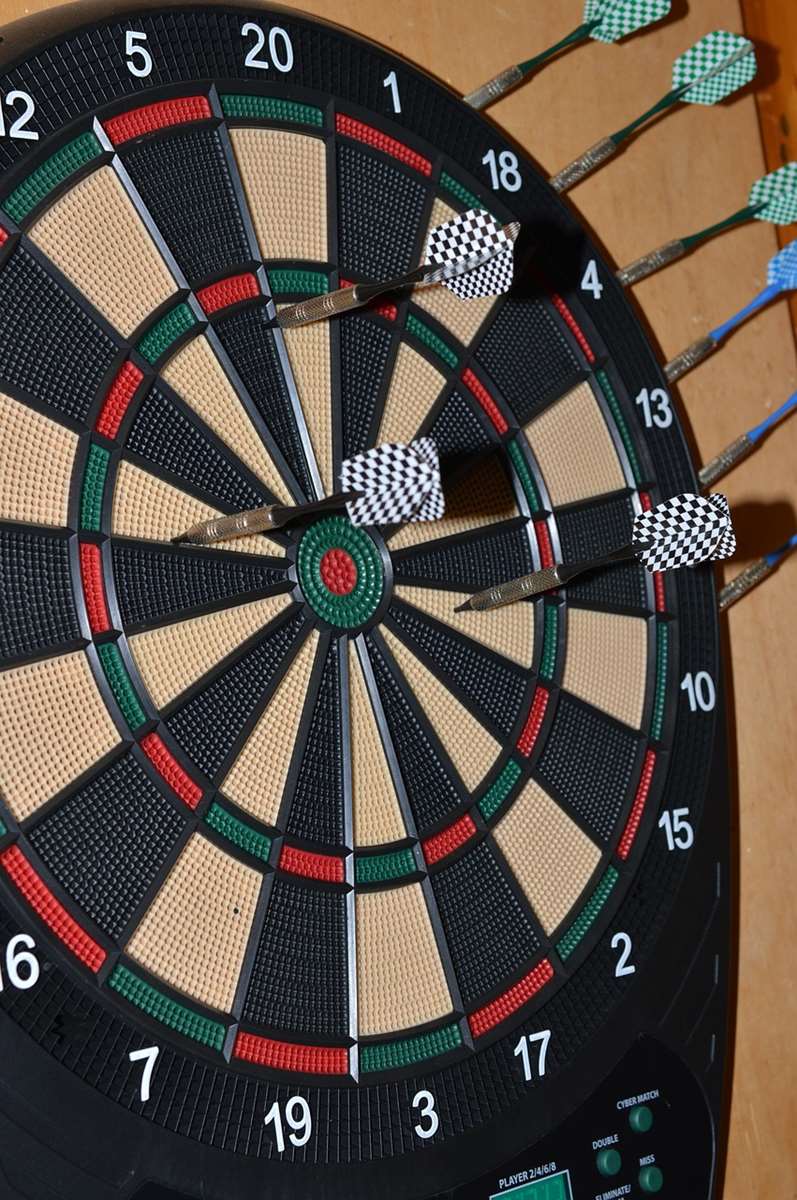
Before worrying about the ceiling, let’s talk about overall dartboard placement. The official height of the dartboard (bullseye) is 5 feet 8 inches from the floor. The throwing line (oche) should be 7 feet 9 1/4 inches from the face of the dartboard. These standard measurements are fundamental, but individual preferences and the **available space** can influence the fine-tuning.
Consider these factors when determining dartboard placement:
- Wall Type: A solid wall is ideal. If you’re mounting to drywall, use a backing board for added support.
- Lighting: Ensure adequate lighting to illuminate the dartboard without creating glare.
- Surround Protection: Invest in a dartboard surround to protect your wall from stray darts.
- Floor Covering: A dart mat can protect your floor and provide a designated throwing area.
Now, back to the **minimum ceiling height darts setup**. With these initial considerations in place, we can better assess the impact of the ceiling on your setup.
How to Measure Ceiling Height Accurately
Before you even think about mounting your dartboard, grab a measuring tape and get an accurate reading of your ceiling height. Here’s how:
- Use a Sturdy Measuring Tape: Avoid flimsy tapes that can bend or sag.
- Measure in Multiple Spots: Ceiling heights can vary slightly, especially in older homes. Measure in the center of the room and near the walls.
- Account for Obstructions: If you have ceiling fans, light fixtures, or other obstructions, factor them into your calculations. You need clearance for your throw *and* for those obstacles.
After measuring, compare your ceiling height to the generally recommended **minimum ceiling height darts setup**, which, as stated earlier, is typically around 8 feet. If your ceiling is lower than 8 feet, don’t despair! We’ll explore solutions later in this article.
Addressing Low Ceiling Challenges: Solutions and Workarounds
What if your ceiling height is below the ideal 8 feet for a **minimum ceiling height darts setup**? Here are some potential solutions and workarounds:
- Adjust Your Stance: Experiment with a slightly modified stance. You might need to stand a bit further back or adjust your arm angle. However, be careful not to drastically alter your form. Practicing Basic Darts Fundamentals for Beginners will help you determine the best stance for you.
- Lower the Dartboard (Slightly): While not ideal, you can slightly lower the dartboard. This is only recommended as a last resort and should be done in small increments to avoid significantly affecting your accuracy.
- Consider a Different Room: If possible, explore other rooms in your home that might have higher ceilings. Basements, garages, or even larger living rooms might be better options.
- Optimize Lighting: Ensure adequate lighting. This can sometimes help to minimize the feeling of claustrophobia that a low ceiling might induce.
- Focus on a Compact Throw: Try to develop a more compact and controlled throwing motion. This may involve shortening your backswing slightly.
Remember, safety is paramount. Ensure that any adjustments you make don’t compromise your safety or the safety of others playing darts with you. Even with a **minimum ceiling height darts setup**, safety should always come first.
The Impact of Player Height on Ceiling Height Requirements
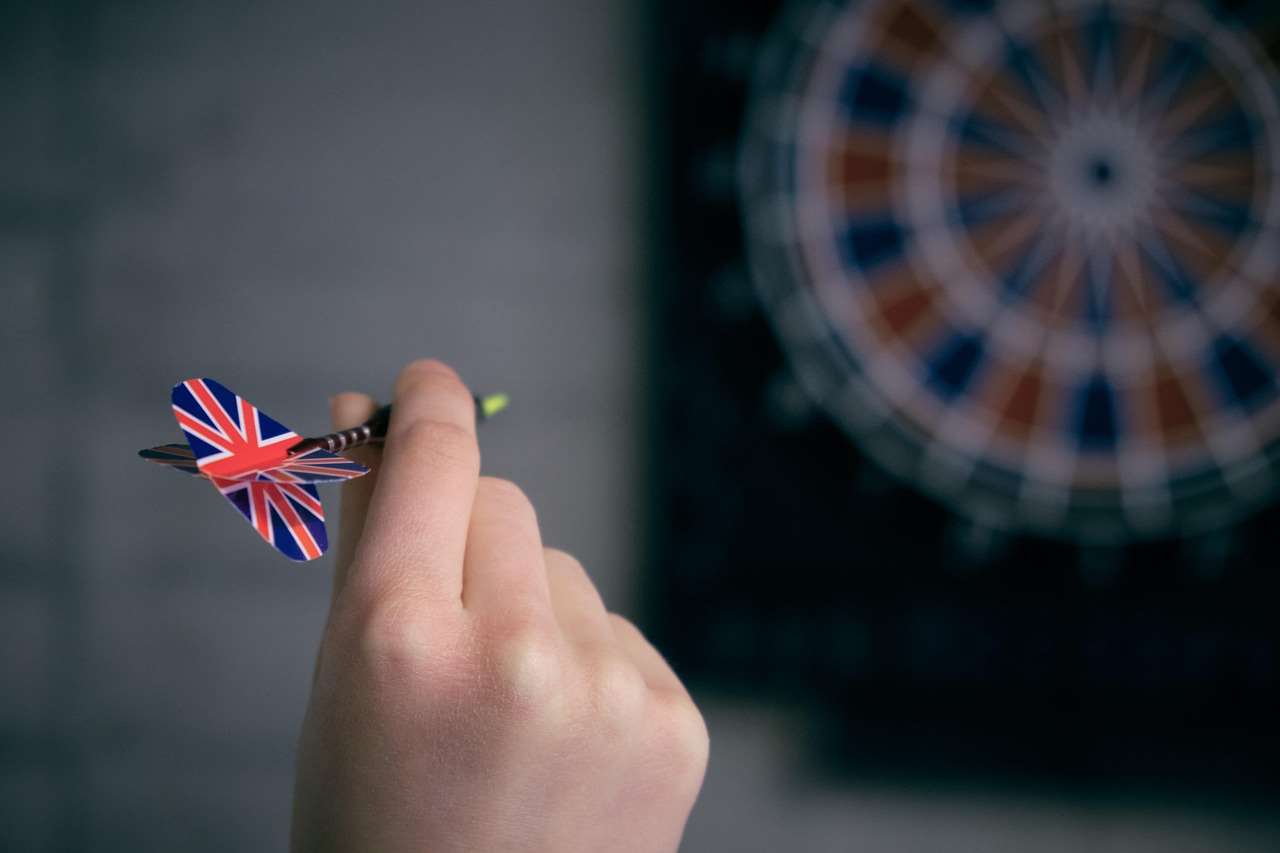
While the **minimum ceiling height darts setup** is a general guideline, a player’s height also plays a crucial role. Taller players will naturally require more vertical space for their throwing motion. Here’s why:
- Arm Extension: Taller players typically have longer arms, requiring more room for full extension during the throw.
- Release Point: The release point of the dart is usually higher for taller players.
- Follow-Through: The follow-through motion of the arm can also extend further upwards.
If you are a taller player, or if you have taller players who will be using your dartboard, it’s essential to err on the side of caution and ensure you have sufficient ceiling height. You might even need slightly more than the standard 8 feet for comfortable play. Consider how Adapting darts rules for small spaces: tips and tricks can help make the game more enjoyable even in areas with less space. Consider this especially if you have a particularly challenging space.
Essential Accessories and Their Impact on Space Requirements
Beyond the dartboard itself, several accessories can influence the overall space requirements for your darts setup. These include:
- Dartboard Surround: A dartboard surround protects your wall from stray darts. While it doesn’t directly affect ceiling height, it does add to the overall footprint of the setup.
- Dart Mat: A dart mat provides a designated throwing area and protects your floor. It also helps to maintain the correct throwing distance.
- Lighting: As mentioned earlier, proper lighting is crucial. Ensure your lighting fixtures don’t interfere with your throwing motion or ceiling height.
- Cabinet or Stand: If you’re using a dartboard cabinet or stand, consider its dimensions and how it will fit into your space.
When planning your **minimum ceiling height darts setup**, take these accessories into account to ensure a comfortable and functional playing environment. Selecting the right accessories is crucial for optimizing your game.
Safety Considerations for a Minimum Ceiling Height Darts Setup
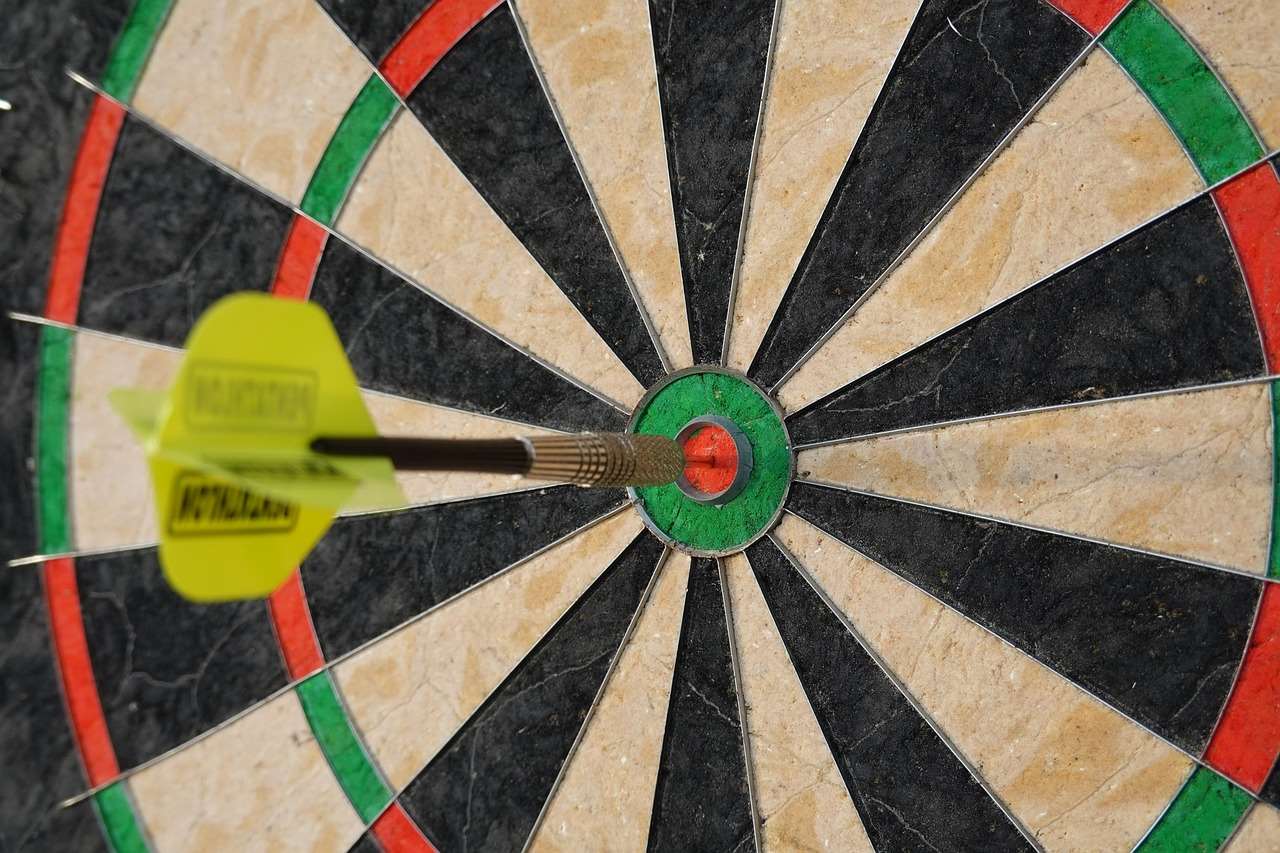
Safety is paramount, especially when dealing with sharp objects like darts. Here are some essential safety considerations for a **minimum ceiling height darts setup**:
- Clearance: Ensure there is adequate clearance around the dartboard, free from obstacles or hazards.
- Lighting: Proper lighting is essential for visibility and safety.
- Supervision: Supervise children when they are playing darts.
- Dart Maintenance: Regularly inspect your darts for any damage or wear.
- First Aid: Keep a basic first aid kit nearby in case of accidents.
By prioritizing safety, you can ensure that your darts setup is both enjoyable and accident-free. Remember, Alternative darts rules for home play exist to improve play even further.
Optimizing Your Darts Setup for Limited Space
Even with a **minimum ceiling height darts setup**, you can optimize your space to create a more enjoyable playing experience. Here are some tips:
- Maximize Vertical Space: Utilize vertical space by mounting your dartboard higher if necessary.
- Minimize Clutter: Keep the area around the dartboard free from clutter.
- Use Space-Saving Accessories: Opt for compact dartboard cabinets or stands.
- Foldable Dartboards: If space is really tight, you might consider a foldable dartboard setup that can be easily stored away when not in use.
Understanding Local Regulations and Building Codes
While unlikely, it’s worth briefly mentioning that some local regulations or building codes might have specific requirements related to recreational spaces. This is primarily relevant if you are undertaking significant renovations or construction. However, in most residential scenarios, you won’t encounter any specific code related to a **minimum ceiling height darts setup**. It’s always best to check with your local authorities if you have any doubts. Consider that sometimes, Fun dart game variations with modified rules improve the fun of the game.
Maintaining Your Darts Setup
Once you’ve established your **minimum ceiling height darts setup**, regular maintenance is key to ensuring its longevity and optimal performance. Here are some tips:
- Rotate Your Dartboard: Regularly rotating your dartboard helps to distribute wear evenly.
- Clean Your Dartboard: Clean your dartboard with a soft brush to remove dust and debris.
- Sharpen Your Darts: Keep your darts sharp to ensure they stick properly in the dartboard.
- Replace Worn Components: Replace any worn or damaged components, such as dart flights or shafts.
Proper maintenance will not only extend the life of your darts setup but also improve your overall playing experience.
Conclusion
Establishing the ideal **minimum ceiling height darts setup** is crucial for a comfortable and enjoyable playing experience. While 8 feet is generally recommended, individual factors such as player height and room constraints should be considered. By carefully measuring your space, addressing potential challenges, and prioritizing safety, you can create a darts setup that perfectly suits your needs. Remember to regularly maintain your equipment and adapt your approach to ensure continued enjoyment of the game. Now that you’re armed with this knowledge, go forth and create the perfect darts haven in your home! If you’re a beginner, check out more about Basic Darts Fundamentals for Beginners.

Hi, I’m Dieter, and I created Dartcounter (Dartcounterapp.com). My motivation wasn’t being a darts expert – quite the opposite! When I first started playing, I loved the game but found keeping accurate scores and tracking stats difficult and distracting.
I figured I couldn’t be the only one struggling with this. So, I decided to build a solution: an easy-to-use application that everyone, no matter their experience level, could use to manage scoring effortlessly.
My goal for Dartcounter was simple: let the app handle the numbers – the scoring, the averages, the stats, even checkout suggestions – so players could focus purely on their throw and enjoying the game. It began as a way to solve my own beginner’s problem, and I’m thrilled it has grown into a helpful tool for the wider darts community.