Getting the oche distance correct is crucial for fair and enjoyable dart games; the standard distance ensures consistency and accuracy. This article provides a comprehensive guide on measuring oche distance for sisal board setups, covering everything from standard measurements and tools to troubleshooting common problems and variations for different players. You’ll learn how to accurately measure, mark, and maintain the proper distance for optimal dart playing.
⚠️ Still Using Pen & Paper (or a Chalkboard)?! ⚠️
Step into the future! The Dart Counter App handles all the scoring, suggests checkouts, and tracks your stats automatically. It's easier than you think!
Try the Smart Dart Counter App FREE!Ready for an upgrade? Click above!
Why Accurate Oche Distance Matters
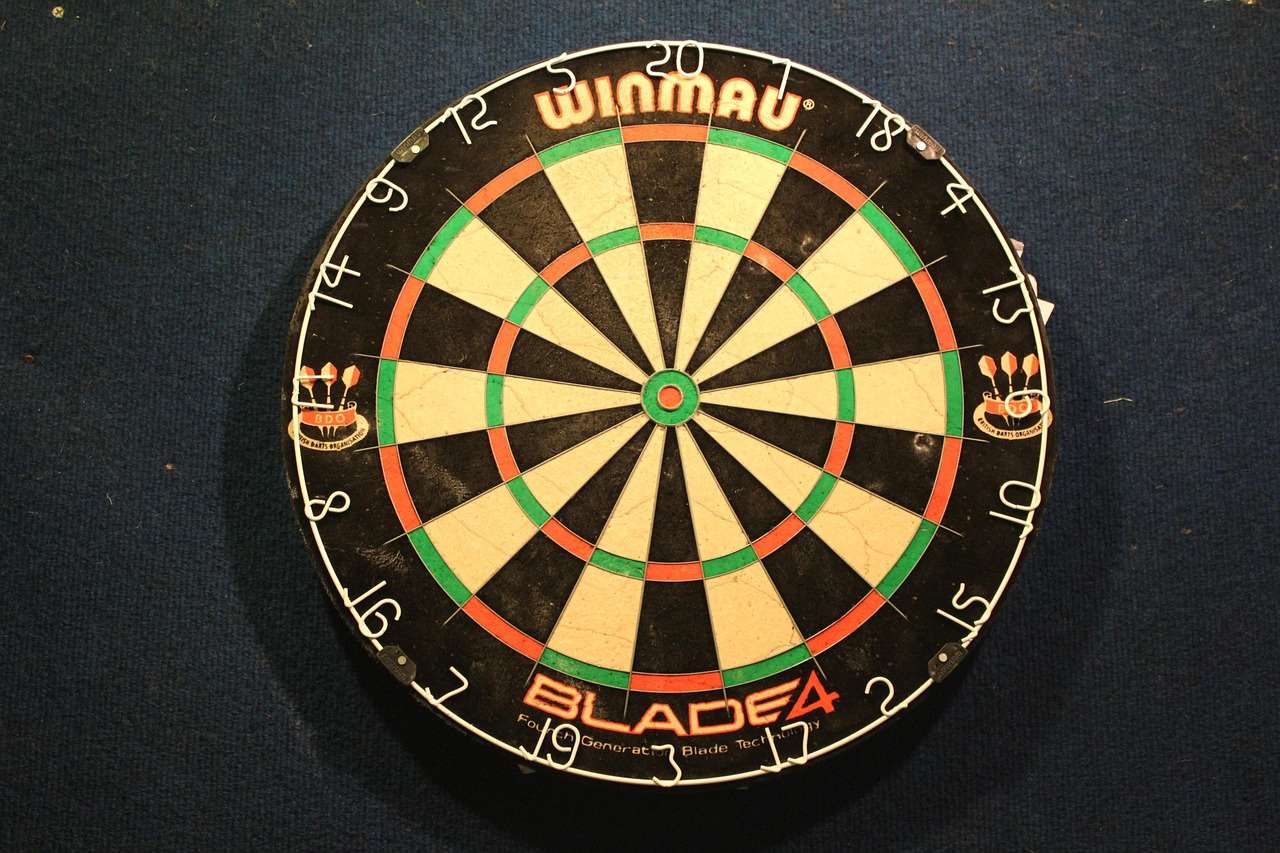
The oche, also known as the throw line or toe line, is the designated mark from which players throw their darts. Precise measuring oche distance for sisal board setups isn’t just about following rules; it’s fundamental to the game’s integrity and a player’s performance. A distance that’s too short gives the thrower an unfair advantage, while a distance that’s too long can put unnecessary strain on their throwing arm. Consistency is vital in darts, and this consistency begins with a properly measured oche.
Moreover, the standard oche distance is designed to accommodate a wide range of player heights and throwing styles. Deviating from this standard can negatively impact a player’s form and accuracy, especially for seasoned players accustomed to the regulation distance. Ignoring the correct distance also undermines the competitive spirit and fairness of the game.
Standard Oche Distance for Sisal Dartboards
The official standard oche distance for sisal board setups, according to most dart organizations, is as follows:
- Horizontal Distance: 7 feet 9 1/4 inches (2.37 meters) measured from the face of the dartboard (the playing surface) directly to the oche.
- Diagonal Distance: 9 feet 7 3/8 inches (2.93 meters) from the bullseye (center of the dartboard) to the oche. This is often the preferred method as it accounts for both the height and horizontal distance.
It’s essential to remember that these are the standard measurements. Some leagues or tournaments might have slightly different rules, so it’s always a good idea to double-check the specific regulations before playing.
Tools Needed for Accurate Measurement
To ensure accurate measuring oche distance for sisal board, you’ll need the right tools:
- Measuring Tape: A retractable metal measuring tape that is at least 10 feet long is recommended.
- Level: Use a small level to guarantee the dartboard is hung perfectly vertical.
- Plumb Bob (Optional): A plumb bob can help find the exact point on the floor directly below the bullseye.
- Pencil or Marker: To mark the oche on the floor.
- Measuring Square (Optional): A T-square can help ensure your horizontal measurement is perfectly perpendicular to the dartboard.
Step-by-Step Guide to Measuring Oche Distance For Sisal Board
Follow these steps for precise measuring oche distance for sisal board:
- Mount the Dartboard: Ensure the dartboard is mounted correctly with the bullseye exactly 5 feet 8 inches (1.73 meters) from the floor. Use a level to confirm it’s vertical.
- Horizontal Measurement: Place the end of your measuring tape against the face of the dartboard (not the wall). Extend the tape measure 7 feet 9 1/4 inches (2.37 meters) horizontally away from the board. Mark this spot on the floor. Use a measuring square to guarantee the 90-degree angle if needed.
- Diagonal Measurement (Alternative): Using the Pythagorean theorem, some players prefer the diagonal method. Measure from the bullseye to the spot on the floor 9 feet 7 3/8 inches (2.93 meters) away. This method inherently accounts for the vertical height of the board.
- Mark the Oche: Use your pencil or marker to draw a clear line at the marked spot on the floor. This is your oche. It should be at least 1-2 feet wide for comfortable foot placement.
- Verify the Measurement: Double-check your measurements to ensure accuracy. It’s better to be slightly off than to play with an incorrect distance.
- Secure the Oche: You can use tape, a piece of wood, or even a commercially available oche mat to clearly define the throwing line. Ensure it’s securely in place to prevent movement.
Common Mistakes and How to Avoid Them
Even with the best intentions, mistakes can happen. Here are some common errors to watch out for when measuring oche distance for sisal board:
- Incorrect Dartboard Height: If the dartboard isn’t mounted at the correct height (5 feet 8 inches to the bullseye), the horizontal measurement will be off. Always verify dartboard height first.
- Measuring from the Wall, Not the Board: The measurement is from the *face* of the dartboard, not the wall behind it. This can add a significant error, especially if the board is thick.
- Slanted Measurements: Ensure your measuring tape is perfectly horizontal (or diagonal, depending on the method you’re using). A slight slant can throw off the accuracy.
- Not Securing the Oche: A loose or moving oche line will lead to inconsistent throwing and frustration. Secure it firmly to the floor.
- Ignoring Variations in Flooring: Uneven floors can affect the perceived distance. Account for any slopes or bumps when measuring.
Variations and Considerations
While the standard oche distance is widely accepted, there are a few situations where slight adjustments might be necessary:
- Junior Players: Younger or shorter players might benefit from a slightly shorter oche distance. However, it’s best to gradually acclimate them to the standard distance as they grow.
- Wheelchair Users: Adaptations are often necessary for wheelchair users. The oche line should be positioned to allow comfortable and safe throwing access.
- Personal Preference: Some players develop a preference for a slightly different distance based on their individual throwing style. While not standard, this is acceptable in casual play. However, in official tournaments, the standard distance must be adhered to. Also, you can learn about How To Light Your Dartboard for the perfect dart set up!
Maintaining the Oche
Once you’ve accurately measured and marked your oche, it’s important to maintain it. Regular maintenance will ensure consistent gameplay and prevent inaccuracies. Here are some tips:
- Check Periodically: Remeasure the distance every few months to ensure it hasn’t shifted. Especially important if you have pets or children that might bump or move the oche line.
- Replace Worn Tape: If you’re using tape to mark the oche, replace it when it becomes worn or damaged.
- Clean the Area: Keep the area around the oche clean and free of debris to prevent slipping or distractions.
- Consider a Permanent Solution: For frequent players, investing in a permanent oche marker (like a wooden strip or metal plate) can eliminate the need for constant adjustments. You can Choose Best Dart Equipment to create a perfect dart space for you.
Impact of Oche Distance on Throwing Technique
The oche distance significantly impacts your throwing technique. A proper stance and consistent release are crucial for accuracy. When the distance is incorrect, it can force you to compensate, leading to inconsistent throws and potential injuries.
For example, if the oche is too far, you might overreach, putting strain on your shoulder and affecting your release point. Conversely, if the oche is too close, you might feel cramped, limiting your throwing motion. Practicing at the correct distance allows you to develop a smooth, natural throwing motion that maximizes accuracy and minimizes the risk of injury.
The distance between the dartboard and the throw line is crucial, but so is the proper lighting. Did you know there are Types Optimal Dartboard Lighting?
Troubleshooting Oche Distance Issues
Sometimes, even after careful measurement, you might encounter issues with your oche distance. Here are some common problems and how to address them:
- Inconsistent Scores: If you’re suddenly throwing poorly despite consistent practice, double-check your oche measurement. It might have shifted without you noticing.
- Foot Discomfort: If you’re experiencing foot pain or discomfort while throwing, the oche might be too far or too close, forcing you to adopt an unnatural stance.
- Balance Problems: If you feel off-balance while throwing, the oche might be uneven or on a sloping surface. Ensure the oche is on a level surface and that your stance is stable.
Beyond the Basics: Advanced Oche Considerations
For serious dart players, optimizing the oche goes beyond just the standard measurement. Here are some advanced considerations:
- Oche Material: The material of the oche itself can affect your grip and stability. Experiment with different materials like wood, metal, or rubber to find what works best for you.
- Oche Height: While not common, some players prefer a slightly raised oche to improve their stance. This is a personal preference and is not typically allowed in official tournaments.
- Oche Angle: The angle of your foot placement relative to the oche can also impact your throwing accuracy. Experiment with different angles to find the most comfortable and consistent position.
Many different factors can affect the lighting on a dartboard and you can Reduce Dartboard Shadows Effectively.
The Importance of Consistency and Practice
Ultimately, the key to success in darts is consistency. Measuring oche distance for sisal board correctly is the first step, but it’s equally important to practice regularly at the correct distance to develop muscle memory and a consistent throwing motion. Don’t be afraid to experiment with slight adjustments to your stance and technique, but always ensure that your oche distance is accurate and your setup is stable. Consistency is key to improving your score, and helps you master your game.
Conclusion
Accurate measuring oche distance for sisal board setups is paramount for fairness, consistency, and enjoyment in the game of darts. By following the steps outlined in this guide, you can ensure that your oche is properly measured and maintained, allowing you to focus on improving your throwing technique and achieving consistent scores. Remember to verify your measurements regularly, address any issues promptly, and prioritize consistency in your practice routine. Now that you understand the importance of correct oche distance, take the time to set up your dartboard properly and elevate your dart playing experience! Consider exploring our related articles for more tips and techniques to enhance your dart game, such as the Optimal Dartboard Lighting Solutions Guide.

Hi, I’m Dieter, and I created Dartcounter (Dartcounterapp.com). My motivation wasn’t being a darts expert – quite the opposite! When I first started playing, I loved the game but found keeping accurate scores and tracking stats difficult and distracting.
I figured I couldn’t be the only one struggling with this. So, I decided to build a solution: an easy-to-use application that everyone, no matter their experience level, could use to manage scoring effortlessly.
My goal for Dartcounter was simple: let the app handle the numbers – the scoring, the averages, the stats, even checkout suggestions – so players could focus purely on their throw and enjoying the game. It began as a way to solve my own beginner’s problem, and I’m thrilled it has grown into a helpful tool for the wider darts community.