To ensure fair play and consistent practice, measuring dartboard height correctly is crucial: the bullseye should be exactly 5 feet 8 inches (1.73 meters) from the floor. This article provides a comprehensive guide on achieving perfect dartboard placement and covers related aspects like throw line distance and room setup.
⚠️ Still Using Pen & Paper (or a Chalkboard)?! ⚠️
Step into the future! The Dart Counter App handles all the scoring, suggests checkouts, and tracks your stats automatically. It's easier than you think!
Try the Smart Dart Counter App FREE!Ready for an upgrade? Click above!
Why Accurately Measuring Dartboard Height Correctly Matters
Getting the dartboard height wrong can seem insignificant, but it has a profound impact on your game and the playing experience for everyone. Incorrect height affects your throwing stance, aiming point, and overall accuracy. Think of it like this: would you play basketball with a hoop that’s not at the regulation height? The same principle applies to darts. Maintaining the standard height ensures fair competition and allows you to develop consistent muscle memory. Plus, sticking to the rules ensures that your practice translates effectively to any official match.
Moreover, improperly measuring dartboard height correctly can lead to bad habits. If you’re constantly compensating for a board that’s too high or too low, you’re developing a flawed throwing motion that will be difficult to correct later on. Take the time to do it right from the start and reap the rewards of consistent, accurate throws.
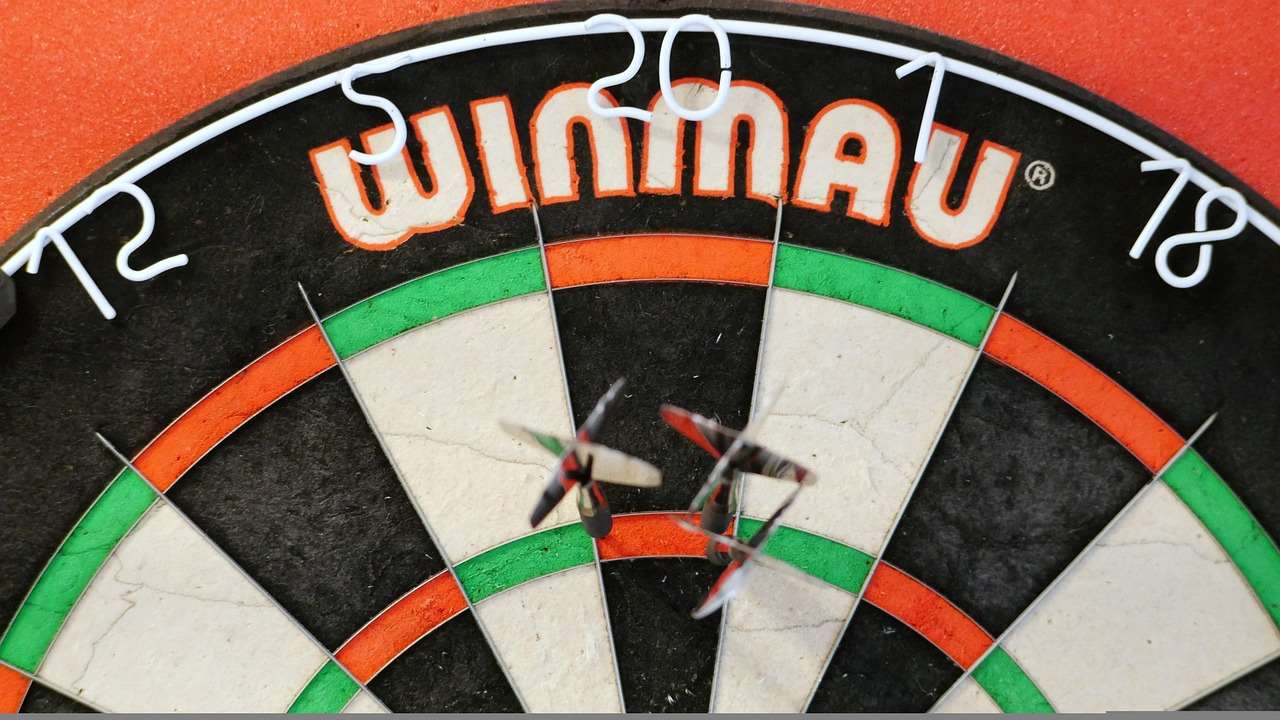
Step-by-Step Guide: Measuring Dartboard Height Correctly
Follow these simple steps to guarantee your dartboard is mounted at the precise, regulation height:
- Gather Your Tools: You’ll need a tape measure (preferably one that’s easy to read), a pencil, a level, a drill, and mounting hardware appropriate for your wall type.
- Locate the Bullseye: The most important point is the center of the bullseye. This is what needs to be 5 feet 8 inches from the floor.
- Measure and Mark: Use your tape measure to find 5 feet 8 inches (1.73 meters) from the floor. Make a clear and visible mark on the wall with your pencil at this height.
- Mount the Dartboard Bracket: Position the mounting bracket so that the center hole (where the dartboard will hang) aligns perfectly with the mark you made. Use a level to ensure the bracket is straight before drilling any holes.
- Attach the Dartboard: Carefully hang the dartboard onto the bracket. Ensure it’s securely fastened and doesn’t wobble.
- Double-Check: Remeasure from the floor to the center of the bullseye to confirm it’s still at 5 feet 8 inches. If necessary, make minor adjustments to the bracket.
It’s crucial to use a reliable tape measure and to be precise with your measurements. Even a small error can affect your throwing accuracy. Don’t rush the process; take your time and ensure everything is perfectly aligned.
Related Considerations: Throw Line Distance and Dartboard Setup
Measuring dartboard height correctly is only half the battle. The throw line, also known as the oche, is equally important. The official distance from the front of the dartboard (the playing surface) to the throw line is 7 feet 9 1/4 inches (2.37 meters). For steel-tip darts. Make sure to measure this distance accurately as well.
For soft-tip darts, the distance is slightly longer, usually around 8 feet. Always check the specific regulations for the type of darts you’re playing.
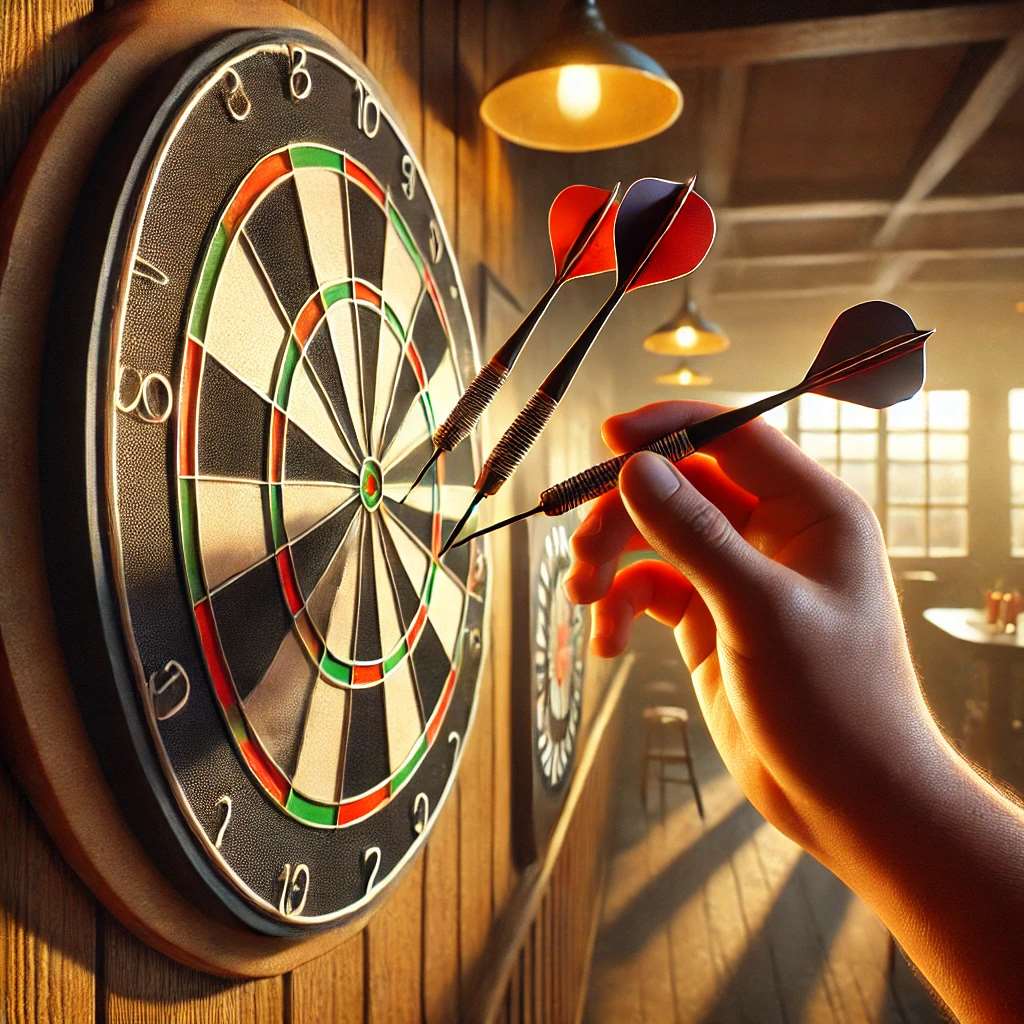
Beyond Height and Distance: Creating the Ideal Dartboard Setup
Beyond just height and distance, consider these factors for a complete dartboard setup:
- Lighting: Proper lighting is essential for clear visibility and reducing shadows. Optimal Dartboard Lighting Solutions Guide will provide information on the best methods. Consider investing in a dedicated dartboard lighting system.
- Surround: Protect your walls from stray darts with a dartboard surround. This is especially important if you’re playing in a finished room.
- Flooring: A dart mat can protect your floor from dropped darts and provide a consistent throwing surface.
- Space: Ensure you have enough space around the dartboard for players to move freely and without obstruction.
Remember, the goal is to create a comfortable and safe playing environment that allows you to focus on your game. You might also want to Choose Best Dart Equipment to complement your setup!
Common Mistakes When Measuring Dartboard Height Correctly (and How to Avoid Them)
Even with a clear guide, it’s easy to make mistakes. Here are some common pitfalls to watch out for when measuring dartboard height correctly:
- Incorrect Measurement: The most common mistake is simply measuring the wrong distance. Double-check your measurements and use a reliable tape measure.
- Uneven Surface: Make sure the floor is level before measuring. If the floor is uneven, your measurements will be inaccurate. Use a level to check the floor and compensate accordingly.
- Ignoring the Bracket: The height should be measured to the center of the bullseye *after* the dartboard is mounted on the bracket. Don’t measure to the point where you’ll mount the bracket; measure to the actual bullseye position.
- Rushing the Process: Don’t try to rush through the installation. Take your time and ensure everything is aligned correctly.
By being aware of these common mistakes, you can avoid them and ensure your dartboard is perfectly positioned.
The Impact of Incorrect Dartboard Height on Your Game
Playing with a dartboard that’s not at the regulation height can significantly hinder your progress. Here’s why:
- Inconsistent Throw: You’ll develop a throwing motion that compensates for the incorrect height, making it difficult to adapt to regulation boards.
- Reduced Accuracy: Your aiming point will be off, leading to lower scores and frustration.
- Muscle Memory Issues: Your body will become accustomed to the incorrect height, making it challenging to adjust when playing on a properly mounted board.
Investing the time and effort to ensure correct placement will pay off in the long run, leading to improved accuracy, consistency, and enjoyment of the game. Consider how Reduce Dartboard Shadows Effectively can also impact your game and the importance of lighting.
Advanced Tips for Perfect Dartboard Placement
Once you’ve mastered the basics of measuring dartboard height correctly, consider these advanced tips for a truly professional setup:
- Laser Level: For ultimate precision, use a laser level to ensure the dartboard bracket is perfectly horizontal.
- Stud Finder: Use a stud finder to locate wall studs for secure mounting. Mounting the bracket directly to a stud provides greater stability.
- Adjustable Bracket: Consider using an adjustable dartboard bracket that allows for fine-tuning of the height and alignment.
These tips will help you achieve a level of precision that elevates your dartboard setup to the next level.
Maintaining Your Dartboard Setup
After you’ve meticulously measured and installed your dartboard, it’s important to maintain it properly:
- Rotate the Dartboard: Regularly rotate the dartboard to distribute wear and tear evenly. This will prolong the life of the board.
- Clean the Dartboard: Remove any dust or debris from the dartboard with a soft brush.
- Tighten the Bracket: Periodically check the mounting bracket to ensure it’s still securely fastened.
Proper maintenance will keep your dartboard in top condition and ensure years of enjoyment.
Troubleshooting Common Dartboard Installation Problems
Encountering problems during dartboard installation is normal. Here are some common issues and their solutions:
- Dartboard Wobbles: If the dartboard wobbles, ensure the mounting bracket is securely fastened to the wall. If the wall is uneven, use shims to level the bracket.
- Darts Fall Out: If darts are frequently falling out, the dartboard may be worn out. Consider replacing the board.
- Difficulty Hitting the Bullseye: If you’re consistently missing the bullseye, double-check the height and throw line distance. Ensure you’re using proper throwing technique.
Conclusion
Measuring dartboard height correctly is paramount for consistent play, fair competition, and developing proper technique. By following the steps outlined in this guide, you can ensure your dartboard is perfectly positioned, allowing you to focus on improving your game. Remember to double-check your measurements, use proper tools, and maintain your setup regularly. So grab your tape measure, level, and darts, and get ready to enjoy the game the way it was meant to be played! Now that you know how to properly set up your dartboard, you can confidently purchase the Cabinet Lighting For Dartboards.

Hi, I’m Dieter, and I created Dartcounter (Dartcounterapp.com). My motivation wasn’t being a darts expert – quite the opposite! When I first started playing, I loved the game but found keeping accurate scores and tracking stats difficult and distracting.
I figured I couldn’t be the only one struggling with this. So, I decided to build a solution: an easy-to-use application that everyone, no matter their experience level, could use to manage scoring effortlessly.
My goal for Dartcounter was simple: let the app handle the numbers – the scoring, the averages, the stats, even checkout suggestions – so players could focus purely on their throw and enjoying the game. It began as a way to solve my own beginner’s problem, and I’m thrilled it has grown into a helpful tool for the wider darts community.