Achieving **consistency in darts** hinges significantly on the materials used, dictating the dart’s weight distribution, grip, and overall flight characteristics. This article explores the pivotal role that materials play in dart performance, covering everything from barrels and shafts to flights and points, enabling you to make informed choices that elevate your game.
⚠️ Still Using Pen & Paper (or a Chalkboard)?! ⚠️
Step into the future! The Dart Counter App handles all the scoring, suggests checkouts, and tracks your stats automatically. It's easier than you think!
Try the Smart Dart Counter App FREE!Ready for an upgrade? Click above!
Understanding the Impact of Material For Consistency In Darts
The quest for **consistency in darts** is a journey of incremental improvements, and the materials you choose for each dart component are fundamental to this process. A dart’s material influences its weight, balance, grip, and aerodynamics, all of which contribute to repeatable throws. Let’s delve into the specifics.
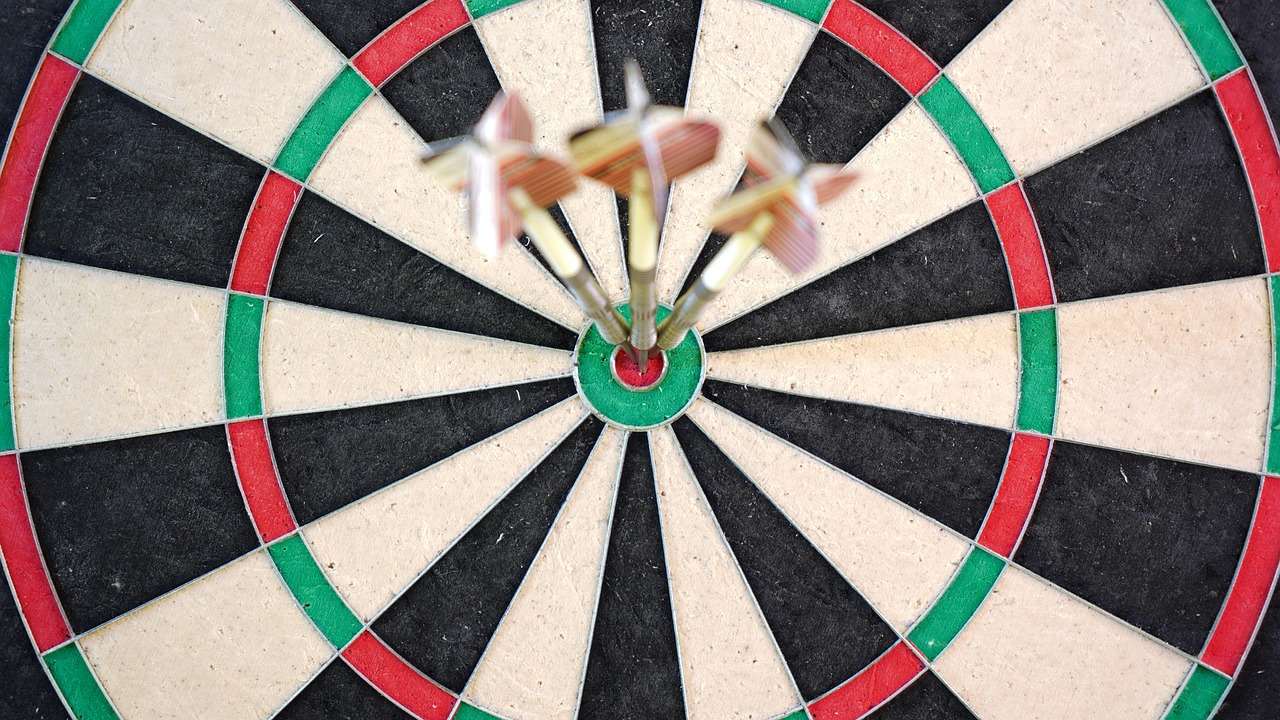
Barrel Materials: The Heart of the Dart
The barrel is arguably the most crucial part of the dart, directly impacting your grip and control. Here’s a breakdown of common barrel materials:
- Tungsten: The gold standard. Tungsten’s high density allows for slimmer barrels at a given weight, improving grouping and reducing deflections. Learn more about Tungsten Darts Pros Cons Explained.
- Brass: A more affordable option, but less dense than tungsten. Brass barrels are typically thicker, which can affect grouping, but are a good starting point for beginners.
- Nickel Silver: An alternative to brass, offering slightly better density but still not comparable to tungsten. Nickel Silver Darts Full Info provides more detailed information.
When selecting a barrel material, consider your grip style, hand size, and desired weight distribution. Remember that the material affects not only the weight, but how that weight *feels* in your hand.
Shaft Materials: Flight Stability and Durability
Dart shafts connect the barrel to the flight, influencing the dart’s trajectory. The most common shaft materials are:
- Aluminum: Durable and relatively lightweight, aluminum shafts offer good stability. However, they can bend or break upon impact.
- Nylon/Plastic: More flexible than aluminum, nylon shafts are less prone to bending but can break more easily. They are also often more affordable.
- Carbon Fiber: The premium option. Carbon fiber shafts are incredibly strong and lightweight, offering exceptional flight stability.
Shaft length also plays a role. Shorter shafts generally promote a more stable, direct flight, while longer shafts can create a more arcing trajectory. Experiment to find what works best for your throw. Ultimately, you need to Choose Best Dart Equipment that suits your style.
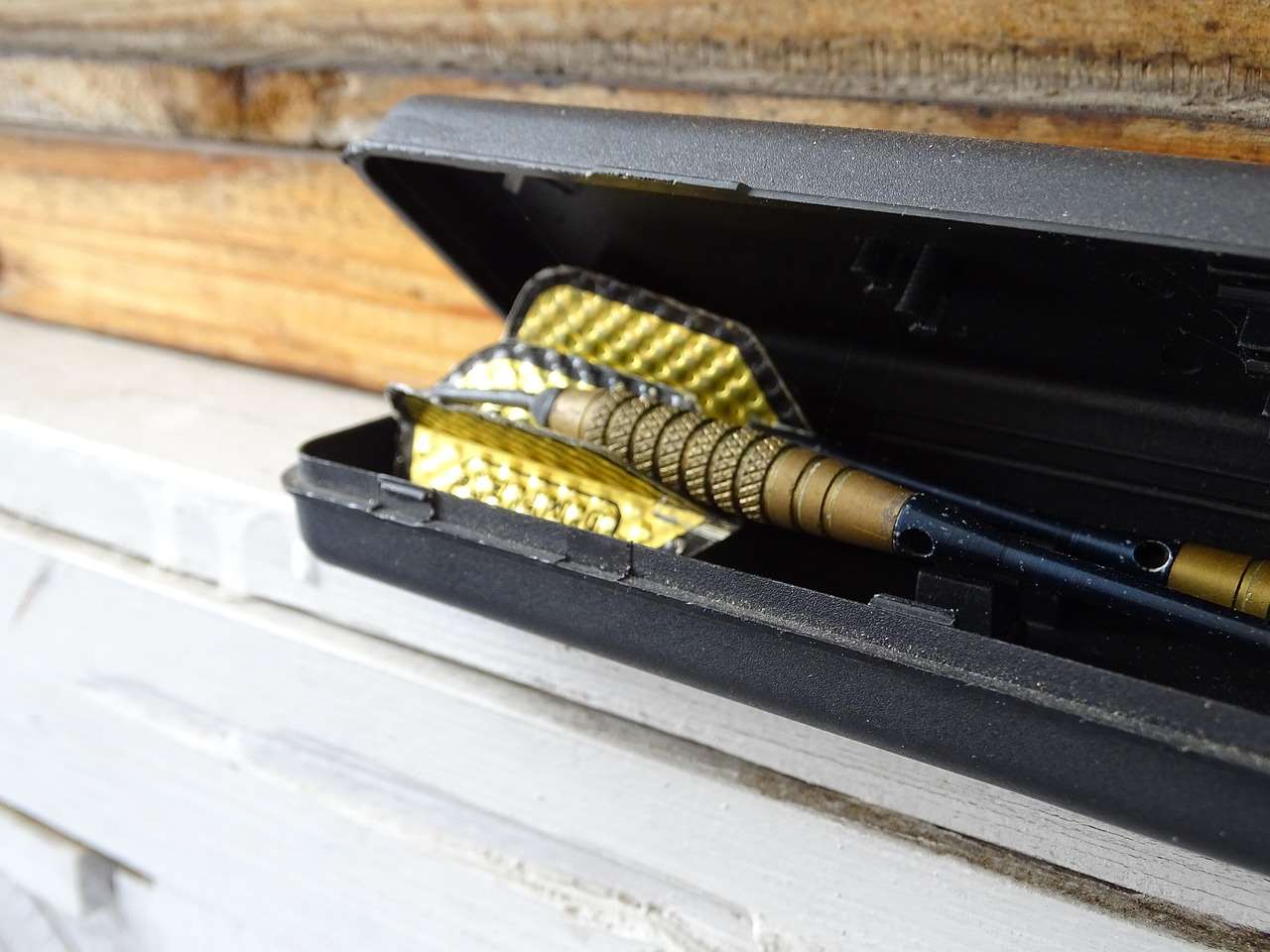
Flight Materials: Aerodynamics and Trajectory
Dart flights are responsible for stabilizing the dart in flight. The material and shape of the flight impact its aerodynamic properties.
- Polyester: The most common flight material. Polyester flights are durable and affordable, offering a good balance of performance and cost.
- Nylon: Stiffer than polyester, nylon flights provide more stability and can withstand more wear and tear.
- Plastic: Often used in molded flights, plastic flights are very durable but can be less aerodynamic than other options.
Flight shape also influences dart trajectory. Standard flights offer the most stability, while slim flights reduce drag and promote a faster flight. Experimenting with different flight shapes and materials can significantly impact your accuracy.
The Role of Weight and Balance
The weight and balance of your darts are critical factors in achieving **material for consistency in darts**. The distribution of weight across the dart affects how it feels in your hand and how it flies through the air. Here’s what you should consider:
- Front-Weighted: Darts with more weight towards the front tend to fly straighter and penetrate the board more easily.
- Center-Weighted: Offers a balanced feel, suitable for a wide range of throwing styles.
- Rear-Weighted: Can be more forgiving for players with a less consistent release, but may require more control.
Experimenting with different dart weights and balance points is crucial to finding the setup that best suits your individual throwing style. Don’t be afraid to try different combinations of barrel, shaft, and flight materials to fine-tune your dart’s performance.
Point Materials: Grip and Board Compatibility
The point of the dart plays a role in how well it adheres to the dartboard and can also influence your grip. Here’s a look at common point materials:
- Steel: The standard material for steel-tip darts, offering excellent grip and durability.
- Conversion Points (Plastic): Used to convert steel-tip darts for use on electronic dartboards.
- Textured Points: Some points feature texturing to enhance grip and reduce slippage.
Ensure your dart points are compatible with your dartboard. Dull points can lead to bounce-outs, while overly sharp points can damage the board. Regular maintenance, such as sharpening or replacing points, is essential for optimal performance.
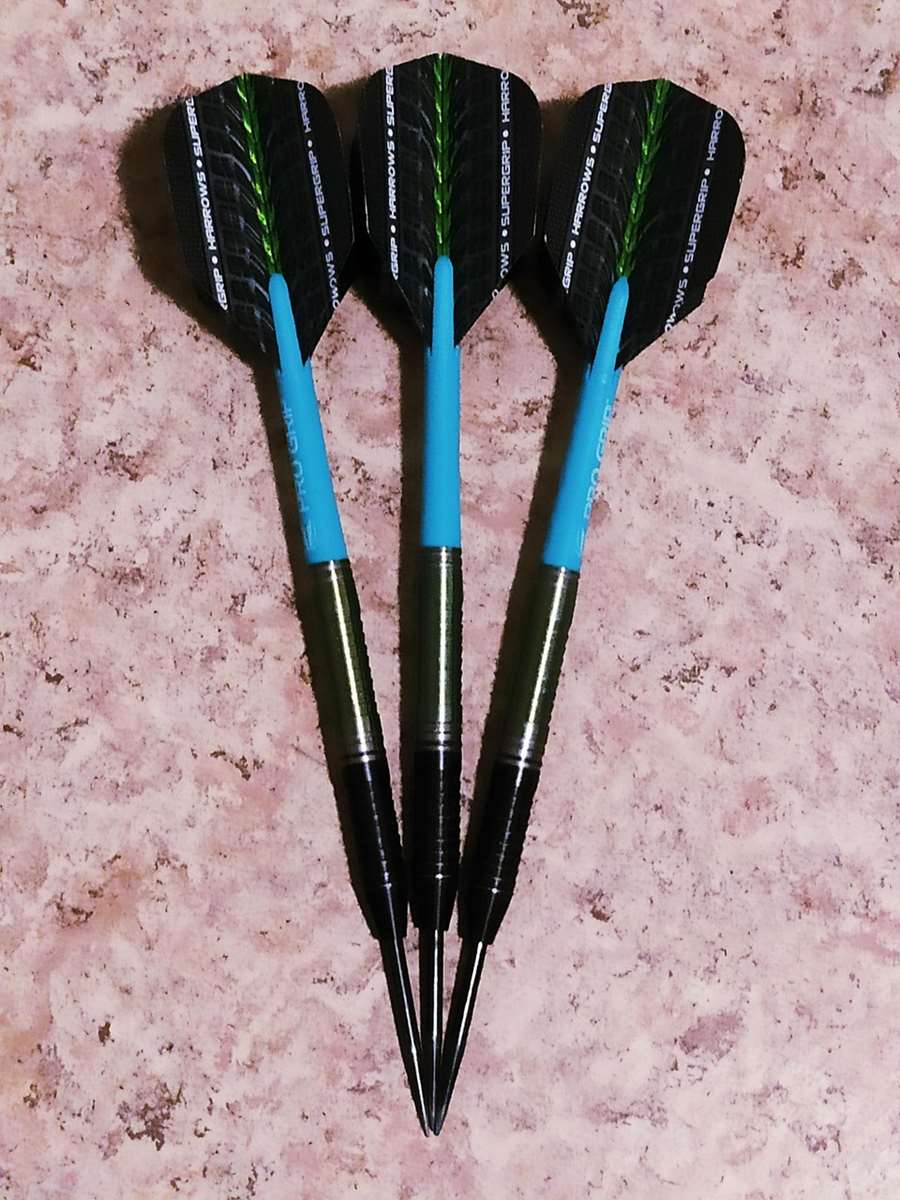
Choosing the Right Combination of Materials
Selecting the right combination of **material for consistency in darts** is a highly personal process. There is no one-size-fits-all solution. The key is to experiment with different combinations of barrel, shaft, flight, and point materials to find what feels most comfortable and produces the most consistent results for you. Some key considerations:
- Your Grip: How do you hold the dart? A thicker barrel might be better for a full-handed grip, while a slimmer barrel might suit a more fingertip-based grip.
- Your Throwing Style: Do you have a smooth, controlled release, or a more forceful, jerky throw? The type of throw you have will play a role in the material for consistency in darts.
- Your Budget: High-end materials like tungsten and carbon fiber can be expensive. Consider your budget and prioritize the components that will have the biggest impact on your performance. You can find a Cheap Dart Materials Buying Guide if you are on a budget.
Don’t be afraid to mix and match different materials to create a customized dart setup that perfectly suits your individual needs and preferences.
Experimentation and Fine-Tuning
The process of finding the perfect dart setup often involves trial and error. Don’t be discouraged if your initial choices don’t yield immediate results. Continue to experiment with different materials, weights, and shapes until you find a combination that feels natural and produces consistent throws. Keep a record of your setups and track your results to identify patterns and make informed adjustments. Best Material For Darts Barrels will help with this. Remember that even small changes can have a significant impact on your performance.
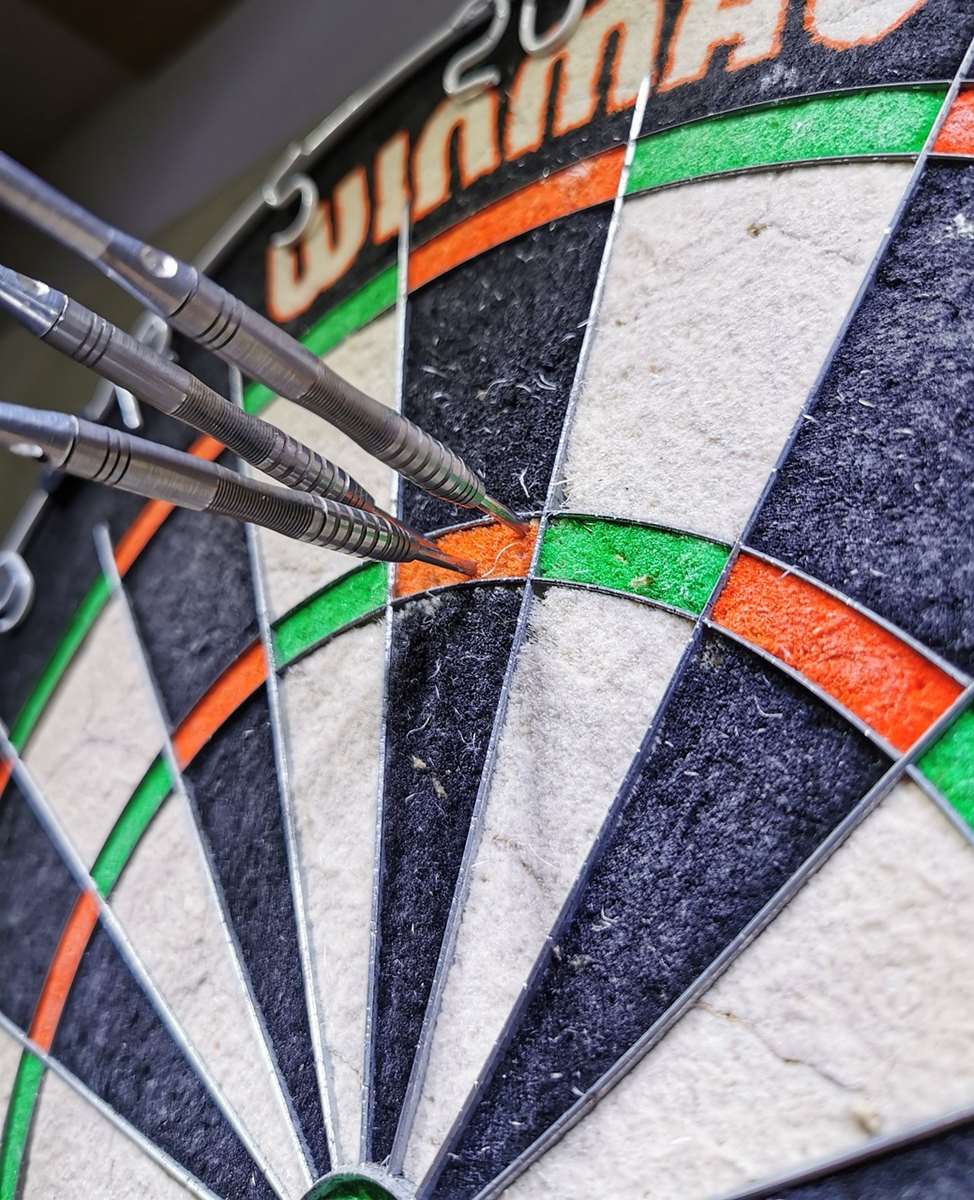
Maintaining Your Darts For Consistent Performance
Once you’ve found the perfect dart setup, it’s important to maintain your darts properly to ensure consistent performance. Regular cleaning, sharpening, and replacement of worn components are essential. Here are some tips:
- Clean your barrels regularly: Use a soft cloth or brush to remove dirt and grime, which can affect your grip.
- Sharpen your points: Dull points can lead to bounce-outs. Use a dart sharpener to keep your points sharp.
- Replace worn shafts and flights: Damaged shafts and flights can negatively impact your dart’s trajectory. Replace them as needed.
- Store your darts properly: Use a dart case to protect your darts from damage when not in use.
By taking good care of your darts, you can extend their lifespan and ensure consistent performance for years to come.
Advanced Considerations: Knurling and Grip
Beyond the basic materials, details like the **knurling** on your dart barrel can significantly impact your grip and **material for consistency in darts**. Knurling refers to the textured pattern on the barrel, providing friction and grip. Different knurling patterns offer varying levels of grip.
- Ringed Knurling: Common and versatile, offering good grip for most players.
- Knurled Knurling: A more aggressive texture for those who need a very secure grip.
- Smooth Barrels: For players who prefer minimal grip, relying on their natural hand position.
Consider your skin’s natural moisture levels. If you have dry hands, you might need a more aggressive knurling. If your hands tend to be sweaty, a less aggressive pattern might prevent slippage. Experiment with different knurling options to find what provides the best feel and control for you.
Conclusion
Choosing the right **material for consistency in darts** is an ongoing process of experimentation and refinement. By understanding the properties of different materials and how they affect dart performance, you can make informed choices that elevate your game. Remember to consider your grip, throwing style, and budget when selecting your dart components. Focus on finding a balance of weight, balance, and grip that feels natural and allows you to throw consistently. Maintain your darts properly and don’t be afraid to make adjustments as needed. Now that you have a better grasp on dart materials, go out and try the process of Choose Right Dart Material Guide today and get closer to dart mastery!

Hi, I’m Dieter, and I created Dartcounter (Dartcounterapp.com). My motivation wasn’t being a darts expert – quite the opposite! When I first started playing, I loved the game but found keeping accurate scores and tracking stats difficult and distracting.
I figured I couldn’t be the only one struggling with this. So, I decided to build a solution: an easy-to-use application that everyone, no matter their experience level, could use to manage scoring effortlessly.
My goal for Dartcounter was simple: let the app handle the numbers – the scoring, the averages, the stats, even checkout suggestions – so players could focus purely on their throw and enjoying the game. It began as a way to solve my own beginner’s problem, and I’m thrilled it has grown into a helpful tool for the wider darts community.