Understanding the relationship between material and balance point in darts is crucial for optimizing your throwing technique and achieving consistent accuracy. This article will delve into how different materials, like tungsten and brass, affect a dart’s weight distribution and ultimately its flight characteristics, guiding you towards selecting the ideal dart for your playing style. We’ll explore the properties of various dart materials, the impact of balance point on performance, and provide practical advice on choosing the best darts for your needs.
⚠️ Still Using Pen & Paper (or a Chalkboard)?! ⚠️
Step into the future! The Dart Counter App handles all the scoring, suggests checkouts, and tracks your stats automatically. It's easier than you think!
Try the Smart Dart Counter App FREE!Ready for an upgrade? Click above!
Understanding the Impact of Material And Balance Point Darts
The performance of a dart is significantly influenced by two key factors: the material used in its construction and its balance point. These elements work in tandem to determine how the dart flies through the air and how easily it can be controlled by the player. A well-chosen combination of material and balance point can lead to improved accuracy and consistency.
The dart’s material directly affects its weight and density. Heavier, denser materials allow for a slimmer dart profile, which can reduce deflection and improve grouping on the dartboard. The balance point, on the other hand, dictates how the weight is distributed along the length of the dart. A forward-balanced dart tends to fly straighter, while a rear-balanced dart may offer more control.
Exploring Different Dart Materials
The market offers darts made from a variety of materials, each with its unique properties. Understanding these properties is essential for making an informed decision. The most common materials include:
- Tungsten: Known for its high density, tungsten allows for slimmer darts with a higher weight. This is ideal for players seeking tighter groupings and reduced board clutter. You can learn more about the Tungsten Darts Pros Cons Explained.
- Brass: A more affordable option, brass darts are generally larger in diameter for the same weight as tungsten darts. While they are less expensive, they can be more prone to deflection due to their larger size.
- Nickel Silver: Offering a compromise between brass and tungsten, nickel silver darts provide decent density at a mid-range price point. However, they are still less dense than tungsten and may not offer the same level of performance. Get the Nickel Silver Darts Full Info.
- Alloy Combinations: Some darts are made from blends of different metals to achieve a desired balance of weight, durability, and cost.
When choosing a dart material, consider your budget, playing style, and desired level of performance. If you are serious about improving your game, investing in a set of tungsten darts is often the best option.
The Significance of Balance Point in Dart Performance
The balance point of a dart refers to the point along its length where it will balance perfectly. This point significantly impacts how the dart flies and feels in your hand. Understanding how to manipulate the balance point is crucial for optimizing your dart setup.
Types of Balance Points
- Front-Weighted: Darts with a forward balance point tend to fly straighter and are often preferred by players who use a more forceful throwing motion.
- Center-Weighted: These darts offer a good balance of control and stability, making them suitable for a wide range of throwing styles.
- Rear-Weighted: Darts with a rearward balance point are often favored by players who prefer a more controlled and deliberate throwing motion. These are also useful in Choose Best Dart Equipment if you have a distinct throwing style.
Experimenting with different balance points can help you find the dart that best suits your individual throwing style. You can adjust the balance point by using different types of stems and flights, or by adding weight to the front or rear of the dart.
Factors Influencing the Balance Point
Several factors contribute to a dart’s balance point. These include the barrel design, the stem, and the flight. By understanding how these components interact, you can fine-tune your darts to achieve optimal performance.
- Barrel Design: The shape and weight distribution of the barrel are the primary determinants of the balance point. A barrel that is thicker at the front will naturally have a more forward balance point.
- Stem Material and Length: Longer stems tend to shift the balance point rearward, while shorter stems move it forward. The material of the stem also plays a role, with heavier materials having a greater impact on the balance point.
- Flight Shape and Size: Larger flights provide more stability but can also create more drag, potentially affecting the balance point and flight trajectory. Smaller flights offer less stability but may result in a faster, more direct flight.
Making small adjustments to these components can have a significant impact on your dart’s overall performance. Consider testing different combinations to find the setup that feels most comfortable and produces the best results.
Matching Material And Balance Point Darts to Your Throwing Style
The ideal combination of material and balance point depends largely on your individual throwing style. There’s no one-size-fits-all solution, so it’s important to experiment and find what works best for you.
For Power Throwers
Players who use a forceful throwing motion often benefit from front-weighted tungsten darts. The forward balance point helps the dart fly straight and true, while the slim profile of tungsten darts reduces deflection. Also, researching the Best Material For Darts Barrels can offer helpful insight.
For Controlled Throwers
Players who prefer a more controlled and deliberate throwing motion may find rear-weighted darts to be more suitable. The rearward balance point provides enhanced control and allows for more precise aiming.
For Balanced Throwers
Players with a more balanced throwing style may prefer center-weighted darts. These darts offer a good compromise between stability and control, making them a versatile choice for a variety of throwing techniques.
Fine-Tuning Your Darts for Optimal Performance
Once you’ve chosen a dart material and balance point that suits your throwing style, you can further fine-tune your darts to achieve optimal performance. This involves making small adjustments to the stem, flights, and even adding weight to the dart itself.
- Stem Length: Experiment with different stem lengths to adjust the balance point and flight characteristics of your darts.
- Flight Shape: Try different flight shapes to see how they affect the stability and trajectory of your darts.
- Weight Addition: You can add small amounts of weight to the front or rear of your darts using specialized dart weights. This allows you to fine-tune the balance point with extreme precision.
Remember that even small changes can have a noticeable impact on your dart’s performance. Take the time to experiment and find the perfect setup for your individual needs.
Common Mistakes to Avoid When Choosing Darts
Choosing the wrong darts can hinder your progress and lead to frustration. Here are some common mistakes to avoid:
- Ignoring Your Throwing Style: Selecting darts based solely on appearance or price without considering your throwing style is a recipe for disaster.
- Sticking with the Same Darts for Too Long: As your throwing style evolves, your darts may need to change as well. Be open to experimenting with different setups.
- Overlooking the Importance of Grip: The grip on your darts is just as important as the material and balance point. Choose a grip that feels comfortable and secure in your hand.
By avoiding these common mistakes, you can significantly increase your chances of finding the perfect darts for your game.
Advanced Techniques for Optimizing Dart Performance
For serious dart players looking to gain a competitive edge, there are several advanced techniques that can be used to further optimize dart performance.
- Analyzing Flight Patterns: Pay close attention to the way your darts fly through the air. Are they wobbling? Are they consistently landing to the left or right? Analyzing your flight patterns can provide valuable insights into potential issues with your dart setup.
- Using Specialized Dart Tools: Tools like dart gauges and weight scales can help you ensure that your darts are perfectly matched and balanced.
- Seeking Expert Advice: Consider consulting with an experienced dart player or coach for personalized guidance on choosing and fine-tuning your darts.
These advanced techniques can help you unlock your full potential as a dart player.
Conclusion: Finding Your Perfect Material And Balance Point Darts
Selecting the right Material And Balance Point Darts is a personal journey, but by understanding the principles discussed in this article, you can make informed decisions that will significantly improve your game. Experiment with different materials, balance points, and setups until you find the combination that feels most comfortable and produces the best results. Remember to consider your throwing style, grip, and overall comfort when making your choices. By focusing on these key factors, you’ll be well on your way to achieving consistent accuracy and dominating the dartboard. Don’t hesitate to explore the Choose Right Dart Material Guide for additional information.
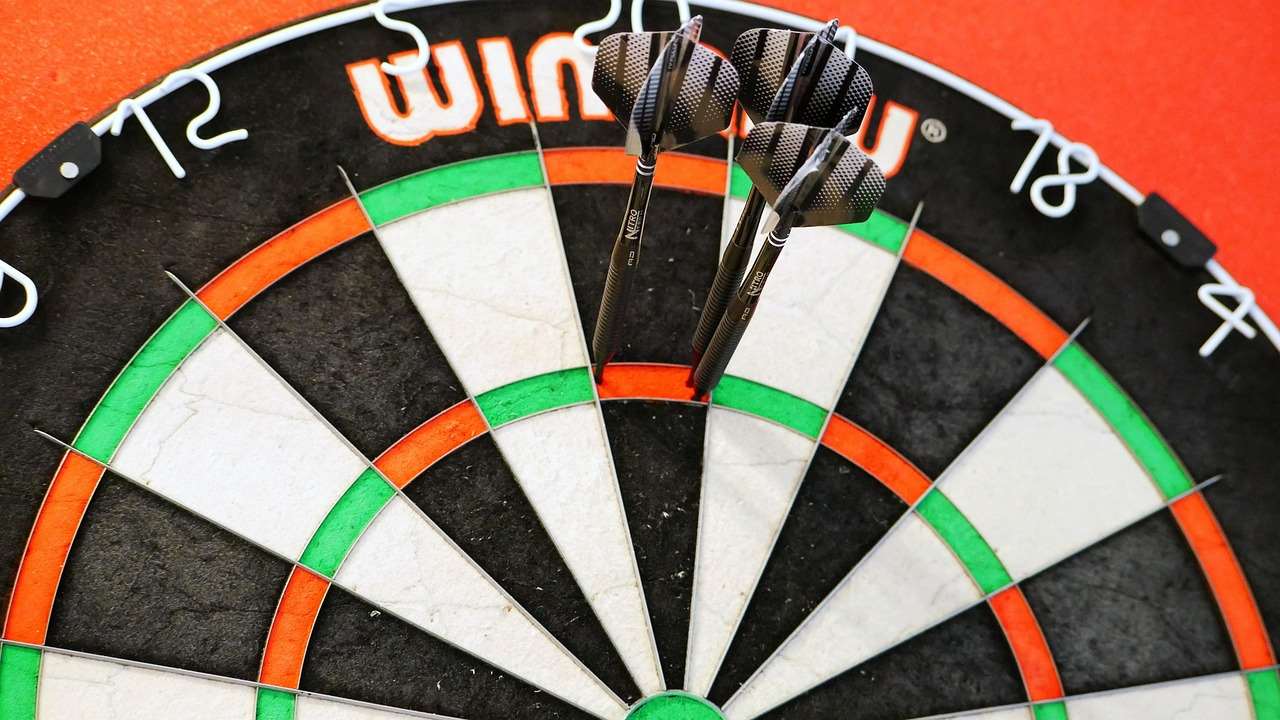
Ready to take your dart game to the next level? Start experimenting with different dart setups today and discover the perfect combination of material and balance point for your unique throwing style. Visit your local dart shop or browse online retailers to explore the wide range of options available.

Hi, I’m Dieter, and I created Dartcounter (Dartcounterapp.com). My motivation wasn’t being a darts expert – quite the opposite! When I first started playing, I loved the game but found keeping accurate scores and tracking stats difficult and distracting.
I figured I couldn’t be the only one struggling with this. So, I decided to build a solution: an easy-to-use application that everyone, no matter their experience level, could use to manage scoring effortlessly.
My goal for Dartcounter was simple: let the app handle the numbers – the scoring, the averages, the stats, even checkout suggestions – so players could focus purely on their throw and enjoying the game. It began as a way to solve my own beginner’s problem, and I’m thrilled it has grown into a helpful tool for the wider darts community.