Matching Pro Darts To Your Throw Style is crucial for consistent performance and improving your game. This article will guide you through the essential factors to consider when selecting darts, from grip and weight to shaft and flight characteristics, to find the perfect set that complements your unique throwing motion.
⚠️ Still Using Pen & Paper (or a Chalkboard)?! ⚠️
Step into the future! The Dart Counter App handles all the scoring, suggests checkouts, and tracks your stats automatically. It's easier than you think!
Try the Smart Dart Counter App FREE!Ready for an upgrade? Click above!
Understanding Your Throw Style: The Foundation for Matching Pro Darts To Your Throw Style
Before diving into the specifics of dart selection, it’s essential to analyze your current dart throwing technique. There are generally three recognized styles:
- The Straight Thrower: This style involves a smooth, linear motion with minimal arc. Darts tend to land relatively flat in the board.
- The Arcing Thrower: This style utilizes a more pronounced upward arc in the throw, often resulting in the dart entering the board at a steeper angle.
- The Spin Thrower: This style imparts significant spin on the dart, often unconsciously, which can affect its trajectory and stability.
Identifying your throw style will greatly influence the optimal dart characteristics for you. Do you release the dart cleanly, or does your hand impart spin? Does your dart fly with a high arc or a flat trajectory? These are key questions to answer. Understanding your style helps with dart weight selection too.
Dart Weight: A Critical Factor
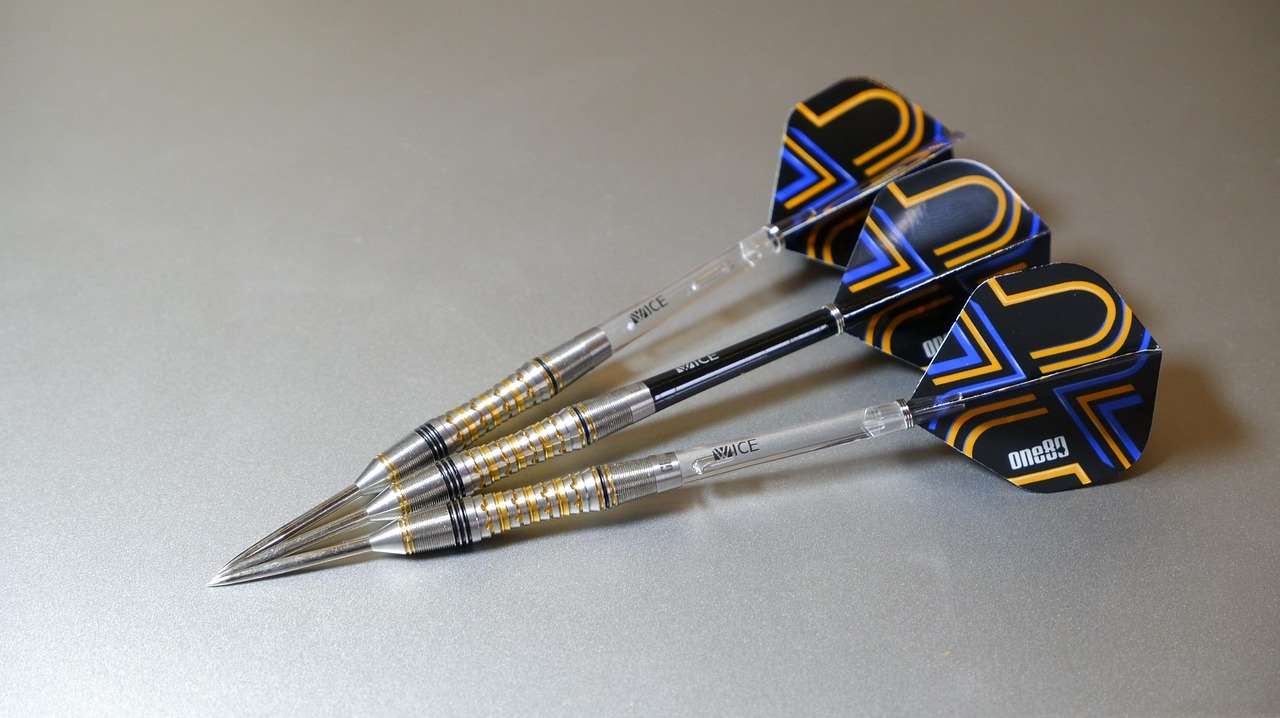
Dart weight is arguably the most important factor in finding the right dart. Most darts range from 16 to 30 grams. Heavier darts tend to be more stable and require less force to throw, making them suitable for players with a smoother, controlled release. Lighter darts, on the other hand, can be advantageous for players who prefer a faster, more forceful throw.
Here’s a general guideline:
- 22-25 grams: A good starting point for most players.
- 20-22 grams: Often preferred by players with a faster, wrist-driven throw.
- 25-28 grams: Suitable for players with a smoother, more deliberate throw.
- 28+ grams: Typically used by players with a very slow, deliberate throw or those who prefer a very stable dart.
Experimenting with different weights is crucial. What feels comfortable in your hand is paramount. You can find a shop where you can test out different weights. Remember to Choose Best Dart Equipment after your test throws.
Grip Styles and Dart Barrels
The dart barrel is the main body of the dart and is where you grip it. Barrels come in various shapes, materials, and grip patterns. The ideal barrel depends heavily on your grip style.
Common Grip Styles
- Front Grip: Holding the dart near the point. This often benefits from a tapered barrel.
- Middle Grip: Holding the dart in the center. Straight barrels with consistent grip are often preferred.
- Rear Grip: Holding the dart near the shaft. Barrels with a defined rear grip section can be helpful.
Grip Textures and Materials
The texture of the grip is also crucial. Some players prefer aggressive, heavily knurled grips for maximum control, while others prefer smoother grips for a more relaxed feel. The material also affects grip; tungsten darts are denser than brass darts, allowing for slimmer barrels with more intricate grip patterns. If you want to know Types Optimal Dartboard Lighting then you should research this.
Consider these options:
- Knurled Grips: Provide a rough, tactile feel for maximum grip.
- Ringed Grips: Offer a more subtle but consistent grip.
- Smooth Grips: Suitable for players who prefer minimal grip.
- Combination Grips: Feature a combination of different grip patterns for customized feel.
Shafts and Flights: Fine-Tuning Your Dart’s Flight
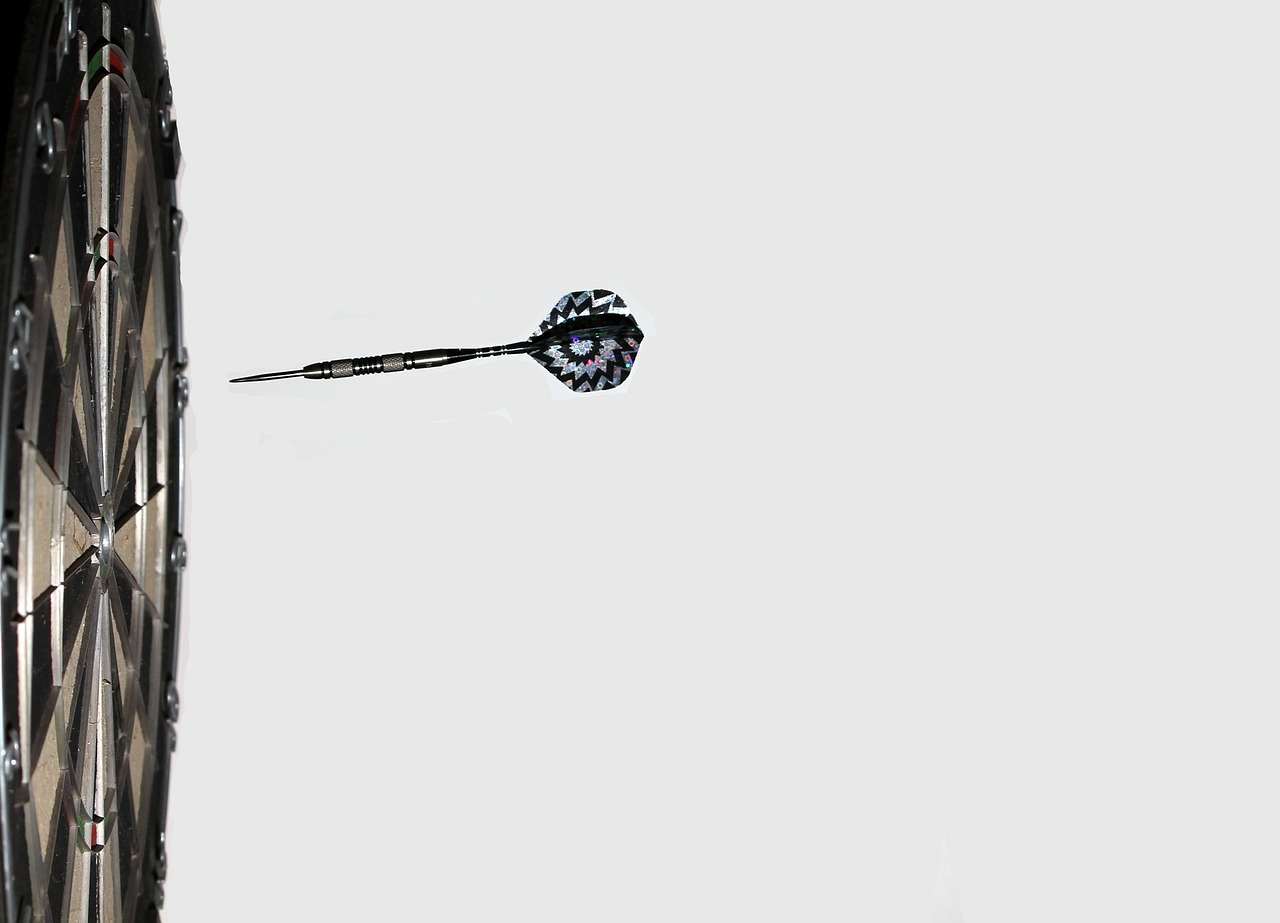
Shafts and flights play a critical role in the aerodynamics of your dart and can significantly impact its flight path. Shaft length and flight shape influence the dart’s stability and trajectory.
Shaft Length
- Short Shafts: Generally create a faster, flatter trajectory.
- Medium Shafts: Offer a balance between speed and stability.
- Long Shafts: Tend to create a more arcing trajectory and greater stability.
Flight Shape
- Standard Flights: Provide maximum surface area for stability, ideal for beginners.
- Slim Flights: Offer less drag and a faster trajectory, suitable for experienced players with a consistent throw.
- Kite Flights: A compromise between standard and slim flights.
- Vane Flights: Offer very low drag and a fast, direct flight.
Experiment with different shaft and flight combinations to fine-tune your dart’s flight. Shorter shafts and smaller flights will generally result in a flatter trajectory, while longer shafts and larger flights will create a more arcing trajectory. The goal is to achieve a stable and consistent flight path that complements your throw style.
Tungsten vs. Brass Darts: Understanding the Material Difference
The material used to construct your darts significantly impacts their performance and durability. Tungsten darts and brass darts are the two most common types, each offering distinct advantages and disadvantages.
Tungsten Darts
Tungsten is a very dense metal, allowing manufacturers to create slimmer barrels with more intricate grip patterns. This is particularly beneficial for players who prefer a tighter grip or who group their darts closely together on the dartboard. Tungsten darts are more expensive than brass darts but offer superior performance and durability.
Brass Darts
Brass is a less dense metal than tungsten, resulting in thicker barrels. Brass darts are generally more affordable, making them a good option for beginners or casual players. However, they tend to wear down more quickly and may not offer the same level of precision as tungsten darts.
Here’s a simple comparison:
- Tungsten: Slimmer barrels, more intricate grip, higher density, greater durability, higher price.
- Brass: Thicker barrels, simpler grip, lower density, less durability, lower price.
Consider your budget and playing frequency when deciding between tungsten and brass darts.
Experimentation and Personal Preference
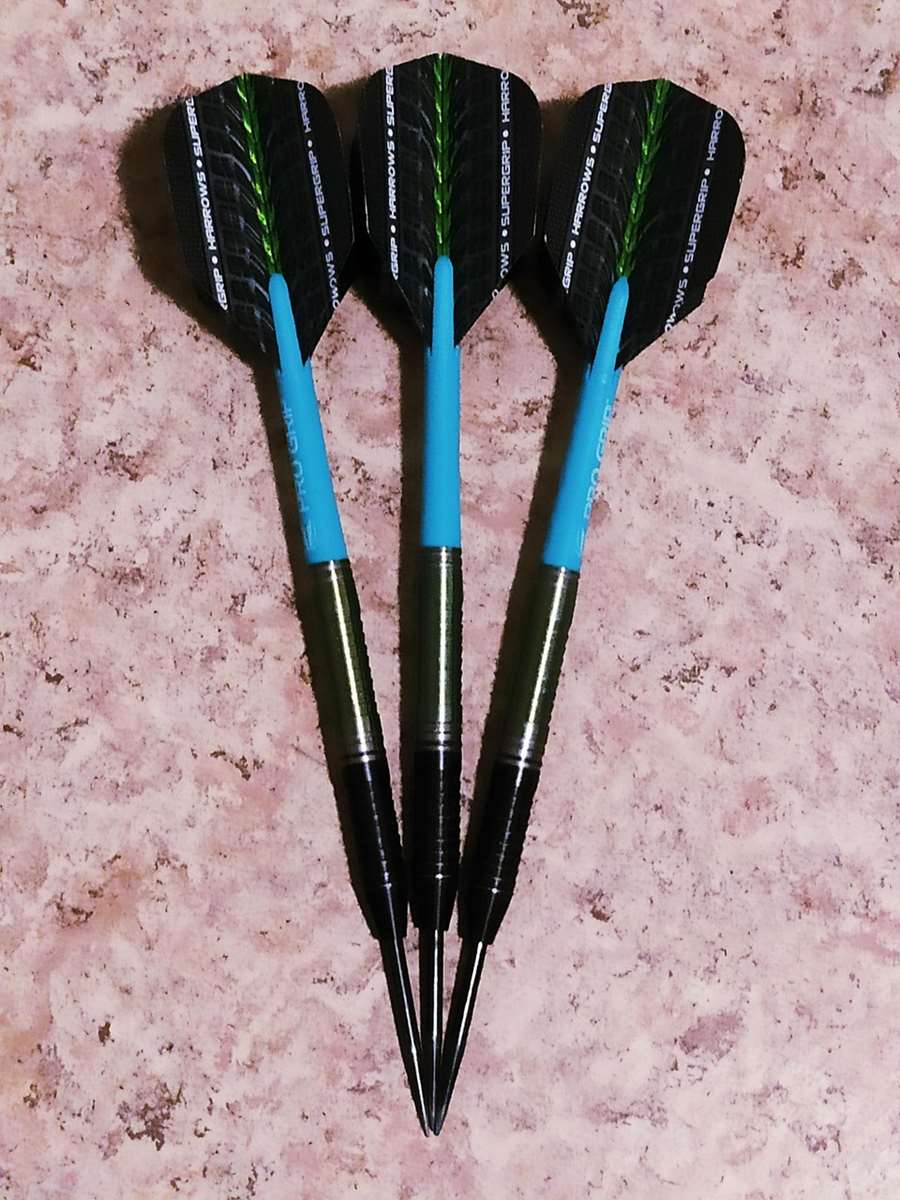
While general guidelines can be helpful, ultimately, the best way of Matching Pro Darts To Your Throw Style is through experimentation. Visit a dart shop and try out different weights, barrel shapes, grip styles, shaft lengths, and flight shapes. Don’t be afraid to mix and match components until you find the perfect combination for your unique throw.
Also, consider factors like:
- Balance: How does the dart feel in your hand? Is it evenly balanced, or does it feel top-heavy or tail-heavy?
- Confidence: Do you feel confident throwing the dart? Confidence plays a significant role in performance.
- Consistency: Are you able to throw the dart consistently well? This is the ultimate test.
Remember that personal preference is paramount. What works for one player may not work for another. The key is to find darts that feel comfortable and allow you to throw consistently well.
Maintaining Your Darts for Optimal Performance
Once you’ve found the perfect set of darts, it’s important to maintain them properly to ensure optimal performance and longevity. Regularly clean your barrels with a soft cloth to remove dirt and grime. Check your shafts and flights for damage and replace them as needed. You can explore Optimal Dartboard Lighting Solutions Guide.
Here are some maintenance tips:
- Clean Barrels: Use a soft cloth and mild detergent to clean your barrels regularly.
- Check Shafts: Inspect your shafts for cracks or bends and replace them as needed.
- Replace Flights: Replace torn or damaged flights immediately.
- Tighten Points: Ensure your dart points are securely tightened to the barrel.
Proper maintenance will help your darts perform consistently well for years to come.
Beyond the Darts: Stance and Follow-Through
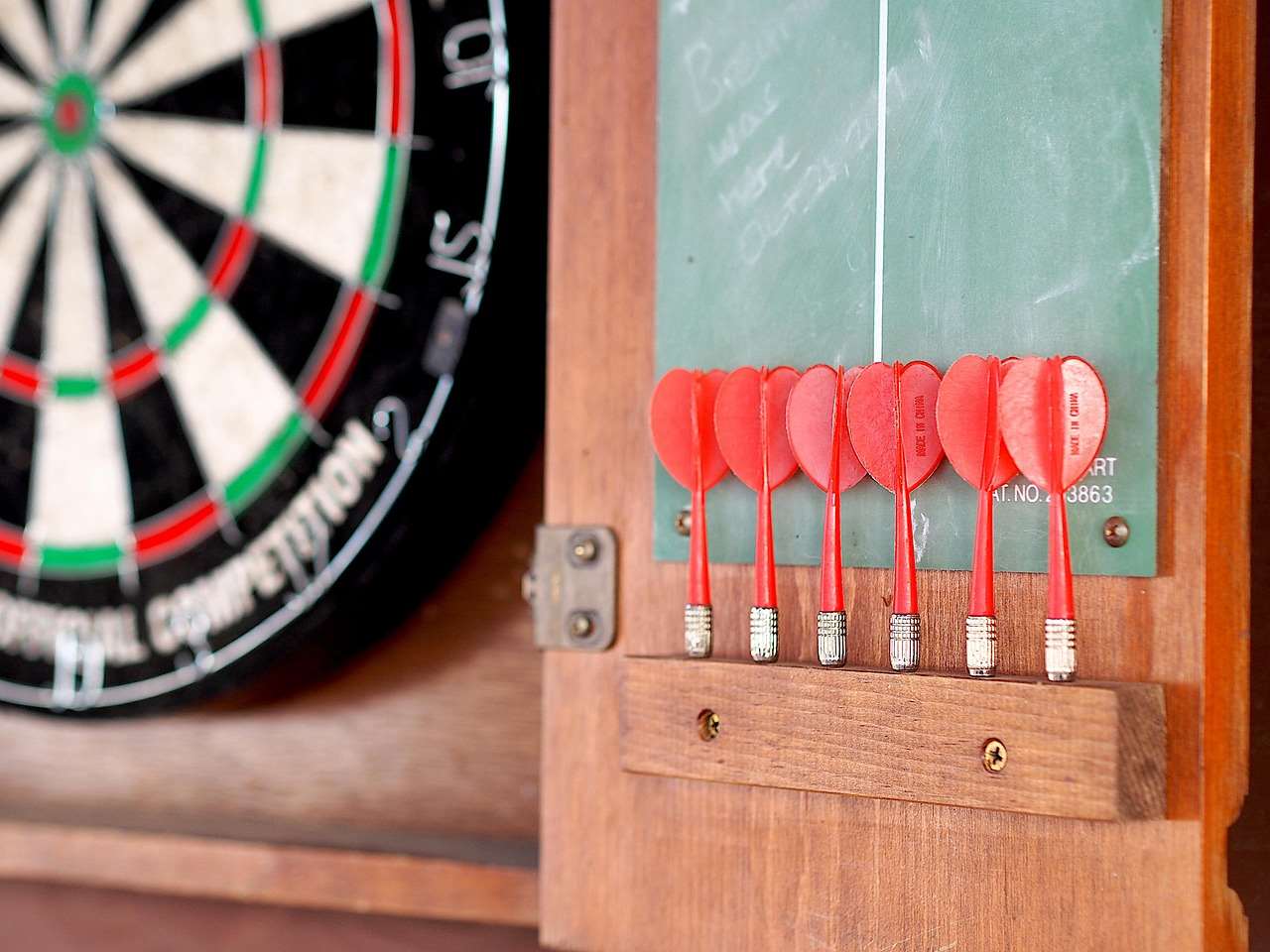
While selecting the right darts is crucial, don’t forget about the importance of proper stance and follow-through. A consistent stance and a smooth follow-through can significantly improve your accuracy and consistency.
Consider these elements:
- Stance: Find a stance that feels comfortable and balanced. Most players prefer a slightly angled stance with one foot forward.
- Grip: Maintain a consistent grip pressure. Gripping too tightly can cause tension and affect your throw.
- Arm Movement: Focus on a smooth, controlled arm movement. Avoid jerky or rushed motions.
- Follow-Through: Follow through completely with your arm after releasing the dart. This helps ensure a consistent release point.
Practice your stance and follow-through regularly to develop muscle memory and improve your overall technique. Correct dartboard lighting is also a factor; if you want to know about Best Dartboard Lighting Systems then this will help you.
Advanced Considerations: Point Types and Customization
For serious players, even finer details like dart point type can be considered. Different point types, such as smooth, textured, or conversion points (for soft-tip boards), can subtly affect how the dart enters and stays in the board. Additionally, some players opt for dart customization, involving modifying barrel shapes or adding custom grips.
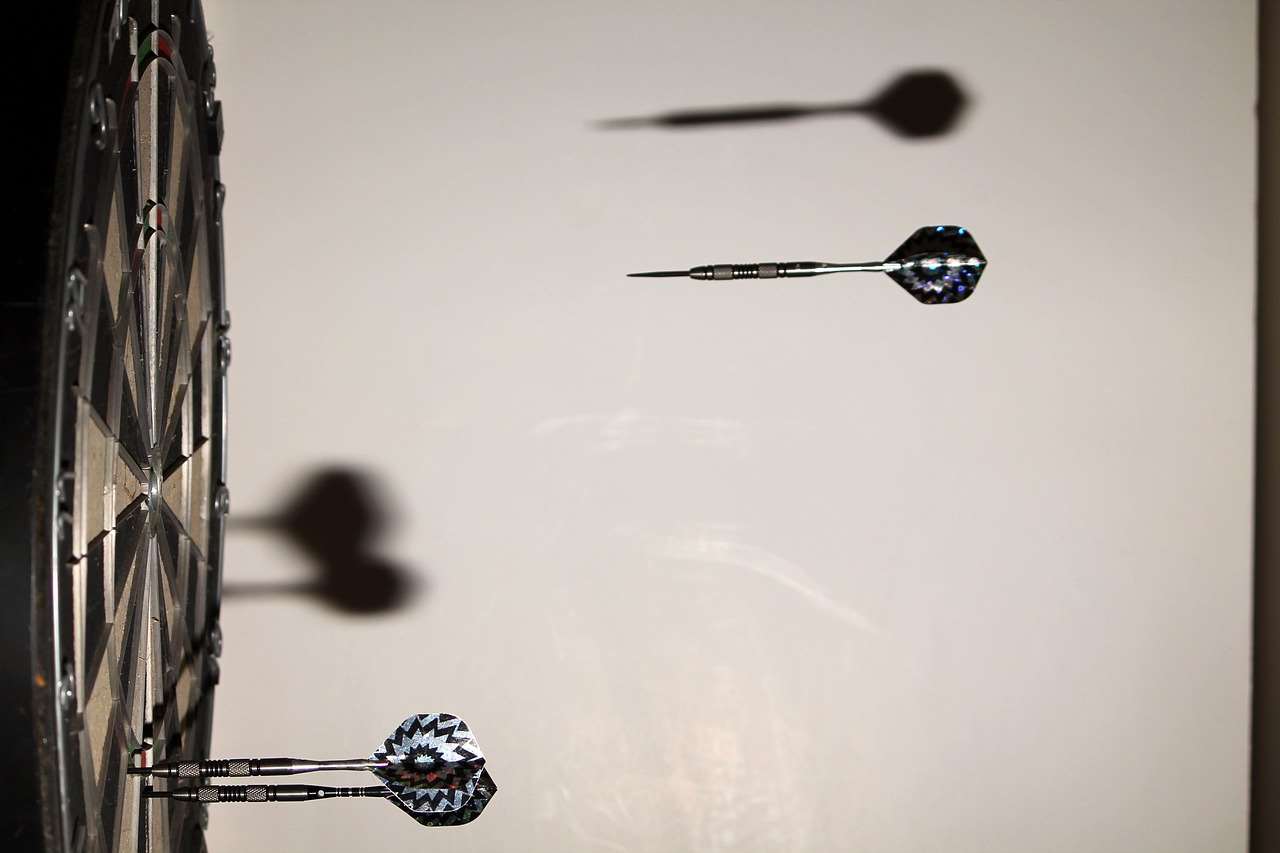
These advanced considerations are usually reserved for players who have already honed their technique and have a very specific feel they are looking for. Dart customization might involve altering the dart’s balance point, or even having darts custom-made to fit their hand perfectly.
Conclusion: Finding Your Perfect Match
Ultimately, matching pro darts to your throw style is a journey of experimentation and discovery. By understanding your throwing motion, grip style, and personal preferences, you can narrow down the options and find darts that feel comfortable, consistent, and allow you to perform at your best. Remember to consider dart weight, barrel shape, grip texture, shaft length, and flight shape, and don’t be afraid to experiment until you find the perfect combination.
Ready to take your dart game to the next level? Visit your local dart shop or browse online retailers to start experimenting with different darts and find your perfect match today. Find LED Dartboard Lights Benefits to help with your game. Happy darting!

Hi, I’m Dieter, and I created Dartcounter (Dartcounterapp.com). My motivation wasn’t being a darts expert – quite the opposite! When I first started playing, I loved the game but found keeping accurate scores and tracking stats difficult and distracting.
I figured I couldn’t be the only one struggling with this. So, I decided to build a solution: an easy-to-use application that everyone, no matter their experience level, could use to manage scoring effortlessly.
My goal for Dartcounter was simple: let the app handle the numbers – the scoring, the averages, the stats, even checkout suggestions – so players could focus purely on their throw and enjoying the game. It began as a way to solve my own beginner’s problem, and I’m thrilled it has grown into a helpful tool for the wider darts community.