The secret to a long-lasting and high-performing dartboard is simple: consistent maintenance. **Maintaining Your Sisal Dartboard** involves regular rotation, humidity control, and proper dart removal to prevent wear and ensure accurate play. In this article, we’ll explore the essential steps to keep your dartboard in top condition for years to come.
⚠️ Still Using Pen & Paper (or a Chalkboard)?! ⚠️
Step into the future! The Dart Counter App handles all the scoring, suggests checkouts, and tracks your stats automatically. It's easier than you think!
Try the Smart Dart Counter App FREE!Ready for an upgrade? Click above!
Why Maintaining Your Sisal Dartboard Matters
A sisal dartboard, made from tightly packed plant fibers, is designed to self-heal to some extent. However, repeated impacts in the same areas will eventually lead to wear and tear. Without proper care, the fibers will compress and loosen, resulting in:
- Increased bounce-outs
- A shorter lifespan for your dartboard
- Inconsistent scoring
- A less enjoyable playing experience
By investing a little time and effort in regular dartboard maintenance, you can significantly extend its lifespan and maintain its performance.

The First Line of Defense: Dartboard Rotation
The most fundamental aspect of **maintaining your sisal dartboard** is regular rotation. Dartboards experience the most wear and tear in the 20, 19, 3, and bullseye areas. Rotating the board distributes the impact more evenly across its surface, allowing the fibers to recover and preventing localized damage.
How Often Should You Rotate Your Dartboard?
The frequency of rotation depends on how often you play:
- Casual Players (1-2 times per week): Rotate your dartboard every 2-3 months.
- Regular Players (3-5 times per week): Rotate your dartboard every 2-4 weeks.
- Frequent Players (Daily): Rotate your dartboard every 1-2 weeks.
How to Rotate Your Dartboard
Most dartboards are designed for easy rotation. Simply loosen the mounting bracket, rotate the board to the next position, and re-tighten the bracket. Aim to move the most heavily damaged sections to areas that see less frequent use.
Consider using a dartboard rotation schedule to help you remember when it’s time to rotate. A simple calendar reminder can make a big difference.
Combating the Enemy: Humidity Control
Sisal is a natural fiber, making it susceptible to changes in humidity. Excessive moisture can cause the fibers to swell, leading to a soft and mushy dartboard. Conversely, dry conditions can cause the fibers to become brittle and prone to cracking. Proper humidity control is crucial for **long-term dartboard care**.
Ideal Humidity Levels
The ideal humidity level for a sisal dartboard is between 40% and 60%. Use a hygrometer to monitor the humidity in your dart-playing area. If the humidity is too high, consider using a dehumidifier. If it’s too low, a humidifier can help maintain the right moisture balance.
Tips for Humidity Control
- Avoid placing your dartboard in damp basements or garages.
- Ensure adequate ventilation in your dart-playing area.
- Consider using a dartboard surround to provide an extra layer of protection against moisture.
- Wipe down your dartboard with a dry cloth after each use to remove any moisture or debris.
The Gentle Art of Dart Removal
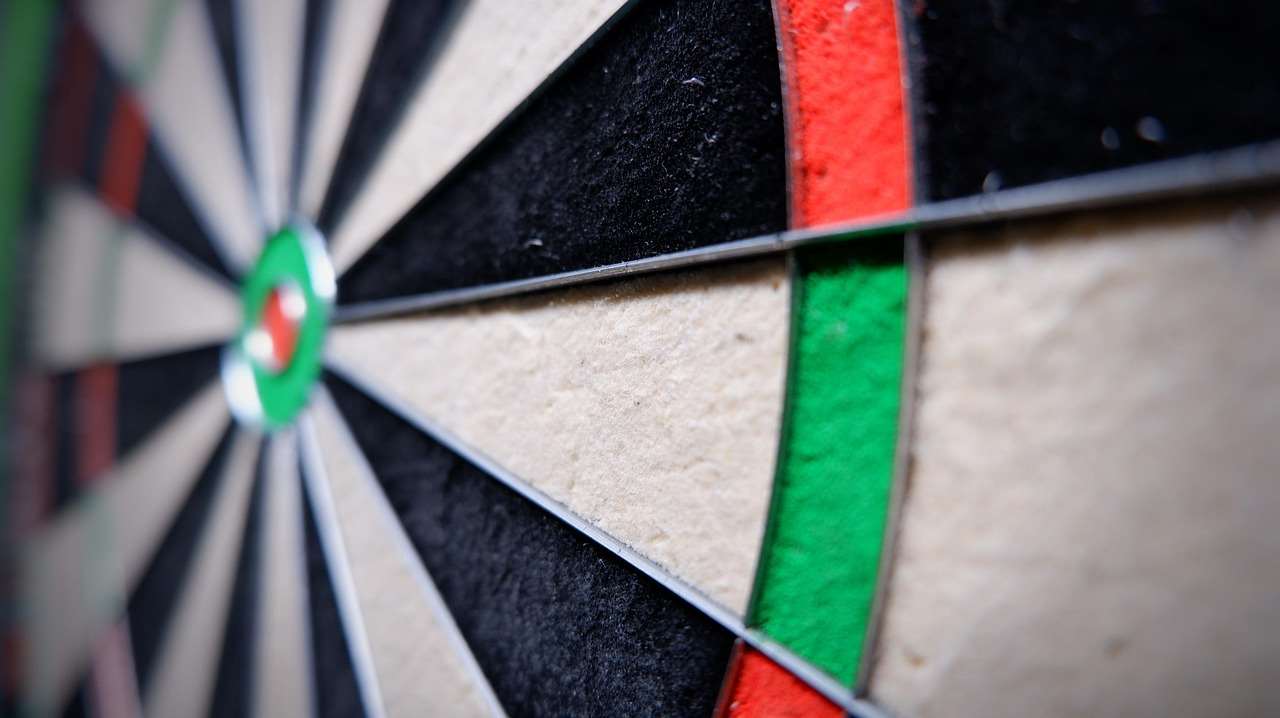
The way you remove your darts from the board can significantly impact its lifespan. Avoid yanking or twisting the darts, as this can damage the fibers and create unsightly holes. The goal is to extract the darts smoothly and minimize any disturbance to the sisal.
Proper Dart Removal Technique
- Grip the dart close to the board.
- Apply gentle, steady pressure while pulling the dart straight out.
- If the dart is stuck, wiggle it slightly from side to side to loosen it before pulling.
- Consider using a dart removal tool if you frequently encounter stubborn darts.
Investing in high-quality darts with sharp points can also make dart removal easier and reduce the risk of damage to the dartboard. Also, remember to consider choosing the best dart equipment.
Deep Cleaning: Revitalizing Your Dartboard
Over time, dust, dirt, and chalk dust can accumulate on your dartboard, affecting its appearance and performance. While regular rotation and humidity control are essential, an occasional deep cleaning can help revitalize your dartboard and restore its original luster. It’s vital when **maintaining your sisal dartboard**.
The Towel Method: Quick and Easy Cleaning
The towel method is a simple and effective way to remove surface dirt and debris:
- Dampen a clean, lint-free towel with warm water.
- Gently wipe the surface of the dartboard in a circular motion.
- Avoid using excessive water, as this can damage the sisal fibers.
- Allow the dartboard to air dry completely before using it.
The Bristle Brush Method: A More Thorough Clean
For a deeper clean, you can use a soft-bristled brush:
- Lightly dampen the bristles of a soft brush (like a toothbrush)
- Gently brush the surface of the dartboard in a circular motion, being careful not to apply too much pressure.
- Wipe away any loose debris with a dry cloth.
- Allow the dartboard to air dry completely before using it.
Important Note: Never use harsh chemicals, solvents, or abrasive cleaners on your sisal dartboard, as these can damage the fibers and shorten its lifespan.
Dartboard Repairs: Addressing Common Issues
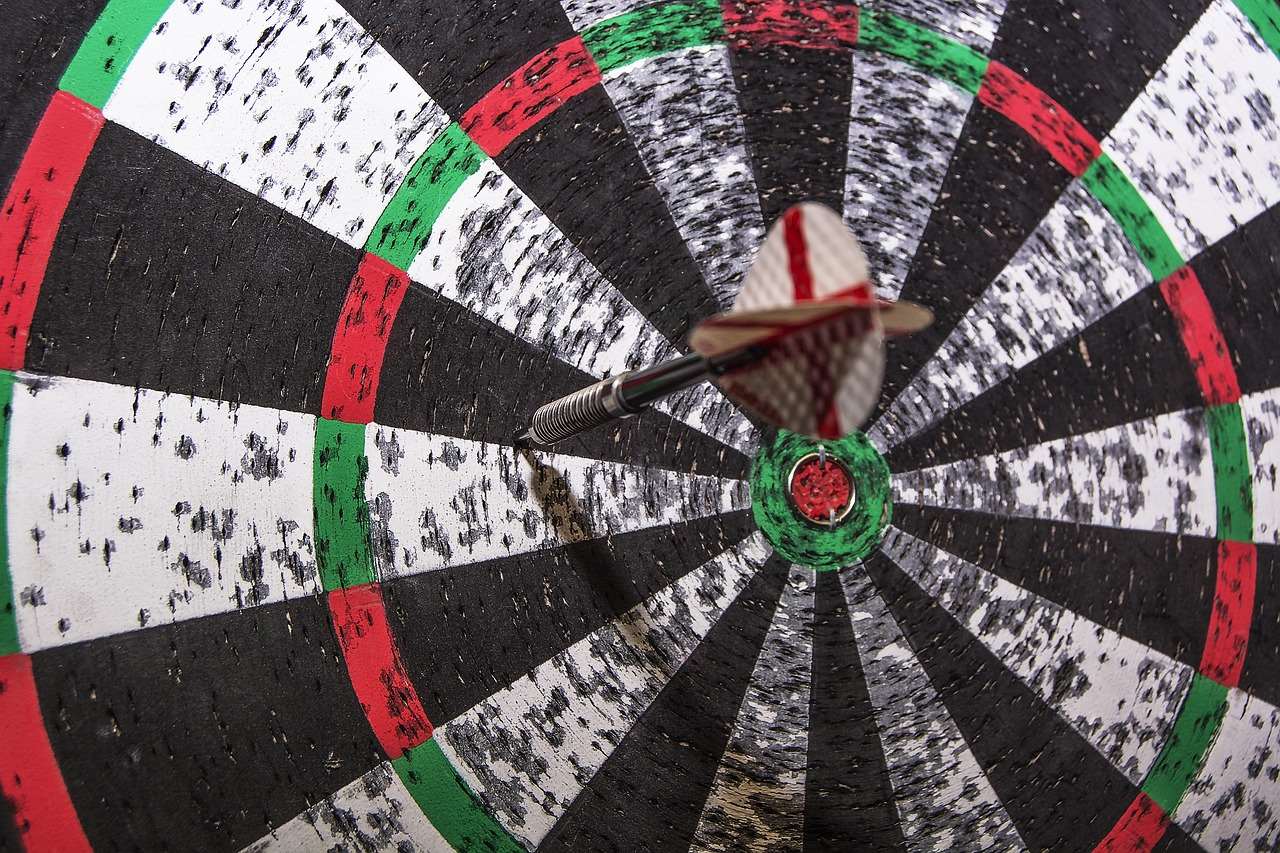
Even with the best care, your dartboard may eventually develop some minor imperfections. Fortunately, many common dartboard issues can be easily repaired with a few simple techniques. This contributes significantly to **maintaining your sisal dartboard**.
Loose or Compressed Fibers
If you notice loose or compressed fibers in certain areas of your dartboard, you can use a specialized dartboard repair tool or a blunt object (like the back of a spoon) to gently push the fibers back into place. Moisten the area slightly before attempting to reshape the fibers.
Surface Imperfections
Minor surface imperfections, such as small holes or scuffs, can often be disguised by gently rubbing the surrounding fibers together. This helps to blend the imperfection and make it less noticeable.
Number Ring Maintenance
The number ring on your dartboard is also susceptible to wear and tear. Clean the number ring regularly with a damp cloth to remove dust and dirt. If the numbers become faded or damaged, you can purchase replacement number rings.
Optimizing Your Dartboard Setup
Proper setup can also play a role in extending the life of your dartboard. Ensure your dartboard is mounted securely and at the correct height (bullseye at 5 feet 8 inches from the floor). Also, consider installing adequate dartboard lighting to improve visibility and reduce eye strain. This is often overlooked when **maintaining your sisal dartboard**.
Consider exploring optimal dartboard lighting solutions to enhance your playing experience and protect your eyesight. Good lighting helps you aim better and reduces the chances of throwing wild darts that can damage your dartboard.
Preventative Measures: Avoiding Common Pitfalls
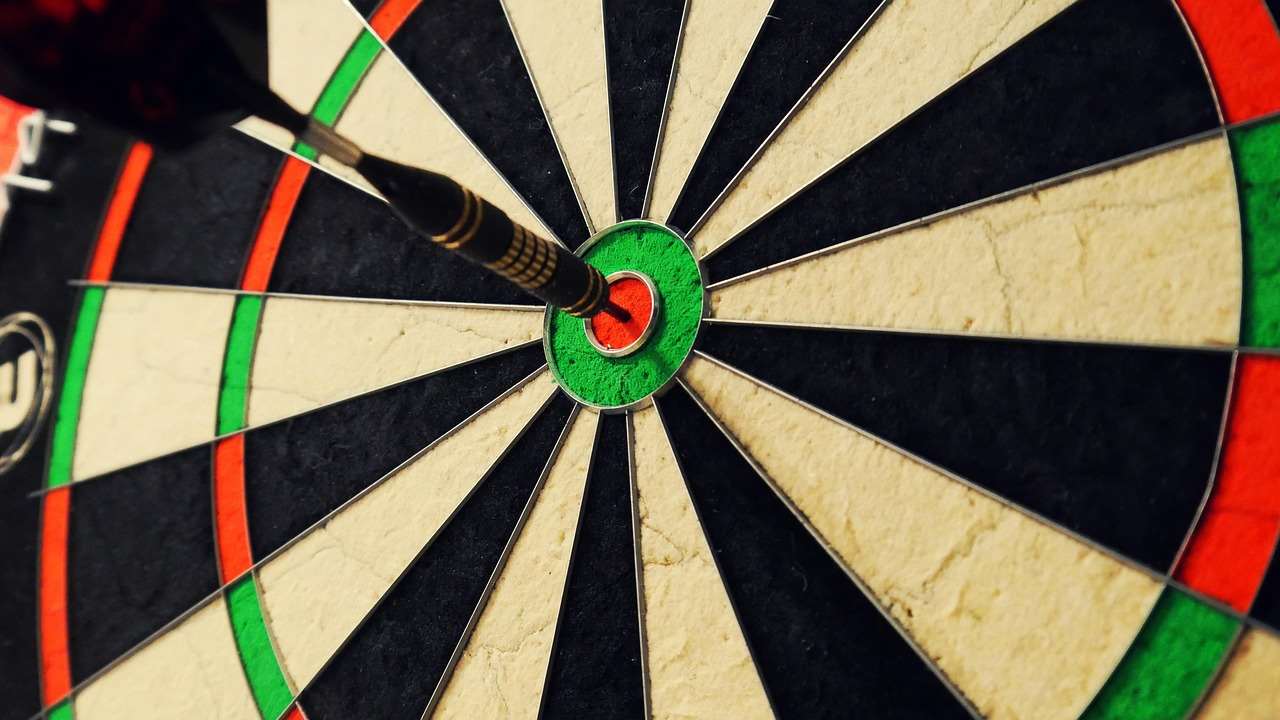
Beyond regular maintenance, there are several preventative measures you can take to protect your dartboard from damage. By avoiding these common pitfalls, you can significantly extend the lifespan of your dartboard:
- Avoid using steel-tipped darts on electronic dartboards. This can damage the electronic scoring mechanism.
- Don’t throw darts when angry or frustrated. This can lead to wild throws and damage to your dartboard or surrounding area.
- Keep your dartboard away from direct sunlight. Prolonged exposure to sunlight can dry out the sisal fibers and cause them to crack.
- Protect your dartboard from pets. Animals can damage the sisal fibers with their claws or teeth.
Being mindful of these factors will help you keep your dartboard in pristine condition.
Is It Time for a New Dartboard?
Even with meticulous care, every dartboard eventually reaches the end of its lifespan. Knowing when to replace your dartboard is crucial for maintaining a fair and enjoyable playing experience. Here are some signs that it’s time for a new dartboard:
- Excessive bounce-outs, even with sharp darts.
- Significant compression or deformation of the sisal fibers.
- Large, irreparable holes or damage.
- Inconsistent scoring due to worn-out segments.
If your dartboard exhibits any of these signs, it’s time to invest in a replacement. A new dartboard will provide a fresh playing surface and improve your overall dart-throwing experience.
Extending Dartboard Life: Key Takeaways
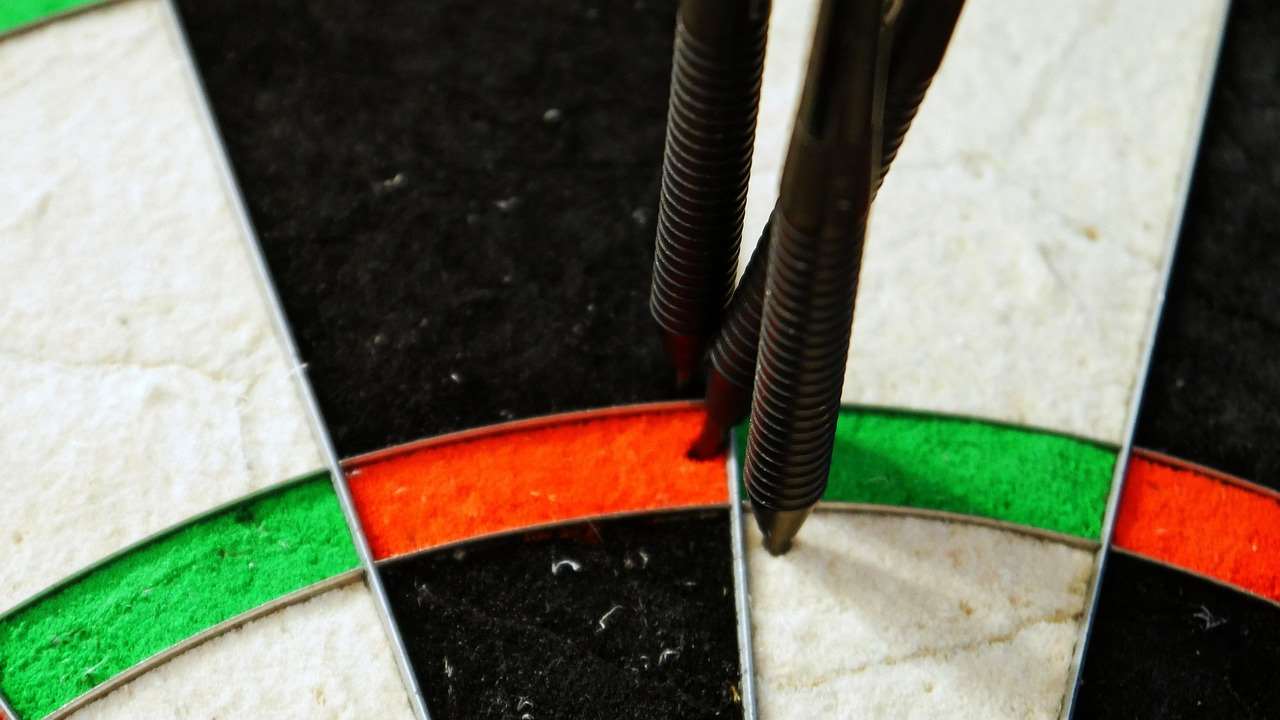
Maintaining your sisal dartboard is essential for maximizing its lifespan and performance. Regular rotation, humidity control, proper dart removal, and occasional deep cleaning will keep your dartboard in top condition for years to come. By following these simple steps, you can enjoy countless hours of dart-throwing fun.
Remember, a well-maintained dartboard is a joy to play on and provides a consistent and accurate playing surface. So, take the time to care for your dartboard, and it will reward you with years of enjoyment.
Ready to Elevate Your Dart Game?
Now that you know how to properly maintain your sisal dartboard, it’s time to put your knowledge into practice! Inspect your dartboard today and implement the tips outlined in this article. Your dartboard will thank you, and your game will improve as a result. Don’t forget to select optimal dartboard lighting. Learn about types optimal dartboard lighting to avoid shadows that might impact your game!

Hi, I’m Dieter, and I created Dartcounter (Dartcounterapp.com). My motivation wasn’t being a darts expert – quite the opposite! When I first started playing, I loved the game but found keeping accurate scores and tracking stats difficult and distracting.
I figured I couldn’t be the only one struggling with this. So, I decided to build a solution: an easy-to-use application that everyone, no matter their experience level, could use to manage scoring effortlessly.
My goal for Dartcounter was simple: let the app handle the numbers – the scoring, the averages, the stats, even checkout suggestions – so players could focus purely on their throw and enjoying the game. It began as a way to solve my own beginner’s problem, and I’m thrilled it has grown into a helpful tool for the wider darts community.