A crucial aspect of dart safety often overlooked is performing a regular loose dart points safety check; ignoring this can lead to dangerous ricochets and damaged equipment. This article will guide you through the process of checking and securing your dart points, preventing accidents and extending the life of your darts and dartboard.
⚠️ Still Using Pen & Paper (or a Chalkboard)?! ⚠️
Step into the future! The Dart Counter App handles all the scoring, suggests checkouts, and tracks your stats automatically. It's easier than you think!
Try the Smart Dart Counter App FREE!Ready for an upgrade? Click above!
Why a Loose Dart Points Safety Check is Essential
Playing darts should be fun and safe, but a seemingly minor issue like loose dart points can quickly turn a friendly game into a potential hazard. When dart points become loose, they don’t penetrate the dartboard properly, increasing the risk of the dart bouncing back towards the thrower or bystanders. This can cause injury, particularly to the eyes.
Beyond safety, loose dart points also damage your dartboard. Instead of cleanly entering the sisal fibers, the dart may tear and rip them, significantly shortening the board’s lifespan. Furthermore, loose points can affect the accuracy of your throws, leading to frustration and a less enjoyable playing experience. Performing a regular loose dart points safety check avoids all of these problems.

How to Perform a Loose Dart Points Safety Check
The process of checking your dart points is simple and only takes a few seconds per dart. Here’s a step-by-step guide:
- Visual Inspection: Begin by simply looking at the point where the dart point meets the barrel. Check for any visible gaps or movement. If you see any separation, that’s a sign of a loose point.
- The Wiggle Test: Gently try to wiggle the dart point. Hold the barrel firmly and try to move the point from side to side and up and down. Any noticeable movement indicates looseness.
- The Push Test: Press the dart point firmly against a hard, flat surface (like a table top). Apply moderate pressure. If the point moves inward at all, it’s definitely loose.
- The Paper Test: If you are unsure, try gently pushing the point into a piece of paper. If the dart point moves or wobbles, it’s likely loose.
Tools You Might Need
While some loose dart points can be fixed with your bare hands, certain tools make the process easier and more effective. Consider having these on hand:
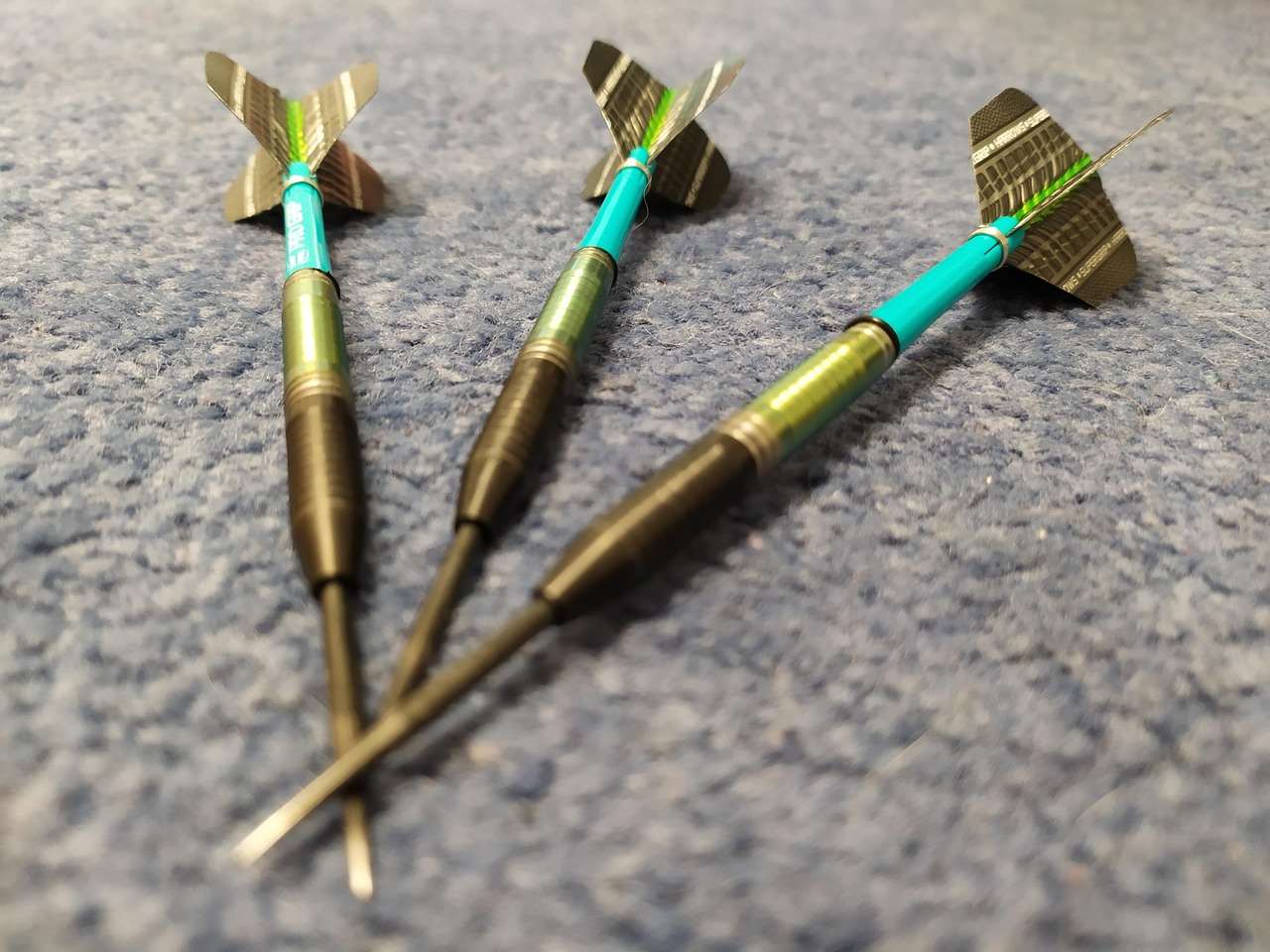
- Dart Point Tightening Tool: These specialized tools are designed to grip the dart point securely without damaging it, allowing you to tighten it into the barrel.
- Pliers (Needle-Nose): Needle-nose pliers can be useful for gripping the dart point if you don’t have a dedicated tightening tool, but be careful not to scratch or damage the point.
- Cloth or Leather: Wrap the dart point with a cloth or piece of leather before using pliers to protect the point from damage.
- Dart Point Repointing Tool: If the dart point has become severely damaged, consider using a dart point repointing tool to replace the point entirely. You can learn some Basic Darts Fundamentals for Beginners here.
Methods for Tightening Loose Dart Points
There are several ways to tighten loose dart points, depending on the severity of the problem and the tools available:
Hand Tightening
Sometimes, a loose dart point can be tightened simply by hand. Grip the barrel firmly with one hand and the point with the other. Rotate the point clockwise, applying firm pressure. This works best for points that are only slightly loose.
Using a Dart Point Tightening Tool
A dart point tightening tool provides the best grip and leverage. Insert the dart point into the tool, ensuring it’s securely seated. Then, rotate the tool clockwise to tighten the point into the barrel. Avoid over-tightening, as this can damage the threads.
Using Pliers (With Caution)
If you don’t have a dart point tightening tool, pliers can be used as a substitute. However, exercise extreme caution to avoid damaging the point. Wrap the point with a cloth or leather to protect it. Grip the wrapped point with the pliers and gently rotate it clockwise to tighten. Be very careful not to apply too much pressure.
When to Replace Dart Points Instead of Tightening
While tightening a loose dart point is often possible, sometimes replacement is necessary. Consider replacing your dart points if:
- The point is visibly damaged (bent, broken, or excessively worn).
- The point is corroded or rusty.
- The point continues to loosen even after tightening.
- The point’s threads are stripped or damaged.
Replacing dart points is a relatively simple process that can significantly improve the performance and safety of your darts. It might be useful to review adapting darts rules for small spaces.
Preventing Loose Dart Points: Tips and Best Practices
Prevention is always better than cure. Here are some tips to help prevent loose dart points in the first place:
- Use High-Quality Darts: Invest in darts with well-made points and secure threading. Cheaper darts often have inferior points that are more prone to loosening.
- Proper Dartboard Maintenance: Regularly rotate your dartboard to ensure even wear. Overuse of a single area can loosen the fibers and make it harder for darts to stay in place, indirectly contributing to point loosening.
- Avoid Throwing Damaged Darts: If you notice any damage to your darts (e.g., bent flights, damaged shafts), repair or replace them immediately. Throwing damaged darts can put undue stress on the points.
- Regular Cleaning: Clean your dart points periodically with a soft cloth to remove dirt and debris. This helps maintain a secure connection between the point and the barrel.
- Check Regularly: Make a loose dart points safety check part of your regular dart-playing routine. A quick check before each game can save you from potential problems.
The Impact of Different Dartboard Types on Point Looseness
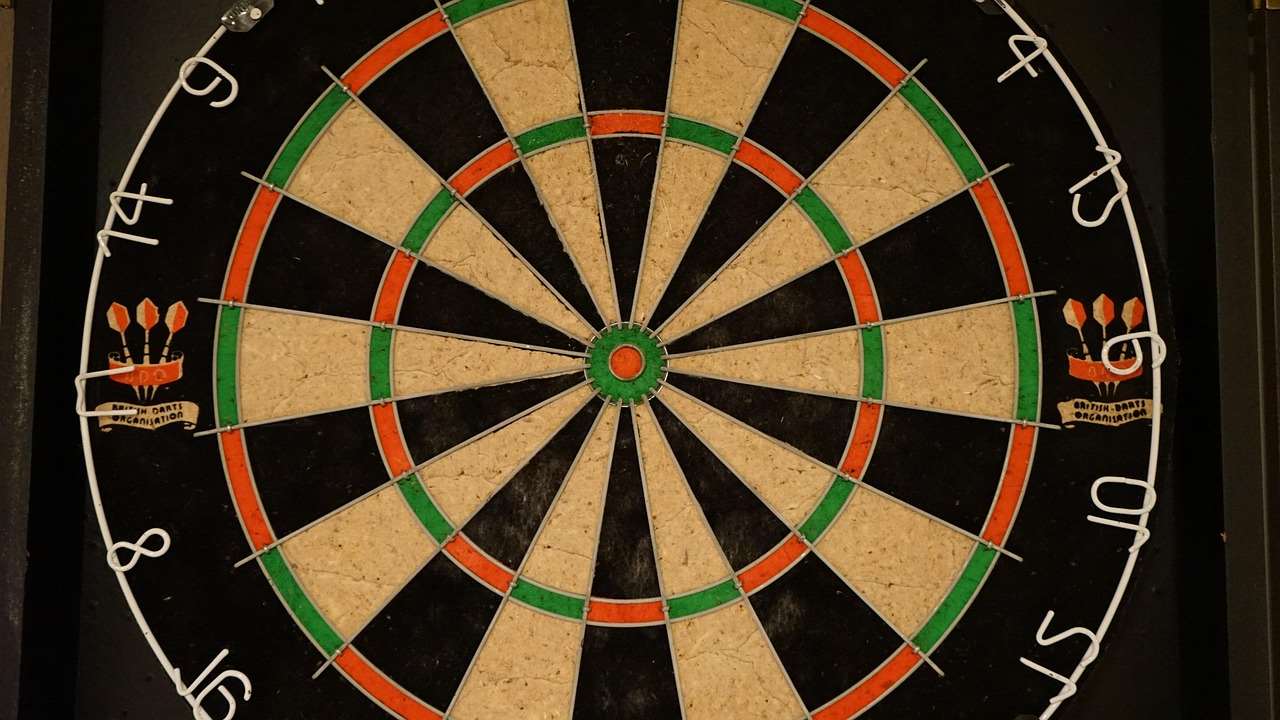
The type of dartboard you use can also influence how often your dart points become loose. Sisal dartboards, the most common type for steel-tip darts, generally provide a good balance of grip and durability. However, boards that are overly hard or worn can contribute to point loosening.
Electronic dartboards, designed for soft-tip darts, are not compatible with steel-tip darts. Using steel-tip darts on an electronic board will damage the board and almost certainly loosen or break your dart points.
Safety Considerations Beyond Point Looseness
While performing a loose dart points safety check is crucial, it’s important to consider other safety aspects of playing darts:
- Clear the Throwing Area: Ensure that there are no obstructions or people in the throwing area.
- Wear Eye Protection: Consider wearing safety glasses, especially if you are playing with children or inexperienced players.
- Proper Lighting: Ensure that the dartboard is well-lit to improve visibility and accuracy.
- Never Throw When Impaired: Avoid playing darts under the influence of alcohol or drugs.
- Teach Proper Throwing Technique: Correct throwing posture and release reduce chances of ricochets. Learn simplified 501 game rules for novice players.
Troubleshooting Common Issues
Even with regular maintenance, you may encounter some common issues with loose dart points:
- Point Keeps Loosening: If a point repeatedly loosens, the threads on the barrel or the point itself may be damaged. Consider replacing the point or, if the barrel is damaged, the entire dart.
- Point is Stuck: If a point is stuck and difficult to tighten or remove, try applying a small amount of penetrating oil (like WD-40) to the threads. Let it sit for a few minutes before attempting to move the point.
- Point Breaks Off: If a point breaks off inside the barrel, use a dart point removal tool to extract the broken piece.
Remember to always prioritize safety when dealing with any dart-related issues. If you’re unsure about how to proceed, consult a dart professional or experienced player.
The Long-Term Benefits of Proactive Dart Maintenance
Investing a little time in proactive dart maintenance, including regular loose dart points safety check, offers several long-term benefits. It saves you money by extending the life of your darts and dartboard. It improves your accuracy and consistency, leading to a more enjoyable and rewarding playing experience. Most importantly, it ensures the safety of yourself and others.
Taking care of your darts and dartboard is an investment in your game and your well-being. By following the tips and guidelines outlined in this article, you can enjoy the sport of darts safely and confidently for years to come. You may even want to consider exploring fun dart game variations.
Conclusion
Performing a routine loose dart points safety check is vital for preventing injuries and maintaining your dart equipment. By visually inspecting, wiggling, and pushing on the dart points regularly, you can identify and address potential issues before they escalate into safety hazards or equipment damage. Remember to use the appropriate tools for tightening loose points, and don’t hesitate to replace damaged points altogether. By prioritizing safety and maintenance, you can fully enjoy the game of darts with peace of mind.
Ready to elevate your dart game and ensure your safety? Take action today! Implement a regular loose dart points safety check routine, inspect your equipment, and replace any worn or damaged parts. Your safety and your equipment will thank you. Visit your local darts supply store or shop online for the tools and equipment you need to maintain your darts in top condition. Start enjoying a safer and more fulfilling dart-playing experience now!

Hi, I’m Dieter, and I created Dartcounter (Dartcounterapp.com). My motivation wasn’t being a darts expert – quite the opposite! When I first started playing, I loved the game but found keeping accurate scores and tracking stats difficult and distracting.
I figured I couldn’t be the only one struggling with this. So, I decided to build a solution: an easy-to-use application that everyone, no matter their experience level, could use to manage scoring effortlessly.
My goal for Dartcounter was simple: let the app handle the numbers – the scoring, the averages, the stats, even checkout suggestions – so players could focus purely on their throw and enjoying the game. It began as a way to solve my own beginner’s problem, and I’m thrilled it has grown into a helpful tool for the wider darts community.