Creating a thriving local darts league organization is key to fostering a vibrant darting community; this article provides a step-by-step guide to successfully establishing and managing your own league. We’ll explore everything from initial planning and member recruitment to scheduling matches and tracking statistics, ensuring your league becomes a beloved institution for darts enthusiasts.
⚠️ Still Using Pen & Paper (or a Chalkboard)?! ⚠️
Step into the future! The Dart Counter App handles all the scoring, suggests checkouts, and tracks your stats automatically. It's easier than you think!
Try the Smart Dart Counter App FREE!Ready for an upgrade? Click above!
Building Your Local Darts League Organization: A Comprehensive Guide
Starting a local darts league organization can seem daunting, but with careful planning and execution, it can be a rewarding experience for both you and your fellow dart players. The core of any successful league is a well-defined structure that promotes fair play, friendly competition, and a sense of community.
Phase 1: Initial Planning and Setup
Before you even think about recruiting members, you need a solid foundation. This phase involves several critical steps:
- Define Your League’s Purpose: What are your goals? Is it purely recreational, or do you aim to develop competitive players? This will influence your rules and structure.
- Choose a Venue: Secure a pub, club, or community center with suitable dartboards and space for players. Consider factors like accessibility, cost, and atmosphere.
- Establish a Governing Body: Designate key roles (e.g., League President, Secretary, Treasurer) and outline their responsibilities.
- Develop League Rules: Clearly define the rules of play, scoring system, and any specific regulations for your league. Standardize processes to ensure fair competition.

Creating clear and concise rules is absolutely crucial. These rules should cover everything from game format (e.g., 501, cricket) to tie-breaking procedures and player conduct. Make sure all members have access to the rules and understand them thoroughly. Regularly review and update the rules as needed based on player feedback and league experience.
Phase 2: Member Recruitment and Registration
Now that you have the infrastructure in place, it’s time to attract players. Effective recruitment strategies are essential for a thriving league.
- Spread the Word: Utilize local advertising, social media, flyers, and word-of-mouth to promote your league.
- Host Open Nights: Organize free darts nights to allow potential members to experience the league firsthand.
- Offer Incentives: Consider offering discounts on registration fees or other perks to attract early sign-ups.
- Simplify Registration: Make the registration process easy and convenient. Provide online registration options if possible.
Consider partnering with existing darts clubs or groups in your area to expand your reach. Networking with other darting communities can significantly boost your membership numbers and create valuable connections within the local darts scene. Emphasize the social aspect of the league to attract players seeking camaraderie and friendly competition. You can learn more about the social side of the game by reading Darts Culture And Community Guide.
Phase 3: Scheduling and Match Management
Efficient scheduling and match management are vital for keeping your league running smoothly.
- Create a Schedule: Develop a detailed schedule of matches, including dates, times, and locations. Use scheduling software or online tools to streamline the process.
- Assign Referees or Scorekeepers: Ensure that each match has a designated referee or scorekeeper to maintain fairness and accuracy.
- Track Results: Implement a system for tracking match results and updating league standings.
- Communicate Effectively: Keep players informed of schedule changes, announcements, and other important information.
Utilize online platforms or mobile apps to share schedules, results, and announcements with players. This can significantly reduce administrative overhead and improve communication efficiency. Consider implementing a handicap system to level the playing field and make matches more competitive for players of all skill levels. This encourages participation and makes for exciting matches, and you will want to Guide To Attending Darts Events, for inspiration.

Phase 4: Fostering a Positive League Environment
A positive and supportive league environment is crucial for player retention and overall success.
- Promote Sportsmanship: Encourage fair play, respect, and good sportsmanship among all members.
- Resolve Conflicts Fairly: Establish a clear process for resolving disputes and addressing player complaints.
- Organize Social Events: Host social events and activities outside of regular matches to foster camaraderie and build relationships.
- Recognize Achievements: Acknowledge and celebrate player achievements, such as high scores, consistent performance, and league milestones.
Implementing a code of conduct can help set clear expectations for player behavior and promote a respectful atmosphere. Regularly solicit feedback from members to identify areas for improvement and address any concerns proactively. Creating a sense of community is essential for long-term success. Positive communication is really important. A respectful atmosphere makes everyone want to come back and play.
The Importance of Clear Rules in Your Local Darts League Organization
Having well-defined and easily accessible league rules is paramount to the success of any local darts league organization. These rules serve as the foundation for fair play, prevent disputes, and ensure that all members are on the same page. When creating your league’s rules, consider the following:
- Game Format: Specify the game format (e.g., 501, cricket, doubles) and any variations.
- Scoring System: Clearly outline the scoring system and any specific rules related to scoring (e.g., bullseye value, checkout rules).
- Throwing Rules: Define the throwing rules, including foot placement, dart retrieval, and line violations.
- Match Procedures: Describe the procedures for starting and ending matches, resolving ties, and handling interruptions.
- Player Conduct: Establish rules for player conduct, including sportsmanship, respect for opponents, and appropriate behavior.
- Penalties: Specify the penalties for violating league rules, such as warnings, point deductions, or suspensions.
It is also important to create a process for revising and updating the rules as needed. Gather feedback from your players and use that feedback to adjust the rules as your league develops. Remember, the aim is to create a set of guidelines that promote enjoyment and fair competition for all involved. Be open to suggestions and try to be as fair as possible when making decisions. You might consider attending Experience Attending Live Darts to see how professionals deal with this.
Using Technology to Enhance Your Local Darts League Organization
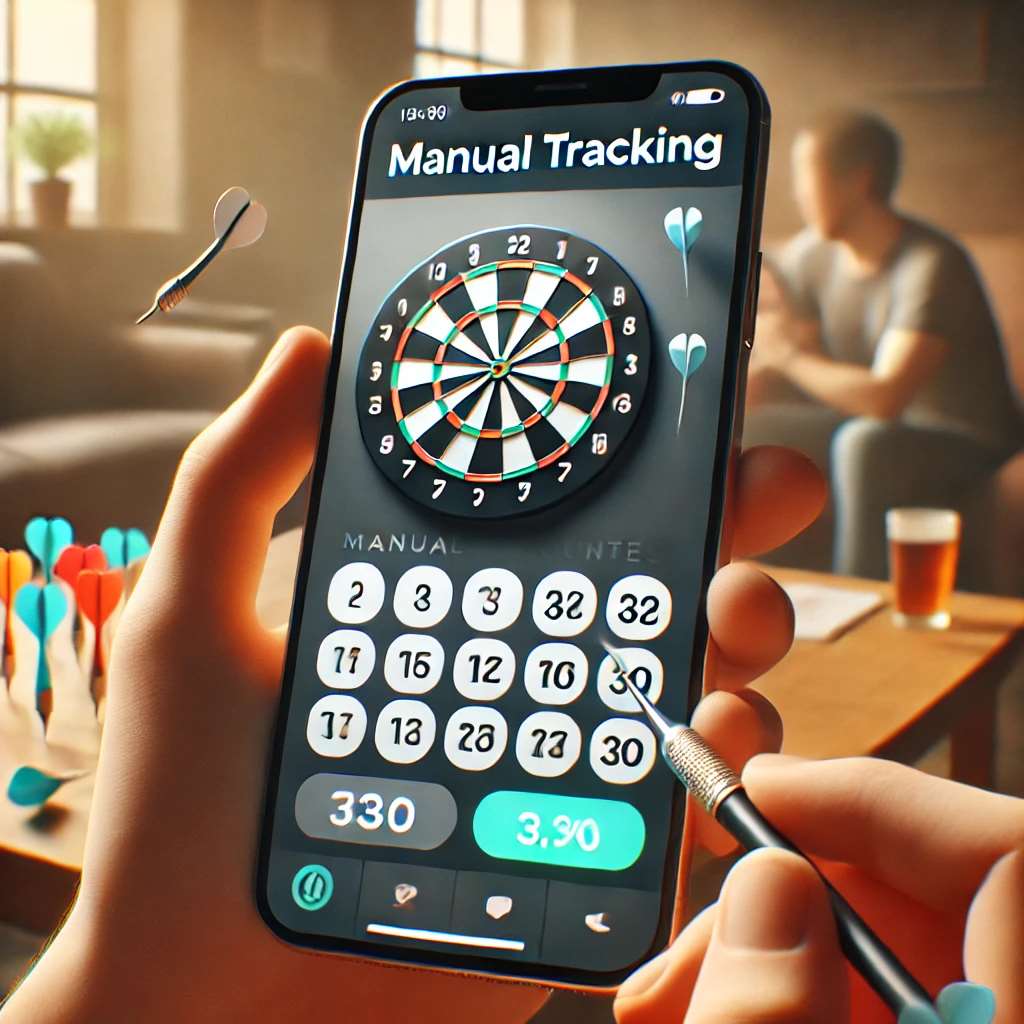
In today’s digital age, technology can be a powerful tool for streamlining operations and enhancing the player experience in your local darts league organization. Consider leveraging technology in the following ways:
- Online Registration: Implement an online registration system to simplify the registration process and collect player information efficiently.
- Scheduling Software: Utilize scheduling software or online tools to create and manage match schedules, track results, and communicate with players.
- League Website or App: Develop a league website or mobile app to provide players with access to schedules, results, standings, rules, and other important information.
- Live Scoring: Explore live scoring apps or software to allow players to track match scores in real-time and share results online.
- Communication Platforms: Use communication platforms like email, messaging apps, or social media to keep players informed of announcements, schedule changes, and other important updates.
By embracing technology, you can reduce administrative overhead, improve communication, and enhance the overall player experience. This can lead to increased member satisfaction and a more successful league. Make sure your league is easy to find online. A website, even a simple one, is a great way to attract new members and keep current members informed. Ensure your website is mobile-friendly, as many people will access it from their smartphones.
Securing Sponsorships for Your Local Darts League Organization
Obtaining sponsorships can provide valuable financial support for your local darts league organization, allowing you to enhance the player experience, offer prizes, and promote the league more effectively. Here are some tips for securing sponsorships:
- Identify Potential Sponsors: Target local businesses that align with your league’s values and target audience, such as pubs, restaurants, sports bars, and dart equipment retailers.
- Develop a Sponsorship Proposal: Create a compelling sponsorship proposal that outlines the benefits of sponsoring your league, such as increased brand visibility, access to a targeted audience, and opportunities for community engagement.
- Offer Different Sponsorship Levels: Provide different sponsorship levels with varying benefits to accommodate different budgets and marketing objectives.
- Highlight the Value Proposition: Emphasize the value proposition of sponsoring your league, such as the potential to reach a large and engaged audience, build brand awareness, and support a local community initiative.
- Build Relationships: Cultivate strong relationships with potential sponsors by attending local business events, networking with community leaders, and demonstrating your commitment to the local community.
Remember to always be professional and enthusiastic when approaching potential sponsors. Clearly articulate the benefits of sponsoring your league and tailor your proposal to meet their specific needs and objectives. A long-term partnership is more valuable than a one-time contribution. Ensure that sponsors receive recognition for their contributions throughout the season. Fan Culture At Live Darts is a big factor when getting sponsors.

Long-Term Growth and Sustainability of Your Local Darts League Organization
Ensuring the long-term growth and sustainability of your local darts league organization requires a proactive approach to planning, marketing, and member engagement.
- Develop a Strategic Plan: Create a strategic plan that outlines your league’s goals, objectives, and strategies for achieving them.
- Invest in Marketing and Promotion: Continuously invest in marketing and promotion efforts to attract new members and increase awareness of your league.
- Seek Feedback and Adapt: Regularly solicit feedback from members and use that feedback to improve your league’s operations and offerings.
- Foster a Strong Community: Cultivate a strong sense of community among your members by organizing social events, recognizing achievements, and promoting sportsmanship.
- Secure Long-Term Funding: Explore opportunities for securing long-term funding, such as sponsorships, grants, and fundraising events.
By focusing on long-term growth and sustainability, you can ensure that your local darts league organization remains a vibrant and thriving community for years to come. Always be looking for ways to improve the league. Don’t be afraid to try new things and experiment with different formats or events. A successful league is one that is constantly evolving and adapting to meet the needs of its members.
Common Challenges and How to Overcome Them in Your Local Darts League Organization
Even with careful planning, local darts league organizations can face challenges. Being prepared to address these challenges is crucial.
- Declining Membership: If membership is declining, investigate the reasons why and implement strategies to attract new players, such as offering incentives or hosting introductory events.
- Scheduling Conflicts: Resolve scheduling conflicts by communicating effectively with players and using flexible scheduling tools.
- Disputes and Conflicts: Establish a clear process for resolving disputes and conflicts fairly and impartially.
- Lack of Funding: Address a lack of funding by actively seeking sponsorships, grants, or fundraising opportunities.
- Volunteer Burnout: Prevent volunteer burnout by delegating tasks, recognizing contributions, and providing support and training.
By anticipating potential challenges and developing proactive strategies to address them, you can ensure the long-term success of your darts league. Remember that open communication and a willingness to adapt are key to overcoming any obstacles. A well-run league will continue to thrive even when facing adversity. And if you need to travel for darts, review Travel Tips For Darts Tournaments.
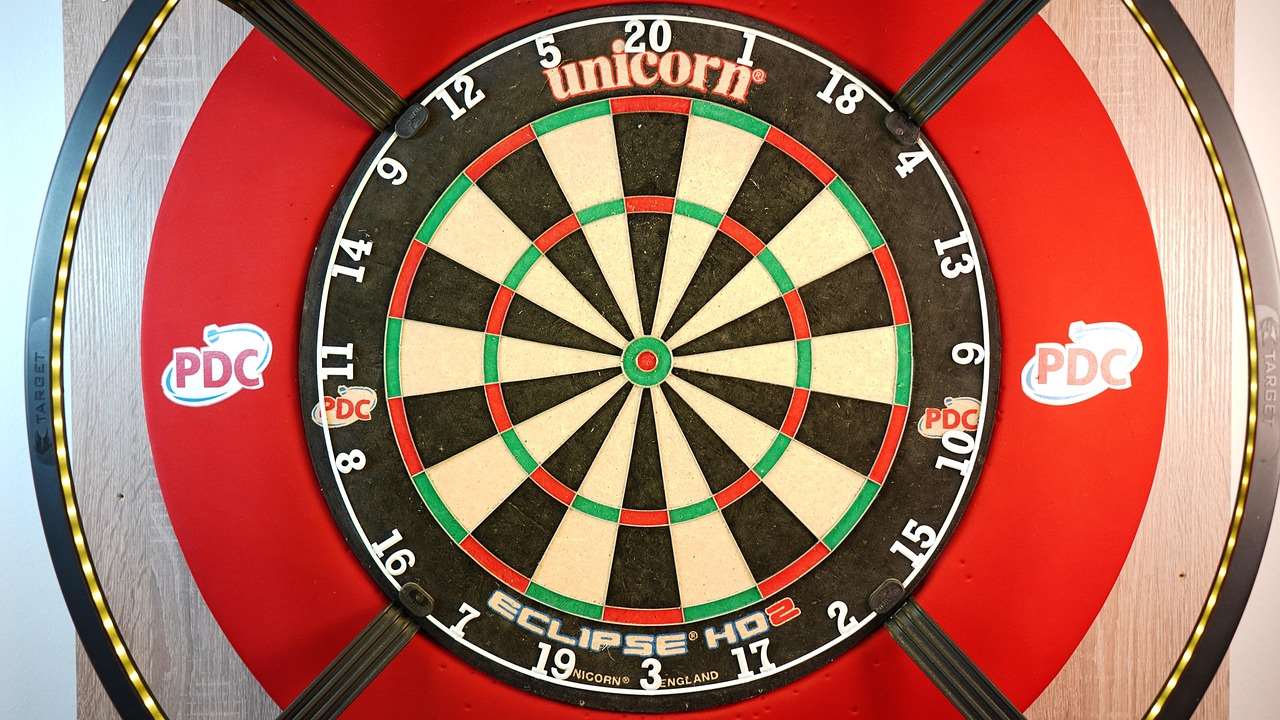
Effectively managing a Local Darts League Organization involves meticulous planning, efficient scheduling, and fostering a vibrant community spirit. Creating a league that provides consistent enjoyment for players requires dedication, but ultimately results in a valuable social and competitive outlet.
Conclusion: Building a Thriving Local Darts Community
Creating and maintaining a successful local darts league organization requires dedication, careful planning, and a commitment to fostering a positive and engaging environment for all players. From defining your league’s purpose and recruiting members to managing schedules and securing sponsorships, each step is crucial for building a thriving darts community. By implementing the strategies outlined in this guide, you can create a league that provides consistent enjoyment for players of all skill levels and contributes to the growth of darts in your local area. Now, grab your darts and start building your own successful league today!

Hi, I’m Dieter, and I created Dartcounter (Dartcounterapp.com). My motivation wasn’t being a darts expert – quite the opposite! When I first started playing, I loved the game but found keeping accurate scores and tracking stats difficult and distracting.
I figured I couldn’t be the only one struggling with this. So, I decided to build a solution: an easy-to-use application that everyone, no matter their experience level, could use to manage scoring effortlessly.
My goal for Dartcounter was simple: let the app handle the numbers – the scoring, the averages, the stats, even checkout suggestions – so players could focus purely on their throw and enjoying the game. It began as a way to solve my own beginner’s problem, and I’m thrilled it has grown into a helpful tool for the wider darts community.