Successful local darts events planning hinges on careful organization and creating a fun, engaging atmosphere that attracts players of all skill levels. This article guides you through every step of planning a memorable darts event, from initial concept to post-event wrap-up, ensuring a smooth and profitable experience.
⚠️ Still Using Pen & Paper (or a Chalkboard)?! ⚠️
Step into the future! The Dart Counter App handles all the scoring, suggests checkouts, and tracks your stats automatically. It's easier than you think!
Try the Smart Dart Counter App FREE!Ready for an upgrade? Click above!
Laying the Groundwork: Defining Your Darts Event
The initial phase of Local Darts Events Planning is all about solidifying your vision. What kind of event are you envisioning? Is it a casual pub night, a competitive tournament, or a charity fundraiser centered around darts? Clearly defining the event type dictates everything that follows, from budgeting to marketing.
Defining Your Target Audience
Understanding your audience is crucial. Are you targeting seasoned professionals, casual players, or a mix of both? Consider the skill levels and preferences of your intended participants. This will influence the event’s format, rules, and overall atmosphere. For instance, a serious tournament requires stricter rules and higher stakes compared to a relaxed pub darts evening.
Choosing the Right Venue
The venue plays a pivotal role. It should be accessible, spacious enough to accommodate multiple dartboards and players comfortably, and have adequate lighting. Consider factors like parking availability, proximity to public transportation, and the overall ambiance. A well-chosen venue can significantly enhance the player experience and contribute to the event’s success. Check out Darts Culture And Community Guide for more information on darts communities.

Budgeting and Funding for Your Darts Event
Creating a detailed budget is essential for the financial health of your event. Itemize all anticipated expenses, including venue rental, dartboard and equipment purchases (or rentals), prizes, marketing materials, refreshments, and staff costs. Explore potential revenue streams, such as entry fees, sponsorships, food and beverage sales, and merchandise sales.
Securing Sponsorships
Sponsorships can significantly offset event costs. Identify potential sponsors whose brands align with darts or your target audience. Prepare a compelling sponsorship proposal outlining the benefits of sponsoring your event, such as brand visibility, access to your audience, and opportunities for engagement. Offer various sponsorship tiers with corresponding benefits to cater to different budget levels.
Entry Fees and Prize Pools
Determine appropriate entry fees based on the event’s format, prize pool, and overall value proposition. Consider offering tiered entry fees for different skill levels or competition categories. Clearly communicate the prize distribution structure to attract participants and ensure transparency. A well-structured prize pool can incentivize participation and create a competitive atmosphere. Understanding Atmosphere At Live Darts Matches is also helpful.
Promoting Your Darts Event: Spreading the Word
Effective marketing is crucial for attracting participants. Utilize a multi-channel approach to reach your target audience. Leverage social media platforms, email marketing, local community boards, and darts-related websites and forums to promote your event.
Social Media Marketing
Create engaging content on social media to generate buzz around your event. Share event details, player spotlights, behind-the-scenes glimpses, and promotional offers. Utilize relevant hashtags to increase visibility and reach a wider audience. Consider running targeted advertising campaigns to reach specific demographics and interests. Engage with your followers and respond to their inquiries promptly.
Email Marketing
Build an email list of potential participants and send out regular updates about your event. Share registration information, highlight key players, announce sponsors, and offer exclusive discounts. Segment your email list based on interests and demographics to personalize your messaging and increase engagement.

Community Outreach
Reach out to local dart clubs, pubs, and community centers to promote your event. Distribute flyers, posters, and brochures in high-traffic areas. Partner with local businesses to offer cross-promotional opportunities. Attend local darts events to network and spread the word about your event.
Event Day Management: Ensuring a Smooth Experience
Careful planning and execution are essential for a successful event day. Ensure you have adequate staff to manage registration, scoring, refereeing, and other logistical aspects. Clearly communicate the rules and regulations to all participants. Create a welcoming and enjoyable atmosphere for everyone involved.
Registration and Check-In
Streamline the registration process to minimize delays and ensure a smooth check-in experience. Provide clear signage and instructions. Have enough staff on hand to handle registrations efficiently. Consider offering online registration to simplify the process and reduce queues.
Scoring and Refereeing
Implement a clear and accurate scoring system. Train referees to enforce the rules fairly and consistently. Provide scoreboards or electronic scoring systems to track progress and display results. Address any disputes promptly and professionally.
Creating a Fun and Engaging Atmosphere
Enhance the overall experience by creating a fun and engaging atmosphere. Provide music, refreshments, and opportunities for socializing. Organize side games and contests to keep participants entertained between matches. Recognize and reward top performers with prizes and accolades. Consider the tips on Travel Tips For Darts Tournaments to make event more engaging.
Darts Equipment and Setup: Ensuring Quality and Safety
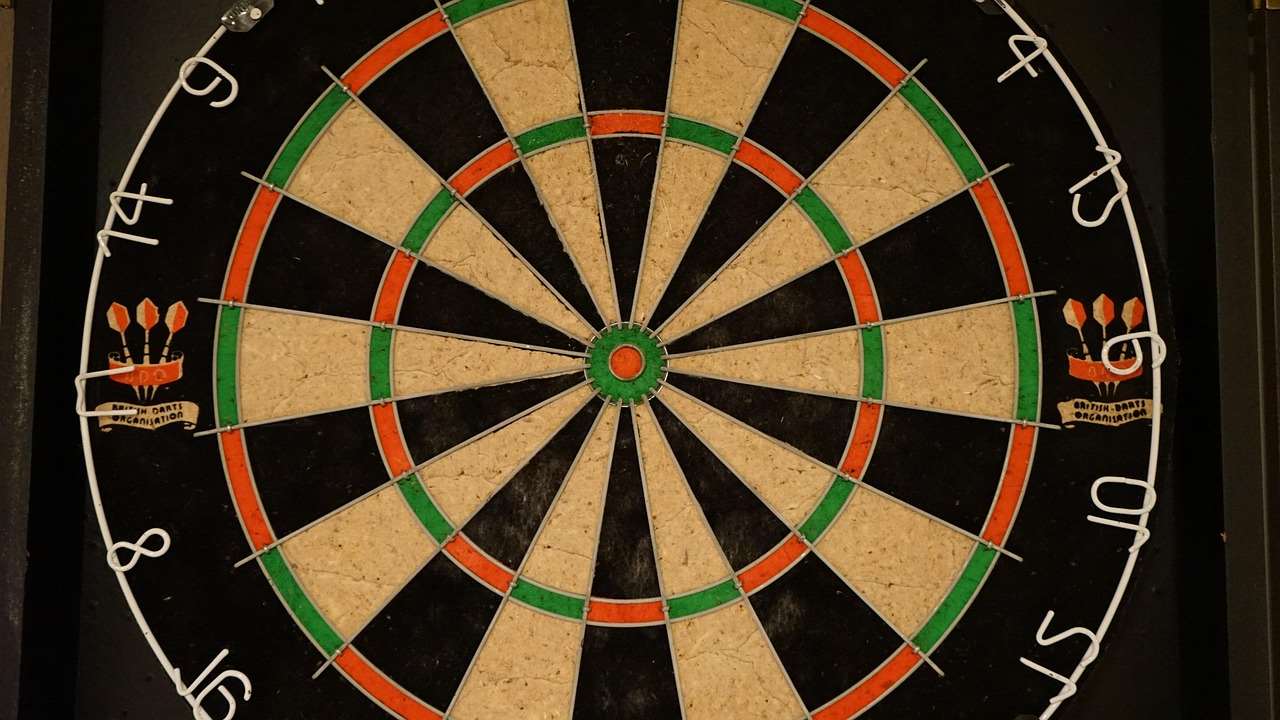
The quality of the darts equipment directly impacts the player experience. Ensure that dartboards are in good condition, well-lit, and properly mounted. Provide a variety of dart weights and styles to cater to different player preferences. Prioritize safety by establishing clear rules regarding dartboard placement and player positioning.
Dartboard Selection and Maintenance
Choose high-quality dartboards made from sisal fiber for durability and self-healing properties. Regularly rotate dartboards to distribute wear evenly. Replace dartboards when they become excessively worn or damaged. Ensure that dartboards are securely mounted and properly aligned. Also consider the Getting Tickets For Darts Events to ensure a quality experience.
Dart Selection and Variety
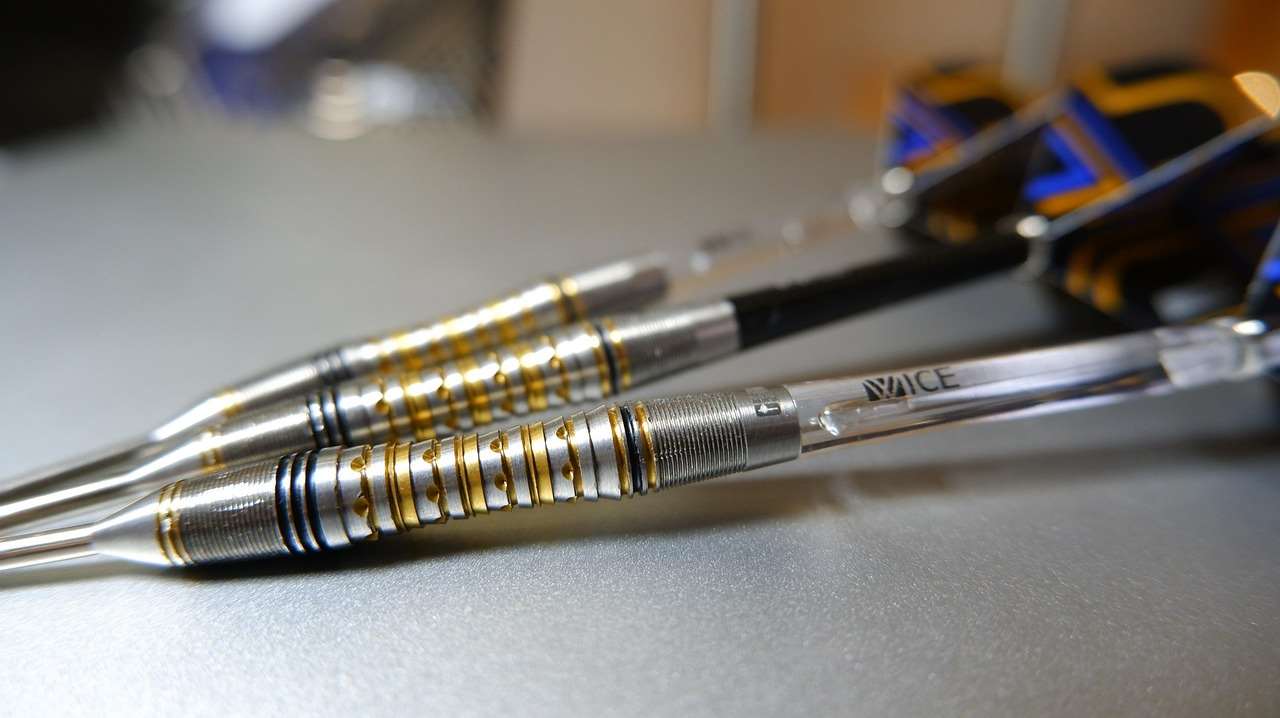
Offer a variety of dart weights and styles to cater to different player preferences. Consider providing a selection of brass, tungsten, and steel-tipped darts. Ensure that darts are in good condition and properly maintained. Provide sharpening stones or other tools for players to maintain their darts.
Safety Considerations
Establish clear rules regarding dartboard placement and player positioning to prevent accidents. Ensure that there is adequate space around each dartboard to allow for safe throwing. Provide safety barriers or netting to protect spectators. Clearly mark off-limits areas and enforce safety regulations strictly.

Post-Event Wrap-Up: Analyzing and Improving
The event isn’t over once the last dart is thrown. Conduct a thorough post-event analysis to identify what worked well and what could be improved. Gather feedback from participants and sponsors. Use this information to refine your Local Darts Events Planning process for future events.
Gathering Feedback
Solicit feedback from participants through surveys, questionnaires, or informal conversations. Ask for their opinions on various aspects of the event, such as the venue, format, organization, and overall experience. Encourage them to provide suggestions for improvement. Consider online surveys for reaching larger audience.
Analyzing Financial Performance
Compare your actual revenue and expenses to your budget. Identify any areas where you overspent or underspent. Calculate your profit margin and return on investment. Use this information to refine your budgeting process for future events. Accurate financial tracking is vital for long term planning.
Identifying Areas for Improvement
Based on the feedback you receive and your financial analysis, identify areas where you can improve your event planning process. This could include improving your marketing efforts, streamlining your registration process, enhancing the player experience, or reducing your expenses. Implement these improvements in your next event to achieve even greater success.
Legal and Insurance Considerations for Darts Events
Before organizing any darts event, it’s crucial to address the legal and insurance aspects to protect yourself and your participants. This section highlights essential considerations to ensure compliance and mitigate potential risks.
Liability Insurance
Obtain adequate liability insurance to cover any potential accidents or injuries that may occur during the event. Ensure that your insurance policy covers darts-related activities and provides sufficient coverage for personal injury and property damage. Consult with an insurance professional to determine the appropriate level of coverage for your event.
Permits and Licenses
Check with your local authorities to determine if any permits or licenses are required to host a darts event. This may include permits for serving alcohol, operating a business, or using public spaces. Obtain all necessary permits and licenses before your event to avoid legal issues.
Age Restrictions and Alcohol Service
If your event involves alcohol service, ensure that you comply with all applicable laws and regulations regarding age restrictions and responsible alcohol service. Train your staff to identify underage individuals and prevent them from consuming alcohol. Implement procedures to prevent over-serving and ensure the safety of your participants. Understanding the Fan Culture At Live Darts is crucial to ensure events are safe for everyone involved.
Conclusion: Planning Your Darts Event for Success
Local Darts Events Planning demands meticulous attention to detail, from defining your event concept to securing funding and promoting your event effectively. By following the steps outlined in this guide, you can create a memorable and profitable darts event that caters to your target audience. Remember to gather feedback, analyze your results, and continuously improve your planning process to ensure ongoing success. Now, get out there and start planning your next great darts event!

Hi, I’m Dieter, and I created Dartcounter (Dartcounterapp.com). My motivation wasn’t being a darts expert – quite the opposite! When I first started playing, I loved the game but found keeping accurate scores and tracking stats difficult and distracting.
I figured I couldn’t be the only one struggling with this. So, I decided to build a solution: an easy-to-use application that everyone, no matter their experience level, could use to manage scoring effortlessly.
My goal for Dartcounter was simple: let the app handle the numbers – the scoring, the averages, the stats, even checkout suggestions – so players could focus purely on their throw and enjoying the game. It began as a way to solve my own beginner’s problem, and I’m thrilled it has grown into a helpful tool for the wider darts community.