The legal dart weight limit is 50 grams, according to the official rules of most dart organizations, including the World Darts Federation (WDF) and the Professional Darts Corporation (PDC). In this comprehensive guide, we’ll delve into the specifics of dart weight regulations, explore how weight affects your game, and provide insights into choosing the right dart weight for your playing style.
⚠️ Still Using Pen & Paper (or a Chalkboard)?! ⚠️
Step into the future! The Dart Counter App handles all the scoring, suggests checkouts, and tracks your stats automatically. It's easier than you think!
Try the Smart Dart Counter App FREE!Ready for an upgrade? Click above!
Understanding Legal Dart Weight Regulations
When stepping up to the oche, it’s essential to know the rules. One of the fundamental regulations revolves around the legal dart weight. While the 50-gram limit is universally accepted in professional and most amateur leagues, it’s always wise to double-check the specific rules of the competition you’re participating in. Some smaller, local leagues might have slightly different variations.
The weight restriction ensures fair play, preventing players from using overly heavy darts that might offer an unfair advantage in terms of stability or trajectory. This regulation is in place to maintain the integrity of the game and ensure that skill, rather than equipment manipulation, determines the outcome.
Beyond the weight, dart regulations may also cover the overall length and material composition of the dart. These combined rules ensure a level playing field and promote a consistent standard across all levels of competition.
Why Does Dart Weight Matter?
The weight of your darts is a crucial factor influencing your throw, accuracy, and overall darting experience. Different weights can significantly impact several aspects of your game:
- Trajectory: Heavier darts tend to have a straighter trajectory, while lighter darts might arc more during flight.
- Stability: Heavier darts are generally more stable in the air, making them less susceptible to wobble or drift.
- Control: The ideal weight allows for a comfortable and controlled release, preventing jerky or inconsistent throws.
- Grouping: Consistent grouping, or the ability to land darts close together, is often improved by finding the right weight.
- Fatigue: Lighter darts might require more force to throw, potentially leading to fatigue over longer matches. Heavier darts can cause fatigue as well, depending on your throwing style.
Ultimately, the “best” dart weight is subjective and depends on your individual throwing style, grip, and physical strength. Experimentation is key to finding what works best for you.
Finding Your Ideal Dart Weight
Discovering the perfect dart weight is a journey of experimentation and self-discovery. There’s no one-size-fits-all answer, as the ideal weight depends on individual factors. Here’s a breakdown of how to approach finding your optimal weight:
- Start with a range: Most players find success within the 22-26 gram range. Begin by trying darts within this range to get a feel for different weights.
- Consider your grip: If you have a soft grip, you might benefit from heavier darts that provide more stability. A firmer grip might pair well with lighter darts.
- Analyze your throw: Do you have a fast, powerful throw or a more controlled, deliberate style? Adjust your weight accordingly.
- Experiment with different barrel shapes: The barrel shape and balance point also play a role. Try torpedo-shaped, straight, or scalloped barrels to see which feels most comfortable. You can always Choose Best Dart Equipment to find the optimal configuration for you.
- Practice consistently: Once you’ve narrowed down your options, practice regularly with each weight to assess your accuracy and consistency.
Don’t be afraid to try weights outside the typical range. Some players, especially those with unique throwing styles, might find success with darts lighter than 22 grams or heavier than 26 grams.
The Impact of Dart Material and Balance
While legal dart weight is a primary consideration, the material composition and balance of your darts also significantly influence their performance. Different materials offer varying levels of grip, durability, and density, which can affect your throw and accuracy.
Dart materials commonly used include:
- Brass: Brass darts are typically the most affordable option, making them a good starting point for beginners. However, they are less durable and tend to be bulkier than other materials.
- Nickel Silver: Nickel silver darts offer a balance between affordability and durability. They provide better grip than brass darts but are still less dense than tungsten darts.
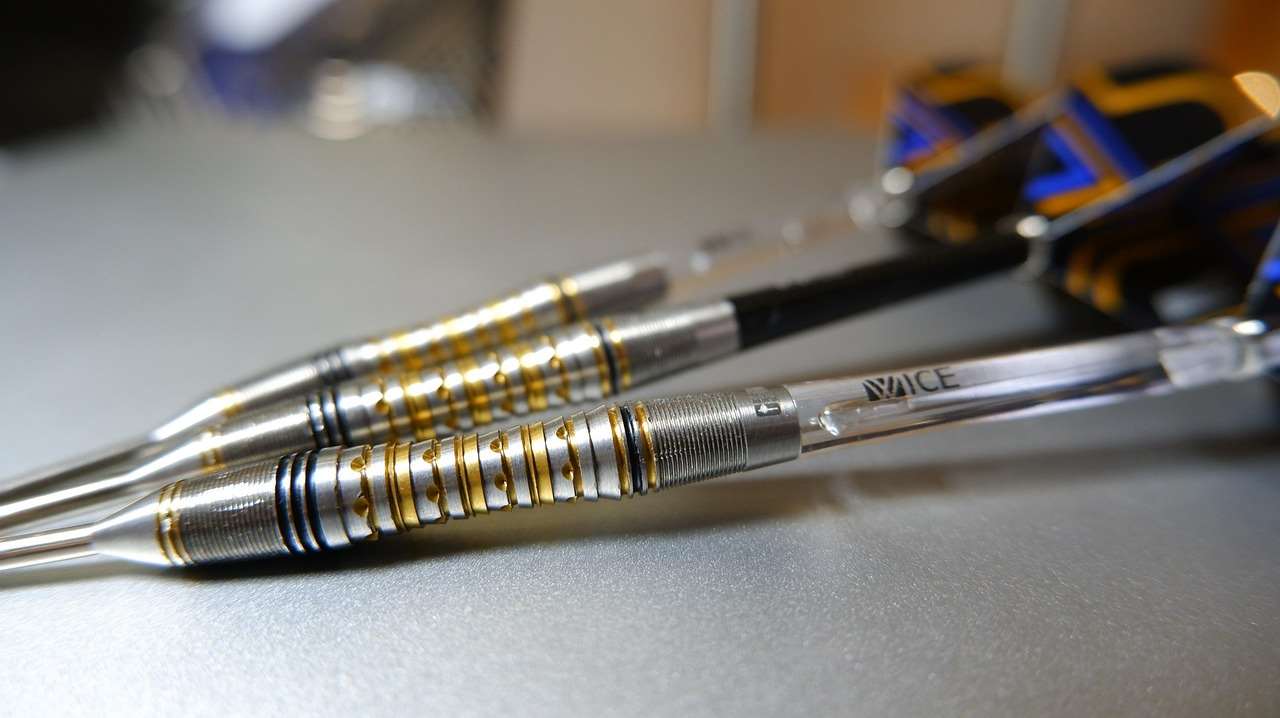
- Tungsten: Tungsten darts are the preferred choice of professional players. Tungsten is a very dense metal, allowing for slimmer barrels with a higher weight concentration. This results in improved grouping and accuracy.
The balance of a dart refers to the location of its center of gravity. Front-weighted darts tend to fly straighter, while rear-weighted darts might require more control. Center-weighted darts offer a balance between stability and maneuverability.
Maintaining Your Darts for Optimal Performance
Even with the perfect legal dart weight, maintaining your darts is crucial for consistent performance. Regular cleaning and care will extend the lifespan of your darts and ensure they perform optimally.
- Cleaning: Clean your darts regularly with a soft cloth to remove dirt, oil, and grime. You can use a mild soap and water solution for more thorough cleaning.
- Sharpening: Keep your dart points sharp using a dart sharpener. Sharp points allow the darts to stick more easily in the dartboard and reduce bounce-outs.
- Replacing Flights and Shafts: Regularly inspect your flights and shafts for damage or wear. Replace them as needed to maintain proper flight and stability.
- Storage: Store your darts in a dart case to protect them from damage and prevent bending or breakage.
Investing in a dart maintenance kit can help you keep your darts in top condition and ensure consistent performance over time.
The Psychology of Dart Weight
Interestingly, the perceived weight of a dart can also influence your performance. This is where the psychology of the game comes into play. A dart that feels “right” in your hand, even if it’s not objectively the perfect weight, can boost your confidence and improve your focus.
Some players prefer the feeling of a heavier dart, associating it with power and control. Others prefer the nimbleness and responsiveness of a lighter dart. The key is to find a weight that inspires confidence and allows you to throw with a relaxed and natural motion.
Don’t underestimate the power of placebo. If you believe a particular dart weight will improve your game, it might actually do so, regardless of whether it’s objectively the best choice. Consider exploring the different types of Optimal Dartboard Lighting for a better playing experience.
Understanding Dartboard Regulations and Setup
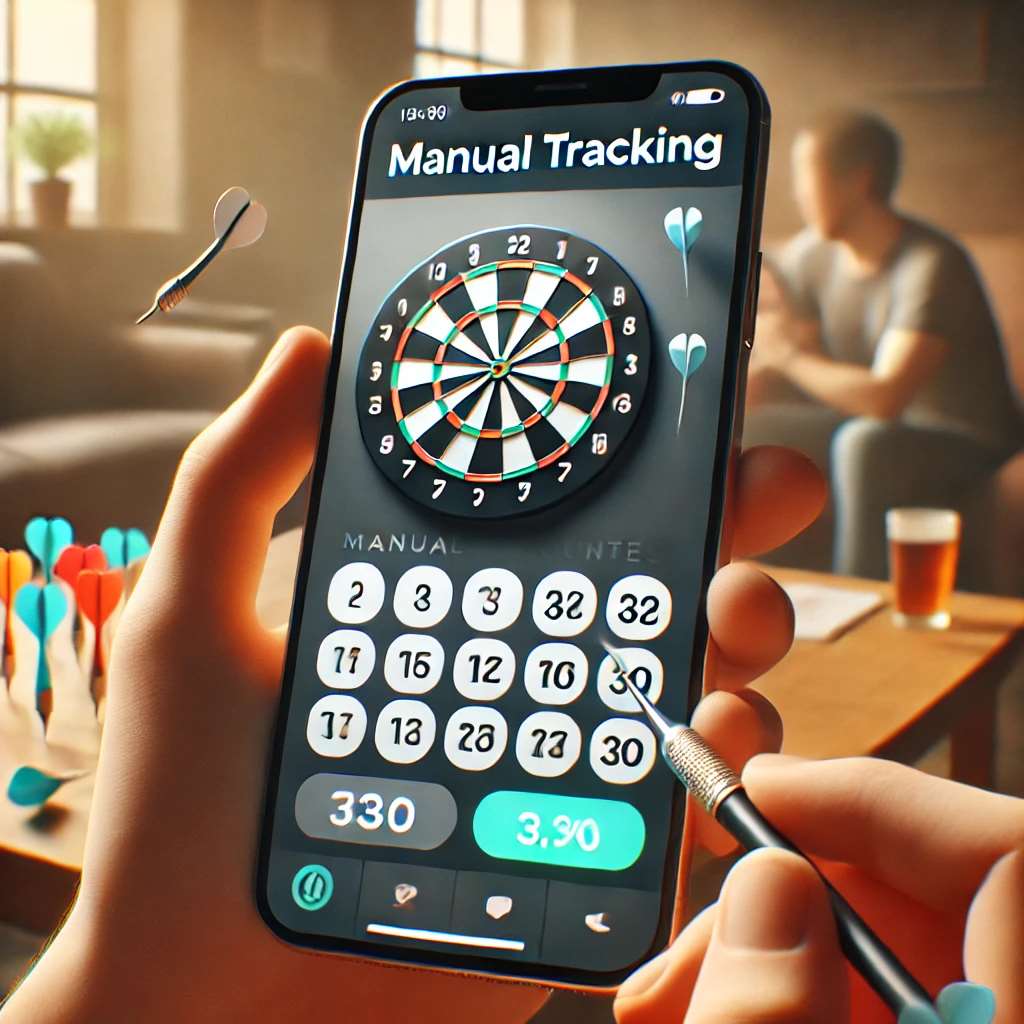
While focusing on the legal dart weight is important, setting up your dartboard correctly is equally crucial for a fair and enjoyable game. Official dartboard regulations dictate specific measurements and placement guidelines.
- Height: The center of the bullseye should be 5 feet 8 inches (1.73 meters) from the floor.
- Distance: The oche, or throwing line, should be 7 feet 9 1/4 inches (2.37 meters) from the face of the dartboard.
- Material: Dartboards are typically made of sisal fibers, which are tightly compressed to create a durable and self-healing surface.
Ensure your dartboard is properly mounted and illuminated to minimize shadows and distractions. Proper lighting can significantly improve your accuracy and reduce eye strain. Check out these Optimal Dartboard Lighting Solutions Guide for comprehensive insights.
Beyond the Legal Dart Weight: Other Equipment Considerations
While legal dart weight is a key component of your dart setup, it’s not the only factor that influences your performance. Consider the following equipment aspects to optimize your game:
- Flights: Flights affect the aerodynamic properties of your darts. Experiment with different shapes, sizes, and materials to find what provides the best stability and accuracy.
- Shafts: Shafts connect the flights to the barrel. Different lengths and materials can affect the balance and trajectory of your darts.
- Dartboard: Choose a high-quality dartboard made of sisal fibers for optimal durability and self-healing properties.
- Lighting: Proper dartboard lighting is crucial for reducing shadows and improving visibility. You can always read about LED Dartboard Lights Benefits.
- Oche: A clearly marked oche ensures consistent throwing distances.
Advanced Dart Weight Strategies
As you become more experienced, you might explore advanced dart weight strategies to fine-tune your game. This could involve experimenting with micro-adjustments in weight or strategically using different weights for different situations.
- Micro-Adjustments: Even small changes in weight (e.g., 0.5 grams) can impact your throw and accuracy. Experiment with micro-adjustments to dial in your perfect weight.
- Situational Weight Changes: Some players use different weights for different games or even different legs of the same game. For example, you might use heavier darts for scoring and lighter darts for finishing.
- Weight Distribution: Experiment with different weight distributions (front-weighted, rear-weighted, center-weighted) to see which best complements your throwing style.
These advanced strategies require a deep understanding of your own game and a willingness to experiment. Be patient and methodical in your approach, and track your results to identify what works best for you.
Frequently Asked Questions About Legal Dart Weight
Here are some common questions about legal dart weight:
Q: What happens if my darts are overweight?
A: If your darts exceed the 50-gram limit, you will be disqualified from the competition. It’s essential to weigh your darts before playing in any sanctioned event.
Q: Can I modify my darts to adjust their weight?
A: Yes, you can modify your darts by adding or removing weight. However, ensure that your darts still comply with the legal dart weight limit after any modifications.
Q: Does the length of the dart affect its legal weight?
A: While the length of the dart is regulated separately, it doesn’t directly affect the legal dart weight. You can have a longer or shorter dart as long as it doesn’t exceed the weight limit.
Conclusion
Understanding and adhering to the legal dart weight regulations is fundamental to playing fair and competing at any level. Finding the right dart weight for your individual throwing style is a crucial step towards improving your accuracy, consistency, and overall darting enjoyment. Remember to experiment with different weights, materials, and balance points to discover what works best for you. Consistent practice and proper dart maintenance will further enhance your performance. So, grab your darts, find your sweet spot, and aim for the bullseye! Consider visiting Types Optimal Dartboard Lighting to fully optimize your dart playing experience.

Hi, I’m Dieter, and I created Dartcounter (Dartcounterapp.com). My motivation wasn’t being a darts expert – quite the opposite! When I first started playing, I loved the game but found keeping accurate scores and tracking stats difficult and distracting.
I figured I couldn’t be the only one struggling with this. So, I decided to build a solution: an easy-to-use application that everyone, no matter their experience level, could use to manage scoring effortlessly.
My goal for Dartcounter was simple: let the app handle the numbers – the scoring, the averages, the stats, even checkout suggestions – so players could focus purely on their throw and enjoying the game. It began as a way to solve my own beginner’s problem, and I’m thrilled it has grown into a helpful tool for the wider darts community.