Want to dramatically improve your dart game? The **killer strategy hitting doubles** consistently involves mastering your setup, aiming, and release. This guide provides a comprehensive breakdown of techniques, practice drills, and mental strategies to transform your ability to consistently hit those crucial double targets.
⚠️ Still Using Pen & Paper (or a Chalkboard)?! ⚠️
Step into the future! The Dart Counter App handles all the scoring, suggests checkouts, and tracks your stats automatically. It's easier than you think!
Try the Smart Dart Counter App FREE!Ready for an upgrade? Click above!
The Importance of Mastering Doubles in Darts
In the world of darts, hitting doubles is not just about luck; it’s a critical skill that separates casual players from serious contenders. Whether you’re playing ’01 games, cricket, or any other variation, the ability to accurately target and hit doubles is essential for closing out legs and winning matches. A well-executed killer strategy hitting doubles becomes your ultimate weapon.
Without consistent double hitting ability, you’ll find yourself stuck on awkward scores, constantly giving your opponent opportunities to capitalize. Mastering this aspect of the game not only boosts your scoring power but also significantly enhances your confidence and overall performance.
Developing a robust doubles strategy requires dedicated practice and a deep understanding of the techniques involved. This includes everything from your stance and grip to your aiming point and release technique.
Developing Your Stance for Double Accuracy
Your stance is the foundation of your dart throwing motion. A stable and balanced stance allows for consistent delivery and reduces unnecessary movement that can throw off your aim. There are several stance variations, but the key is to find one that feels comfortable and allows you to maintain a steady posture throughout your throw. A good Basic Darts Fundamentals for Beginners course will emphasize stance early on.
- The Front-On Stance: This involves facing the dartboard directly, with both feet aligned towards the target. It provides maximum stability but can restrict your throwing arm’s range of motion.
- The Angled Stance: This is the most common stance, where you angle your body slightly towards the board. It allows for a more natural throwing motion and better arm extension. Experiment with different angles to find what feels most comfortable.
- Weight Distribution: Regardless of your stance, maintain a slight forward lean with your weight primarily on your front foot. This helps you transfer power into your throw and prevents you from leaning back, which can cause you to throw high.
Experiment with different foot positions and weight distribution to find what gives you the best balance and control. Remember, consistency is key, so stick with a stance that you can reliably replicate every time you step up to the oche (throwing line).
Grip Techniques for Consistent Double Hitting
Your grip is your connection to the dart, and it plays a crucial role in your accuracy. A consistent grip allows you to release the dart with the same amount of force and spin every time, minimizing variations in your throw. There’s no one-size-fits-all grip, so it’s important to experiment and find what works best for you.
- Pencil Grip: Holding the dart like a pencil, with your thumb and index finger providing the primary support.
- Modified Pencil Grip: Similar to the pencil grip, but with additional fingers providing support and control.
- The 3-Finger Grip: Using your thumb, index finger, and middle finger to hold the dart.
- The 4-Finger Grip: Incorporating your ring finger for added stability.
Regardless of the grip you choose, make sure it’s firm enough to maintain control of the dart but not so tight that it causes tension in your arm. Tension can lead to inconsistent releases and affect your accuracy. The ideal grip allows the dart to flow smoothly from your hand without any unnecessary interference.
Focus on maintaining the same grip pressure throughout your throw. Avoid squeezing or adjusting your grip mid-motion, as this can alter the dart’s trajectory.
The Art of Aiming: Targeting Doubles Precisely
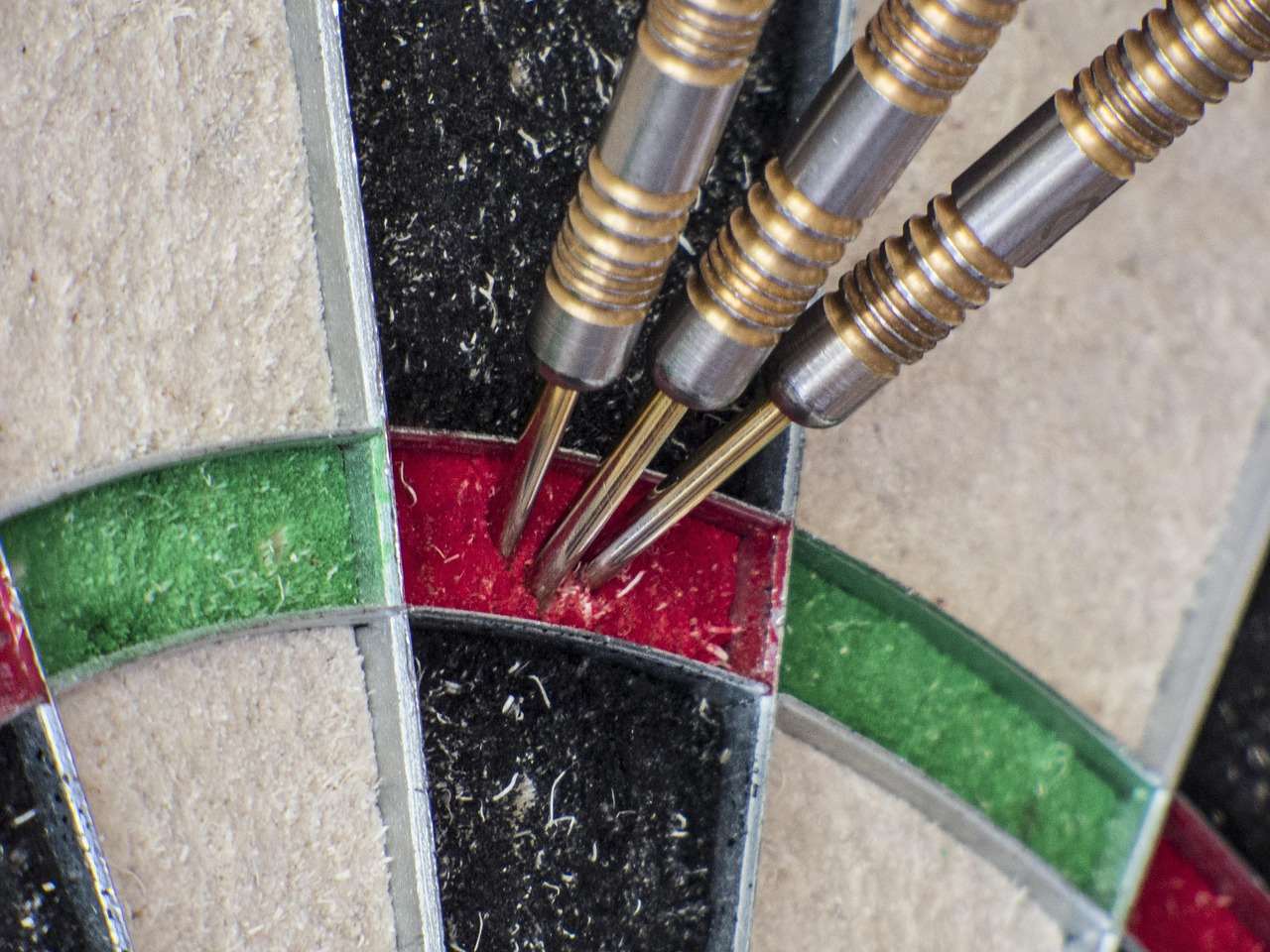
Accurate aiming is paramount to successfully hitting doubles. While it may seem obvious, the key is to focus intently on your target and visualize the dart’s path before you release it. Many players underestimate the importance of a precise aiming routine. This is a key element in a killer strategy hitting doubles.
- Visual Focus: Before you begin your throwing motion, take a moment to fix your gaze on the specific double you’re targeting. This helps to mentally lock in your aim and improve your focus.
- Pre-Throw Visualization: Visualize the dart traveling from your hand to the target. This mental rehearsal can improve your accuracy by priming your muscles and reinforcing the desired trajectory.
- Reference Points: Use reference points on the dartboard to help you align your aim. For example, you can use the number wire or the bullseye as a guide to ensure your dart is properly aligned with the double you’re aiming for.
Don’t be afraid to adjust your stance or grip slightly to fine-tune your aim. Small adjustments can make a big difference in your accuracy.
Remember to breathe deeply and relax before each throw. Tension can negatively impact your aim, so it’s important to stay calm and focused.
Perfecting Your Release: Achieving a Smooth and Consistent Throw
A smooth and consistent release is essential for transferring your aim into accurate dart placement. The goal is to release the dart at the same point in your throwing motion every time, minimizing variations in trajectory and spin. Consistent practice is vital in mastering this technique, and will significantly boost your doubles hitting strategy.
- The Follow-Through: After releasing the dart, continue your throwing motion with a smooth follow-through. This helps to ensure a consistent release point and prevents you from cutting off your throw prematurely.
- Arm Extension: Fully extend your arm towards the target during your follow-through. This allows you to generate maximum power and accuracy.
- Wrist Action: Use a smooth wrist flick to impart spin on the dart. Spin helps to stabilize the dart in flight and improve its accuracy.
Practice your release technique repeatedly, focusing on smoothness and consistency. Record yourself throwing and analyze your technique to identify any areas for improvement.
Practice Drills to Improve Your Double Accuracy
Consistent practice is the key to mastering doubles. Incorporating targeted practice drills into your routine can help you develop the muscle memory and mental focus needed to consistently hit your targets. Practicing these drills consistently will improve your killer strategy hitting doubles exponentially.
- The Round the Board Drill: Start with double 1 and work your way around the board, attempting to hit each double in sequence. This drill helps you to familiarize yourself with the location of each double and improve your overall accuracy.
- The 20, Double 20, Double 1 Drill: Aim for single 20, then double 20, then double 1. Repeat this sequence multiple times. This drill helps improve accuracy under pressure.
- The 40 Game: Start with a score of 40. Throw three darts and try to reduce your score to zero by hitting doubles. This drill simulates the pressure of closing out a leg in a real game.
Track your progress and set realistic goals. Celebrate your successes and learn from your mistakes. The more you practice, the more confident and consistent you’ll become in your ability to hit doubles.

Don’t neglect to practice your Fun dart game variations with modified rules alongside dedicated double drills. This can help keep practice engaging.
Mental Strategies for Hitting Doubles Under Pressure
Darts is as much a mental game as it is a physical one. The ability to stay calm and focused under pressure is crucial for consistently hitting doubles, especially in competitive situations. This is the unseen advantage of any killer strategy hitting doubles.
- Visualization: Before each throw, take a moment to visualize the dart hitting the target. This mental rehearsal can help to boost your confidence and improve your focus.
- Positive Self-Talk: Replace negative thoughts with positive affirmations. Remind yourself of your abilities and your past successes.
- Breathing Techniques: Use deep breathing exercises to calm your nerves and reduce anxiety. Deep breaths can help to slow your heart rate and clear your mind.
- Focus on the Process: Instead of focusing on the outcome (hitting the double), focus on the process (your stance, grip, aim, and release). This can help you to stay in the present moment and avoid getting caught up in your emotions.
Learn to accept that you won’t hit every double. Everyone misses sometimes. The key is to stay positive, learn from your mistakes, and keep practicing.
Equipment Considerations: Choosing the Right Darts
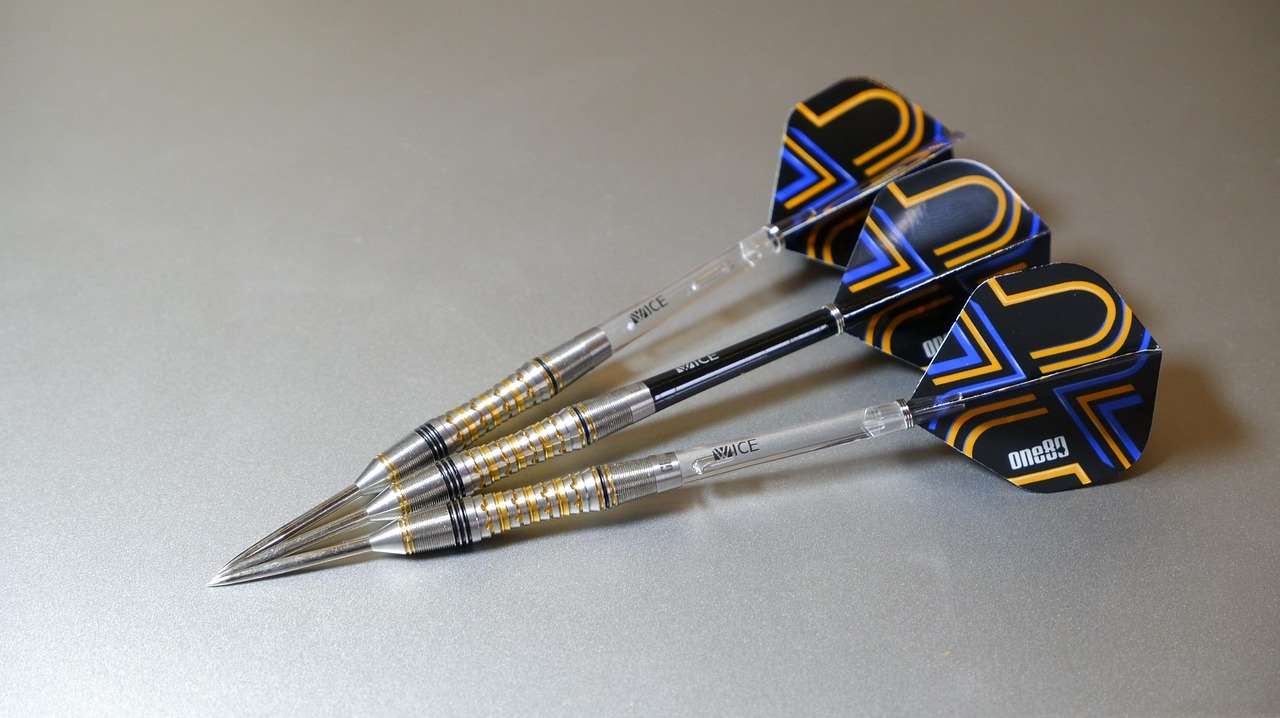
The type of darts you use can also impact your double-hitting ability. Experiment with different dart weights, shapes, and materials to find what feels most comfortable and provides the best results for you.
- Dart Weight: Heavier darts tend to be more stable in flight, while lighter darts can be easier to control. Experiment with different weights to find what suits your throwing style.
- Dart Shape: Darts come in a variety of shapes, including torpedo, straight barrel, and bomb. The shape of the dart can affect its aerodynamics and how it feels in your hand.
- Dart Material: Darts are typically made from brass, nickel silver, or tungsten. Tungsten darts are denser and more durable than brass or nickel silver darts.
- Flights and Shafts: Experiment with different flight shapes and shaft lengths to fine-tune the dart’s flight characteristics.

Consider visiting a darts shop and trying out different darts before making a purchase. A knowledgeable salesperson can help you to find the right darts for your throwing style and skill level. This is a part of a more Modifying rules for mixed-level dart players to create an even playing field.
Analyzing Your Performance: Identifying and Addressing Weaknesses
Regularly analyzing your performance can help you identify areas where you need to improve. Keep track of your scores, your accuracy on doubles, and any patterns in your misses. This is an iterative process to improve your killer strategy hitting doubles.
- Keep a Dart Journal: Record your practice sessions, your scores, and any observations about your throwing technique. This can help you to track your progress and identify areas for improvement.
- Video Analysis: Record yourself throwing and analyze your technique. This can help you to identify any flaws in your stance, grip, aim, or release.
- Seek Feedback: Ask a more experienced player to watch you throw and provide feedback on your technique.
Don’t be afraid to experiment with different techniques and strategies to find what works best for you. Darts is a game of constant learning and improvement.
Putting It All Together: Creating Your Personalized Doubles Strategy
Mastering doubles is a journey, not a destination. It requires dedication, practice, and a willingness to experiment. By incorporating the techniques, drills, and mental strategies outlined in this article, you can dramatically improve your double-hitting ability and take your dart game to the next level.
Remember to be patient with yourself and celebrate your successes along the way. The more you practice, the more confident and consistent you’ll become in your ability to hit those crucial doubles.

Consider that How to make darts fairer with handicap rules may be useful if playing against significantly stronger or weaker players.
Killer Strategy Hitting Doubles: Conclusion
In conclusion, developing a **killer strategy hitting doubles** in darts is a multifaceted process that encompasses stance, grip, aiming, release, mental fortitude, and equipment selection. By diligently practicing these techniques and analyzing your performance, you can significantly enhance your accuracy and consistency when targeting those crucial double segments. Remember, mastering doubles requires patience and persistence. Embrace the learning process, stay focused under pressure, and consistently refine your approach. Are you ready to transform your dart game? Start practicing these techniques today, and watch your scores soar!

Hi, I’m Dieter, and I created Dartcounter (Dartcounterapp.com). My motivation wasn’t being a darts expert – quite the opposite! When I first started playing, I loved the game but found keeping accurate scores and tracking stats difficult and distracting.
I figured I couldn’t be the only one struggling with this. So, I decided to build a solution: an easy-to-use application that everyone, no matter their experience level, could use to manage scoring effortlessly.
My goal for Dartcounter was simple: let the app handle the numbers – the scoring, the averages, the stats, even checkout suggestions – so players could focus purely on their throw and enjoying the game. It began as a way to solve my own beginner’s problem, and I’m thrilled it has grown into a helpful tool for the wider darts community.