The core principle of **Killer game bullseye rules assign** is survival: eliminate all other players by strategically targeting them on the dartboard. This article dives into the standard rules, variations, and tactical considerations for dominating at Killer, ensuring you understand how to **assign** your targets and efficiently knock out the competition.
⚠️ Still Using Pen & Paper (or a Chalkboard)?! ⚠️
Step into the future! The Dart Counter App handles all the scoring, suggests checkouts, and tracks your stats automatically. It's easier than you think!
Try the Smart Dart Counter App FREE!Ready for an upgrade? Click above!
Understanding the Basic Killer Game Bullseye Rules Assign
Killer is a dynamic and engaging darts game perfect for a group of players, injecting a competitive edge into a friendly gathering. The primary objective revolves around eliminating opponents by reducing their lives to zero. However, to become a true Killer, you need to thoroughly grasp the **killer game bullseye rules assign** intricacies and formulate winning strategies.
Setting Up the Game
Before launching into the game, several key preparatory steps ensure smooth gameplay:
- Player Count: Killer accommodates 3 or more players, with the optimal number being between 4 and 8 for balanced competition.
- Dartboard Setup: Ensure your dartboard is correctly mounted at the regulation height (5 feet 8 inches to the bullseye) and distance (7 feet 9 1/4 inches from the throwing line). Proper setup is crucial for fair play and accurate scoring.
- Determining Order: Players typically throw one dart each at the board, with the closest to the bullseye going first. Subsequent players follow in order of proximity to the bullseye. This establishes the sequence of play.
Assigning Numbers and Lives
Each player needs a number to defend, and a set number of lives. This is how the **killer game bullseye rules assign** begin:
- Number Assignment: Each player throws a dart with their non-dominant hand at the dartboard. The segment hit becomes their designated number for the game. If a player hits a segment already claimed, they must throw again. Hitting the bullseye typically allows a player to choose any unclaimed number.
- Starting Lives: The number of lives each player starts with can be varied depending on the desired game length and skill level. Typically, players start with 3, 5, or 7 lives.

Gameplay Mechanics
The core gameplay of Killer involves strategically hitting your own number to become a “Killer” and then targeting other players’ numbers to eliminate their lives.
- Becoming a Killer: Initially, players are not “Killers.” To become a Killer, a player must hit their assigned number twice (or sometimes a double or triple depending on house rules). Once they have hit their number the required number of times, they are officially a “Killer.”
- Eliminating Opponents: As a Killer, you can now target other players’ numbers. Each time you hit another player’s number, they lose a life. For example, if you hit the 20 (and that’s another player’s number) they lose one life.
- Losing Lives: A player loses a life each time a Killer hits their assigned number. Once a player’s lives are reduced to zero, they are eliminated from the game.
- The Bullseye Rule: Some variations award extra lives for hitting the bullseye, or allow a player to steal a life from another player. Be sure to establish these **killer game bullseye rules assign** variants before starting the game.
Advanced Killer Game Bullseye Rules Assign and Strategies
Beyond the basic rules, mastering Killer involves understanding advanced strategies and adapting to different game variations. Successful players learn how to manage their lives, prioritize targets, and exploit their opponents’ weaknesses.
Target Selection
Choosing the right target at the right time is crucial for success. Several factors should influence your decision:
- Lowest Lives: Prioritize players with the fewest remaining lives. Eliminating them quickly reduces the number of opponents you need to contend with.
- Strong Players: Target skilled players who pose a significant threat. Removing them early can significantly improve your chances of winning.
- Strategic Alliances: Consider forming temporary alliances with other players to gang up on a particularly dominant opponent. However, remember that alliances are often short-lived in Killer.
Defensive Tactics
Protecting your own lives is just as important as eliminating opponents. Implement these defensive tactics to stay in the game longer:
- Accurate Darts: Focus on consistently hitting your own number to avoid becoming an easy target. Practice your accuracy and develop a reliable throwing technique. Basic Darts Fundamentals for Beginners are essential for improvement.
- Observe Opponents: Pay attention to which numbers are being frequently targeted and adjust your strategy accordingly. If your number is under heavy fire, consider throwing at safer targets or temporarily going on the defensive.
- Strategic Bluffs: Occasionally, feint targeting a specific player to divert attention from your true intentions. This can disrupt your opponents’ strategies and give you a tactical advantage.

Variations in Killer Game Bullseye Rules Assign
Killer’s flexibility allows for numerous variations to tailor the game to your preferences and skill level. Here are some popular modifications:
- Double-In/Double-Out: Players must hit a double to become a Killer (double-in) and/or must end the game by hitting a double on another player’s number (double-out). This adds a layer of difficulty and requires greater precision.
- Triple-In/Triple-Out: Similar to Double-In/Out, but players must hit a triple to become a Killer or eliminate a player.
- Bullseye Bonus: Hitting the bullseye grants an extra life, steals a life from another player, or allows you to choose your own number. This adds an element of chance and can dramatically shift the game’s momentum.
- Team Killer: Players form teams and work together to eliminate the opposing team. This promotes teamwork and strategic coordination.
- Handicap Systems: More skilled players can start with fewer lives, or be required to hit doubles or triples to remove lives from other players, to level the playing field. Consider how to make darts fairer with handicap rules.
The Psychological Aspect of Killer
Beyond the mechanics, Killer involves psychological warfare. Intimidation, misdirection, and calculated aggression can all contribute to your success. Knowing your opponents’ tendencies and exploiting their weaknesses is a crucial aspect of the game.
Reading Your Opponents
Paying attention to your opponents’ behavior and tendencies can provide valuable insights. Look for:
- Target Preferences: Does a particular player consistently target a specific number or player?
- Emotional Reactions: How do players react to being targeted or eliminated? Do they become more aggressive or defensive?
- Throwing Habits: Are there any patterns or tells in a player’s throwing technique that might indicate their intended target?
Mind Games and Bluffing
Mastering the art of bluffing can be a powerful weapon. Consider these tactics:
- Feigned Interest: Pretend to be interested in targeting one player while secretly planning to attack another.
- Exaggerated Reactions: Overreact to a near miss or a successful hit to influence your opponents’ perceptions.
- Verbal Intimidation: Use playful banter to unnerve your opponents and disrupt their concentration.
Adapting Your Strategy
The dynamics of Killer can change rapidly. Be prepared to adapt your strategy on the fly based on:
- Changing Alliances: As players are eliminated, the remaining players may form new alliances or shift their allegiances.
- Unexpected Events: A lucky bullseye or an unexpected elimination can completely alter the game’s trajectory.
- Your Own Performance: If you are consistently struggling to hit your number, adjust your strategy to focus on defense and survival.
Tips for Mastering the Killer Game Bullseye Rules Assign
To become a true master of Killer, practice these tips consistently:
- Practice Regularly: Consistent practice is essential for improving your accuracy and throwing technique. Dedicate time to honing your skills, even if it’s just for a few minutes each day.
- Analyze Your Performance: Identify your strengths and weaknesses and focus on improving areas where you struggle. Track your scores and look for patterns in your performance.
- Experiment with Variations: Try different variations of Killer to challenge yourself and develop new strategies. This will make you a more versatile and adaptable player. You might even find fun dart game variations with modified rules to enjoy.
- Learn from Others: Watch experienced Killer players and analyze their strategies. Ask for advice and feedback from other players.
Understanding the psychological aspect is paramount, as is understanding the **killer game bullseye rules assign**. The ability to read opponents, bluff strategically, and adapt to changing game dynamics is crucial for outmaneuvering the competition.
Choosing the Right Darts
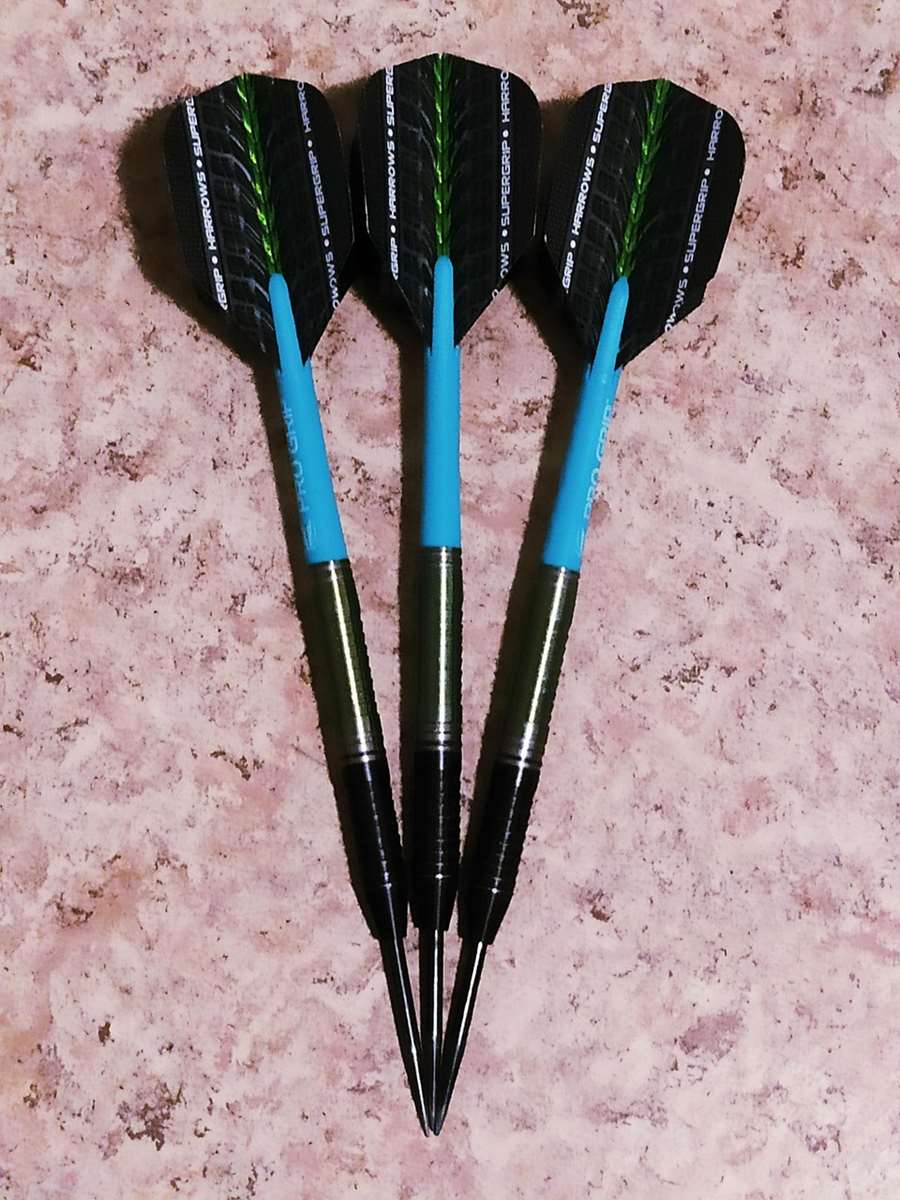
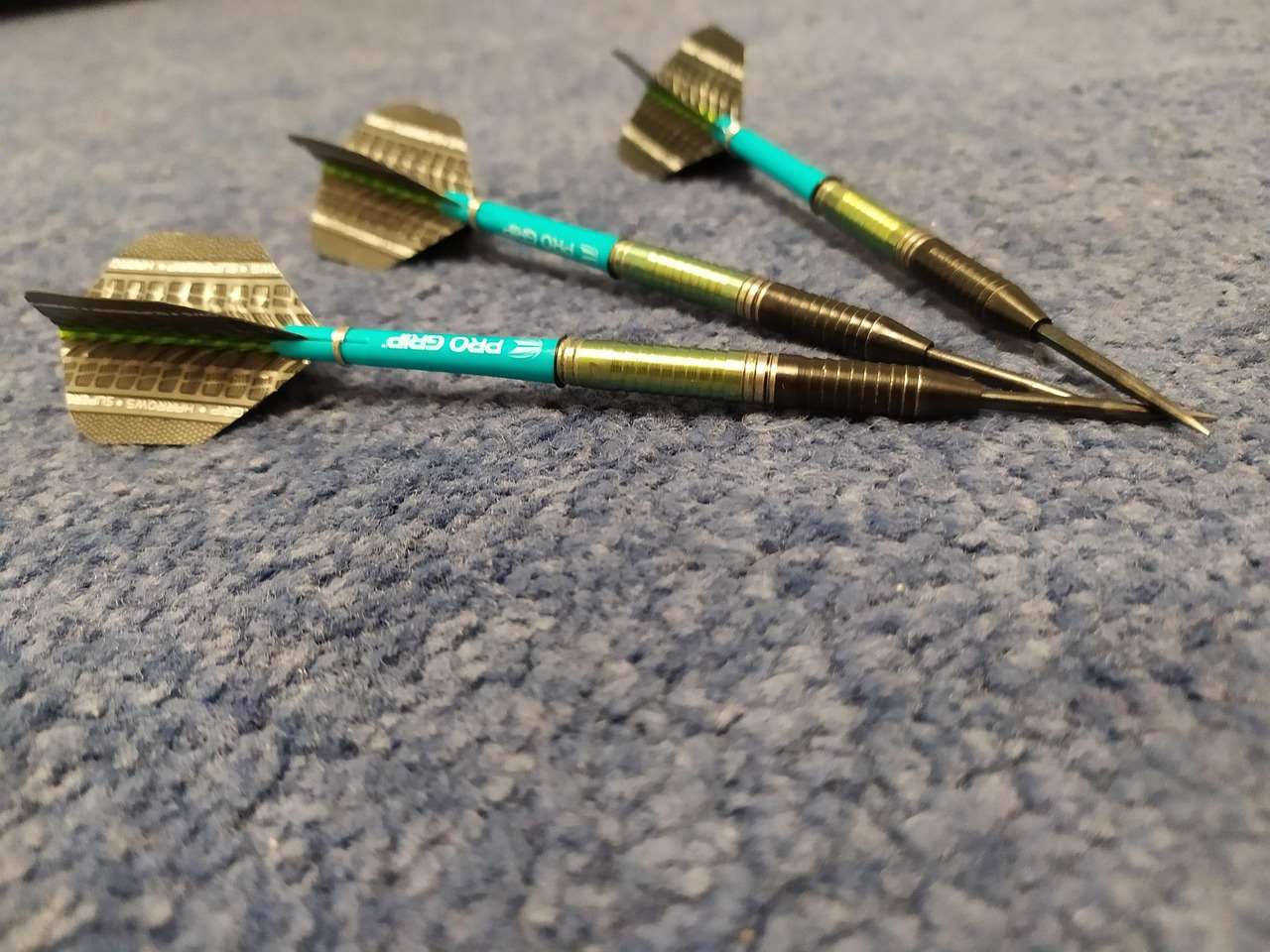
The type of darts you use can significantly impact your performance. Experiment with different weights, shapes, and materials to find darts that feel comfortable and suit your throwing style.
- Weight: Darts typically range in weight from 16 to 30 grams. Lighter darts are generally easier to throw, while heavier darts offer more stability.
- Shape: The shape of the dart’s barrel can affect its grip and trajectory. Common shapes include straight barrels, torpedo barrels, and bomb barrels.
- Material: Dart barrels are typically made from brass, nickel silver, or tungsten. Tungsten darts are denser and more durable than brass or nickel silver darts.
Ensure you have quality flights and shafts that are properly maintained. Damaged flights can significantly affect your dart’s trajectory.
Killer Game Bullseye Rules Assign: A Summary of Key Strategies
Winning at Killer requires a blend of skill, strategy, and psychological awareness. By mastering the basic rules, adapting to different variations, and honing your mental game, you can significantly improve your chances of success.
- Prioritize targets based on lives remaining and skill level.
- Protect your own lives by consistently hitting your number.
- Master the art of bluffing to misdirect your opponents.
- Adapt your strategy to changing game dynamics.
- Practice regularly to improve your accuracy and throwing technique.

Remember that Killer is a game of attrition. The player who can stay focused, adapt to changing circumstances, and maintain a cool head under pressure is most likely to emerge victorious. The psychological elements are as crucial as the dart-throwing skill itself when it comes to mastering the **killer game bullseye rules assign** and emerging as the ultimate “Killer” champion.
Additional Considerations
Consider alternative darts rules for home play if you’re looking to adjust the game to suit your environment or the skill levels of your players.
Conclusion
The **Killer game bullseye rules assign** provide a framework for an exhilarating and competitive darts experience. By understanding the core mechanics, embracing strategic variations, and honing your psychological game, you can elevate your Killer skills to new heights. Remember to practice, adapt, and enjoy the thrill of the game! Now, grab your darts, gather your friends, and put your newfound knowledge to the test. Who will be the last one standing?
Ready to put your Killer skills to the test? Organize a game night with friends and family and experience the excitement firsthand! Share your Killer game strategies and tips in the comments below!

Hi, I’m Dieter, and I created Dartcounter (Dartcounterapp.com). My motivation wasn’t being a darts expert – quite the opposite! When I first started playing, I loved the game but found keeping accurate scores and tracking stats difficult and distracting.
I figured I couldn’t be the only one struggling with this. So, I decided to build a solution: an easy-to-use application that everyone, no matter their experience level, could use to manage scoring effortlessly.
My goal for Dartcounter was simple: let the app handle the numbers – the scoring, the averages, the stats, even checkout suggestions – so players could focus purely on their throw and enjoying the game. It began as a way to solve my own beginner’s problem, and I’m thrilled it has grown into a helpful tool for the wider darts community.