Mastering the lingo is crucial to improving your dart game, so here’s your **killer darts terminology glossary**, a quick guide to understanding the essential terms used in the world of darts. This glossary will cover everything from scoring terms to equipment jargon, helping you feel confident and informed whether you’re a beginner or a seasoned pro.
⚠️ Still Using Pen & Paper (or a Chalkboard)?! ⚠️
Step into the future! The Dart Counter App handles all the scoring, suggests checkouts, and tracks your stats automatically. It's easier than you think!
Try the Smart Dart Counter App FREE!Ready for an upgrade? Click above!
Decoding the Basics: Essential Darts Terminology
Navigating the world of darts can be tricky if you’re unfamiliar with the jargon. Let’s break down some of the most frequently used terms, giving you a solid foundation to understand the game and engage with other players. This will help you appreciate the nuances of even the most Darts Variants Fun Games.
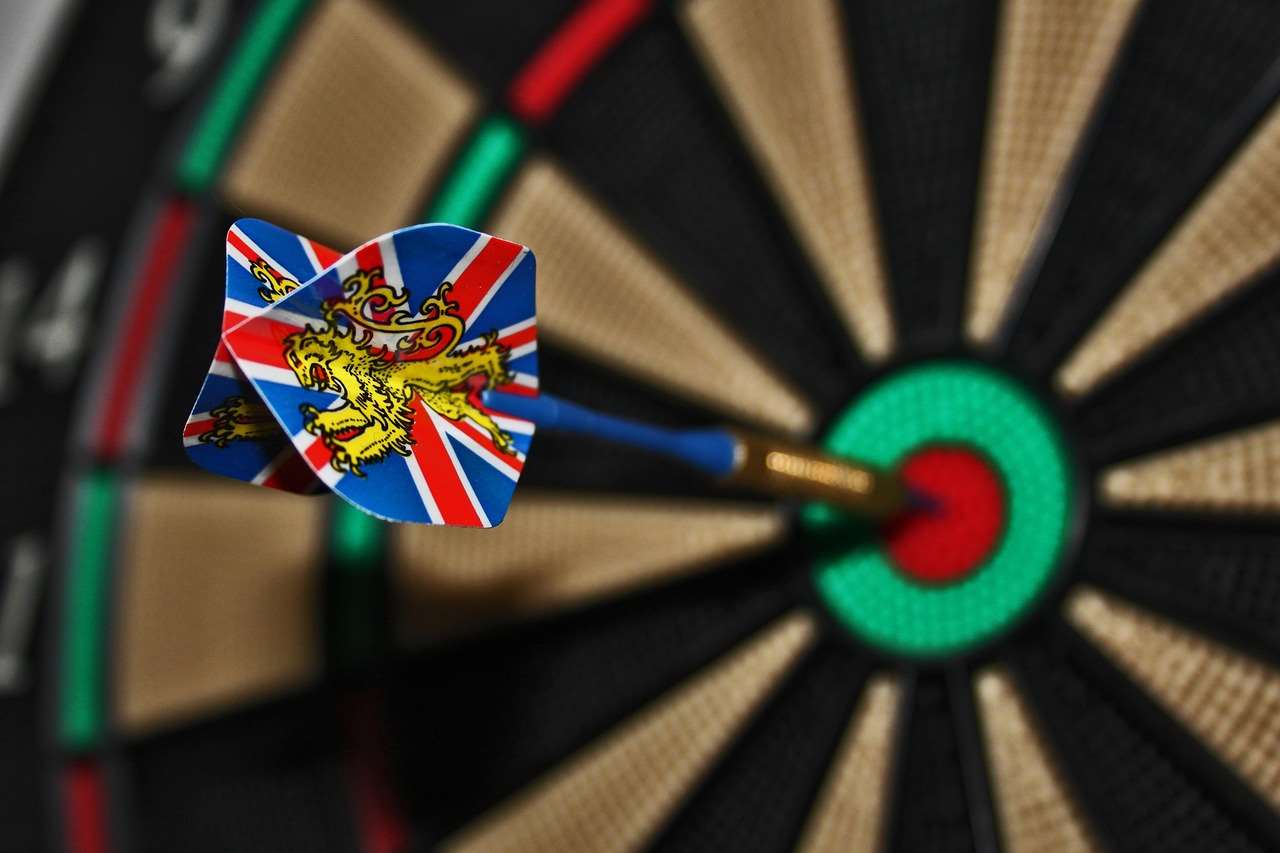
- Dart: The projectile thrown at the dartboard.
- Flight: The fin-like appendages at the back of the dart, providing stability during flight.
- Barrel: The main body of the dart, usually made of brass, tungsten, or a combination of materials.
- Shaft: The component connecting the barrel to the flight.
- Tip/Point: The sharp end of the dart that pierces the dartboard. Soft tip darts have plastic tips and are used on electronic boards. Steel tip darts have metal tips and are used on bristle boards.
- Oche (pronounced “ockey”): The throwing line or distance from which players throw their darts.
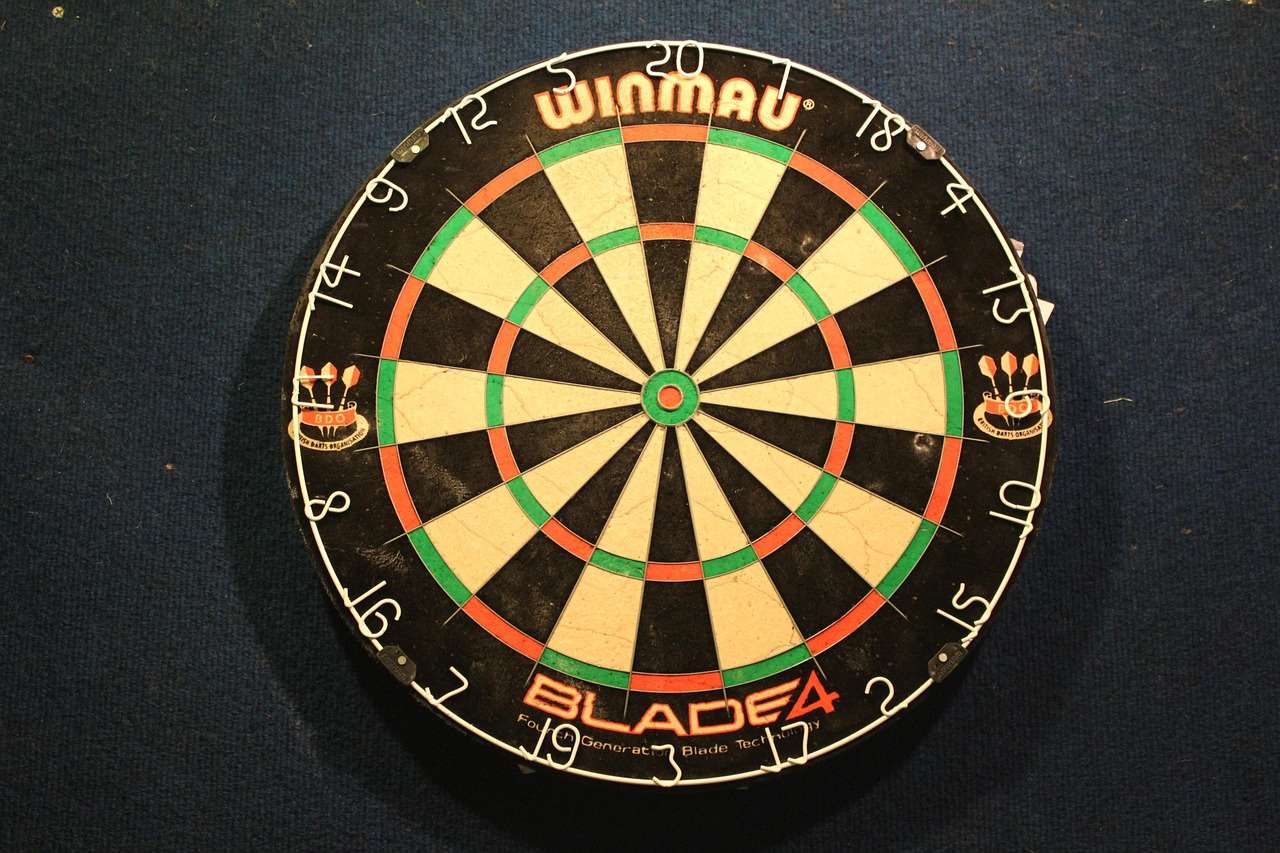
- Bullseye: The center of the dartboard, worth 50 points (the inner bull, sometimes called the “double bull”) or 25 points (the outer bull, sometimes called the “single bull”).
- Treble: The narrow ring located in the middle of the dartboard sections, scoring three times the value of that section.
- Double: The narrow ring around the outer edge of the dartboard sections, scoring twice the value of that section.
- Single: The main area of each numbered section on the dartboard, scoring the face value of the number.
Understanding these basic terms will make it much easier to follow games, understand strategy, and even select the right equipment. Don’t underestimate the power of knowing the language!
Understanding Scoring Terms
The scoring system in darts has its own specific vocabulary. Knowing these terms is vital for keeping track of the game and communicating effectively. This knowledge can even inspire you to research obscure dartboard games list.
- Checkout: The act of finishing a game of darts by reaching exactly zero with a double or bullseye.
- Ton: Scoring 100 points or more with three darts.
- Ton 40: Scoring 140 points with three darts.
- Ton 80: Scoring 180 points with three darts (three treble 20s). Considered the maximum score possible with three darts and is often announced with enthusiasm.
- Leg: One game of darts within a set.
- Set: A predetermined number of legs that a player must win to win the set.
- Match: A predetermined number of sets that a player must win to win the match.
- Nine-Darter: Finishing a game of 501 in just nine darts, the perfect game in professional darts.
- Shanghai: Hitting a single, double, and treble of the same number in one turn. For example, hitting a single 20, a double 20, and a treble 20.
Equipment and Setup: More Darts Terminology
Beyond the game itself, there’s specific **killer darts terminology glossary** related to equipment and setup. Here are some key terms to know.
- Dartboard: The target at which darts are thrown. Bristle dartboards are most common for steel tip darts, while electronic dartboards are used for soft tip darts.
- Bristle Board: A dartboard made of tightly packed sisal fibers. Self-healing properties allow the board to close up after the darts are removed.
- Electronic Dartboard: A dartboard with electronic scoring and features for soft tip darts.
- Dartboard Cabinet: A cabinet that houses the dartboard and provides storage for darts and accessories.
- Oche Mat: A mat placed on the floor to mark the throwing distance.
- Flights: The wings or fins attached to the back of the dart shaft, providing stability and aerodynamic control. Different shapes, sizes, and materials affect dart flight.
- Shafts: Connect the barrel to the flights. Available in various lengths and materials like aluminum, nylon, or carbon fiber.
- Points/Tips: The sharp end of the dart that penetrates the dartboard. Steel tips are used for bristle boards, while plastic tips are used for electronic dartboards.
- Dart Case: A container for storing and transporting darts and accessories.
Understanding Dart Anatomy in Detail
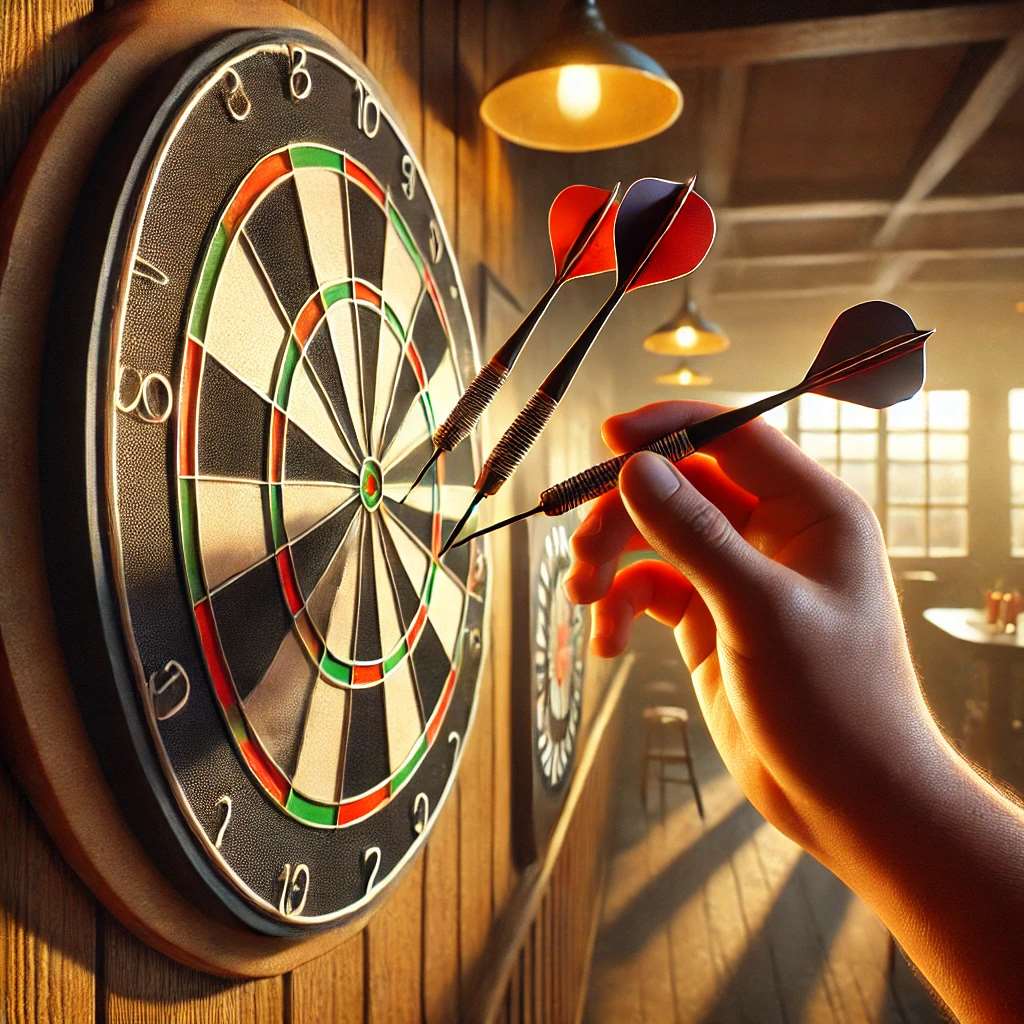
Let’s delve a little deeper into the anatomy of a dart to better understand the components and their functions. Knowing these terms helps when discussing dart customization or repairs.
- Grip: The texture on the barrel that provides the thrower with control. Grips can be knurled, ringed, or feature other patterns.
- Weight: The mass of the dart, usually measured in grams. Common weights range from 20 to 26 grams for steel tip darts.
- Balance Point: The point on the dart where it balances horizontally. Affects how the dart flies and feels in the hand.
- Grooves: Indentations on the barrel that enhance grip and finger placement.
Advanced Concepts and Strategies
Once you’ve mastered the basics, understanding these advanced concepts can significantly improve your gameplay. Remember to explore forgotten pub dart games for a unique challenge.
- Grouping: The ability to consistently throw darts close together, even if not always in the desired target.
- Follow Through: The continuation of the throwing motion after releasing the dart, which helps maintain accuracy.
- Mental Game: The psychological aspect of darts, including focus, concentration, and managing pressure.
- Game Shot: The dart that wins the leg or match.
- Double Out: A game variant that requires the player to finish the game with a double.
Effective strategy in darts also involves understanding your opponent and adapting your game accordingly. Observation and analysis are key components of a successful darts player’s arsenal.
Common Darts Slang and Expressions
Darts has its own unique slang that can add a bit of fun to the game. Understanding these terms can help you feel like a true insider.
- Bed and Breakfast: Hitting a 26 (single 20, single 5, single 1). This is based on the old British saying referring to cheap accommodations.
- Mad House: The double one (2). So called because players are often left needing this to finish and can struggle to hit it.
- Tops: The double twenty (40). A very common and often crucial double to hit when checking out.
- The Big Fish (or just “Fish”): Hitting 170 (T20, T20, Bullseye), the highest possible checkout.
The Professional Darts Scene
The professional darts circuit is a world of its own, with specific events, organizations, and rankings. Here are some key terms.
- PDC (Professional Darts Corporation): One of the two major professional darts organizations.
- WDF (World Darts Federation): The other major professional darts organization.
- World Championship: The most prestigious tournament in professional darts.
- Premier League Darts: An invitational tournament featuring the top players in the world.
- Ranking: A system used to determine a player’s position in the professional darts world.
- Walk-On Music: The song a player chooses to play as they walk onto the stage before a match.

Improving Your Game: Practice and Analysis
Understanding the **killer darts terminology glossary** is only the first step. To truly excel, you need to practice and analyze your performance.
- Practice Routines: Structured drills designed to improve specific aspects of your game.
- Throwing Technique: The physical mechanics of throwing a dart, including stance, grip, and release.
- Performance Analysis: Reviewing your games and identifying areas for improvement.
- Dartitis: A psychological condition that can affect a player’s ability to release the dart smoothly.
Consider keeping a log of your practice sessions and tracking your scores. This data can provide valuable insights into your strengths and weaknesses.
Conclusion: Mastering the Darts Lingo
This **killer darts terminology glossary** provides a solid foundation for understanding the language of darts, from basic scoring to advanced strategies. By familiarizing yourself with these terms, you’ll not only improve your understanding of the game but also enhance your ability to communicate with other players and engage with the darts community. Now that you know the lingo, grab your darts, practice your throw, and perhaps even explore some history of darts games uk. What are you waiting for? Head to the oche and start playing!

Hi, I’m Dieter, and I created Dartcounter (Dartcounterapp.com). My motivation wasn’t being a darts expert – quite the opposite! When I first started playing, I loved the game but found keeping accurate scores and tracking stats difficult and distracting.
I figured I couldn’t be the only one struggling with this. So, I decided to build a solution: an easy-to-use application that everyone, no matter their experience level, could use to manage scoring effortlessly.
My goal for Dartcounter was simple: let the app handle the numbers – the scoring, the averages, the stats, even checkout suggestions – so players could focus purely on their throw and enjoying the game. It began as a way to solve my own beginner’s problem, and I’m thrilled it has grown into a helpful tool for the wider darts community.