Mastering a killer darts targeting strategy is the key to consistently hitting your desired numbers and dominating the oche. This article breaks down proven techniques and practice drills to elevate your game, covering stance, grip, release, and mental fortitude for unmatched accuracy.
⚠️ Still Using Pen & Paper (or a Chalkboard)?! ⚠️
Step into the future! The Dart Counter App handles all the scoring, suggests checkouts, and tracks your stats automatically. It's easier than you think!
Try the Smart Dart Counter App FREE!Ready for an upgrade? Click above!
Developing a Killer Darts Targeting Strategy
A truly effective killer darts targeting strategy isn’t just about throwing hard; it’s about precision, consistency, and mental focus. It involves meticulously refining every aspect of your game, from your stance to your follow-through. Let’s explore the essential components that will transform your approach.
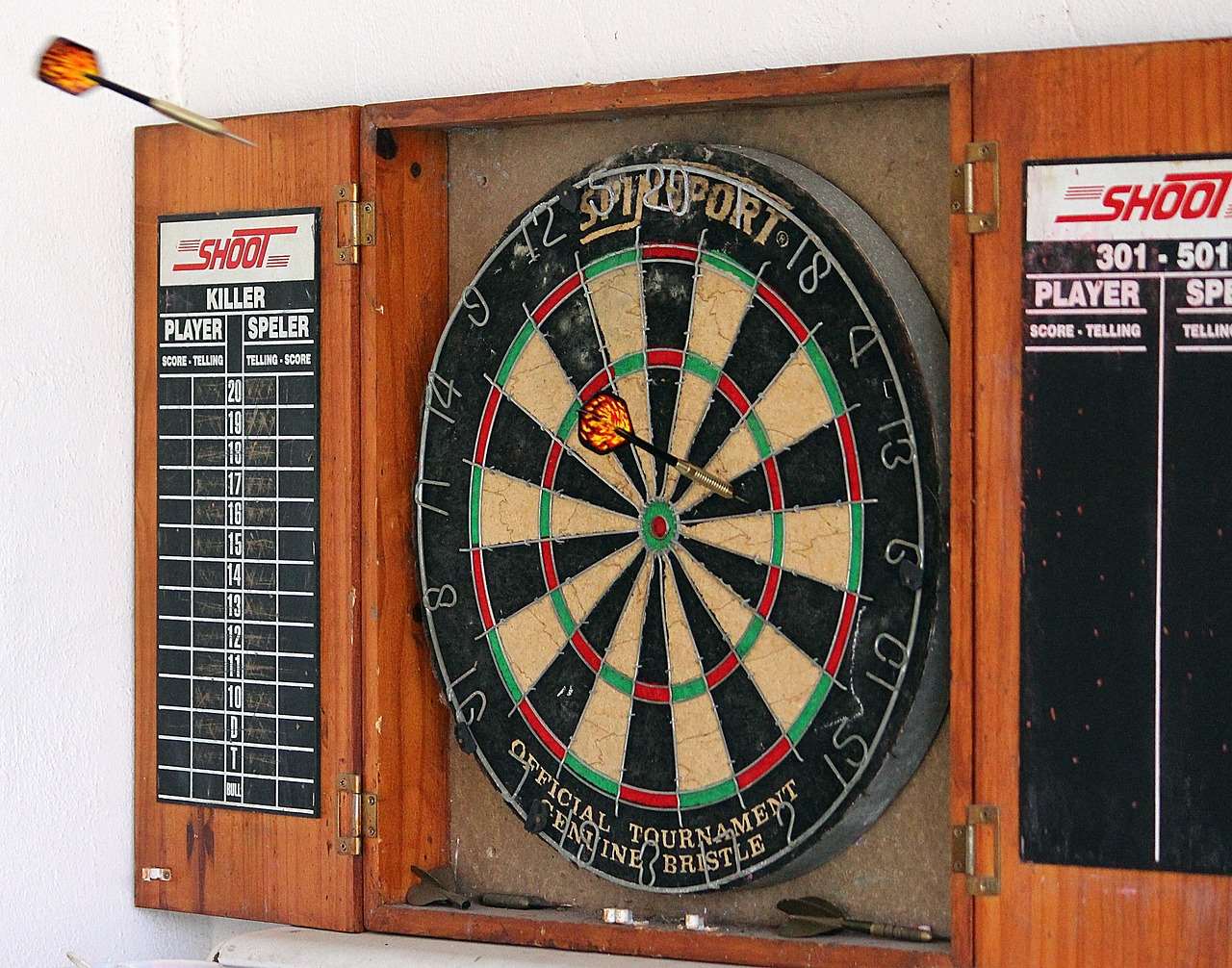
Perfecting Your Stance
Your stance is the foundation of your throw. A stable and balanced stance allows for consistent body alignment, ensuring you’re throwing from the same position every time. Consider these points:
- Foot Placement: Experiment with different foot positions. Most players find a slightly angled stance with their dominant foot forward works best. Find what feels most natural and stable.
- Weight Distribution: Maintain even weight distribution across both feet. Avoid leaning too far forward or backward, as this can disrupt your balance and affect your throw.
- Body Alignment: Ensure your body is aligned towards the target. Your shoulders and hips should be square to the dartboard.
The Importance of a Consistent Grip
The way you grip the dart significantly impacts your control and release. A consistent grip is crucial for repeating your throw accurately. Key considerations include:
- Pressure: Avoid gripping the dart too tightly. A relaxed grip allows for a smoother release. Experiment with different levels of pressure to find what feels most comfortable and provides the best control.
- Finger Placement: Experiment with different finger placements. Some players prefer a three-finger grip, while others use a four-finger grip. The key is to find a grip that feels secure and allows for a consistent release.
- Grip Consistency: Once you find a grip that works for you, stick with it. Avoid changing your grip frequently, as this can lead to inconsistencies in your throw.
Targeting Techniques for Darts
Once you have a solid stance and grip, you need to develop effective targeting techniques. Accurate aiming is essential for hitting your desired numbers. Here are some strategies to consider:
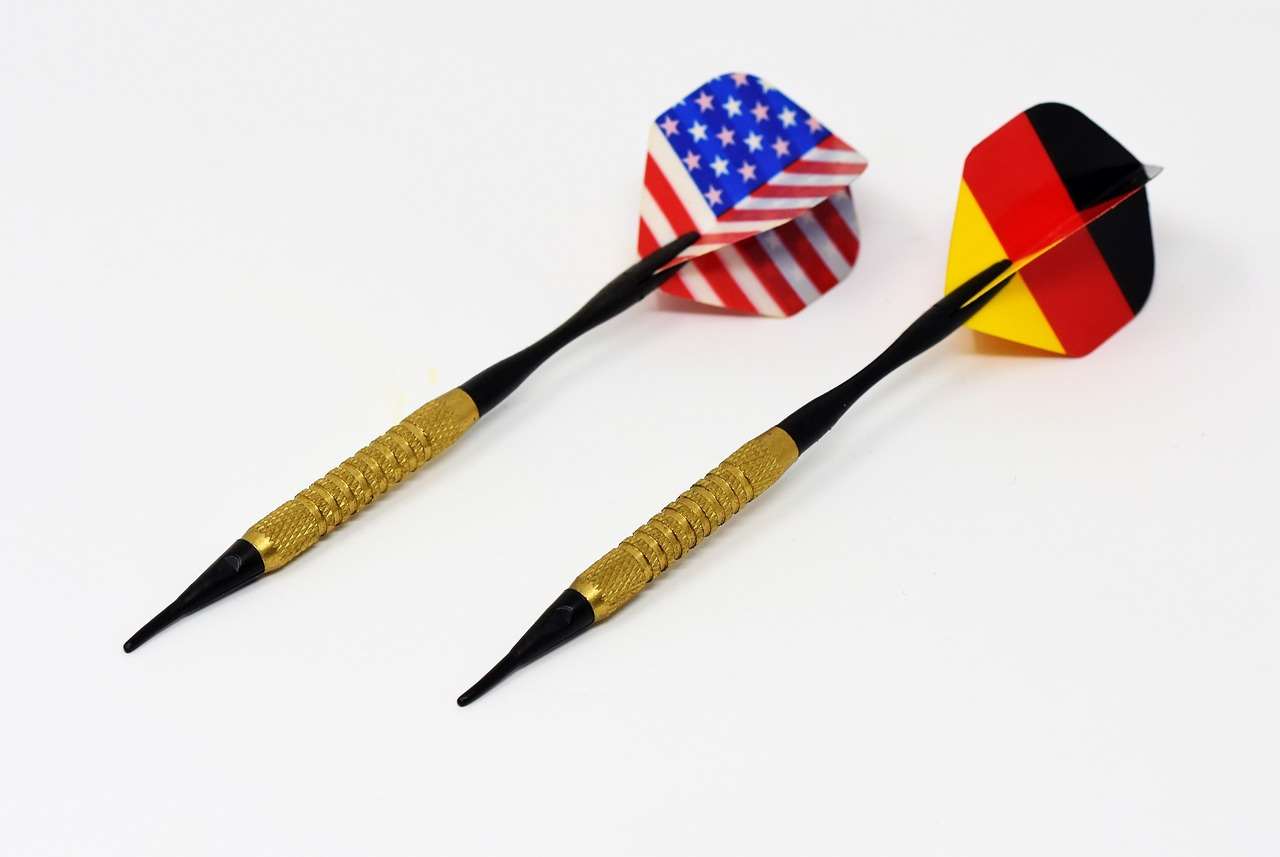
Visualisation and Mental Imagery
Before each throw, take a moment to visualise the dart hitting your target. Mental imagery can help improve your focus and accuracy. Close your eyes and picture the dart flying through the air and landing exactly where you want it to go.
Aiming Points and Trajectory
Identify specific aiming points on the dartboard. Instead of focusing on the entire target area, pinpoint a smaller spot to aim for. This can help improve your precision. Pay attention to the trajectory of your darts. Adjust your aim based on where your darts are landing in relation to your target. Related keywords include accurate dart aiming and dart trajectory control.
Eye Dominance Considerations
Understanding your eye dominance is crucial. If you are right-eye dominant, align your head and body slightly to the right of the target. If you are left-eye dominant, align slightly to the left. This ensures that your dominant eye is aligned with the target. It helps to improve your accuracy.
Developing Throwing Consistency in Darts
Consistency is the cornerstone of a successful killer darts targeting strategy. You can’t rely on luck to win; you need to develop a repeatable throwing motion that produces consistent results. Here are some methods to improve your throwing consistency:
The Importance of a Smooth Release
A smooth release is essential for accuracy and consistency. Avoid jerky or abrupt movements during your release. Instead, focus on a fluid and controlled motion. Practice releasing the dart at the same point in your throwing motion every time.
Developing a Consistent Follow-Through
Your follow-through is just as important as your release. A consistent follow-through helps ensure that you are releasing the dart in the same way every time. Extend your arm fully towards the target after releasing the dart. Hold your follow-through for a moment to maintain balance and control. Consider practicing consistent dart follow-through techniques regularly.

Regular Practice and Repetition
The only way to truly develop consistency is through regular practice and repetition. Set aside time each day or week to practice your throwing motion. Focus on repeating the same motion over and over again. Track your progress and identify areas where you need to improve. Darts Variants Fun Games can add variety to your training.
Mental Toughness and Focus in Darts
Darts is as much a mental game as it is a physical one. Mental toughness and focus are essential for performing under pressure. Develop strategies for maintaining focus and staying calm during matches.
Dealing with Pressure and Distractions
Learn to manage pressure and distractions during matches. Develop techniques for staying focused on the task at hand, even when faced with challenging situations. Deep breathing exercises and positive self-talk can help you stay calm and focused. This relates to darts mental game strategy.
Building Confidence and Positive Self-Talk
Believe in your abilities and maintain a positive attitude. Confidence can make a big difference in your performance. Use positive self-talk to encourage yourself and stay motivated. Focus on your strengths and accomplishments, rather than dwelling on your weaknesses.
Advanced Darts Targeting Techniques
For seasoned players looking to refine their killer darts targeting strategy further, advanced techniques can offer a competitive edge. These require dedicated practice and a keen understanding of your own throwing style.
Using Trajectory Adjustment for Different Targets
Learn to adjust your trajectory slightly to compensate for different targets on the board. Some players naturally throw with a higher or lower arc. Experiment with different launch angles to see how they affect your accuracy. Remember that small adjustments can have a big impact on your results.
Developing a “Feel” for the Dart
Experienced players often develop a “feel” for the dart, which allows them to make subtle adjustments mid-throw. This comes with years of practice and a deep understanding of your own throwing motion. Pay attention to how the dart feels in your hand and how it responds to different movements. This could also be described as dart throwing feel optimization.
Understanding and Utilizing Board Geography
Mastering the board’s layout is crucial. Know the point values of each section and how they relate to each other. Understand which sections are easier to hit and which are more challenging. Develop a strategic approach to targeting based on the board’s geography. Think about old dart games rules in relation to modern strategies.
Equipment and Customization
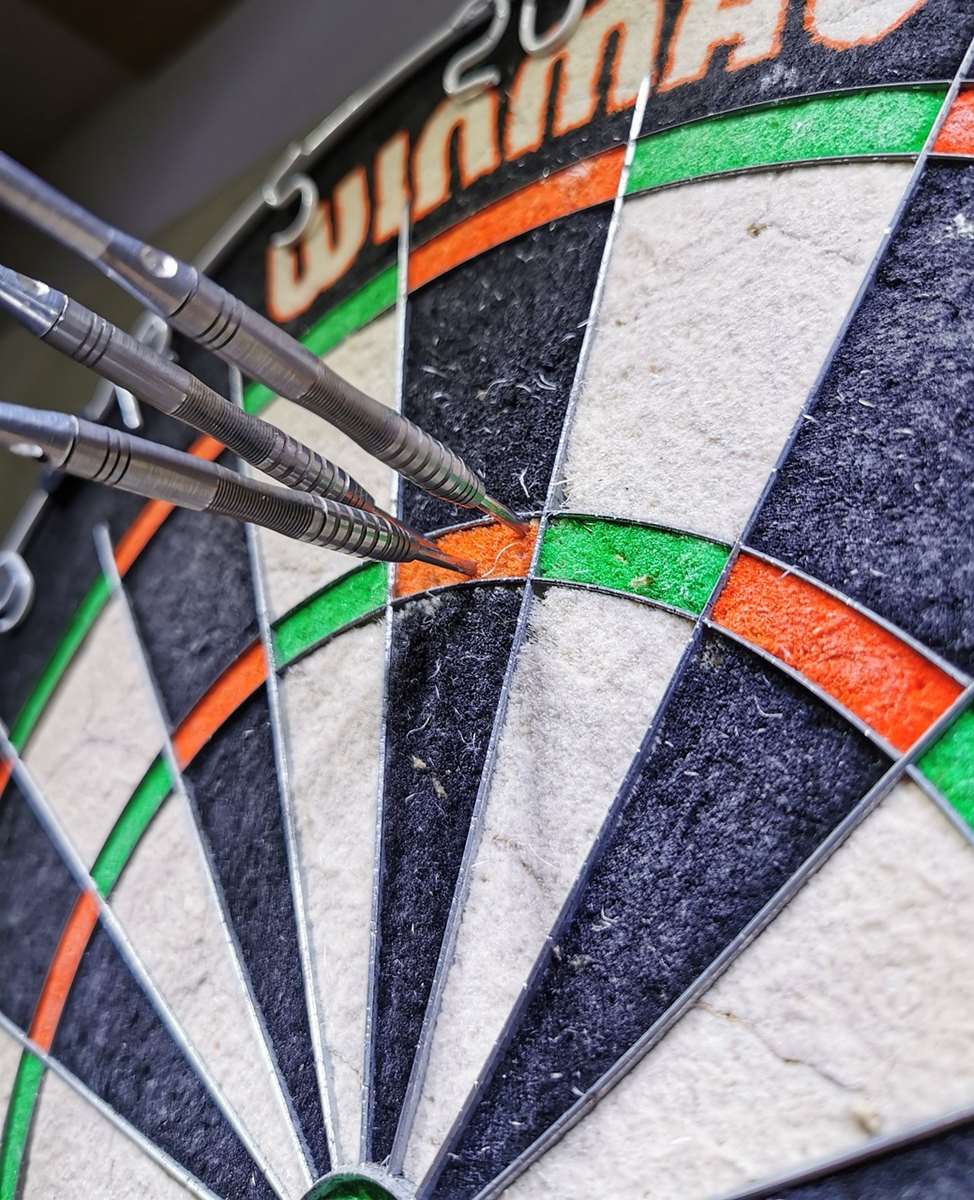
Choosing the right equipment can significantly impact your performance. Experiment with different darts, shafts, and flights to find what works best for you. Customization can also play a role in improving your killer darts targeting strategy.
Dart Weight and Balance
Experiment with different dart weights to find what feels most comfortable and provides the best control. Heavier darts tend to fly straighter, while lighter darts are more maneuverable. Consider the balance of the dart as well. Front-weighted darts tend to fly differently than rear-weighted darts.
Shaft and Flight Selection
Shafts and flights can affect the trajectory and stability of your darts. Experiment with different lengths and materials of shafts. Try different shapes and sizes of flights to see how they impact your throw. Choose shafts and flights that complement your throwing style and enhance your accuracy.
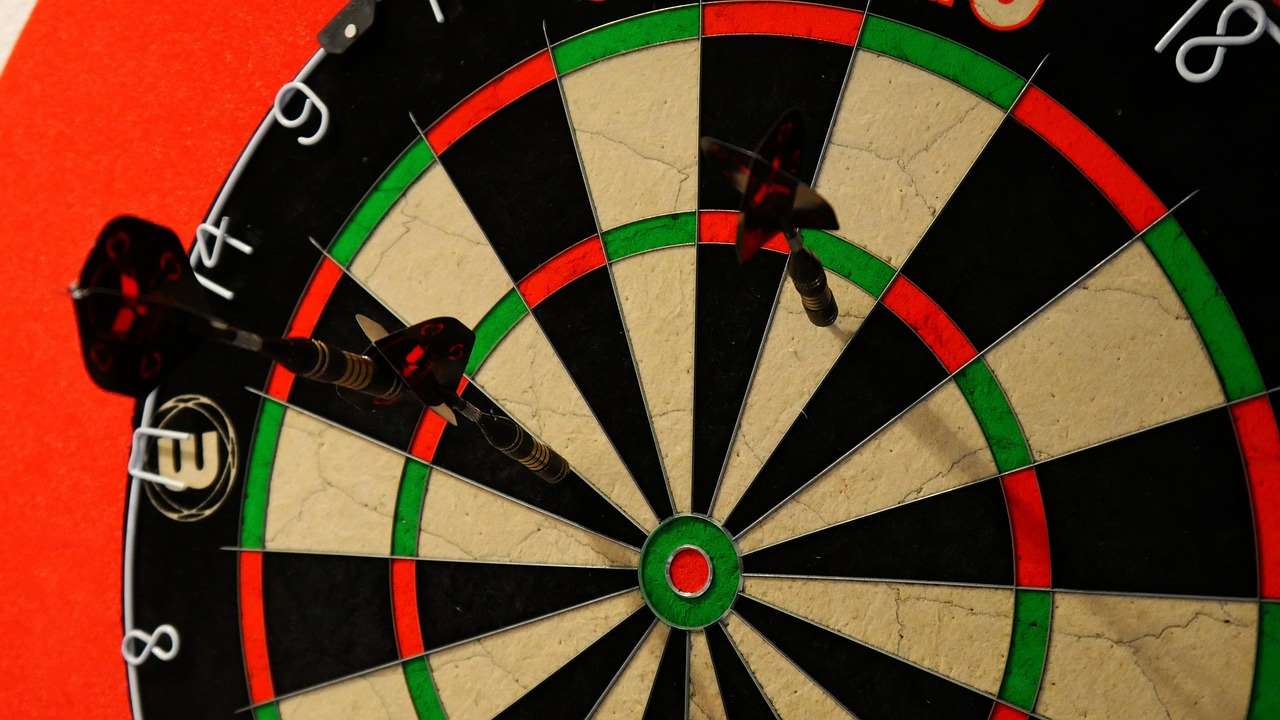
Practice Drills to Enhance Your Targeting Strategy
Implementing specific practice drills is key to refining your killer darts targeting strategy and improving your consistency. Here are a few drills you can incorporate into your training regimen:
The “Around the Clock” Drill
This drill focuses on hitting each number on the dartboard in sequential order. Start at 1 and work your way around to 20. This helps improve your accuracy and consistency on all parts of the board.
The “Double Out” Drill
This drill focuses on hitting doubles. Start with a score of 40 and try to finish by hitting a double. This is a great way to practice your finishing skills and improve your accuracy on the double ring.
The “Treble 20” Drill
This drill focuses on hitting the treble 20. Aim for the treble 20 with each throw. This will help you improve your accuracy and consistency on this crucial target. This is especially important for optimizing your darts scoring accuracy.
Conclusion
Mastering a killer darts targeting strategy is a journey that requires dedication, practice, and a deep understanding of your own game. By focusing on stance, grip, targeting techniques, consistency, and mental toughness, you can elevate your performance and achieve your darting goals. Implement the drills discussed and consistently practice your technique. Now, grab your darts and start practicing to refine your targeting strategy and dominate the game!

Hi, I’m Dieter, and I created Dartcounter (Dartcounterapp.com). My motivation wasn’t being a darts expert – quite the opposite! When I first started playing, I loved the game but found keeping accurate scores and tracking stats difficult and distracting.
I figured I couldn’t be the only one struggling with this. So, I decided to build a solution: an easy-to-use application that everyone, no matter their experience level, could use to manage scoring effortlessly.
My goal for Dartcounter was simple: let the app handle the numbers – the scoring, the averages, the stats, even checkout suggestions – so players could focus purely on their throw and enjoying the game. It began as a way to solve my own beginner’s problem, and I’m thrilled it has grown into a helpful tool for the wider darts community.